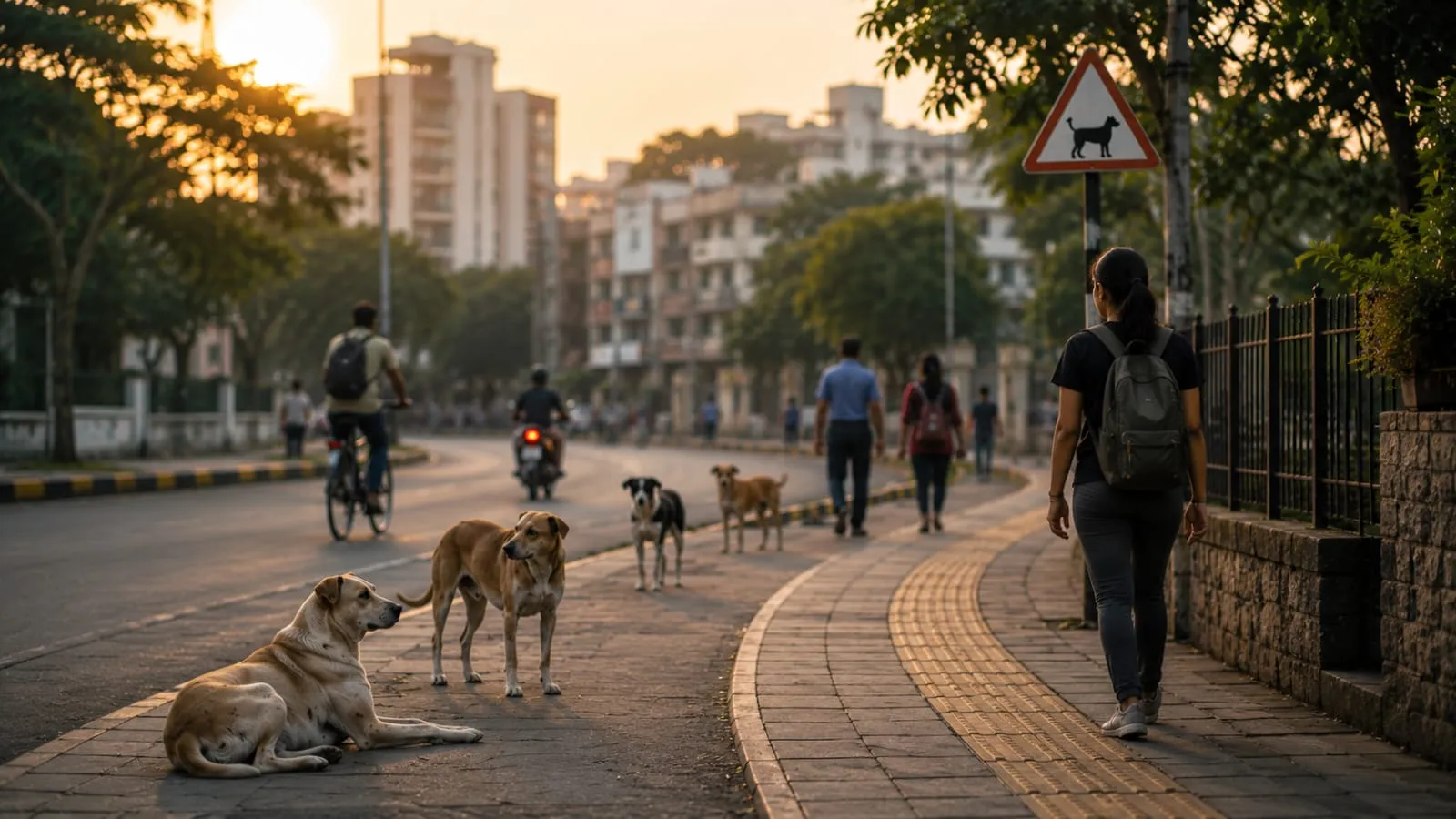
What Once Appeared To Be A Local Civic Issue Is Quietly Becoming A Larger Conversation About How Cities Function
For years, conversations surrounding stray dogs frequently surfaced only during isolated moments. A neighborhood complaint, a local dispute or a specific incident occasionally brought temporary attention before discussions gradually faded into the background again. Urban environments slowly adapted around coexistence because stray populations increasingly became accepted as part of everyday city life. For many residents, the issue often felt familiar yet unresolved because cities frequently learned to live around the problem rather than fully addressing it.
Something different now appears to be unfolding across several Indian cities. Recent incidents, civic discussions and renewed public debates are pushing conversations around stray dogs into larger public spaces because the issue no longer appears limited to animal management alone. What initially looked like a discussion around street animals is gradually becoming a broader conversation involving safety, city planning and how public spaces operate for everyone using them.
Viewed independently, conversations around stray populations may initially resemble another municipal challenge requiring administrative attention. Viewed through a broader impact lens, however, another question begins surfacing beneath the headlines: who truly shapes public spaces in rapidly growing cities, and how should those spaces function for people sharing them every day? Because urban environments ultimately involve interaction, not simply infrastructure.
Historically, city development frequently focused on roads, transport systems and physical expansion because urban conversations often prioritized visible infrastructure and large-scale planning. Discussions around coexistence frequently remained secondary because growth itself usually centered around construction and expansion. Yet rapidly changing cities increasingly reveal another reality beneath physical development itself: cities are shared environments involving overlapping needs, behaviors and expectations.
Many urban issues frequently become visible only when cities begin experiencing pressure. Population growth, changing neighborhoods and increased density frequently create situations where systems designed for earlier environments suddenly encounter new challenges. What initially appears like an isolated issue occasionally reflects broader changes happening beneath city life itself. Shared spaces frequently reveal social tensions long before official systems fully recognize them.
Another important layer beneath this discussion involves public perception itself. Different residents frequently approach conversations surrounding stray dogs from very different perspectives because experiences vary dramatically across neighborhoods and communities. Some people emphasize safety concerns while others focus on animal welfare and compassion because urban life often creates situations where competing realities exist simultaneously within the same environment.
This distinction matters because city debates rarely involve single issues operating independently. Public safety, animal care and governance frequently overlap because urban environments rarely function through isolated systems. Solutions become difficult precisely because multiple concerns frequently appear valid at the same time. The broader challenge often involves balancing responsibilities rather than choosing one side entirely.
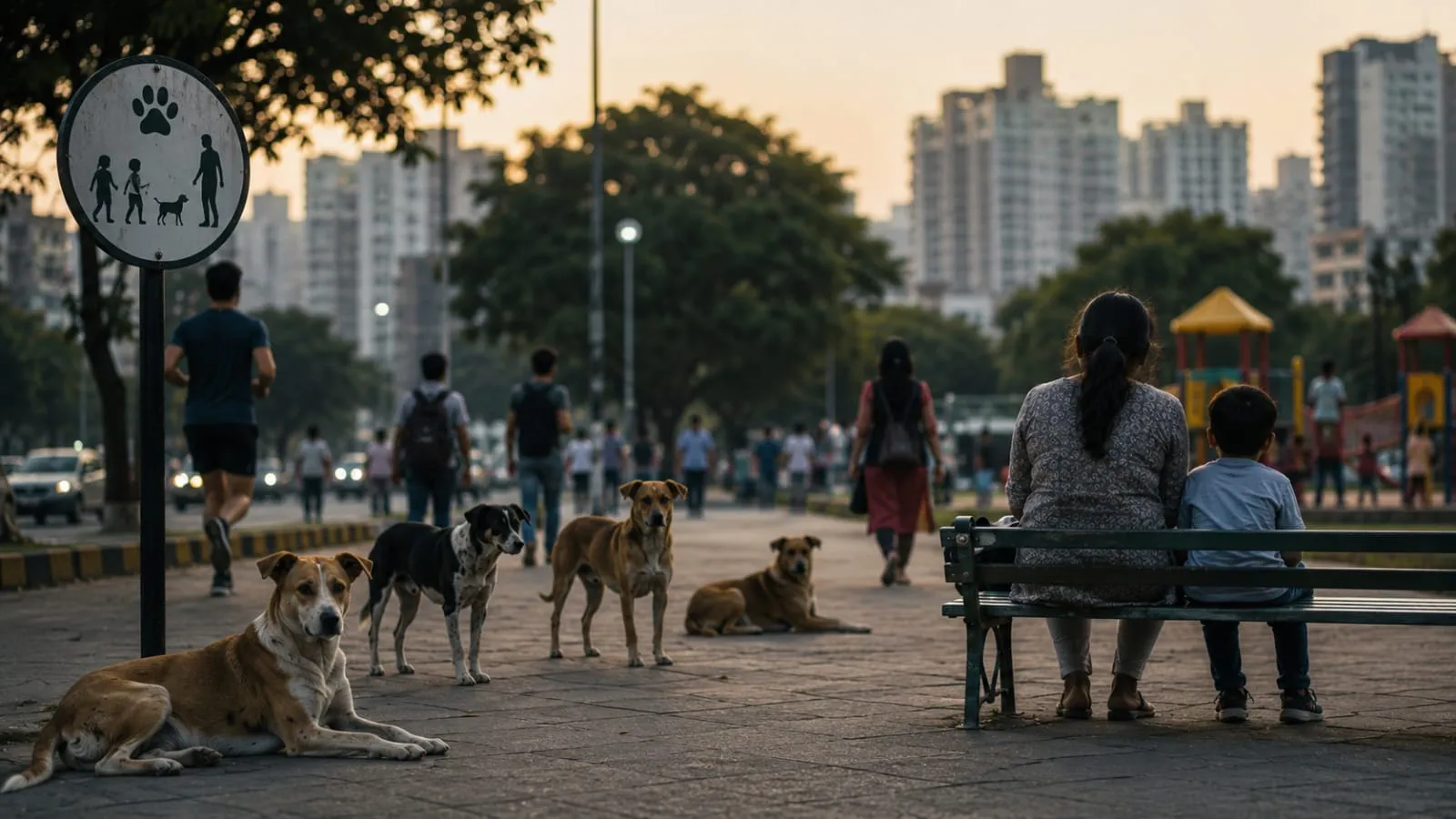
There is also a larger question involving urban planning itself. Public spaces frequently operate through assumptions around access, movement and safety because cities rely on predictable everyday interactions. Parks, walking routes and residential streets frequently shape ordinary routines because these spaces determine how people experience city life itself. Discussions involving stray populations increasingly extend into questions involving who feels comfortable, safe and included inside shared environments.
Many rapidly expanding cities around the world have experienced similar conversations because urban growth frequently creates pressure around systems previously operating informally. Questions surrounding coexistence often become more visible once density increases because larger populations naturally create greater interaction within limited spaces. What once felt manageable occasionally becomes more difficult as cities themselves evolve.
Perhaps that explains why this discussion increasingly feels larger than stray populations or municipal responses. Because beneath conversations involving animal management ultimately exists another reality involving how urban environments define responsibility itself. Cities are not simply collections of roads and buildings. They are systems involving people, behaviors and shared expectations operating together every day.
The larger impact story therefore may not simply involve stray dogs or civic complaints. It may involve recognizing that building cities increasingly requires thinking beyond infrastructure and toward coexistence itself.