What Began As A Race To Deliver Milk And Snacks In Minutes Is Slowly Turning Into A Much Larger Consumer Funding Story
Not very long ago, quick commerce occupied a relatively narrow lane within India’s startup ecosystem. The promise was simple and highly specific: deliver groceries, daily essentials and forgotten household items faster than traditional e-commerce platforms. Speed became the product because convenience itself frequently represented the strongest competitive advantage. Consumers initially viewed ten-minute delivery services as occasional solutions for urgency, while investors treated the category as a logistics experiment built around operational efficiency and urban demand.
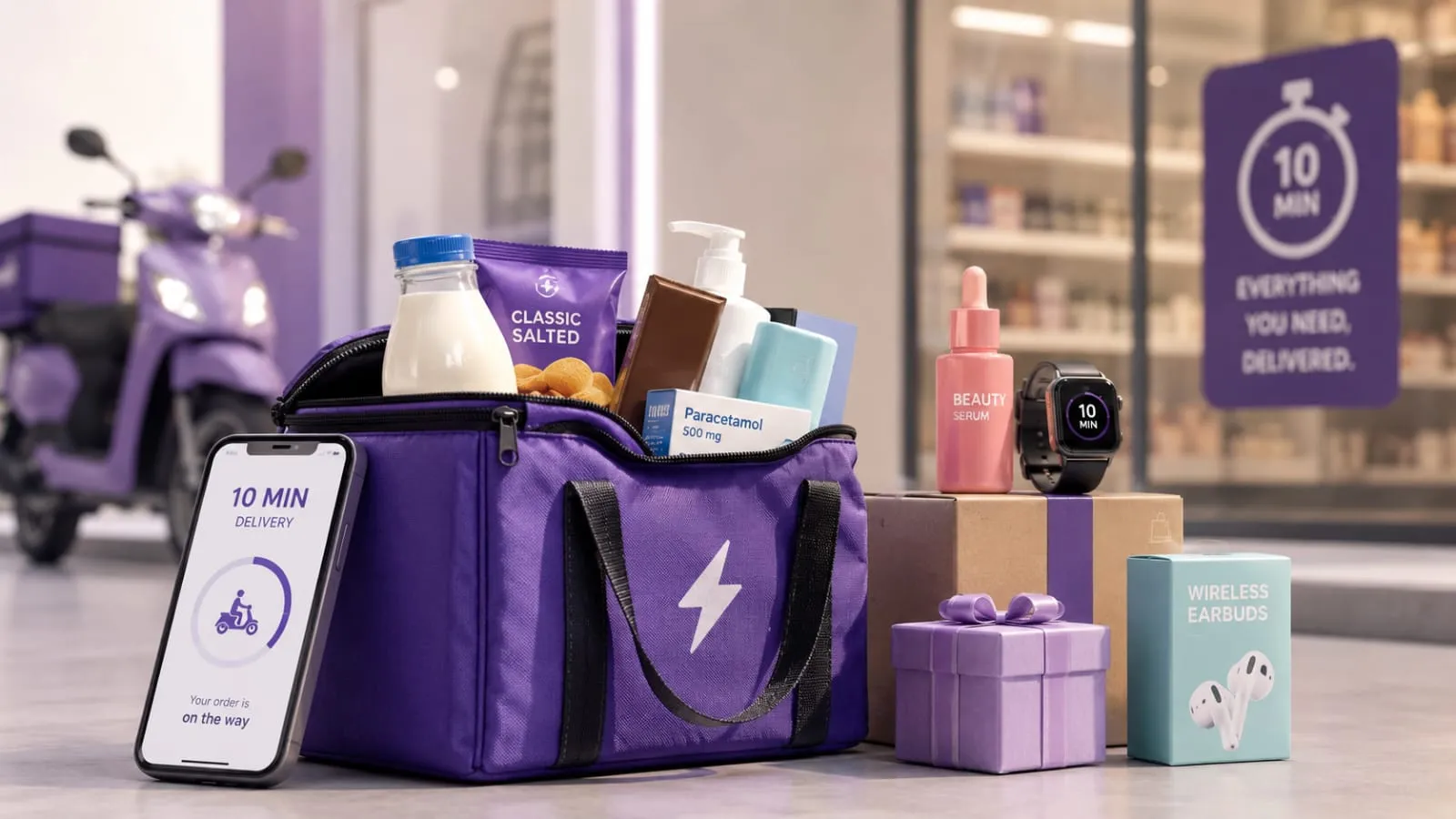
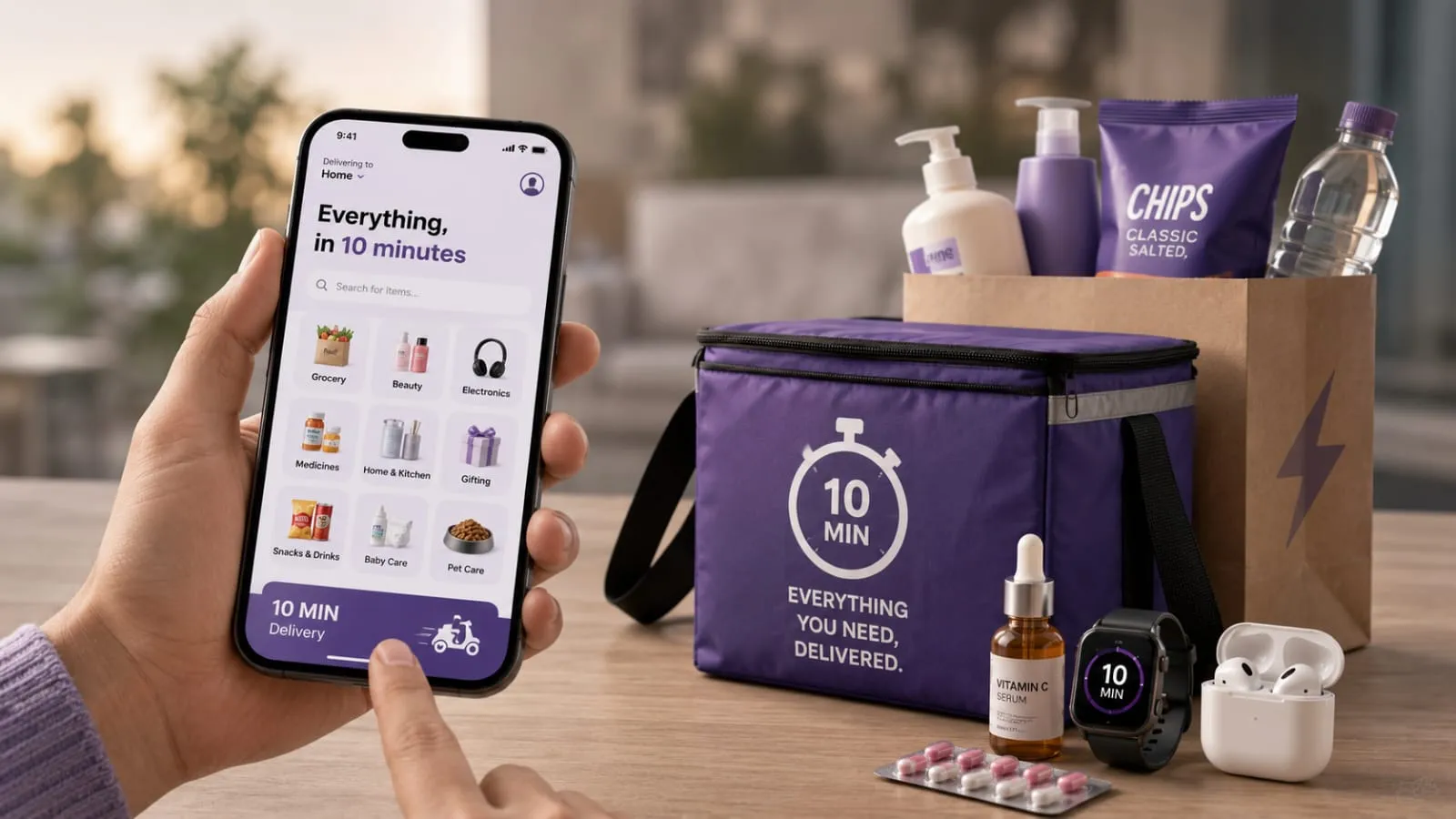
Something much larger now appears to be unfolding beneath that original proposition. Across India’s digital economy, quick-commerce platforms are beginning to move beyond grocery baskets and household essentials into categories that once felt unrelated to instant delivery ecosystems. Beauty products, electronics, medicines, gifting items, fashion accessories and even specialized lifestyle purchases are now entering these platforms because consumer expectations around convenience are changing rapidly. What originally looked like a delivery model is beginning to resemble an entirely new retail behavior.
Fresh investor activity and category expansion plans suggest the conversation around quick commerce is also changing shape. Capital entering the ecosystem no longer appears focused only on faster logistics or warehousing capabilities. Attention is gradually shifting toward businesses and platforms that understand evolving consumer habits and purchasing behavior. Investors increasingly seem interested in a larger question: if people become comfortable ordering groceries in minutes, what else might they begin expecting instantly?
Viewed independently, expansion into new product categories may initially resemble another growth strategy within e-commerce. Viewed through a broader funding lens, however, another story begins appearing beneath the headlines. Consumer industries rarely change because companies simply launch new products. They change because expectations themselves begin moving in a different direction. Once behavior changes at scale, entirely new markets frequently begin forming around those habits.
Historically, shopping followed fairly predictable rhythms. Consumers planned purchases, visited stores or waited several days for online deliveries because speed itself was rarely central to the experience. Convenience certainly mattered, but patience frequently remained built into the process. E-commerce improved accessibility and choice, yet delivery timelines still followed structures people accepted as normal for years.
Consumer behavior today appears operating under a different set of expectations. Many urban buyers now expect immediate access, lower friction and shorter decision cycles because digital ecosystems continuously reshape how people interact with services. Convenience is no longer functioning only as an added benefit. In many cases, convenience itself is becoming a purchasing trigger. That distinction matters because industries frequently evolve when customer expectations begin changing faster than business models themselves.
This broader transition creates conditions investors typically watch closely. Categories become compelling when demand starts becoming repeatable and habits begin showing consistency across larger audiences. Businesses rarely attract long-term capital only because users appear interested once. Strong investor confidence often follows patterns showing recurring engagement, behavioral shifts and emerging market opportunities capable of sustaining long-term growth.
Another reason this category feels significant involves how quick commerce itself is changing identity. These businesses are no longer simply attempting to become faster versions of online grocery platforms. Many now appear positioning themselves as infrastructure for everyday consumption itself. The focus is gradually shifting away from products and moving toward accessibility because platforms increasingly compete around being present at the exact moment consumers need something.
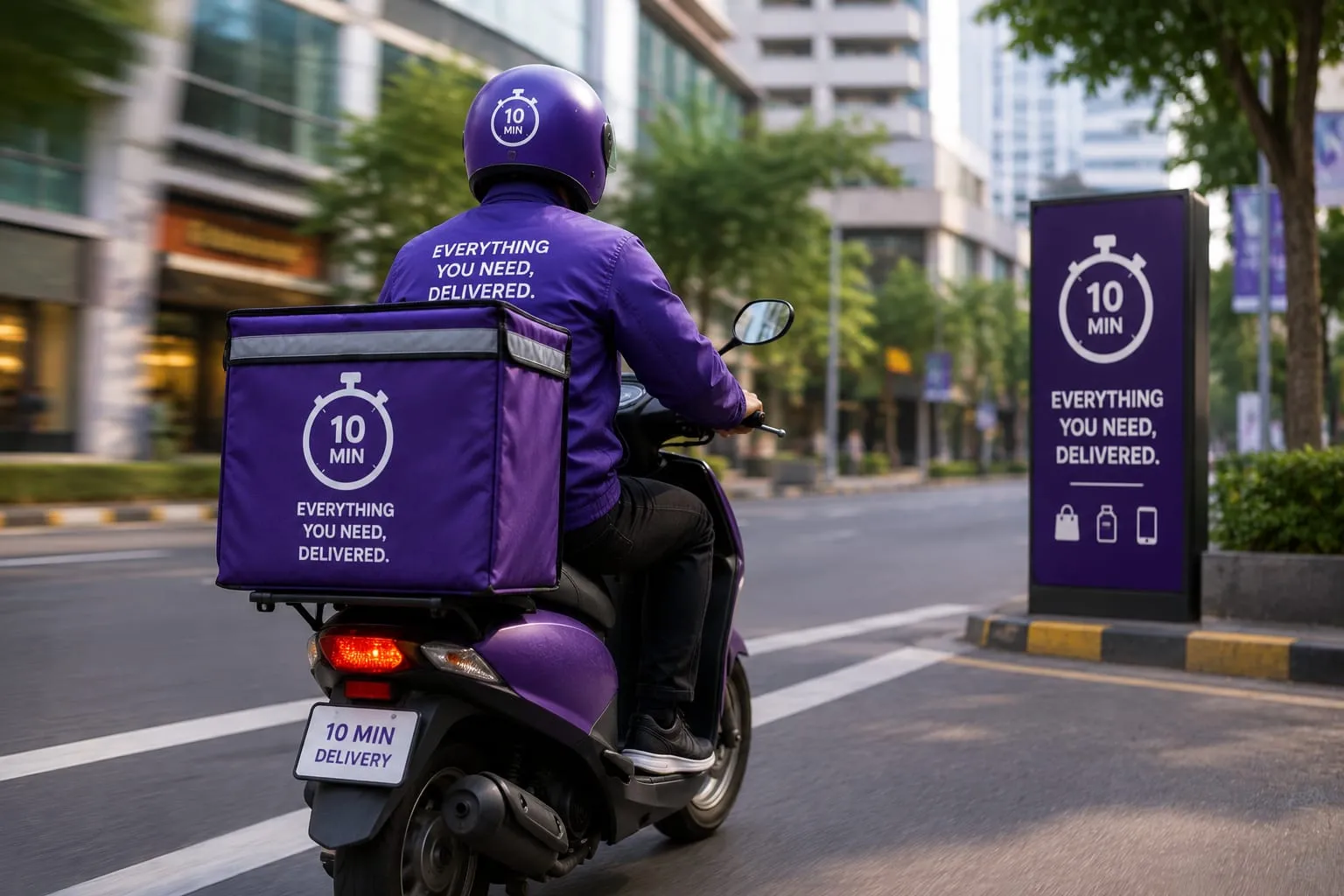
Perhaps that explains why this story feels larger than delivery timelines or category expansion announcements. Because beneath conversations involving quick commerce ultimately exists another reality involving human behavior itself. Consumers rarely return to older expectations once convenience reaches a certain threshold. Behaviors often reset and industries gradually reorganize themselves around those new standards.
The larger funding story therefore may not simply involve investors backing businesses around instant delivery ecosystems. It may involve recognizing that convenience itself is becoming one of the most investable categories in modern consumer behavior.