ImpactStories6 MIN READ

India’s Wedding Economy Is Changing Faster Than Many Families Expected

Rising costs, destination trends and changing preferences are reshaping India’s wedding economy and opening broader conversations around culture and modern lifestyles.

By Nisha Omkumar · Author25 May 2026New
India’s Wedding Economy Is Changing Faster Than Many Families Expected

What Once Followed Familiar Traditions Is Quietly Becoming A Bigger Story About Identity, Spending And Changing Social Priorities

For generations, weddings in India followed a relatively predictable rhythm. Families planned ceremonies around customs, community expectations and long-standing traditions because weddings frequently represented far more than celebrations alone. They often functioned as cultural milestones bringing together extended families, social networks and deeply rooted rituals. Spending patterns, guest lists and event structures frequently followed familiar formulas because traditions themselves shaped how celebrations evolved over time.

Something different now appears to be unfolding beneath that long-standing ecosystem. Across cities and smaller towns, changing social preferences, rising expenses and newer lifestyle choices are beginning to reshape one of India’s largest cultural industries. Destination celebrations, intimate gatherings and highly personalized experiences are becoming more visible because younger generations increasingly appear approaching weddings through different expectations. What initially looked like changing event trends is beginning to resemble a much larger shift involving culture, identity and how people define important life moments.

Viewed independently, evolving wedding preferences may initially resemble another lifestyle trend influenced by modern choices. Viewed through a broader impact lens, however, another question begins appearing beneath the headlines: what happens when one of society’s oldest traditions starts changing faster than the systems surrounding it? Because weddings frequently reveal social change long before formal statistics and reports do.

Historically, weddings often reflected continuity because celebrations frequently moved through inherited structures passed from one generation to another. Rituals, ceremonies and family expectations frequently remained stable because weddings themselves represented cultural consistency. The broader industry developed around these structures because vendors, planners and businesses frequently built services around patterns people already understood and repeated.

Many younger couples today appear approaching marriage differently. Experiences frequently seem gaining stronger importance alongside rituals because celebrations increasingly reflect personal preferences as much as family traditions. Guest lists occasionally become smaller, travel frequently becomes part of the experience and customization increasingly shapes planning decisions because weddings are gradually moving beyond standardized formats.


"Major cultural shifts often become visible first through the traditions societies value most."

This distinction matters because cultural industries rarely change only through products and services. They shift when people begin redefining the meaning attached to experiences themselves. Weddings frequently involve emotion, identity and social expectations because these events often reveal broader behavioral changes happening beneath everyday life. Spending patterns frequently become indicators of larger shifts in values and priorities.

Another important dimension beneath this discussion involves economics itself. India’s wedding industry supports a vast ecosystem involving venues, fashion businesses, travel companies, photographers, planners and hospitality sectors because celebrations frequently create economic activity across multiple categories simultaneously. Even relatively small changes in consumer preferences occasionally create ripple effects extending across entire industries and local economies.

Rising costs are also becoming part of the conversation because celebrations today frequently involve significantly larger financial considerations than earlier generations experienced. Families increasingly find themselves balancing aspiration with practicality because wedding expectations frequently continue evolving alongside broader lifestyle changes. Budget discussions, financing decisions and spending choices are increasingly becoming visible parts of planning conversations themselves.

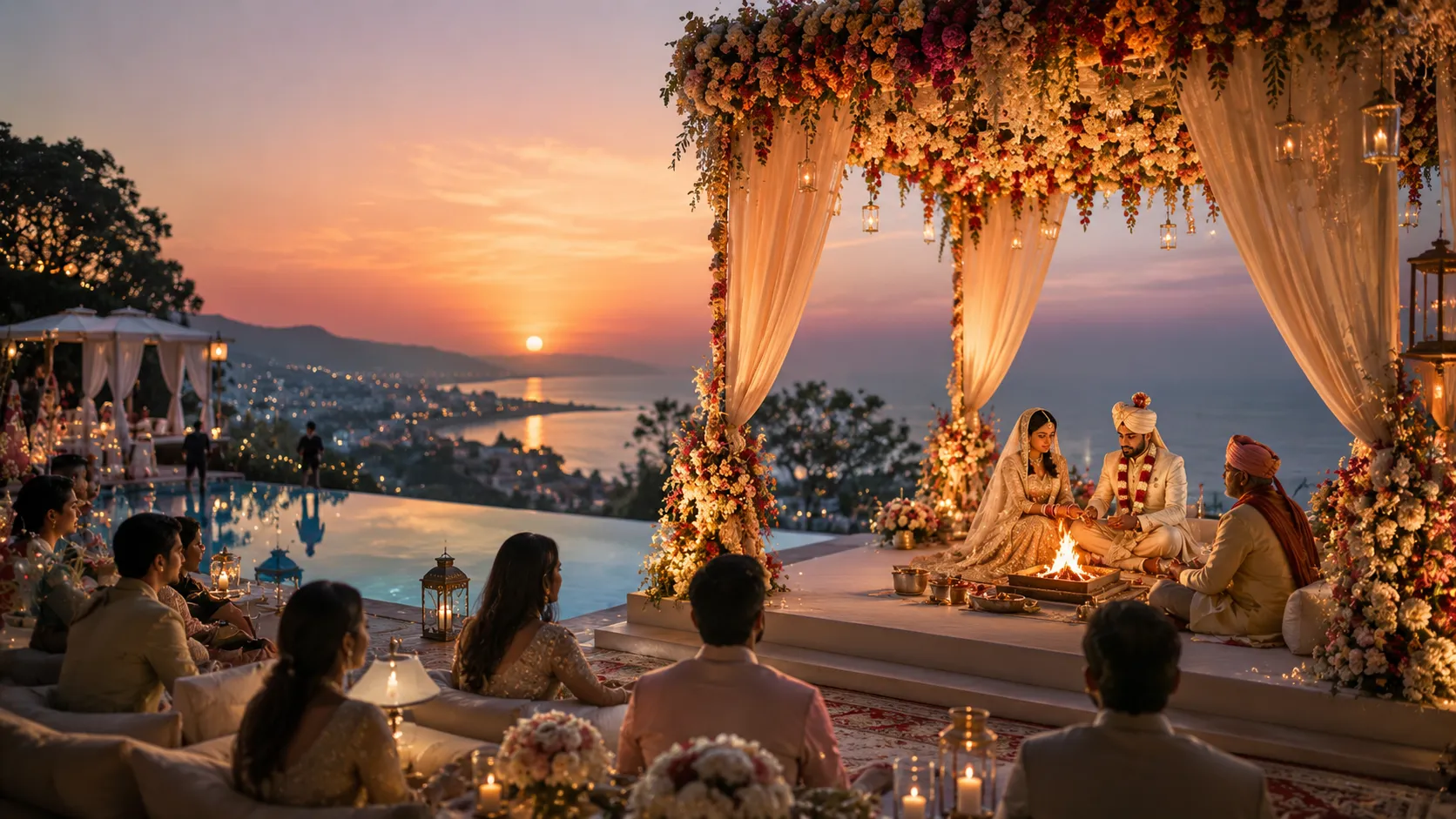
ChatGPT Image May 25, 2026, 09_42_45 PM.png

Technology is quietly shaping another layer of this transformation. Digital invitations, social-media influence and online planning platforms are changing how celebrations are organized because discovery itself now frequently begins through screens. Inspiration increasingly arrives through creators, trends and curated experiences because visual culture often shapes expectations long before events take place.

Perhaps that explains why this broader conversation increasingly feels larger than destination weddings or changing spending habits. Because beneath conversations involving celebrations ultimately exists another reality involving social change itself. Weddings have always reflected the values of the time in which they happen. The rituals may remain familiar, but the meaning attached to them frequently evolves across generations.

The larger impact story therefore may not simply involve India’s wedding economy changing direction. It may involve recognizing that one of society’s oldest institutions is quietly revealing how younger generations increasingly want to live, celebrate and define important moments.

TagsWedding IndustryIndia WeddingsSocietyLifestyleConsumer TrendsFamily CultureIndia EconomyDestination WeddingsSocial ChangeConsumer BehaviorEvents IndustryCultureModern IndiaTrendsImpact in Motion

Reader reviews

Sign in to rate and review this article.
Loading reviews…