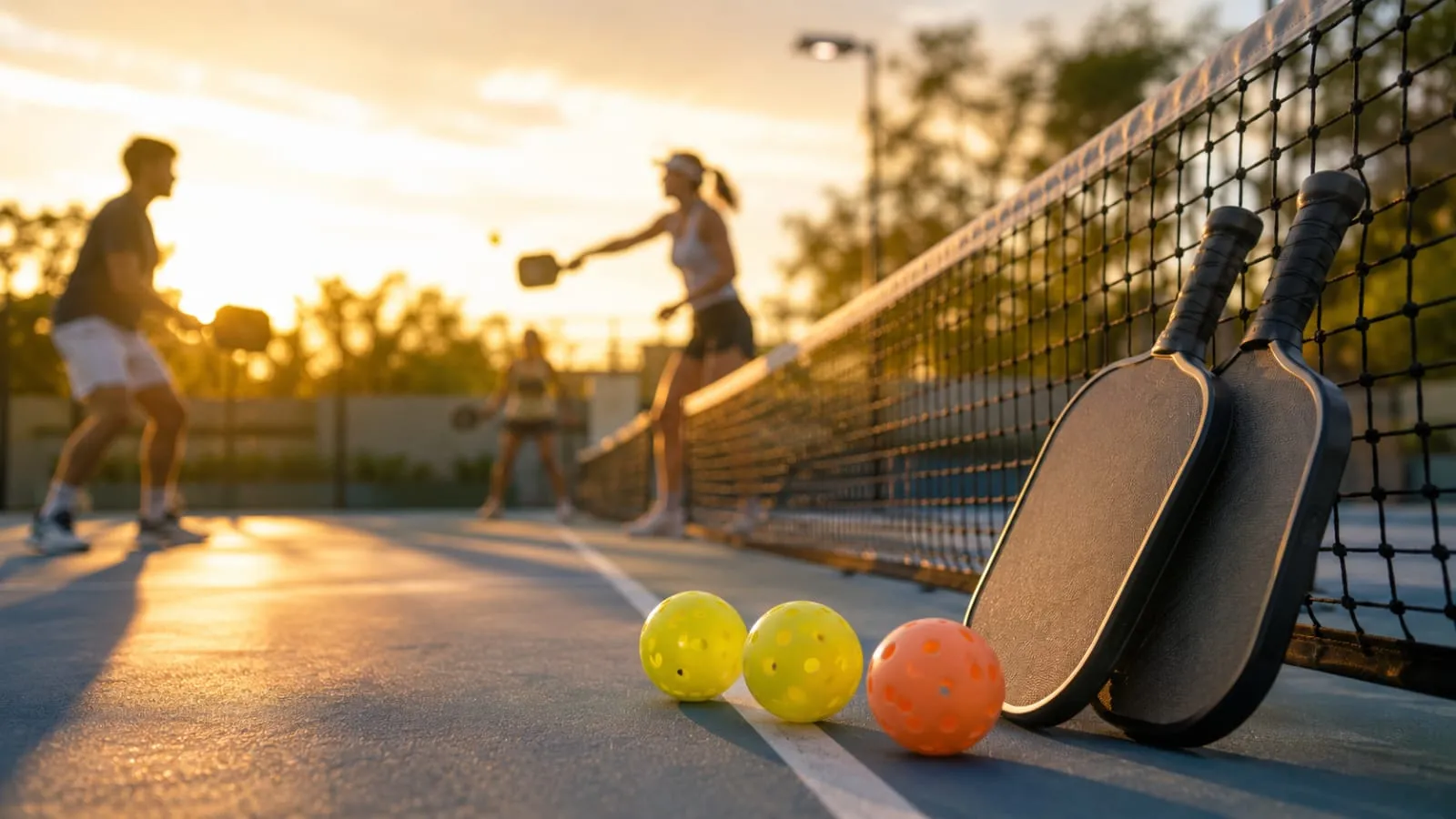
How A Sport Most People Couldn’t Even Pronounce A Few Years Ago Quietly Became The New Place To Network, Sweat And Build Businesses
Not very long ago, mentioning pickleball in India usually invited one reaction: Wait… what exactly is pickleball? The sport lived in a tiny corner of conversations because most people had either never heard of it or confused it with tennis, badminton or some oddly named imported hobby. Cricket owned attention, football had communities and badminton already carried strong cultural familiarity because India’s sporting ecosystem largely revolved around categories people understood deeply. Pickleball felt like the kind of thing people accidentally discovered on Instagram and forgot five seconds later.
Then something unexpectedly happened.
Across cities like Mumbai, Bengaluru, Hyderabad, Delhi and Pune, courts started appearing almost everywhere. Apartment communities began experimenting with it. Weekend groups formed around it. Celebrities began posting about it. Fitness creators started playing it. Startup founders somehow entered the conversation too. Suddenly, a sport many people had never heard of quietly began showing up in exactly the kinds of places where trends frequently stop being trends and start becoming behavior.
The interesting part is that India’s pickleball story is not really about sports alone.
It is becoming about culture.
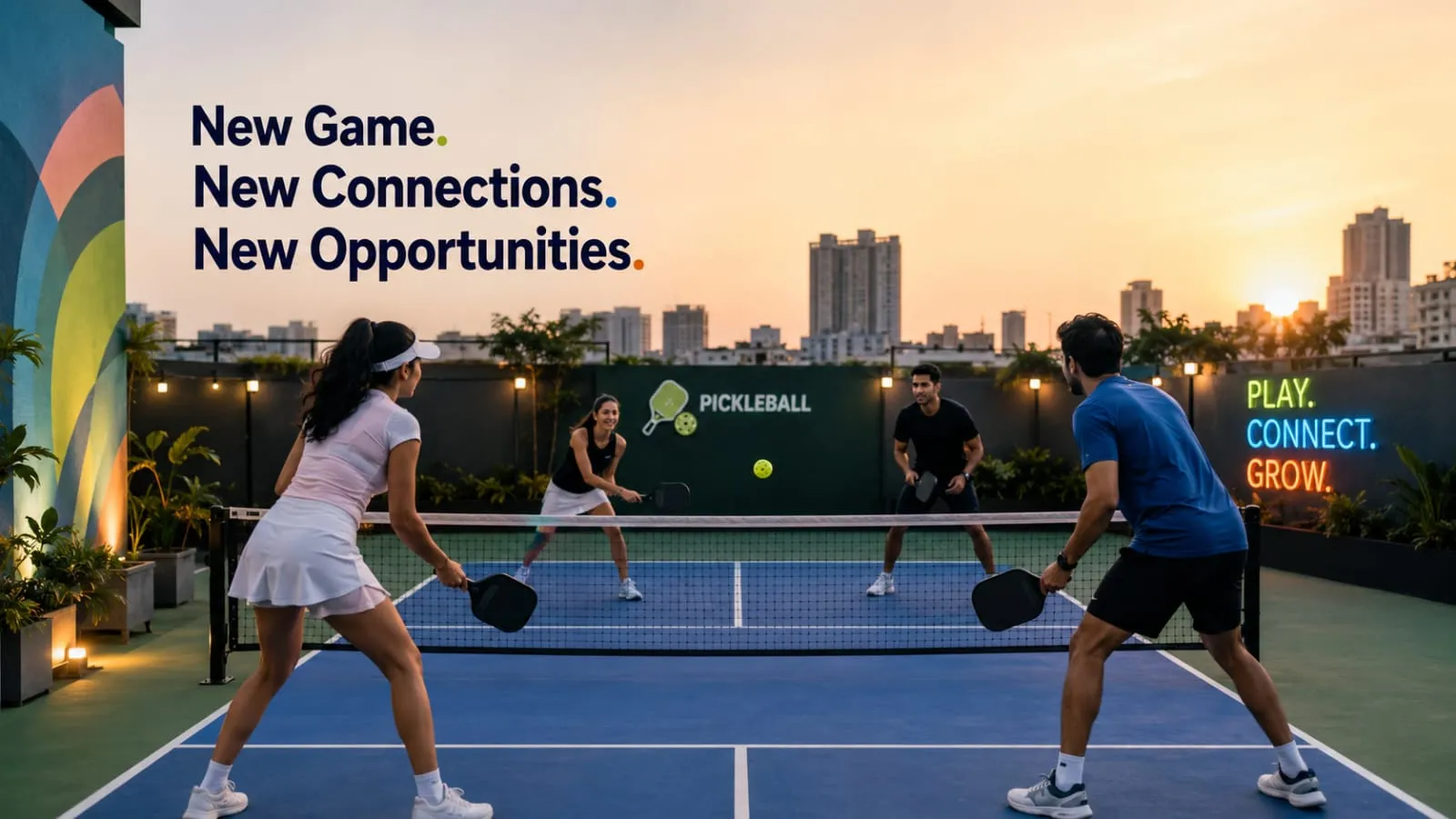
Viewed independently, a fast-growing recreational sport may initially resemble another lifestyle craze enjoying a temporary moment. Viewed through a broader impact lens, however, another question begins appearing beneath the surface: how did a sport with such a tiny presence suddenly become part of conversations involving investments, communities and consumer businesses? Because categories rarely explode simply because people discover them. They usually grow when they fit larger behavioral shifts already happening underneath.
Part of the answer may involve one thing younger urban Indians increasingly value: low-friction experiences. Pickleball sits in a strange middle ground where it feels social without becoming overly competitive and active without becoming exhausting. Unlike sports requiring years of training or serious fitness levels, many people can start playing within minutes because the rules remain relatively simple. People often joke that pickleball feels like a sport designed for people who want movement without emotional damage.
That accessibility matters more than people initially realize.
Because modern lifestyles increasingly reward participation.
Not expertise.
Not perfection.
Participation.
The second reason behind pickleball’s rise may sound even more unexpected: networking. Across urban startup and creator circles, sports increasingly function as social infrastructure because people are looking for alternatives to formal meetings and traditional social environments. Earlier generations built relationships over offices and clubs. Younger professionals increasingly seem building communities through fitness classes, running groups and recreational activities. Pickleball quietly slipped into that space because the game naturally creates interaction without feeling forced.
Some courts now resemble startup cafés wearing sports shoes.
Founders meet founders.
Creators meet creators.
Investors meet operators.
Somewhere between serves and scorekeeping, communities begin forming.
And communities frequently become businesses.
That transition explains why investors have started paying attention too. Pickleball no longer revolves only around people playing games because businesses are now emerging around courts, memberships, equipment, coaching ecosystems and organized leagues. Once industries begin creating infrastructure, capital rarely stays far away because investors frequently recognize that behavior can eventually become an economy.
Another reason the category feels very Gen Z involves identity itself. Earlier fitness cultures often revolved around intensity because gyms and routines frequently celebrated discipline, transformation and performance. Younger audiences increasingly appear building lifestyles around experiences that feel enjoyable enough to repeat. Health increasingly overlaps with entertainment because many people no longer separate fitness from social life. Pickleball fits that shift unusually well because it feels closer to hanging out than completing a workout.
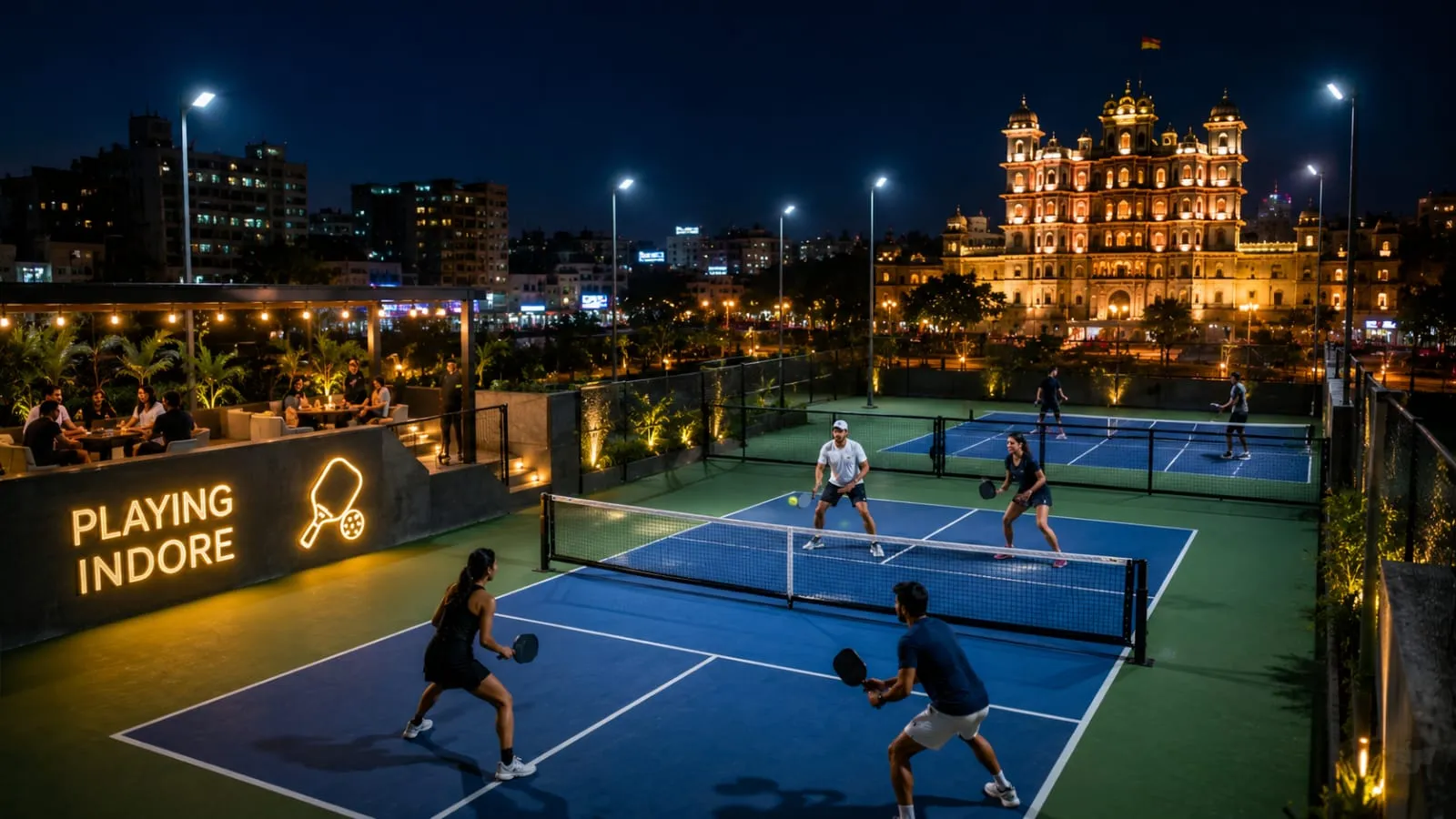
Social media quietly accelerated everything further. A visually satisfying sport with colorful courts, quick rallies and low entry barriers naturally fits internet behavior because modern discovery frequently happens through feeds before real life. Many trends now become visible online long before they become visible offline. Pickleball increasingly appears following exactly that pattern because visibility frequently creates curiosity and curiosity occasionally creates entire categories.
Of course, not every fast-growing category automatically becomes sustainable. India has witnessed many urban lifestyle trends enjoy explosive popularity before gradually slowing down because novelty frequently creates temporary momentum. The larger question now involves whether pickleball remains a moment or evolves into long-term infrastructure. Because there is a difference between a trending activity and a category capable of creating businesses around itself.
Perhaps that explains why this story feels larger than a sport suddenly becoming popular. Because beneath conversations involving paddles and courts ultimately exists another reality involving how younger Indians increasingly spend time, build communities and define lifestyle itself.
The larger impact story therefore may not simply involve pickleball becoming popular.
It may involve recognizing that sometimes new economies quietly begin where people simply show up to have fun.