Results (950 found)

The Enzyme That Eats Plastic for Breakfast: How a Single Mutation Just Accelerated the End of Pollution
TechMay 26, 2026

The Enzyme That Eats Plastic for Breakfast: How a Single Mutation Just Accelerated the End of Pollution

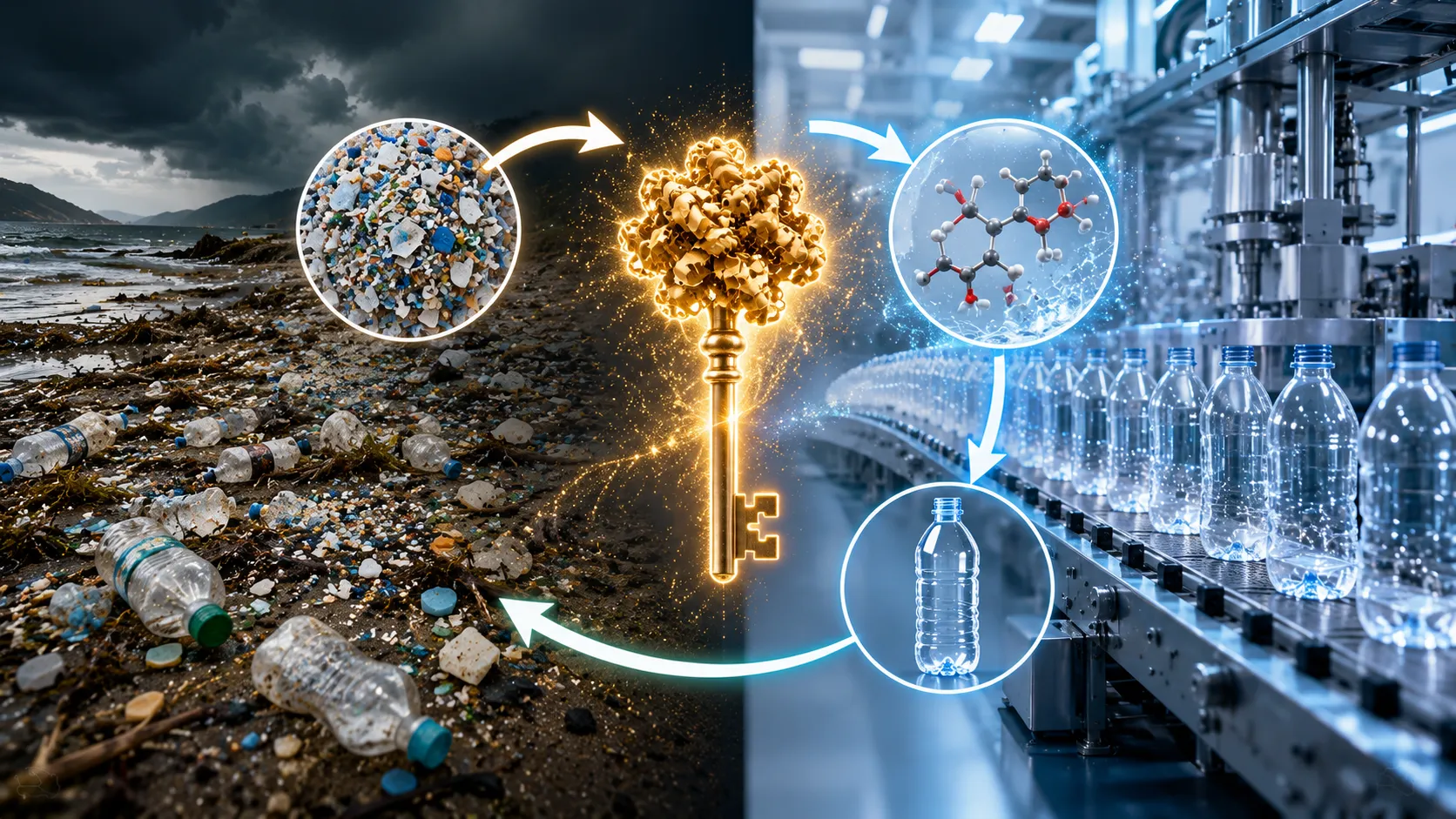
The pile of plastic bottles sits in a stainless‑steel vat at the University of Texas at Austin. They are ordinary soda bottles—clear PET, the most common plastic on Earth. A few hours ago, they were intact. Now they are a murky brown slurry, dissolving into their chemical building blocks at a rate that would have seemed like magic a decade ago. The agent of this transformation is a protein engineered by human hands, a variant of an enzyme first discovered in a Japanese recycling plant in 2016. That original enzyme, called PETase, could break down a thin film of PET over the course of several weeks. The new one, dubbed FAST‑PETase (Functional, Active, Stable, and Tolerant PETase), works a thousand times faster. In the vat, it is digesting a kilogram of plastic bottle flakes every ninety minutes.


The Clock That Never Loses a Second: How Quantum Timekeeping Is Breaking GPS's Monopoly on Navigation
TechMay 26, 2026

The Clock That Never Loses a Second: How Quantum Timekeeping Is Breaking GPS's Monopoly on Navigation

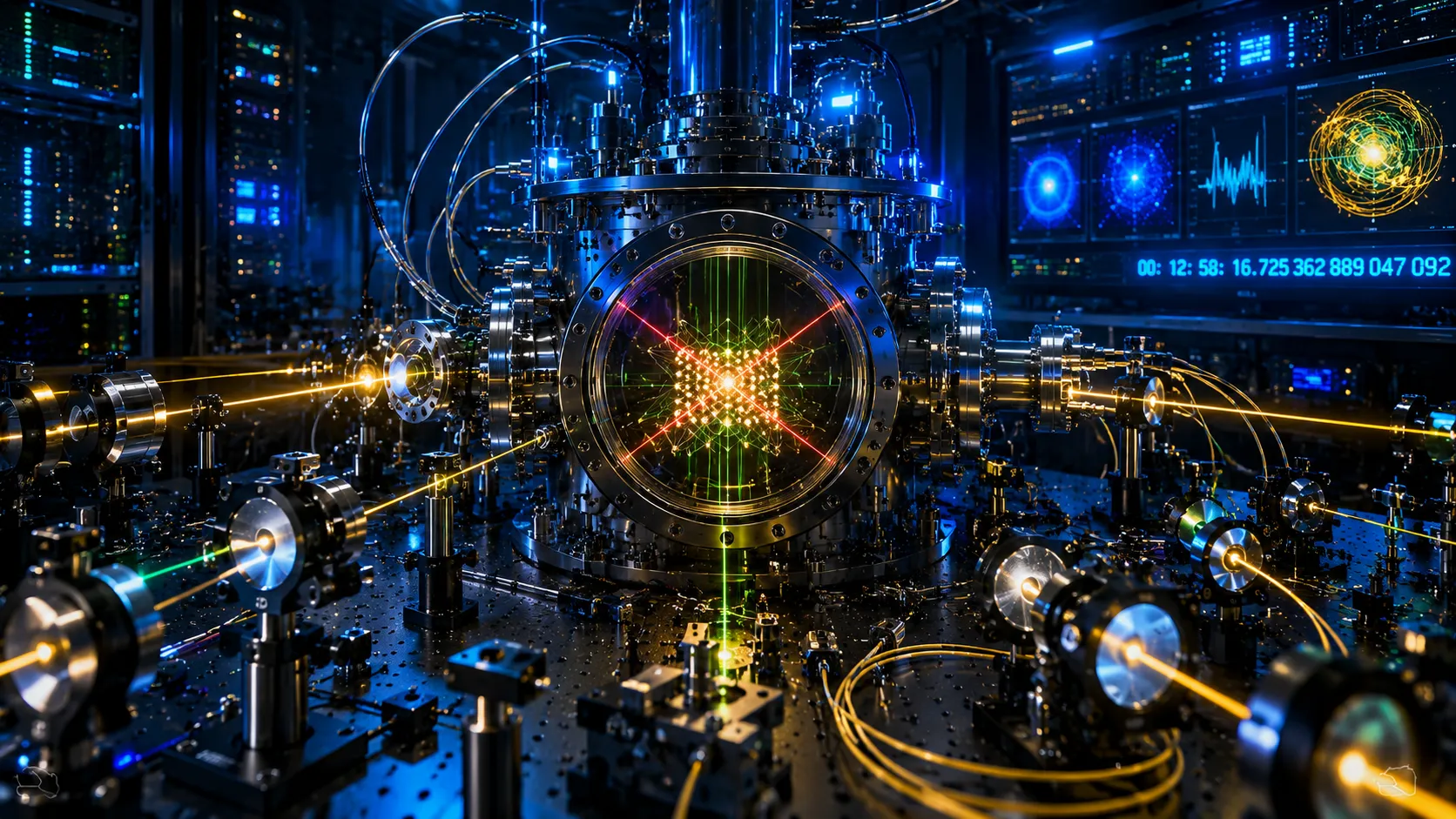
The clock lives in a room that does not exist on any public blueprint. It is housed in a windowless laboratory deep inside the National Institute of Standards and Technology, behind three layers of electromagnetic shielding and a steel door that weighs two tons. The room is kept at a temperature variation of less than one millionth of a degree Celsius. The floor is isolated from seismic vibrations by pneumatic legs that adjust themselves forty times per second. Inside, suspended in an ultra‑high vacuum chamber and chilled by lasers to a few billionths of a degree above absolute zero, a cloud of strontium atoms ticks back and forth between two quantum states at a rate of 430 trillion times per second. This is the optical lattice atomic clock, and it is the most precise measuring device ever built.

The Ocean's Lungs Are Changing: How Underwater Forests Are Being Rebuilt by Robot Hands and Ancient Seeds
TechMay 26, 2026

The Ocean's Lungs Are Changing: How Underwater Forests Are Being Rebuilt by Robot Hands and Ancient Seeds

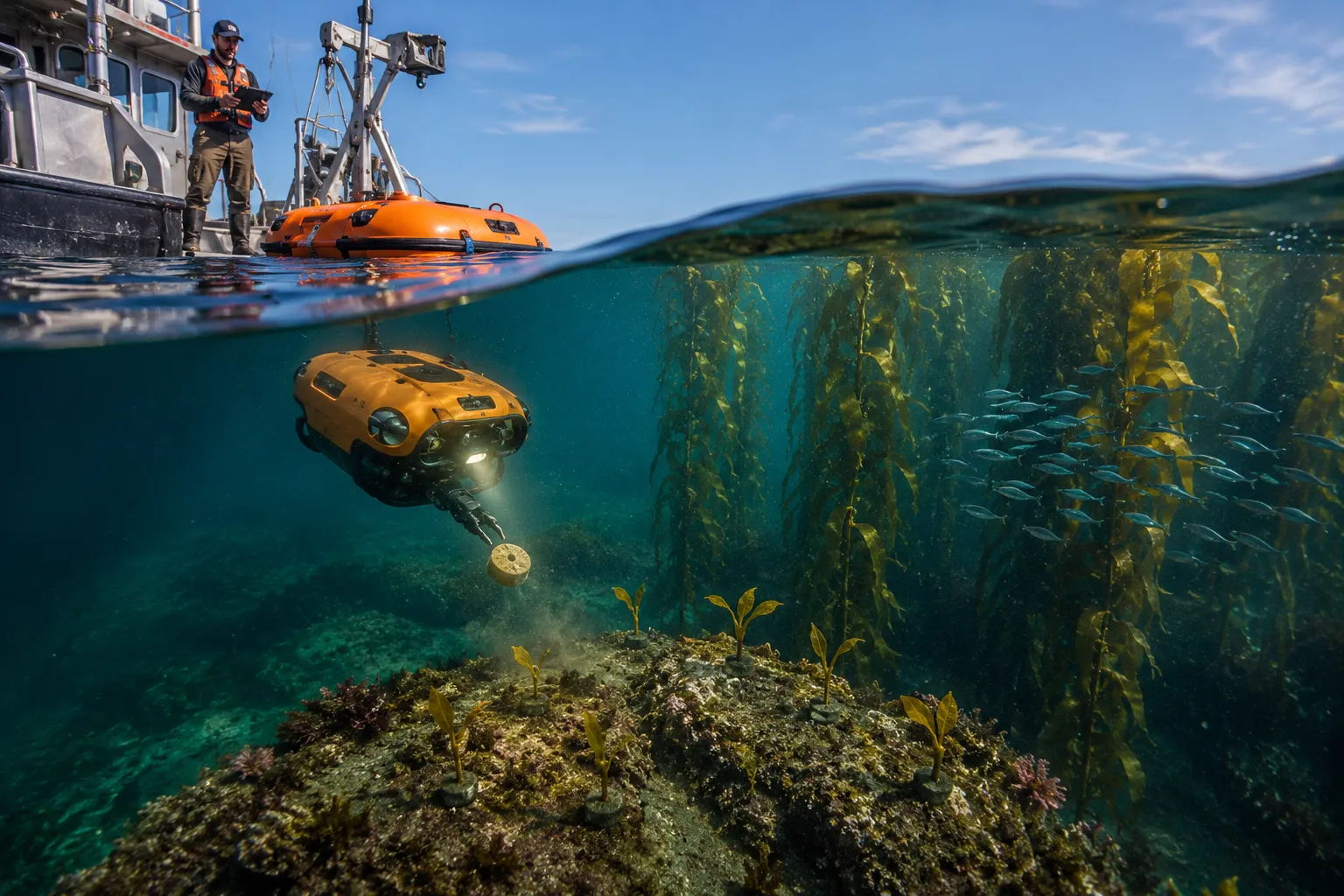
The robot dives without hesitation. It is shaped like a torpedo, painted bright orange, and guided by a single onboard camera and a set of inertial sensors. Thirty feet below the surface, in water so cold it aches, the robot reaches its target: a bare rock outcrop on a seafloor that was once a dense, swaying forest of sugar kelp. From a storage bay, the robot releases a small biodegradable disk. The disk contains a young kelp sporophyte, no larger than a grain of rice, attached to a short length of twine. The robot presses the disk against the rock, fires a single biodegradable nail, and moves to the next coordinate. In six hours, it will plant 10,000 of these disks. In three months, if all goes well, the rocks will be covered in golden-brown fronds, and the fish will begin to return.

The Mycelium Underground: How Fungal Networks Are Becoming the World's Smartest Infrastructure
TechMay 26, 2026

The Mycelium Underground: How Fungal Networks Are Becoming the World's Smartest Infrastructure

The largest living organism on Earth is not a blue whale. It is not a sequoia tree. It is a fungus. In the Blue Mountains of Oregon, a single individual of Armillaria ostoyae covers nearly four square miles and weighs an estimated 35,000 tons. It has been growing for at least 2,400 years. You would never know it is there, because almost all of it is underground—a vast, interconnected web of thread-like hyphae that collectively form what scientists call the mycelium

The Living Battery: How Scientists Are Turning Bacteria into Power Plants for Your Devices
TechMay 26, 2026

The Living Battery: How Scientists Are Turning Bacteria into Power Plants for Your Devices

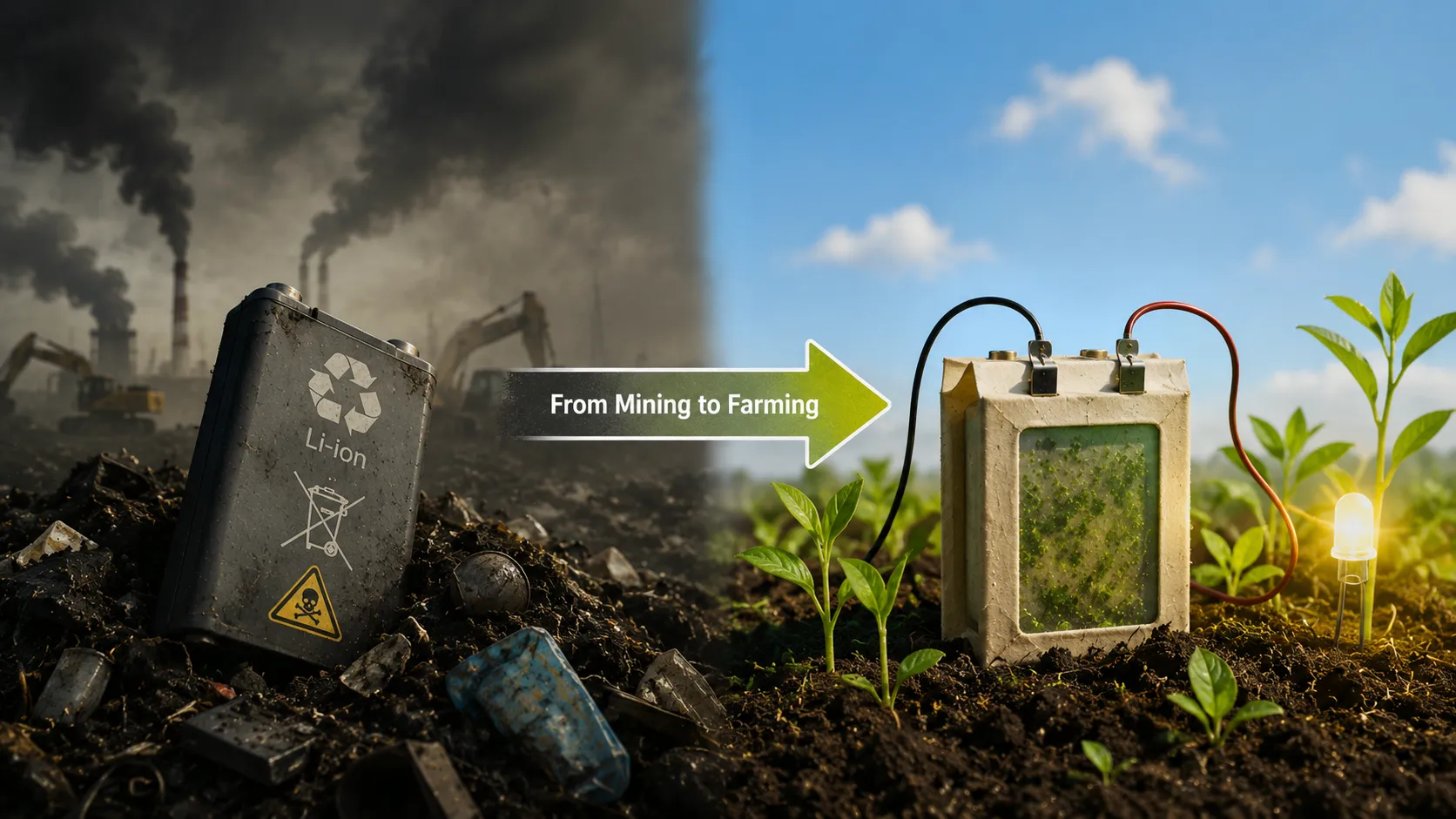
The battery is alive. You cannot see it with the naked eye—its power source is a single drop of water containing billions of Shewanella oneidensis, a bacterium that breathes metal the way humans breathe oxygen. The battery sits on a laboratory bench, connected by thin copper wires to a small LED. The LED glows a steady, faint green. It has been glowing for three months, powered entirely by the metabolic waste of microbes that cost less than a dollar to grow. When the light finally dims, the researchers will add a few drops of wastewater—the bacterial equivalent of a sugar rush—and the LED will brighten again.

The Silent Network: How Underground Mesh Radio Is Becoming America's Backup Internet
TechMay 26, 2026

The Silent Network: How Underground Mesh Radio Is Becoming America's Backup Internet

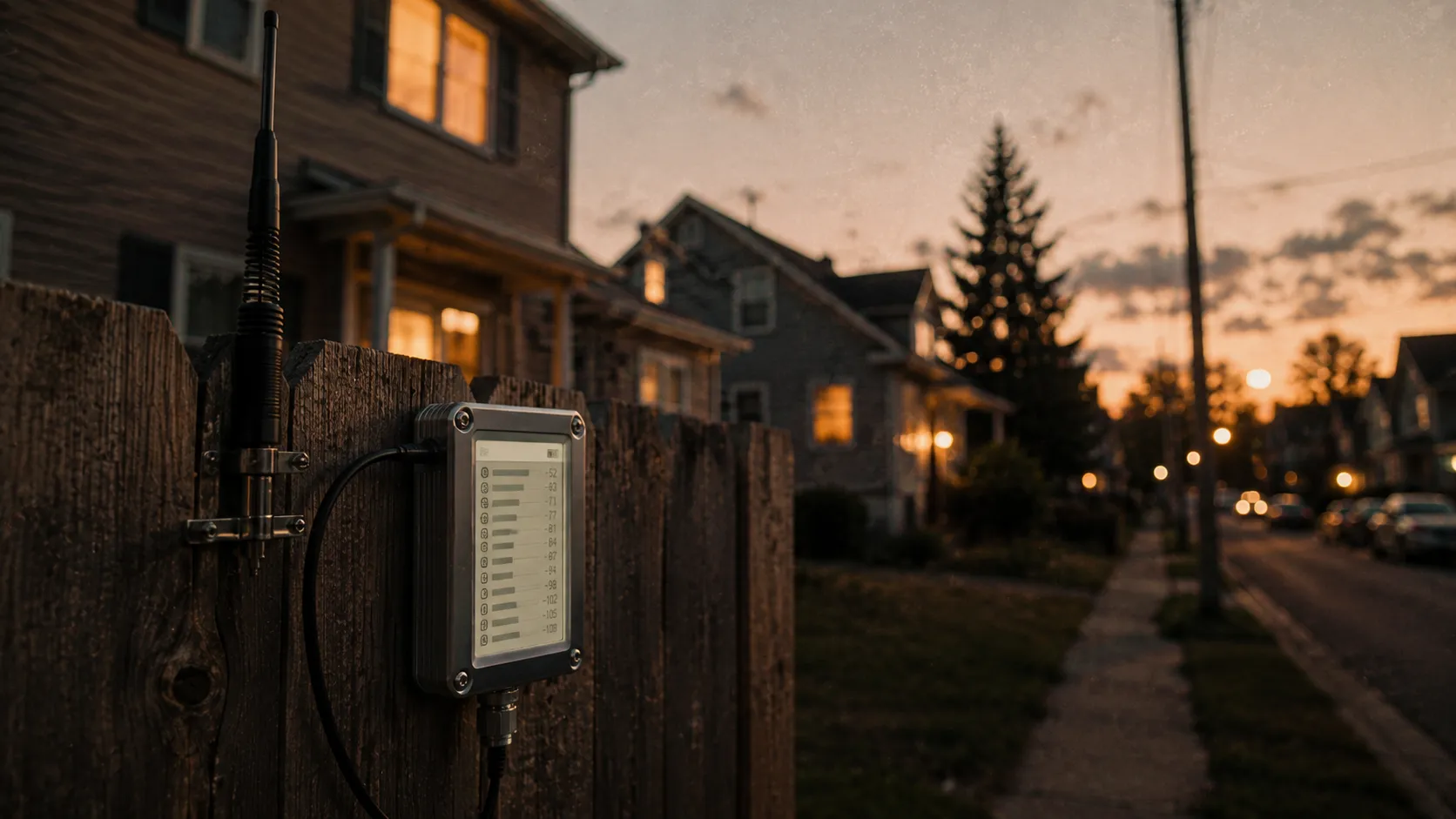
The first thing you notice is the antenna. It is not the sleek, white plastic of a Starlink dish or the black mast of a cellular repeater. It is a collapsible, military‑surplus whip antenna, clamped to a balcony railing with a hardware‑store bracket, connected by a thick coax cable to a small metal box no larger than a paperback novel. The box contains a LoRa radio chip—a low‑power, long‑range transceiver originally designed for agricultural sensors and smart meters—running custom firmware. The screen shows a list of nodes: KF7XYZ (range 4.2 miles), WA6ABC (range 7.8 miles), N8DEF (range 11.3 miles). No internet. No cellular. No central server. Just a mesh of neighbors, passing text messages and small files from one antenna to another, hop by hop, until they reach their destination.

Load More Results