
What Once Revolved Around Food Bowls And Vet Visits Is Quietly Becoming A Bigger Story About Lifestyle, Identity And Consumer Spending
Not very long ago, pet ownership in India followed a fairly simple rhythm. Families adopted dogs and cats, bought basic supplies and approached pet care through necessity because the category itself largely revolved around food, vaccinations and routine health needs. Pet stores frequently stocked essentials rather than experiences because spending behavior often remained functional. For many households, pets were deeply loved companions, but the surrounding ecosystem still operated through relatively traditional expectations.
Something very different appears to be unfolding now.
Across India’s cities, a new category of spending is quietly taking shape because pet ownership itself is beginning to look dramatically different from earlier generations. Premium grooming services, specialized nutrition products, pet cafés, birthday celebrations, luxury boarding spaces and customized accessories are becoming more visible because people increasingly appear changing how they define care itself. What initially looked like higher spending around pets is gradually becoming a much larger shift involving lifestyle and emotional behavior.
Viewed independently, premium pet products may initially resemble another consumer trend shaped by urban spending habits. Viewed through a broader impact lens, however, another question begins emerging beneath the surface: what happens when pets gradually move from being companions inside homes to becoming central parts of family identity? Because categories rarely transform through products alone. They usually evolve when emotional relationships themselves begin changing.
Historically, many households approached pets through caregiving structures built around utility and routine because spending frequently focused on immediate needs. Pet ownership certainly carried affection, but broader commercial ecosystems remained limited because markets often developed around practical requirements. The category itself frequently occupied a relatively small position inside consumer conversations because specialized products and services remained niche.
Younger urban households increasingly appear building a different relationship altogether. Many people now delay marriage, live independently or move across cities because lifestyles themselves have changed significantly over the last decade. Pets frequently become emotional anchors inside highly mobile and digitally connected lives because companionship itself increasingly carries different meaning. This shift matters because emotional priorities frequently reshape consumer behavior faster than industries expect.
Another important layer beneath this transition involves changing ideas surrounding family itself. Traditional household structures often followed predictable patterns because multiple generations frequently lived together and caregiving responsibilities remained shared. Urban life now frequently operates differently because professionals increasingly live independently and social environments occasionally become more fragmented. For many people, pets increasingly occupy spaces that earlier social structures naturally filled.
This distinction matters because consumer industries frequently expand once identity enters spending behavior. Earlier purchases around pets often involved products people needed. Today many purchases increasingly involve products people want because emotional connection itself frequently influences decisions. Businesses rarely ignore categories where behavior begins shifting from necessity toward personalization and experience.
That transition explains why investors and brands are paying closer attention. India’s pet economy now includes premium food startups, specialized healthcare brands, insurance products, technology platforms and lifestyle-focused services because entrepreneurs increasingly recognize larger opportunities forming beneath everyday consumption. Once industries begin creating ecosystems rather than products, markets frequently become more interesting.
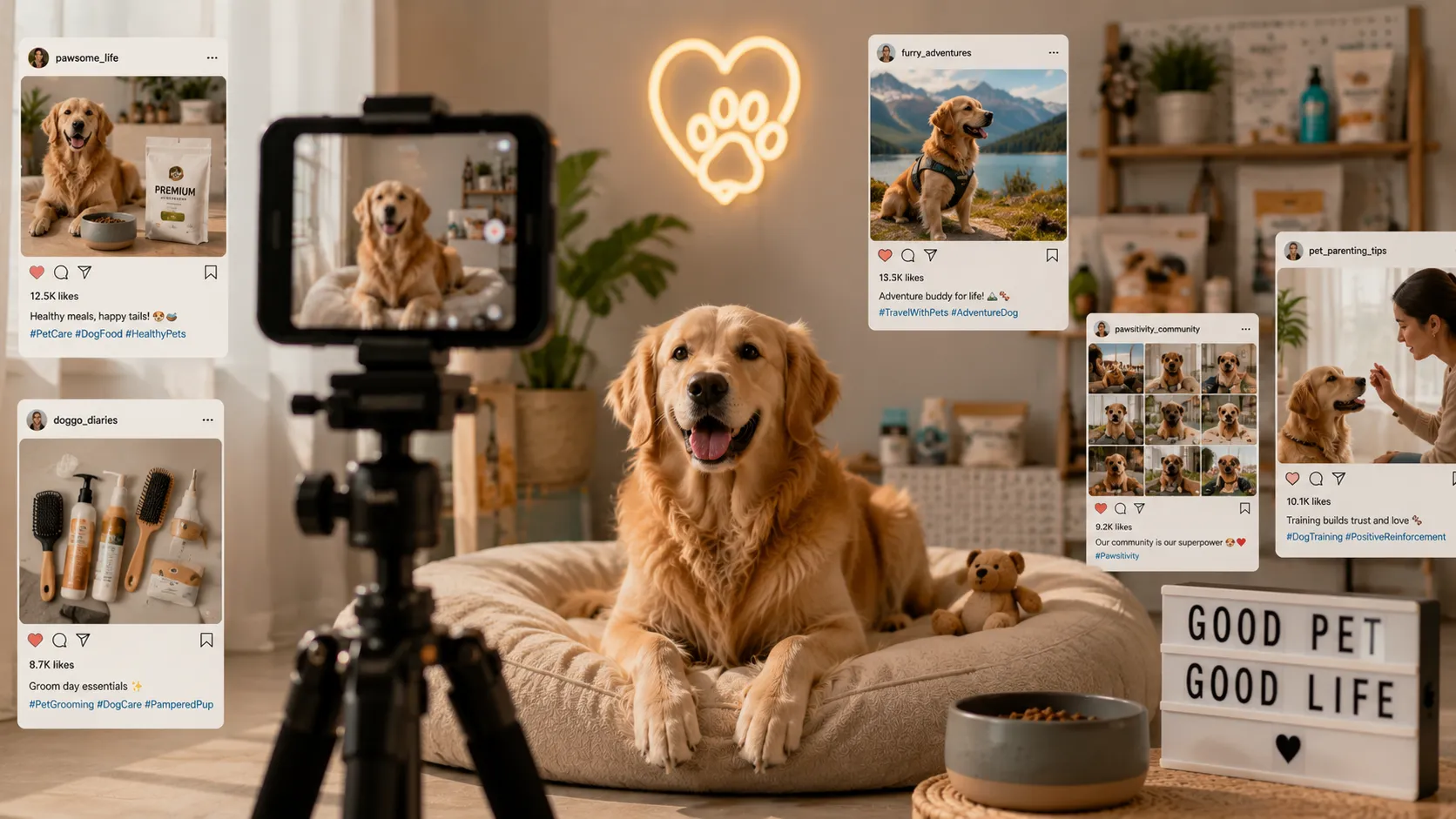
Social media has quietly accelerated another dimension of this story. Pet creators, dedicated pages and online communities increasingly shape discovery because internet culture frequently turns everyday behavior into visible lifestyle categories. Many people today encounter products, services and trends through digital communities before physical experiences because visibility itself now influences spending patterns.
There is also a broader cultural transition quietly operating beneath these changes. Earlier generations frequently viewed spending heavily on pets as unusual because categories involving luxury and personalization often remained connected to people rather than animals. Younger consumers increasingly appear approaching care differently because experiences, wellbeing and emotional value frequently shape purchasing choices alongside practicality.
Perhaps that explains why this conversation feels larger than pet food brands or grooming services. Because beneath discussions involving premium products ultimately exists another reality involving changing lifestyles themselves. Consumer industries frequently transform once people stop spending around obligation and begin spending around emotional priorities.
The larger impact story therefore may not simply involve India’s premium pet economy growing rapidly. It may involve recognizing that one of the country’s fastest-moving lifestyle categories is being built around companionship itself.