Why Millennials And Gen Z Are Spending Like Adults But Shopping Like Their Childhood Never Left
Not very long ago, toys, collectibles and hobby products occupied a very clear category inside consumer markets. They were designed for children, purchased by parents and marketed around birthdays, school holidays and festive seasons because the ecosystem itself largely followed age-based expectations. Board games sat inside toy stores, cartoon merchandise belonged to younger audiences and collectibles often remained niche interests attached to specific fan communities. Once people entered adulthood, conventional thinking suggested they naturally moved on.
Something very different appears to be happening now.
Across global consumer markets, one of the fastest-growing spending groups no longer consists of children at all. It increasingly involves adults—particularly Millennials and Gen Z—who are spending heavily on anime merchandise, premium collectibles, hobby board games, gaming memorabilia, retro products and nostalgia-driven categories. What initially looked like internet fandom or niche enthusiasm is quietly becoming a much larger business story because consumers are increasingly buying products connected to emotion, comfort and identity rather than utility alone.
Viewed independently, adults purchasing collectibles may initially resemble another lifestyle trend shaped by internet culture. Viewed through a broader impact lens, however, another question begins surfacing beneath the headlines: what happens when nostalgia itself becomes an economy? Because categories rarely expand only because products become popular. They often accelerate when emotions themselves start influencing purchasing behavior at scale.
Historically, adulthood frequently followed fairly rigid cultural expectations because maturity itself often carried visible markers. Career progression, financial planning and family responsibilities frequently shaped identity because leisure categories often became secondary priorities. Interests associated with childhood occasionally appeared temporary because social norms frequently encouraged people to outgrow hobbies as responsibilities increased.
That expectation increasingly appears shifting.
Younger generations today seem approaching adulthood through a different lens because success itself increasingly includes enjoyment, identity and personal expression alongside responsibility. Hobbies no longer appear separate from lifestyle because people increasingly treat interests as extensions of personality itself. Anime collections, trading cards and premium board games now frequently function as forms of self-expression rather than occasional purchases.
The internet quietly changed another important piece of the equation. Earlier generations frequently experienced nostalgia privately because communities around niche interests remained difficult to find. Today, fandom itself operates through global ecosystems because platforms allow individuals with highly specific interests to discover one another instantly. A collector in Chennai can interact with communities in Tokyo, New York or Seoul because identity increasingly operates through digital belonging rather than physical geography.
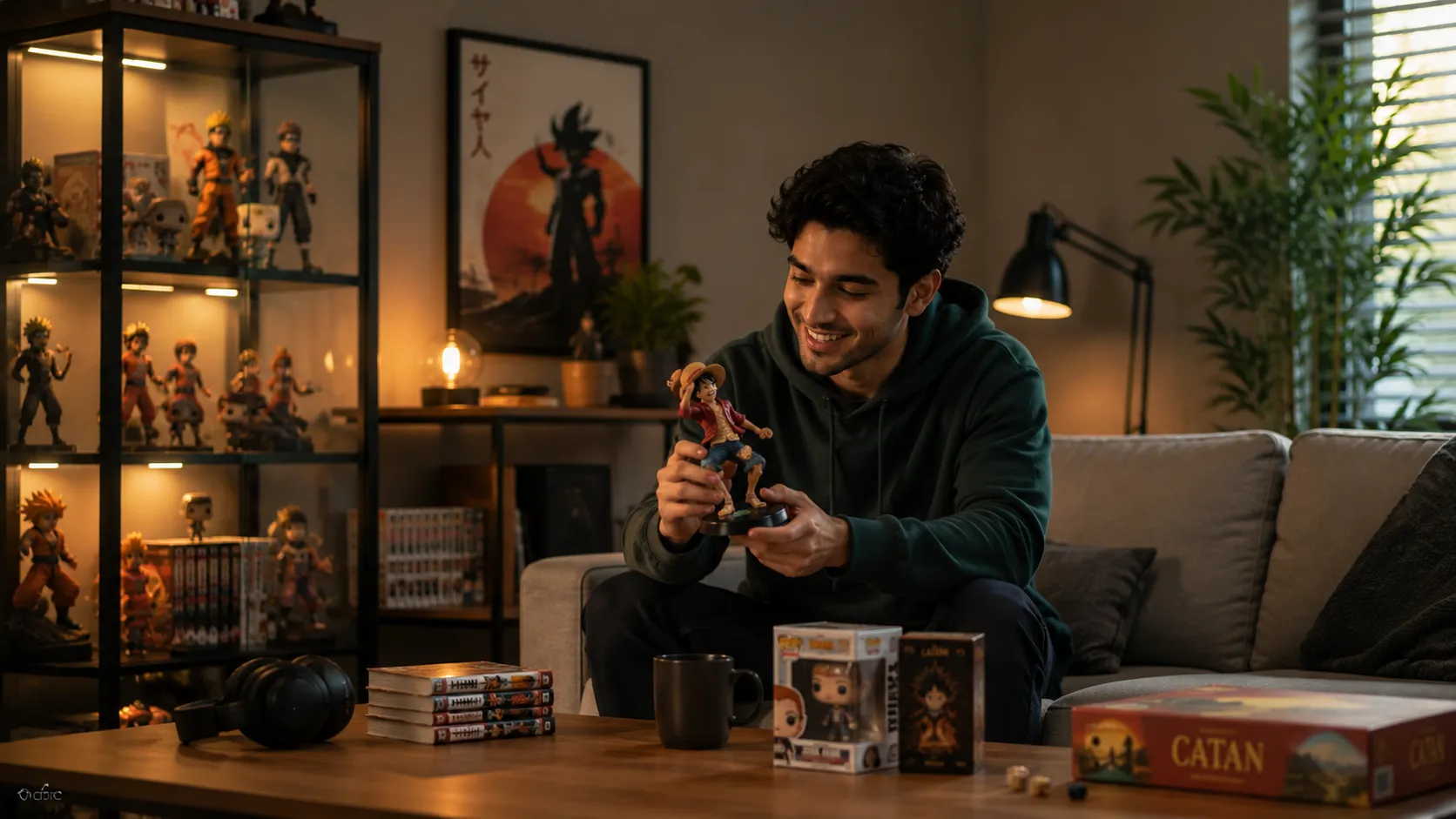
That shift matters because communities frequently create spending behavior. People rarely purchase only products. They frequently purchase participation. Shared enthusiasm creates visibility, visibility creates demand and demand frequently builds entire industries around itself. Categories once viewed as niche occasionally become significant markets once communities begin scaling beyond isolated groups.
Another important force behind this trend involves emotional exhaustion itself. Younger consumers entered adulthood during years shaped by economic uncertainty, constant digital stimulation and rapidly changing social expectations because everyday life itself often feels intensely accelerated. Many consumers increasingly appear searching for experiences that feel comforting, familiar and emotionally lighter because nostalgia occasionally provides stability in environments constantly demanding adaptation.
That explains why childhood-linked categories now feel different from earlier eras. Board games increasingly become social experiences rather than products. Collectibles increasingly function as identity markers rather than objects. Merchandise increasingly becomes tied to memory and emotional connection because consumption itself frequently extends beyond ownership alone.
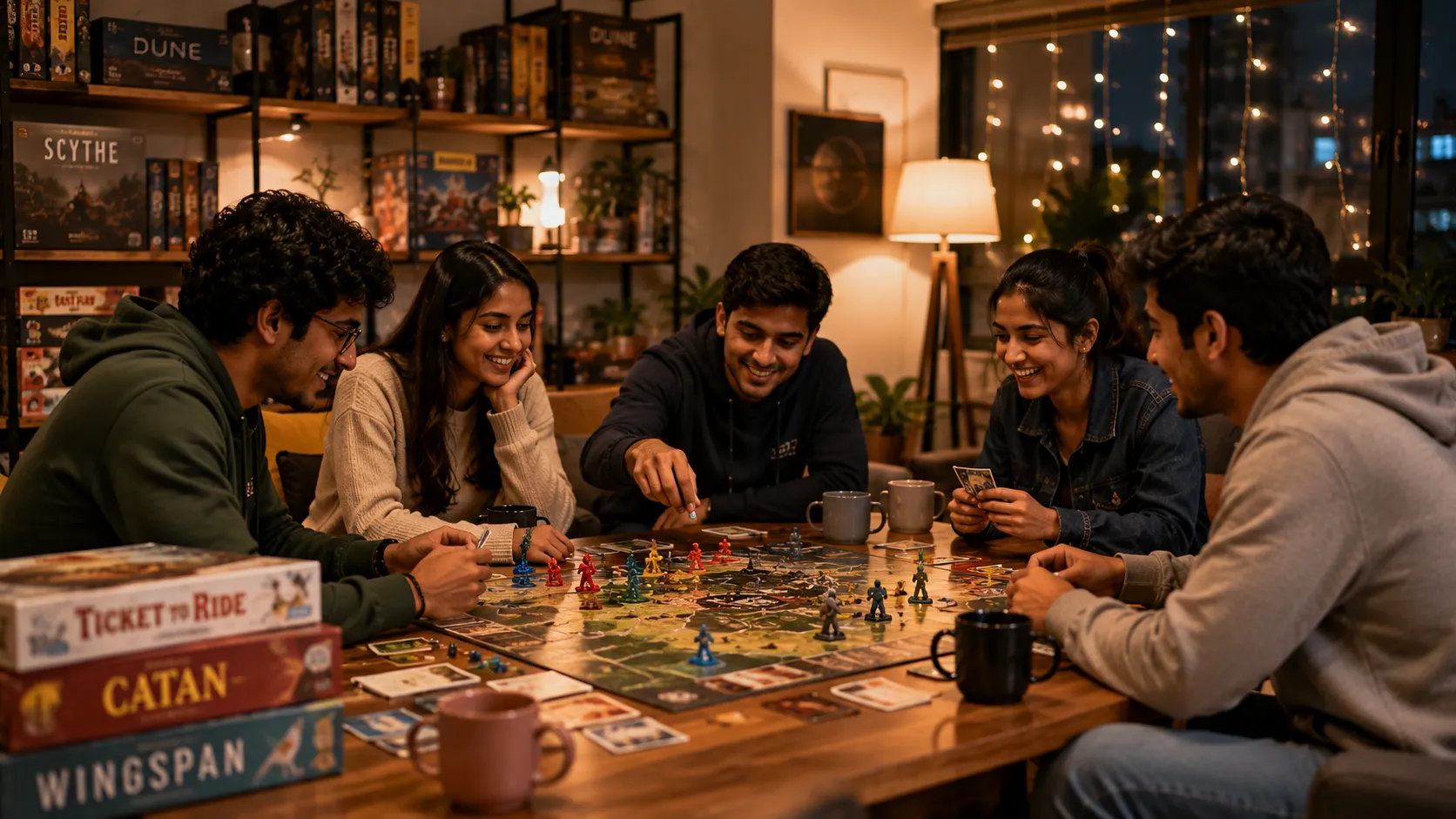
Businesses and investors are paying attention for exactly this reason. Premium toy companies, anime retailers, gaming brands and collectibles platforms increasingly recognize that adult consumers frequently possess something children do not: disposable income. Unlike earlier audiences dependent on parents, today’s buyers willingly pay premiums for craftsmanship, exclusivity and high-quality nostalgia because emotional categories often become stronger once purchasing power increases.
Perhaps that explains why this conversation feels larger than adults buying childhood products. Because beneath discussions involving collectibles and hobby spending ultimately exists another reality involving how younger generations increasingly define happiness itself. Consumer behavior frequently changes when people stop viewing adulthood as leaving things behind and begin viewing it as having the freedom to choose what stays.
The larger impact story therefore may not simply involve Millennials and Gen Z buying anime merchandise or retro products. It may involve recognizing that one of the most unexpected consumer categories today is being built around comfort, identity and the idea that growing older no longer necessarily means growing out of things.