Results (950 found)

The Speech That Never Was: How AI Voice Cloning Is Preserving—And Stealing—Our Most Human Attribute.
TechMay 26, 2026

The Speech That Never Was: How AI Voice Cloning Is Preserving—And Stealing—Our Most Human Attribute.

The voice on the phone was unmistakable. It had the rasp of a lifetime of cigarettes, the soft Southern drawl that rounded off consonants, the particular rhythm of a woman who had told a million bedtime stories. "Baby, it's Grandma," the voice said. "I need you to listen carefully. I'm in trouble. I was driving home and there was an accident. I'm fine, but the other driver is hurt. The police say I need to post bail. I'm at the station. Can you send $5,000? I'll pay you back. Please, baby. Don't call anyone else. Just send it."
The Small Nuclear Revolution: How Tiny Modular Reactors Are Finally Ready to Replace Coal
TechMay 26, 2026

The Small Nuclear Revolution: How Tiny Modular Reactors Are Finally Ready to Replace Coal

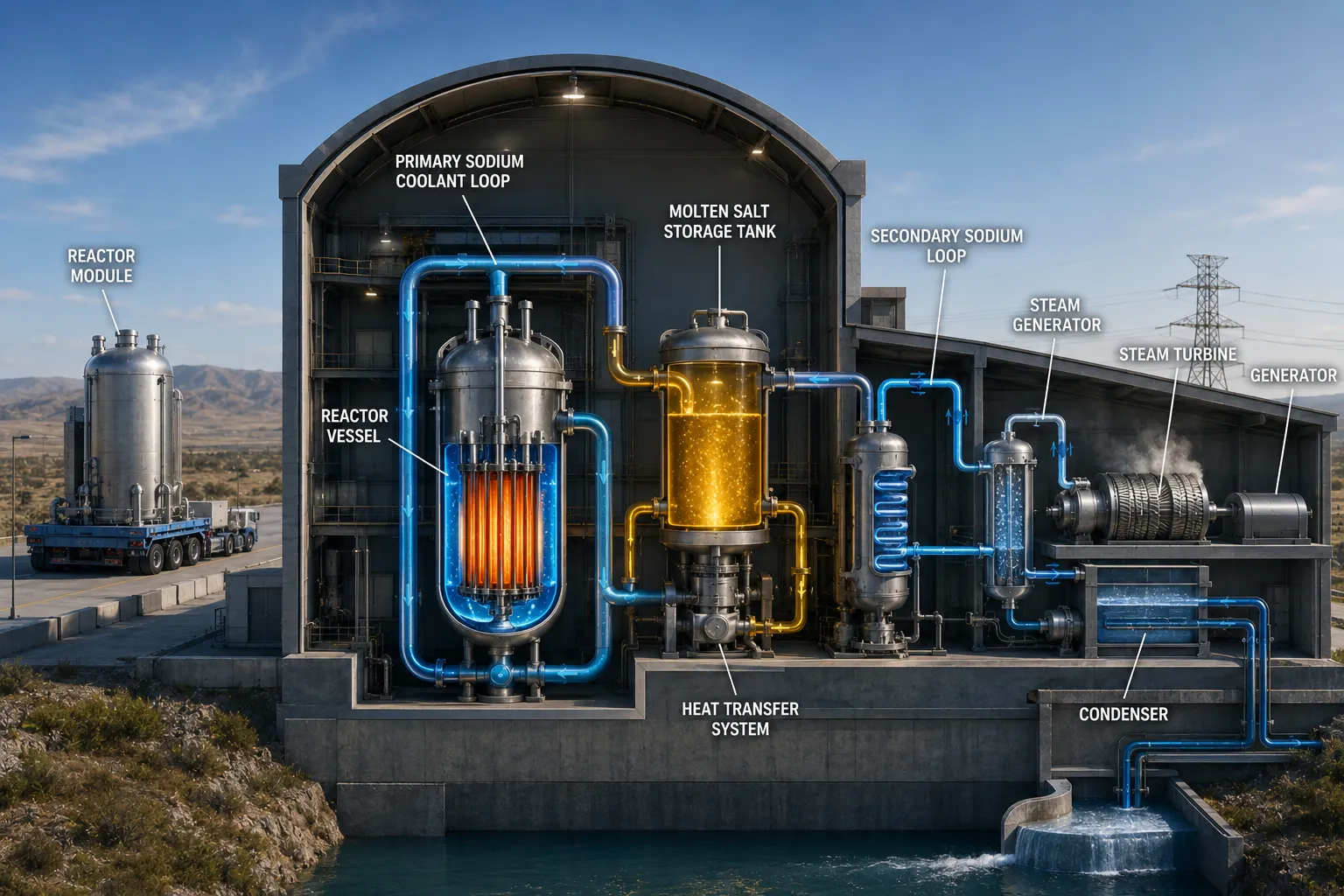
The coal plant has been running since 1972. Its boilers are scaled, its turbines worn, its air permits a constant battle. The town of Kemmerer grew up around it; the miners' homes, the union hall, the diner where shift workers eat breakfast at 3 PM. Coal is identity here. But coal is also dying. The plant's owner, PacifiCorp, plans to shutter it by 2030. Then, something unexpected happened. A different kind of power plant broke ground across the road. It will not have cooling towers or a smokestack. It will not burn anything. It will be smaller than the coal plant's parking lot. And it will employ half as many people, but those jobs will last decades longer, and the electricity will be cheaper, cleaner, and more reliable than anything coal ever produced.

The Carbon‑Hungry Microbe: How Engineered Algae Are Sucking CO₂ Out of the Sky and Turning It Into Fuel
TechMay 26, 2026

The Carbon‑Hungry Microbe: How Engineered Algae Are Sucking CO₂ Out of the Sky and Turning It Into Fuel

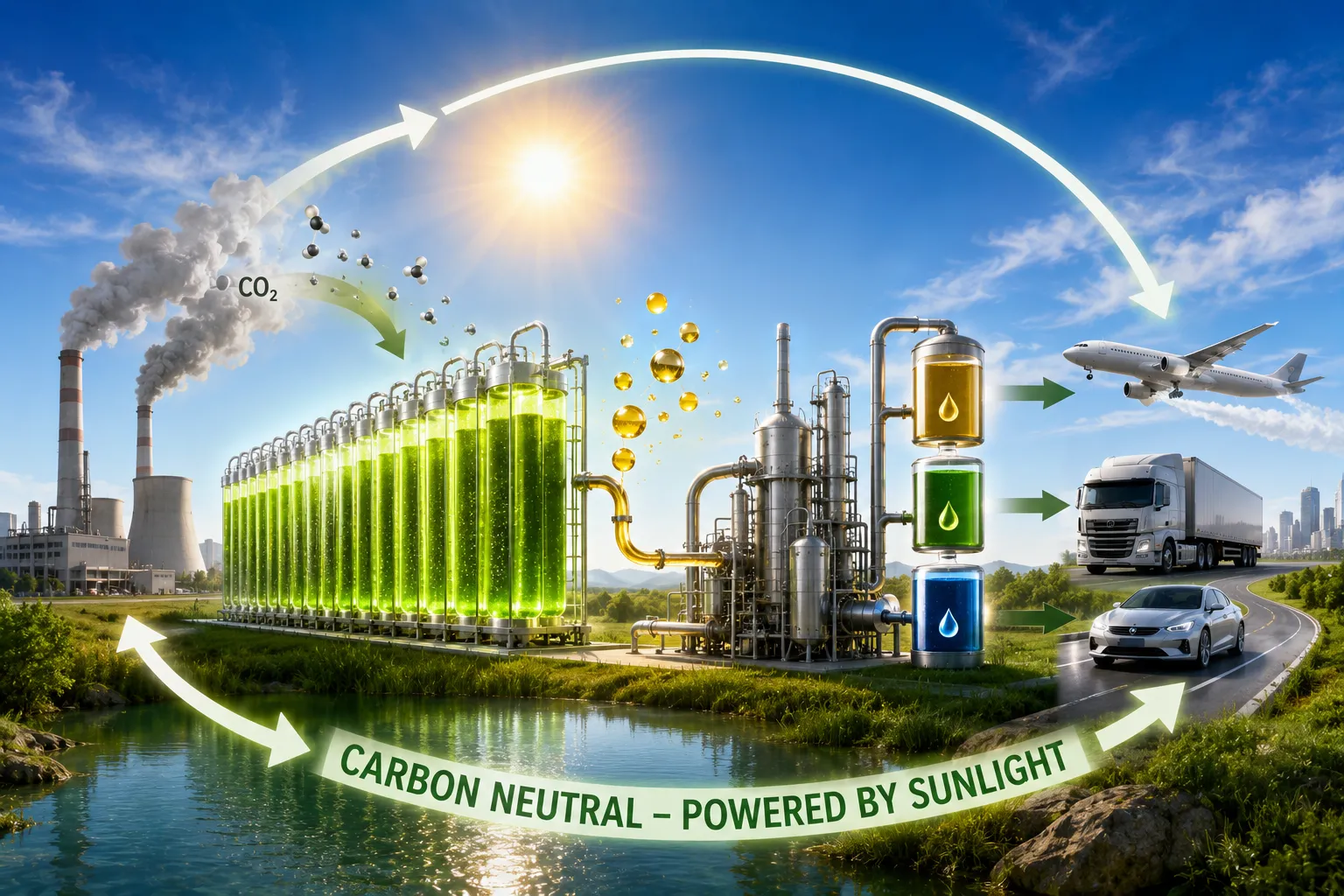
The rows of photobioreactors stretch to the horizon, each a vertical glass tube twelve feet tall, filled with a vivid emerald liquid. The liquid is alive—dense with Chlamydomonas reinhardtii, a single‑celled green alga that has been genetically engineered to do something no natural plant can manage: absorb carbon dioxide from ambient air at a rate one hundred times faster than a tropical rainforest, then excrete long‑chain hydrocarbons that can be refined directly into gasoline, diesel, and jet fuel. The facility, operated by a startup called Algix, covers 200 acres of sun‑baked desert. It consumes no arable land, no fresh water (the algae grow in brackish groundwater), and no fertilizer (the nitrogen comes from the air). Its only inputs are sunlight, salt water, and the open air. Its outputs are fuel and oxygen.

The Self‑Driving Lab: How AI Is Automating the Search for the Next Cure, Catalyst, and Material
TechMay 26, 2026

The Self‑Driving Lab: How AI Is Automating the Search for the Next Cure, Catalyst, and Material

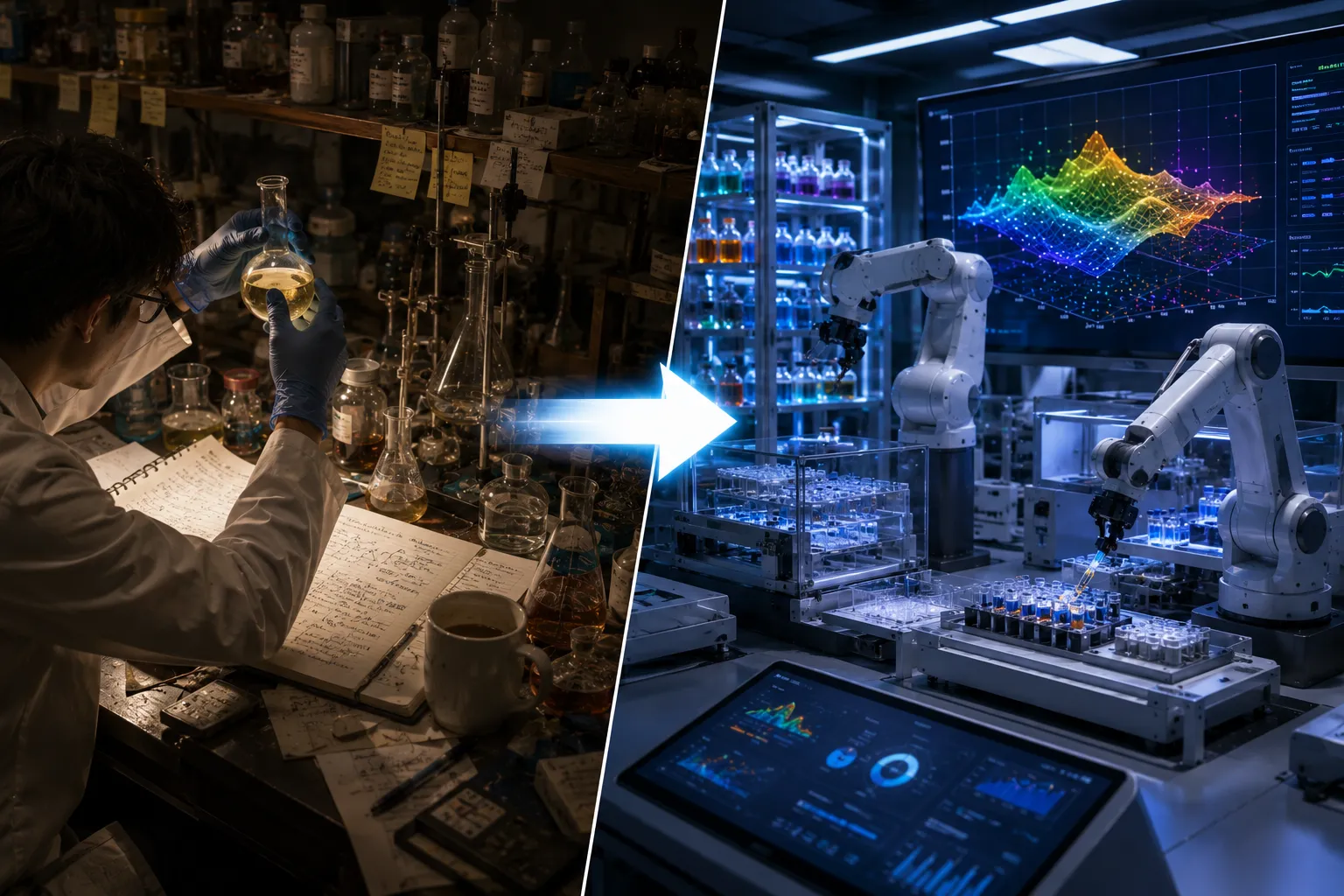
The lab is dark. No human has entered for three weeks. Inside, a collection of robotic arms, pipetting stations, and chemical sensors moves with quiet precision. A central AI—trained on millions of scientific papers and thousands of failed experiments—decides what to test next. It synthesizes a candidate molecule, purifies it, measures its properties, compares the results to its predictions, updates its internal model, and designs the next experiment. All night. All day. Without coffee, without distraction, without ego. In the past 72 hours, this self‑driving lab has performed 12,000 experiments—more than a human graduate student could complete in a decade. It has discovered three new organic light‑emitting materials, one of which outperforms the current industry standard by 15 percent.

The Solar Panel That Works at Night: How Thermoradiative Diodes Are Breaking the Limits of Solar Power
TechMay 26, 2026

The Solar Panel That Works at Night: How Thermoradiative Diodes Are Breaking the Limits of Solar Power

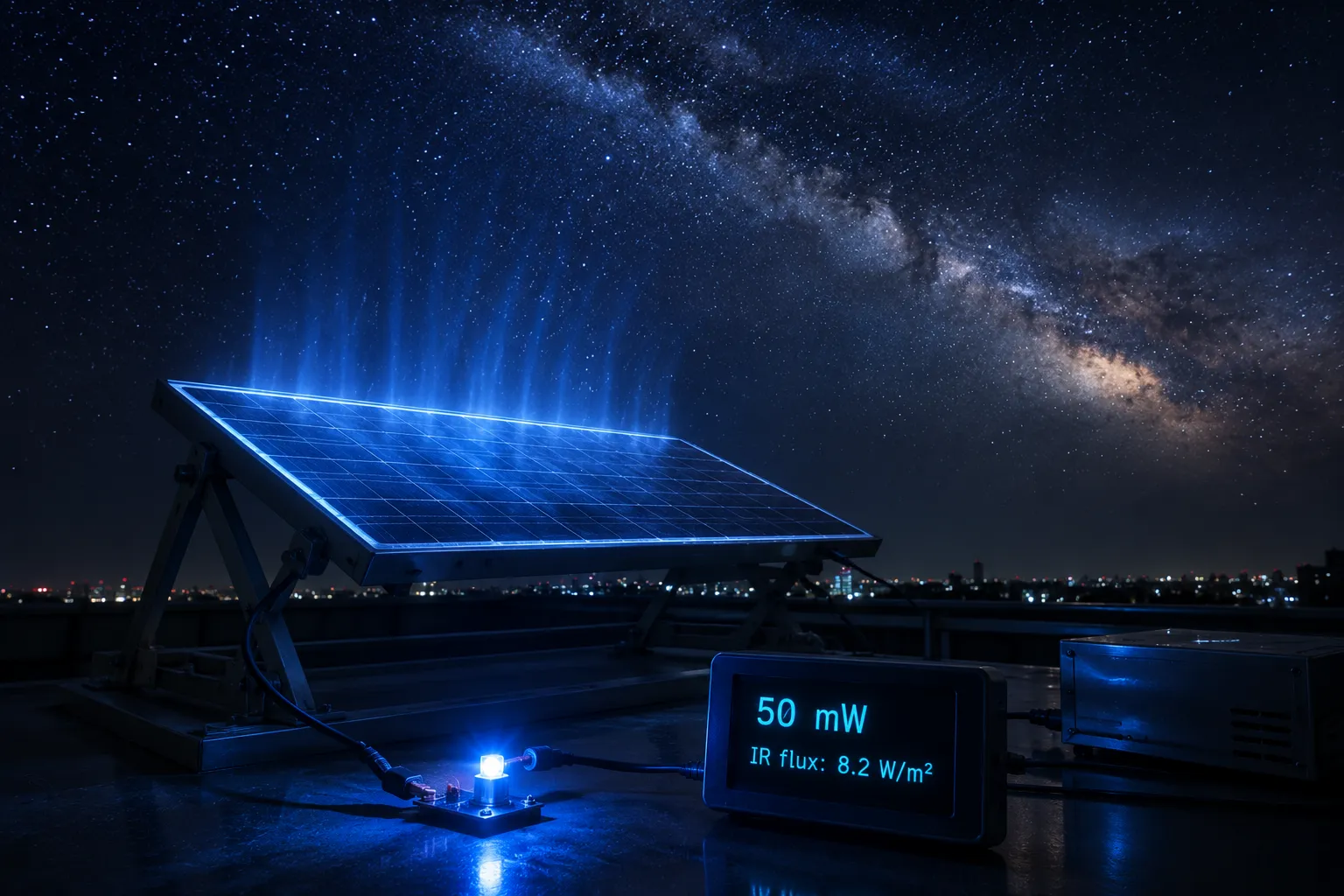
The panel on the rooftop of the Spilker Building at Stanford University looks like any other photovoltaic array. Its dark blue surface tilts toward the sky, absorbing sunlight during the day and converting it into electricity. But when the sun sets and the other panels in the test field go dark, this one keeps producing. Not much—a trickle, really, about 50 milliwatts per square meter—but the trickle is enough to power an LED or a small sensor. And it never stops. Through the night, through overcast days, through the dead of winter, the panel generates electricity from something that was long considered a waste product: the cold of space.

The Billion‑Dollar Burger: Why Cultivated Meat Finally Works—And Why It Took So Long
TechMay 26, 2026

The Billion‑Dollar Burger: Why Cultivated Meat Finally Works—And Why It Took So Long

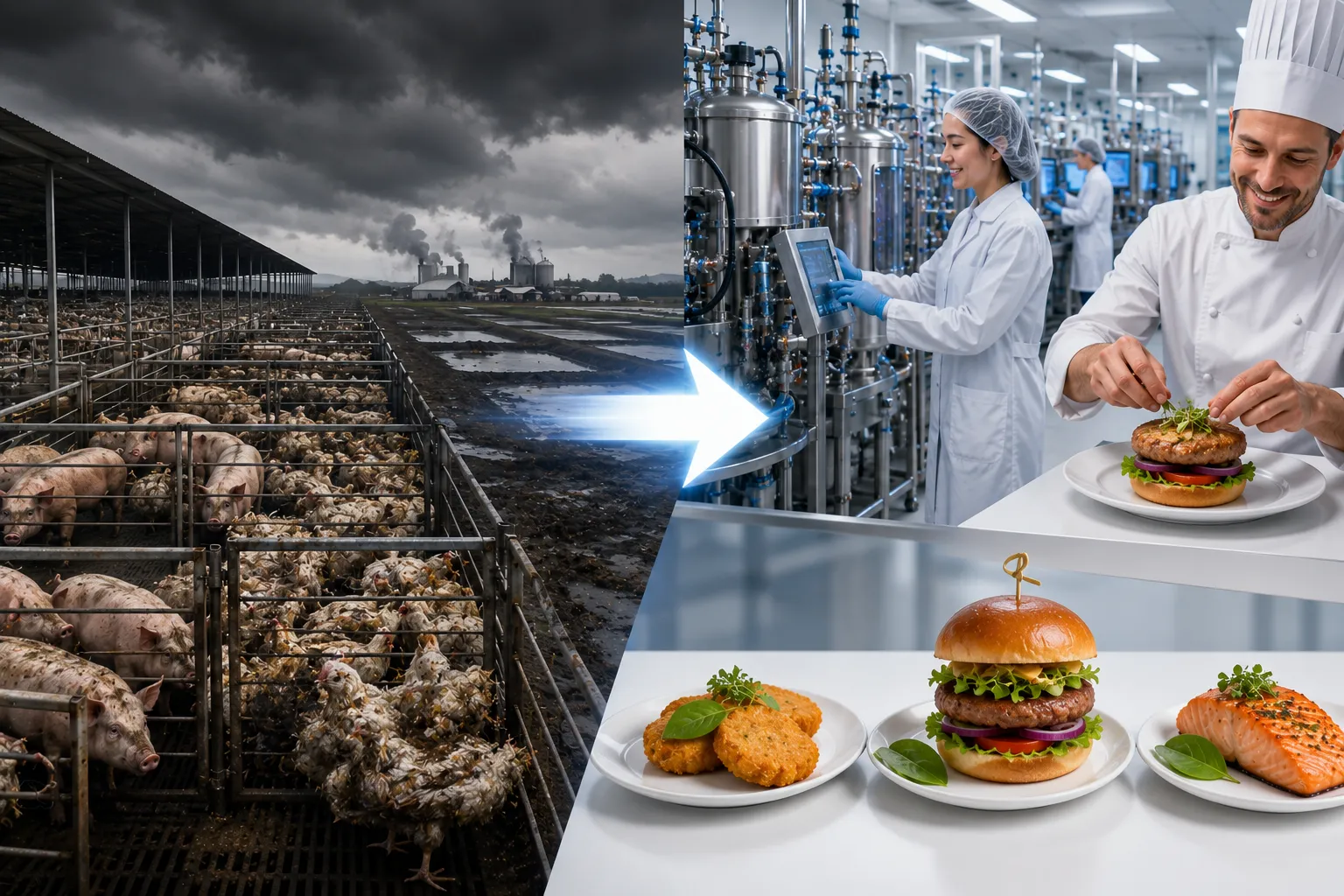
The patty sizzles on a stainless‑steel griddle. It smells like beef—that rich, Maillard‑reaction perfume that has drawn humans to fire and flesh for two million years. It looks like beef: brown on the outside, pink within, with glistening fat marbling through the protein. A chef flips it. A photographer leans in. And then the tasting: a bite, a chew, a pause. "It's beef," says the taster, a little surprised. "I mean, it's really, really good beef."

The Concrete That Heals Its Own Cracks: How Self‑Repairing Buildings Are Ending the Age of Crumbling Infrastructure
TechMay 26, 2026

The Concrete That Heals Its Own Cracks: How Self‑Repairing Buildings Are Ending the Age of Crumbling Infrastructure

The crack appears overnight. It is thin—barely a millimeter wide—the result of a freeze‑thaw cycle that stressed a concrete bridge support beyond its elastic limit. In a conventional structure, that tiny fissure would be the beginning of the end. Water would seep in, freeze again, widen the crack. Chlorides would reach the rebar, triggering rust. The rust would expand, spalling the concrete. Within a decade, the bridge would need expensive repairs or replacement. But this is not a conventional bridge. This is a pilot section of the A59 highway near Delft, and the concrete is alive.

Load More Results