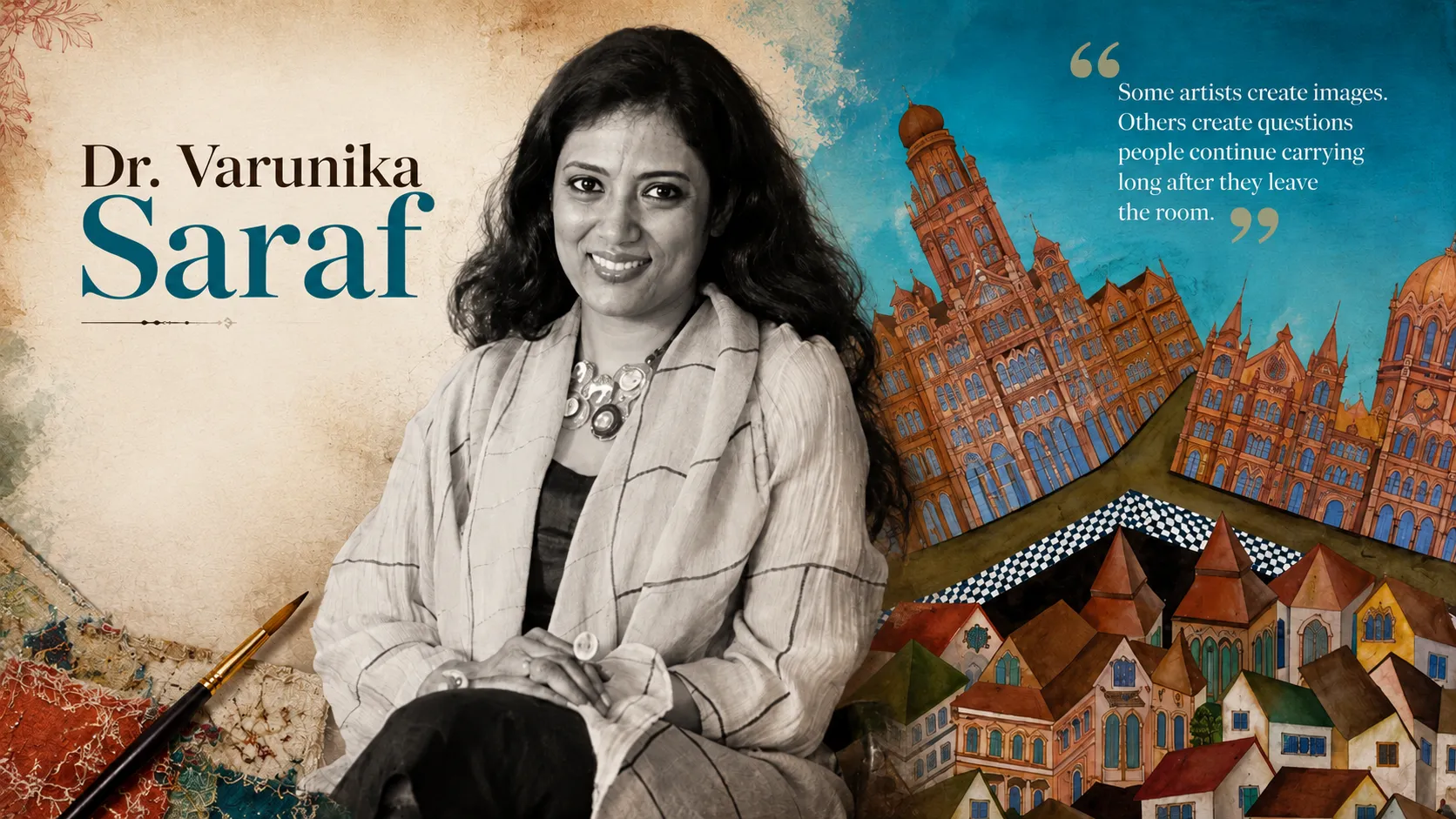
The Hyderabad-Based Artist Is Not Just Creating Paintings — She Is Quietly Building Conversations Around History, Violence And What Societies Choose To Remember
Art frequently enters public conversations through beauty, technique and visual expression because galleries and exhibitions often focus on aesthetics before anything else. Audiences frequently admire color, form and craftsmanship because art itself is commonly introduced as a medium for appreciation and interpretation. For many people, paintings become experiences people look at, discuss briefly and eventually move beyond. As a result, visual art occasionally appears disconnected from larger conversations involving politics, memory and social realities.
Dr. Varunika Saraf has spent years approaching art very differently.
The Hyderabad-based contemporary artist and art historian has become internationally recognized for works spanning Wasli paintings, watercolours and textile practices, but her work rarely asks audiences to simply observe. Instead, her practice frequently enters more difficult territory because her art repeatedly explores political history, state power, violence and collective memory across South Asia. At first glance, viewers encounter highly detailed and visually layered compositions. Viewed more closely, however, another reality begins surfacing beneath the surface itself.
Because her work frequently asks uncomfortable questions.
And uncomfortable questions often remain the most difficult ones to ignore.
Viewed independently, another artist receiving recognition may initially resemble a familiar cultural story involving exhibitions and critical attention. Viewed through a broader impact lens, however, another question begins surfacing beneath the narrative: what happens when art stops functioning only as representation and begins operating as historical conversation? Because societies frequently remember certain events loudly while allowing others to gradually move toward silence.
That distinction matters because memory itself rarely behaves neutrally. Histories frequently survive through institutions, public narratives and official records because power often influences what societies preserve and what they gradually leave behind. Artists occasionally operate differently because creative practices frequently revisit spaces where conventional narratives become incomplete. Art therefore sometimes becomes less about documenting events and more about interrogating how people understand them.
Dr. Saraf’s work appears particularly significant because she engages with traditional artistic forms while simultaneously using them to discuss deeply contemporary realities. Wasli painting, historically associated with miniature traditions, frequently carries assumptions involving delicacy and historical craftsmanship. Yet her work often places those forms into conversations surrounding violence, politics and collective experience because visual language itself occasionally becomes more powerful once expectations become disrupted.
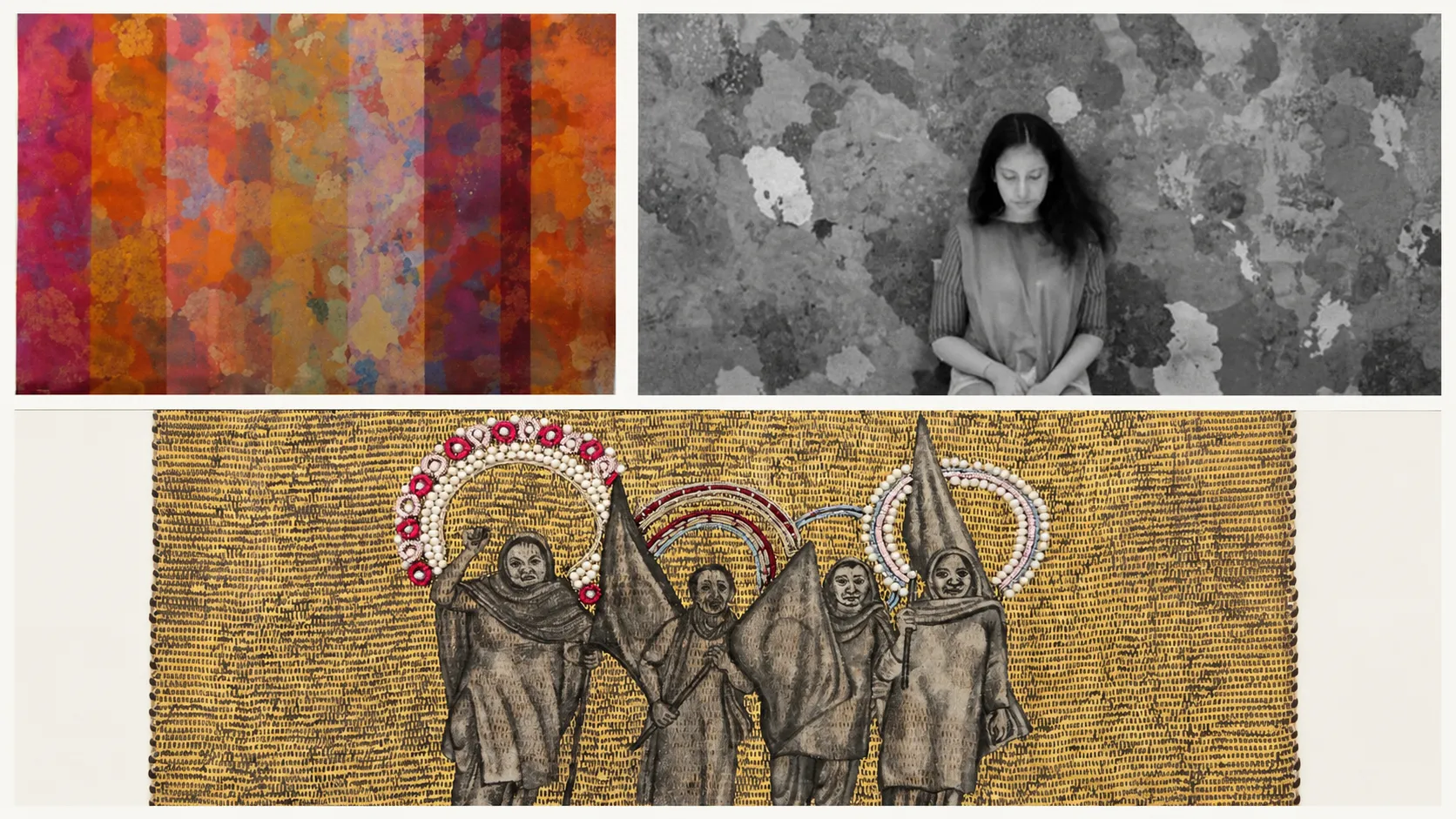
This distinction creates another important layer beneath her practice. Women artists have historically navigated creative ecosystems frequently shaped through institutional barriers and narrower expectations because artistic spaces, like many public environments, often reflected larger social structures. Yet women increasingly appear reshaping artistic conversations not simply by participating within existing categories but by expanding what subjects deserve visibility and attention.
That broader transition matters because representation itself rarely ends with numbers alone. Visibility increasingly involves influence because the questions people choose to ask frequently shape public discourse itself. Artists frequently contribute not merely through objects they create but through conversations they enable. Cultural impact occasionally emerges not through comfort but through challenge.
Another reason her work feels relevant today involves timing itself. Conversations involving identity, history and political memory increasingly occupy larger spaces across societies because audiences frequently revisit older narratives through newer questions. Younger generations increasingly seem interested in understanding not simply what happened historically but also who told those stories and which perspectives remained absent.
Art often becomes uniquely positioned within those moments because visual experiences occasionally communicate complexity differently from academic or institutional language. Paintings frequently allow audiences to pause, reflect and sit with discomfort because interpretation itself frequently becomes part of participation. In environments increasingly shaped by speed and shortened attention, art occasionally creates spaces for slower engagement.
Perhaps that explains why Dr. Varunika Saraf’s story increasingly feels larger than individual exhibitions or artistic recognition. Because beneath conversations involving paintings ultimately exists another reality involving how societies understand themselves. Art frequently becomes most powerful not when it offers certainty.
But when it insists people continue asking questions.
The larger impact story therefore may not simply involve a globally recognized artist from Hyderabad creating important work. It may involve recognizing that some women quietly reshape conversations not by speaking louder.
But by helping societies look more closely.


