Results (950 found)

The ₹4,000 Crore Prayer: Inside the Most Expensive Gamble in Indian Cinema History—And the 42,000 Screens It Has to Fill to Break Even
MagazineMay 27, 2026

The ₹4,000 Crore Prayer: Inside the Most Expensive Gamble in Indian Cinema History—And the 42,000 Screens It Has to Fill to Break Even

Sometime in the next five months, the first images from a film set will be released to a public that has been waiting for them with a mixture of reverence, curiosity, and anxiety. The film is Nitesh Tiwari's Ramayana, and it is, by any financial measure, the most audacious bet in the history of Indian cinema. The two-part epic carries a production budget of approximately ₹4,000 crore—roughly $480 million—which makes it not just the most expensive Indian film ever made, but one of the most expensive films ever made anywhere on Earth. The first part is scheduled for Diwali 2026. The second will follow in 2027. And the question that now hangs over every conversation in every trade circle in Mumbai is not whether the film will be good. It is whether the economics of global cinema can support a bet this large.

The ₹143 Crore Bet That Kirana Stores Deserve a 60-Minute Supply Chain: How Fairdeal Is Building the Replenishment Infrastructure India's 13 Million Shopkeepers Never Had
StartupsMay 27, 2026

The ₹143 Crore Bet That Kirana Stores Deserve a 60-Minute Supply Chain: How Fairdeal Is Building the Replenishment Infrastructure India's 13 Million Shopkeepers Never Had

India has 13 million kirana stores — the small, family-run shops that are the backbone of the country's retail economy, selling everything from rice and dal to shampoo and detergent. They account for more than 80 percent of India's grocery sales. They survived the arrival of supermarkets, the rise of e‑commerce, and the entry of the world's largest retailers into the Indian market. They are, by any measure, among the most resilient institutions in the Indian economy. And yet, for most of their history, they have been served by a supply chain that has barely evolved in decades.

The Consciousness Upload: Why Brain‑Computer Interfaces Are About to Redefine Being Human
TechMay 26, 2026

The Consciousness Upload: Why Brain‑Computer Interfaces Are About to Redefine Being Human

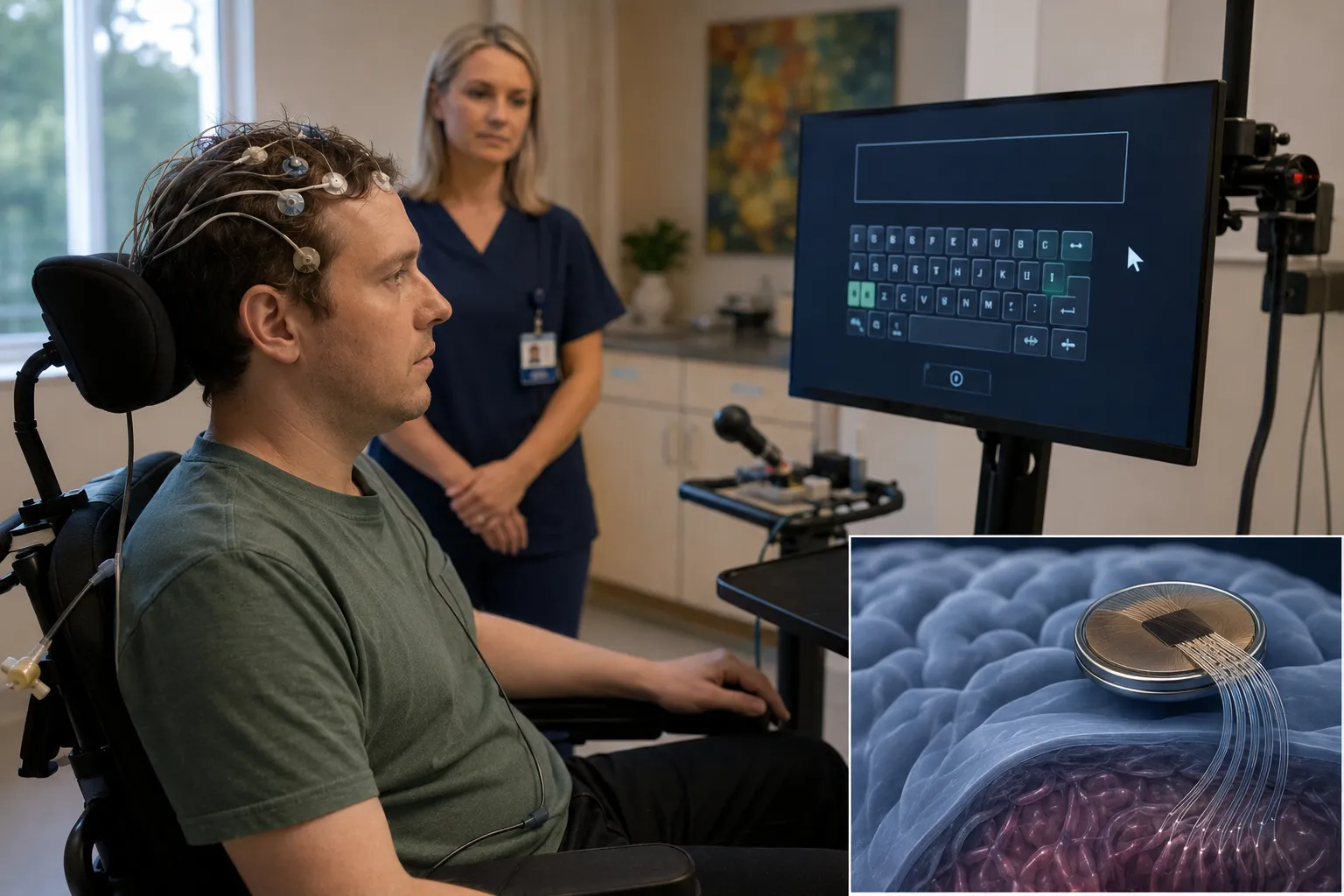
The patient is a 29‑year‑old man named Alex. Four years ago, a diving accident left him paralyzed from the neck down. He cannot move his arms or legs. He cannot feed himself. He breathes with a ventilator. But he can think. And thinking, it turns out, is enough. Implanted in his motor cortex is a coin‑sized device with 1,024 flexible electrodes, thinner than a human hair, each listening to the faint electrical chatter of his neurons. The device, from Elon Musk's Neuralink, transmits that chatter wirelessly to a small receiver on his chest, which relays it to a nearby computer. An AI model, trained on months of Alex's attempted movements, decodes his neural firing patterns into commands: move cursor up, click, type letter. Alex can now browse the web, send emails, play chess, and control a robotic arm. He does all of this with his thoughts alone.

The Printer That Builds Organs: Bioprinting's Long Promise Is Finally Saving Lives
TechMay 26, 2026

The Printer That Builds Organs: Bioprinting's Long Promise Is Finally Saving Lives

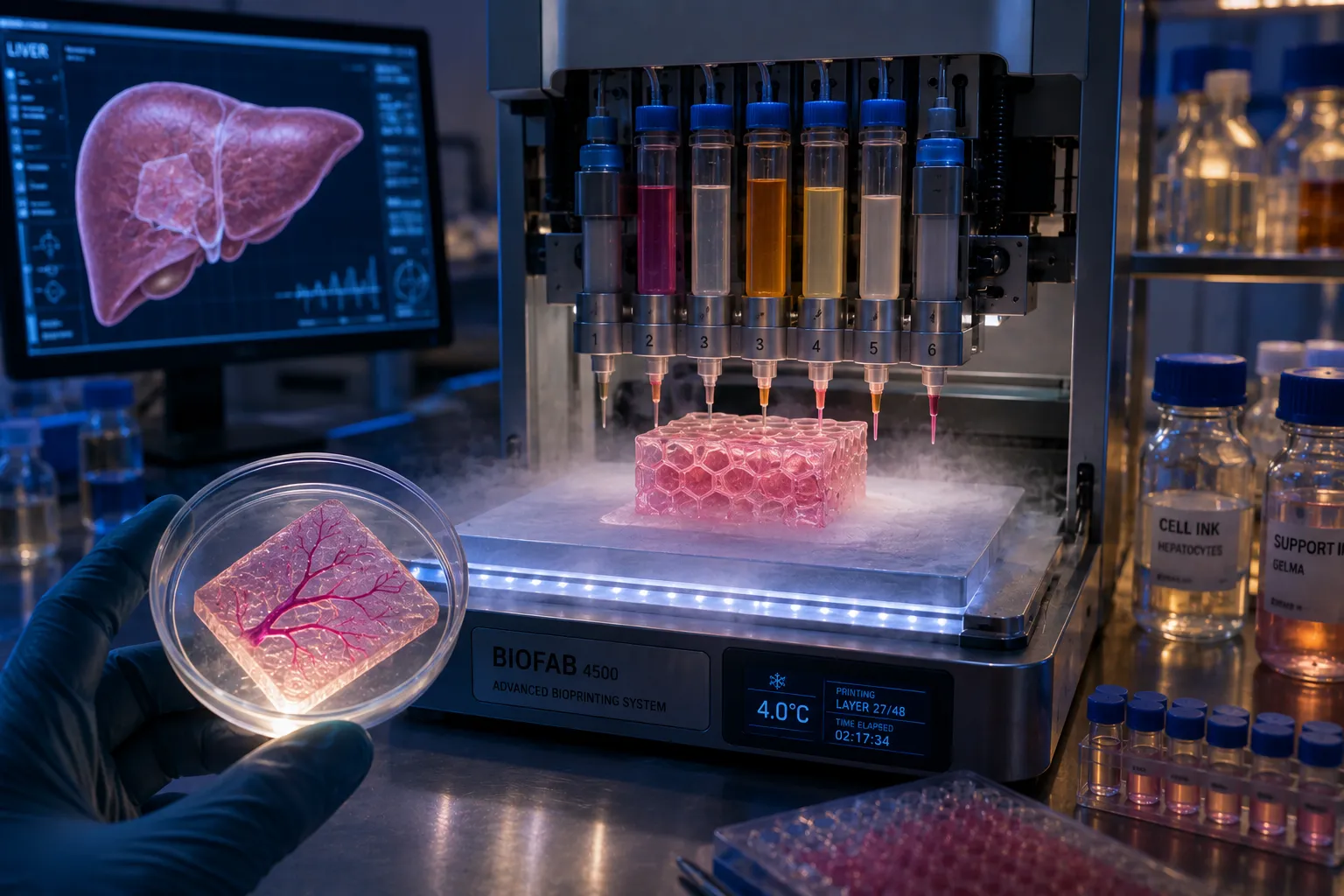
The printer does not look like a medical miracle. It resembles a modified inkjet, about the size of a dormitory refrigerator, with six cartridges instead of four. But instead of cyan, magenta, yellow, and black, these cartridges contain living cells: hepatocytes (liver cells) from a donor, endothelial cells to line blood vessels, and a gelatin‑based bio‑ink that serves as a temporary scaffold. The print bed is chilled to 4°C to keep the cells viable. The print head moves in precise, programmed patterns, laying down layer after layer of cells, building a three‑dimensional structure that mirrors the complex geometry of a human liver segment. After six hours, the print is complete. The construct is transferred to a bioreactor, where it matures for two weeks, the cells knitting together, the scaffold degrading, and tiny blood vessels forming their own primitive networks. Then, the packaged organ—a 4‑centimeter cube of functional liver tissue—is rushed to the operating room.

Load More Results