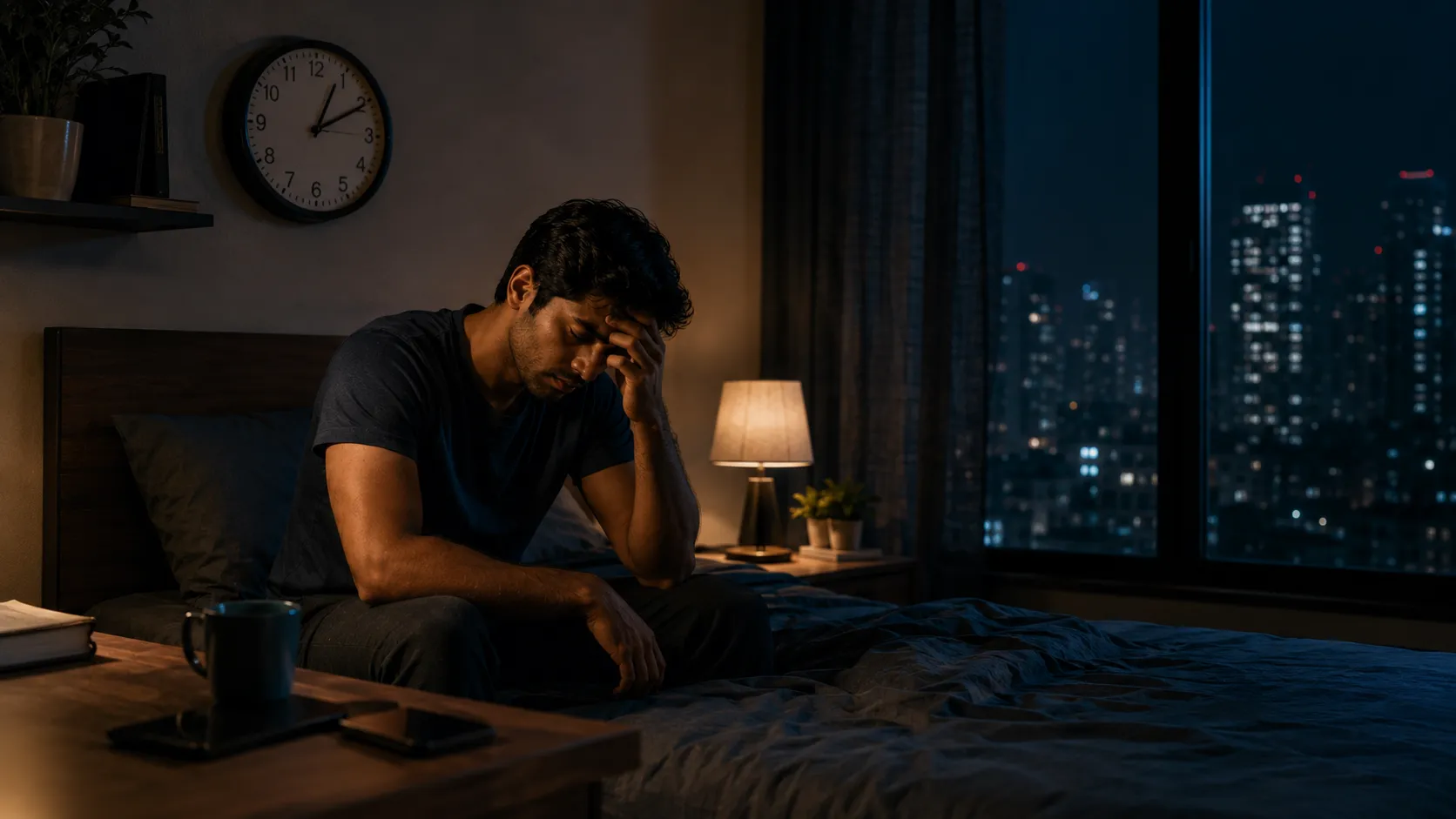
What Once Felt Like A Personal Lifestyle Problem Is Quietly Turning Into A Larger Story About Health, Work And How Modern Life Is Reshaping Daily Habits
For years, sleep frequently occupied a strange place inside everyday conversations. People joked about surviving on four hours of rest, celebrated overwork and frequently treated exhaustion almost like a badge of ambition because busy schedules often became associated with productivity. Long workdays, late-night scrolling and irregular routines gradually entered everyday life because modern lifestyles frequently rewarded constant availability. As a result, fatigue often became normalized because many people quietly learned to live around exhaustion rather than question it.
Something different now appears to be unfolding beneath that routine acceptance.
Across India, growing conversations involving stress, burnout, mental wellbeing and lifestyle diseases are beginning to pull sleep into larger public discussions because rest itself increasingly appears connected with broader health outcomes. What initially looked like individual habits involving bedtime routines is slowly becoming a larger issue involving healthcare, workplaces and quality of life. The conversation itself is gradually shifting because sleep increasingly appears less like a personal choice and more like a public-health concern.
Viewed independently, people sleeping less may initially resemble another consequence of fast-moving urban lifestyles. Viewed through a broader impact lens, however, another question begins surfacing beneath the headlines: what happens when millions of people quietly normalize physical and mental exhaustion at the same time? Because public-health issues frequently emerge not through sudden crises but through behaviors repeated every single day.
Historically, health conversations frequently focused on visible conditions because illnesses involving symptoms and treatment naturally attracted stronger attention. Sleep frequently occupied a secondary position because it often appeared connected with personal discipline rather than broader healthcare systems. Yet medical research and health discussions increasingly suggest another reality because sleep influences concentration, emotional wellbeing, productivity and long-term physical health in ways many people rarely consider.
Modern life has quietly changed how people experience rest itself. Work increasingly extends beyond offices because notifications, digital communication and remote environments frequently blur boundaries between professional and personal spaces. Entertainment also changed dramatically because streaming platforms and social media frequently operate without natural stopping points. Days increasingly continue long after traditional schedules end because technology frequently reshapes routine behavior.
That distinction matters because sleep rarely disappears dramatically. It often erodes gradually. Ten minutes disappear through scrolling. Another thirty disappear through unfinished work. Late-night habits quietly become routine because smaller disruptions frequently feel insignificant in isolation. Yet repeated patterns occasionally create larger consequences because habits operating daily often reshape health over time.
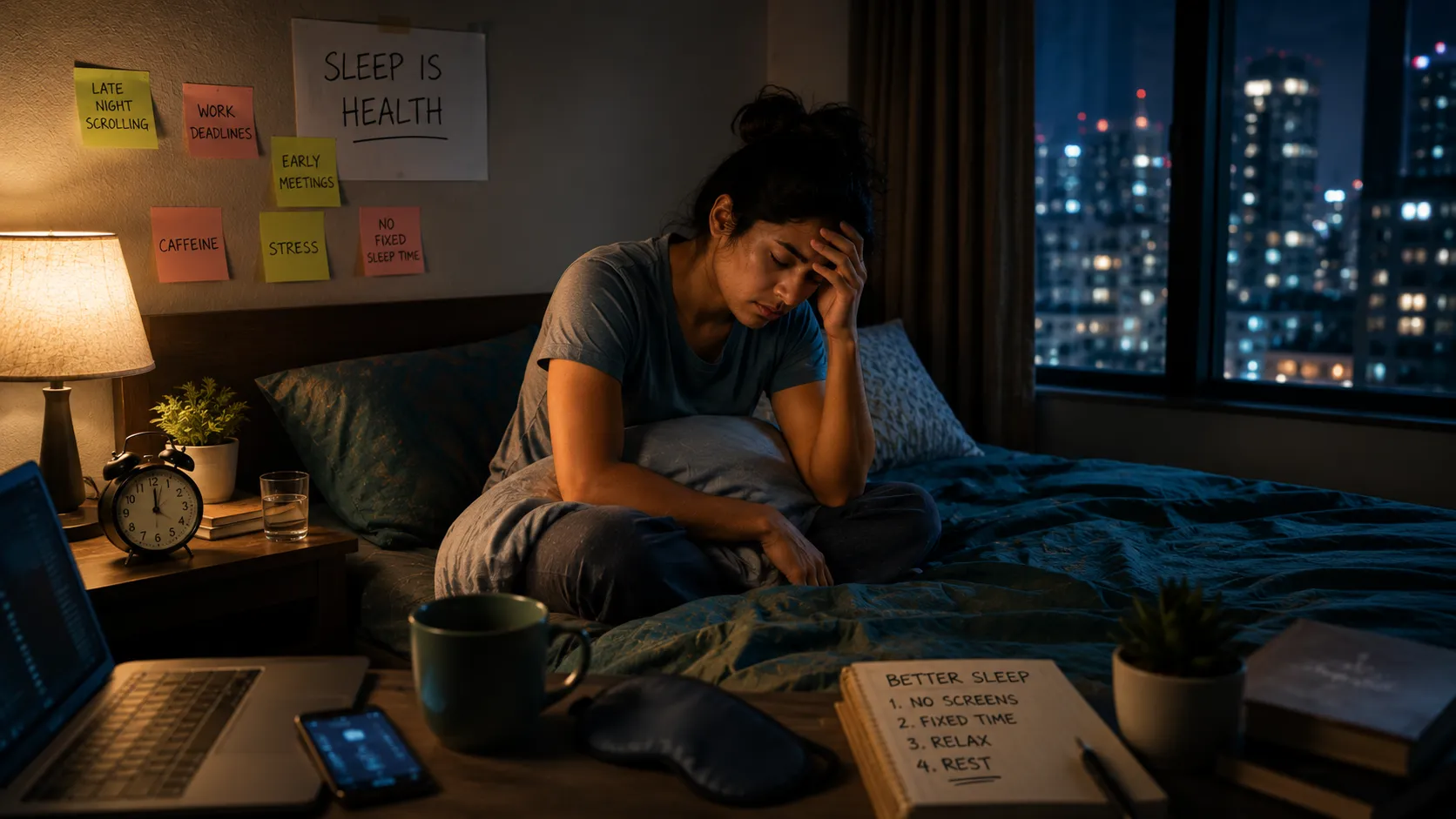
Another important layer beneath this discussion involves younger populations. Students and professionals increasingly appear navigating environments shaped by performance pressure, competitive systems and constant digital engagement because modern expectations frequently create persistent mental stimulation. Sleep increasingly becomes something people postpone because rest occasionally appears negotiable while productivity frequently does not.
This broader transition is also creating changes across consumer behavior itself. Sleep-focused products, wellness platforms, health applications and wearable devices increasingly attract stronger interest because people are becoming more conscious of sleep quality. Businesses increasingly recognize that consumers no longer simply want productivity tools because wellbeing itself increasingly influences purchasing behavior too.
There is also a larger workplace question quietly emerging beneath these discussions. Organizations spent years focusing on efficiency, output and performance because professional environments often prioritized measurable productivity. Increasingly, however, employers appear discussing burnout, employee wellbeing and mental health because healthier work systems frequently create stronger long-term outcomes. Sleep therefore increasingly enters workplace conversations rather than remaining limited to personal routines.
Perhaps that explains why this conversation increasingly feels larger than bedtime habits or sleep-tracking devices. Because beneath discussions involving rest ultimately exists another reality involving how societies define health itself. For years, sleep frequently felt invisible precisely because people treated it as ordinary.
Now people are beginning to ask whether something ordinary quietly became essential all along.