What Once Looked Like Everyday Household Skills Are Slowly Becoming Income Streams, Enterprises And New Forms Of Local Leadership
For decades, economic activity across many rural regions frequently followed familiar structures. Agriculture often remained the primary source of livelihood, seasonal work frequently determined household income and economic opportunities regularly flowed through systems where men occupied more visible positions in decision-making. Women contributed significantly through farming, cooking, craftwork and household management, yet much of that work frequently remained undervalued because it often existed outside formal economic structures. Their contribution shaped communities every day, but financial recognition did not always follow.
Something very different now appears to be unfolding beneath that older framework.
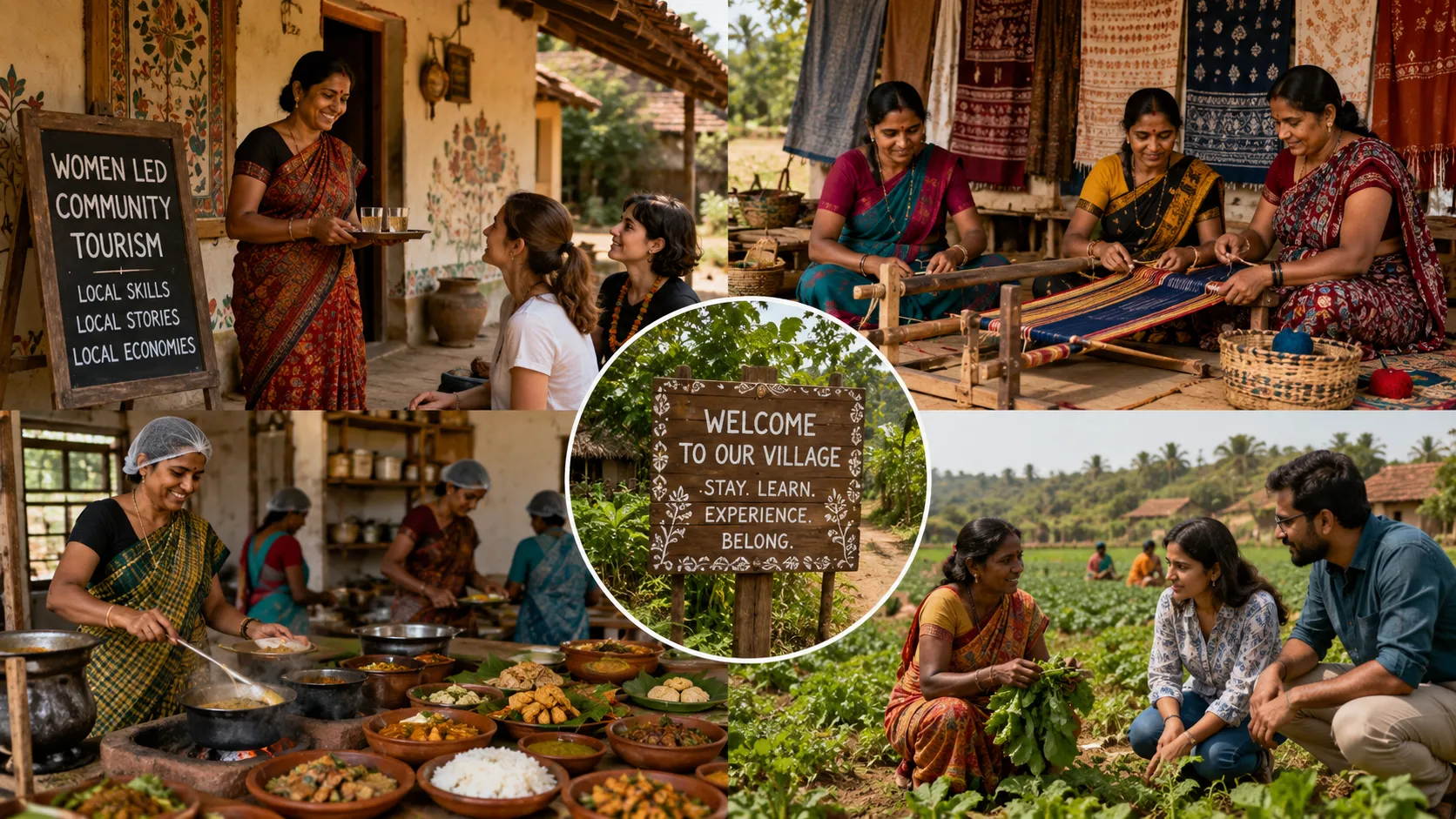
Across multiple regions, women-led community tourism projects are gradually creating a different economic story because traditional skills once viewed as everyday responsibilities are beginning to generate new forms of income. Cooking local recipes, weaving regional textiles, sharing farming practices and introducing visitors to cultural experiences are increasingly becoming micro-enterprises because rural tourism itself is beginning to look different. What initially appeared like hospitality initiatives is slowly becoming a larger movement involving ownership, participation and local economic control.
Viewed independently, rural tourism projects may initially resemble another development initiative designed around travel experiences. Viewed through a broader impact lens, however, another question begins emerging beneath the surface: what happens when economic value begins growing from skills women already possessed rather than skills communities expected them to acquire? Because transformation frequently accelerates when people stop building around external models and begin recognizing existing strengths.
Historically, many domestic and cultural skills frequently remained invisible inside formal economic conversations because activities involving cooking, traditional crafts and household knowledge rarely entered conventional business frameworks. Communities valued these practices culturally, yet economic systems often treated them differently because market structures generally rewarded formal labor more visibly than informal contribution. As a result, women frequently generated social value without receiving proportional financial visibility.
Community tourism is quietly changing that equation. Visitors increasingly seek experiences involving authenticity, local culture and human connection because travel behavior itself is evolving. Many travelers now appear interested in village life, regional food traditions, local storytelling and cultural immersion because experiences increasingly matter alongside destinations. This distinction becomes important because communities themselves frequently become the attraction rather than infrastructure alone.
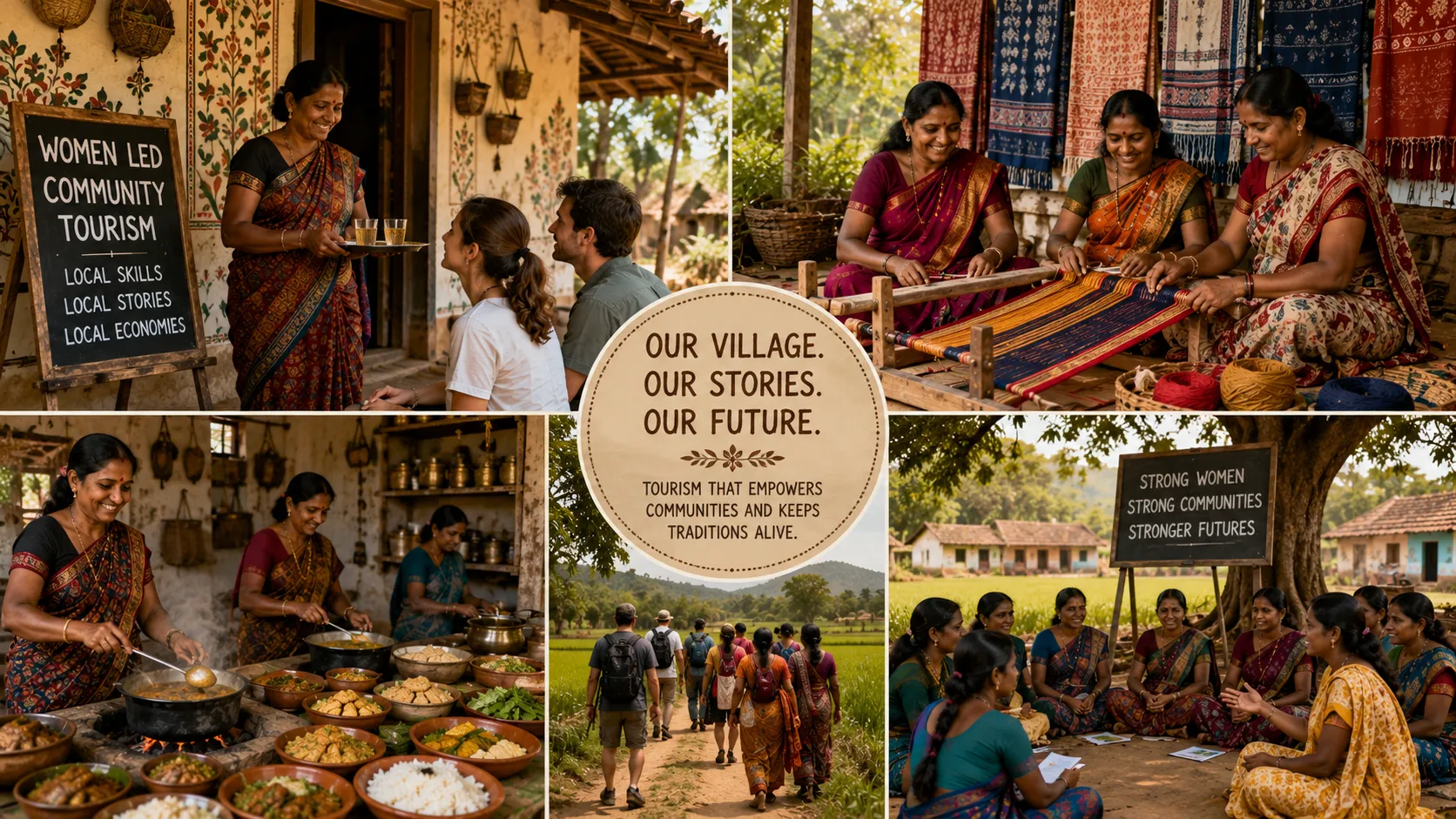
That shift creates a very different economic model. Earlier tourism systems often concentrated revenue within hotels, transport networks and centralized businesses because larger operators frequently controlled visitor experiences. Community-based tourism increasingly distributes participation because households, artisans and local groups become direct participants in economic activity. Revenue therefore begins flowing through multiple smaller channels rather than remaining concentrated within a few larger systems.
Women frequently sit at the center of this transition because many experiences naturally emerge from knowledge they already possess. Traditional recipes become culinary experiences, weaving becomes cultural storytelling and agricultural practices become educational interactions because everyday skills increasingly operate as assets rather than background responsibilities. What earlier generations frequently considered routine work now appears gaining entrepreneurial value.
Another important layer beneath this shift involves decision-making itself. Income frequently changes more than spending power because economic participation often creates visibility and influence. Women managing tourism enterprises increasingly appear involved in financial discussions, community planning and local leadership because ownership frequently reshapes social dynamics alongside economic outcomes. Communities occasionally begin changing not through policies alone but through participation itself.
This transition also matters because smaller rural economies frequently struggle with migration pressures. Younger generations often leave villages seeking employment because opportunities regularly appear concentrated elsewhere. Community tourism occasionally creates alternatives because local enterprise can generate economic activity without requiring relocation. Sustainable growth frequently becomes stronger once people build opportunities around environments they already understand deeply.
Perhaps that explains why this conversation increasingly feels larger than tourism itself. Because beneath discussions involving village experiences and local travel ultimately exists another reality involving who controls economic value. Development stories frequently focus on creating opportunities from outside. Stories like these quietly suggest another possibility: communities occasionally already possess what they need.
They simply need systems capable of recognizing it.
The larger impact story therefore may not simply involve women leading tourism initiatives. It may involve recognizing that some of the most meaningful economic transformations begin by turning overlooked skills into visible opportunities.


