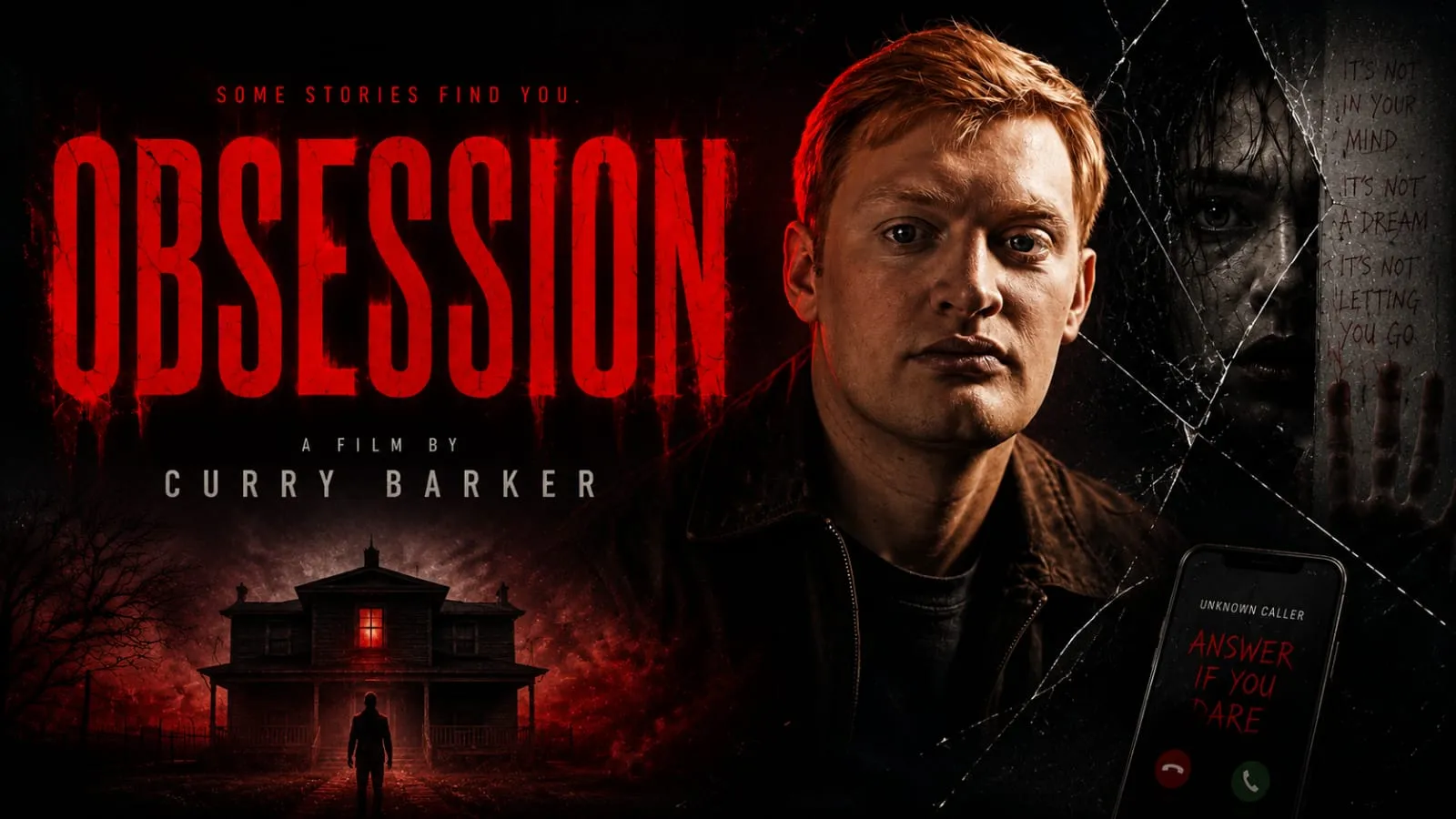
Obsession Didn’t Arrive With Superstars, Massive Budgets Or Traditional Studio Power. Yet It Quietly Became One Of 2026’s Most Unlikely Success Stories
For decades, Hollywood followed a rhythm people rarely questioned. Big studios financed projects, recognizable actors carried marketing campaigns and opening weekends frequently determined whether films succeeded or disappeared because the industry itself often operated through scale and visibility. Large budgets frequently translated into larger expectations because audiences traditionally discovered movies through systems controlled by studios, television campaigns and established distribution channels. Success frequently appeared connected to infrastructure because entertainment ecosystems generally rewarded institutions with the largest resources.
Something very different appears to be unfolding now.
The breakout psychological horror film Obsession, directed by 26-year-old former YouTuber Curry Barker, is becoming one of the year’s most unusual entertainment stories because it quietly ignored many assumptions traditional filmmaking spent years accepting as reality. The film reportedly made history by becoming one of the rare wide-release horror films to actually grow during its second weekend rather than decline. At first glance, that statistic naturally sounds impressive because box-office growth itself frequently attracts attention. Viewed more closely, however, another question begins surfacing beneath the numbers: what exactly happens when internet creators stop making content and begin reshaping entertainment itself?
Historically, horror films often followed a familiar pattern because audiences traditionally rushed toward opening weekends before attention gradually slowed afterward. The industry itself frequently treated second-weekend declines almost as inevitable because early momentum often determined commercial outcomes. A sharp drop rarely surprised anyone because conventional wisdom largely accepted that excitement naturally peaks first and fades afterward.
Obsession quietly disrupted that expectation.
Reports suggest the film earned $28.2 million in its second weekend, representing a significant increase rather than a decline because audience enthusiasm reportedly expanded after release rather than shrinking. That distinction matters because entertainment industries frequently depend on predictable behavior. Rules become important because industries often build expectations around repetition. When those patterns unexpectedly break, people frequently begin paying attention not only to outcomes but to what changed underneath.
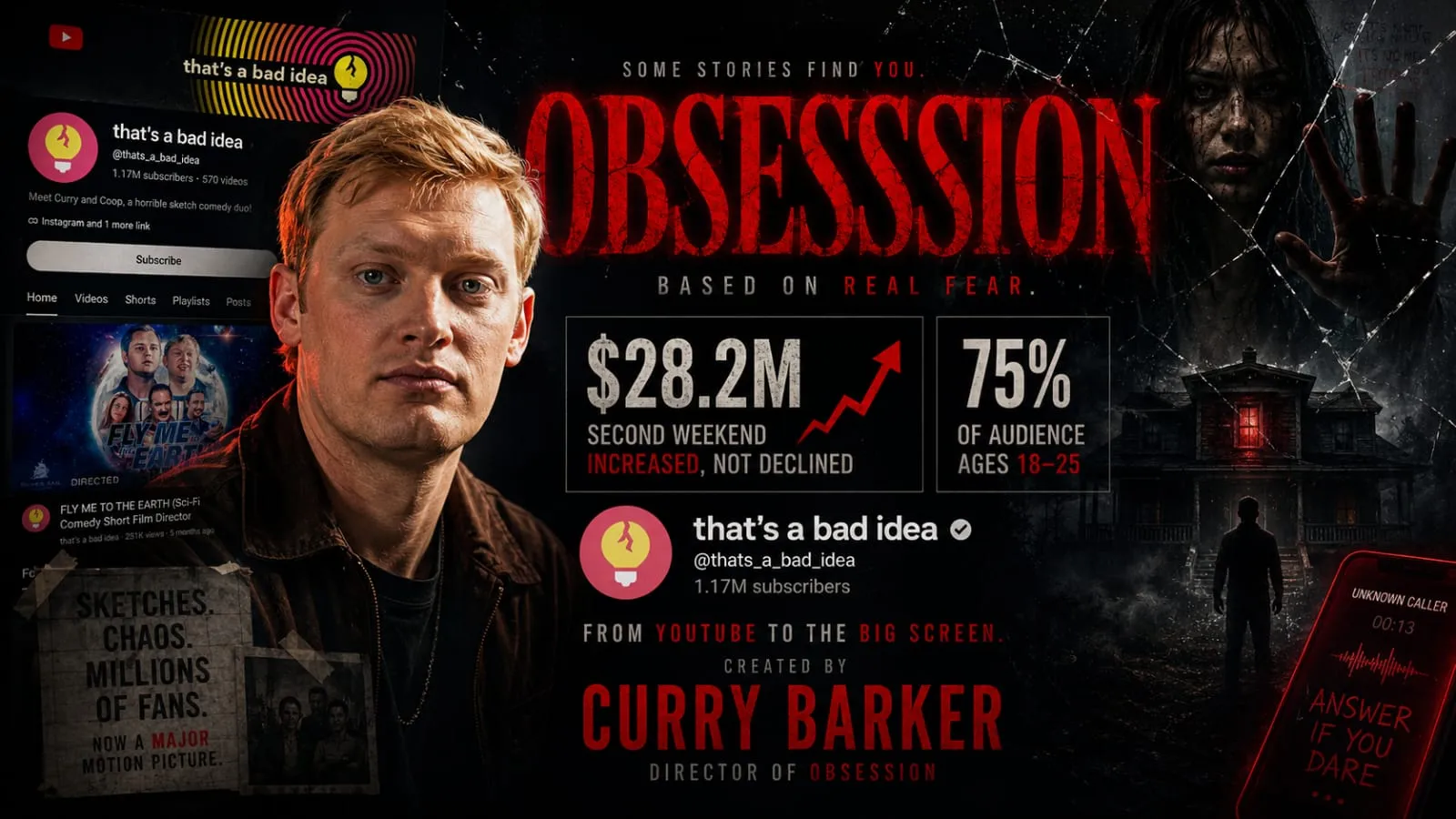
Part of the answer may involve where Curry Barker came from before filmmaking itself entered the picture. Long before directing a breakout horror project, Barker spent years building audiences online because he understood internet communities in ways traditional Hollywood systems occasionally struggle to replicate. Earlier entertainment environments frequently built audiences after products existed. Creator ecosystems increasingly appear operating differently because communities often exist before projects even begin.
That shift changes more than marketing.
It changes trust.
It changes attention.
It changes who controls discovery.
Barker reportedly built an audience exceeding one million followers through YouTube alongside collaborator Cooper Tomlinson, creating content under the channel "that's a bad idea." Earlier generations of filmmakers frequently spent years waiting for institutions to provide opportunities because visibility often depended on industry access. Digital platforms increasingly appear creating another route entirely because audiences themselves occasionally become infrastructure.
Another interesting layer beneath this story involves how younger audiences increasingly consume entertainment. Reports suggest approximately 75% of Obsession’s audience fell between ages 18 and 25, which quietly reveals something larger than demographic information alone. Younger viewers increasingly seem responding differently to storytelling because emotional complexity and psychological discomfort often resonate differently than formula-driven spectacle. Horror itself increasingly appears becoming less about monsters jumping from shadows and more about anxieties audiences already recognize.
Marketing itself also appears changing shape. Traditional campaigns often relied on trailers, television appearances and publicity circuits because audiences historically followed relatively centralized discovery patterns. Obsession reportedly experimented differently through cryptic campaigns involving phone numbers, voice messages and audience participation because modern internet culture frequently rewards mystery and interaction more than direct promotion.
This distinction matters because attention itself increasingly behaves differently. Audiences frequently no longer want campaigns explaining everything immediately because participation occasionally creates stronger engagement than passive viewing. The internet increasingly rewards curiosity because people frequently become emotionally invested once they feel involved rather than targeted.
Perhaps that explains why this story increasingly feels larger than one successful horror film. Because beneath conversations involving weekend numbers and ticket sales ultimately exists another reality involving cultural power itself. Entertainment spent decades operating through gatekeepers because access frequently determined possibility. Stories like Obsession quietly suggest another possibility entirely.
Sometimes audiences no longer wait for industries to decide what deserves attention.