Future Tech
Beyond Chips: How ₹2,000 Crore in Fresh Deep Tech Funds Is Betting on India's Quantum, Semicon and Space Future
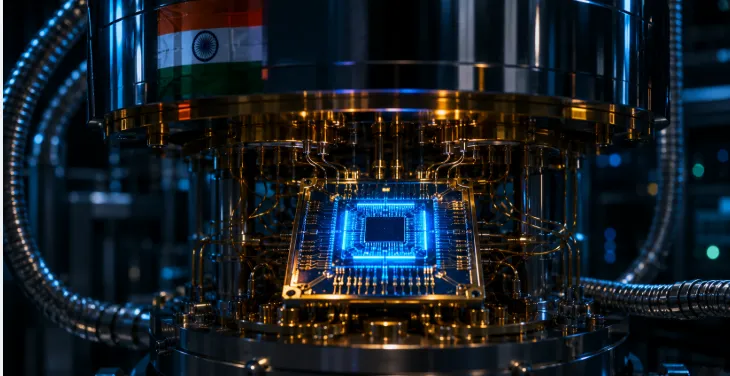
In February 2026, IIT-Madras launched a ₹600 crore deep tech venture capital fund with Unicorn India Ventures — designed to back IP‑led startups in semiconductors, quantum computing, robotics, spacetech and defencetech. Weeks later, Celesta Capital announced plans for a ₹2,000 crore India‑focused deep tech fund. Chiratae Ventures committed $10 million for five deep tech startups through its Sonic DeepTech program. Under the National Quantum Mission, the government is actively supporting quantum startups in computing, communication, sensing and materials. The patient capital is flowing. The revolution is deep.
06 Jun 2026