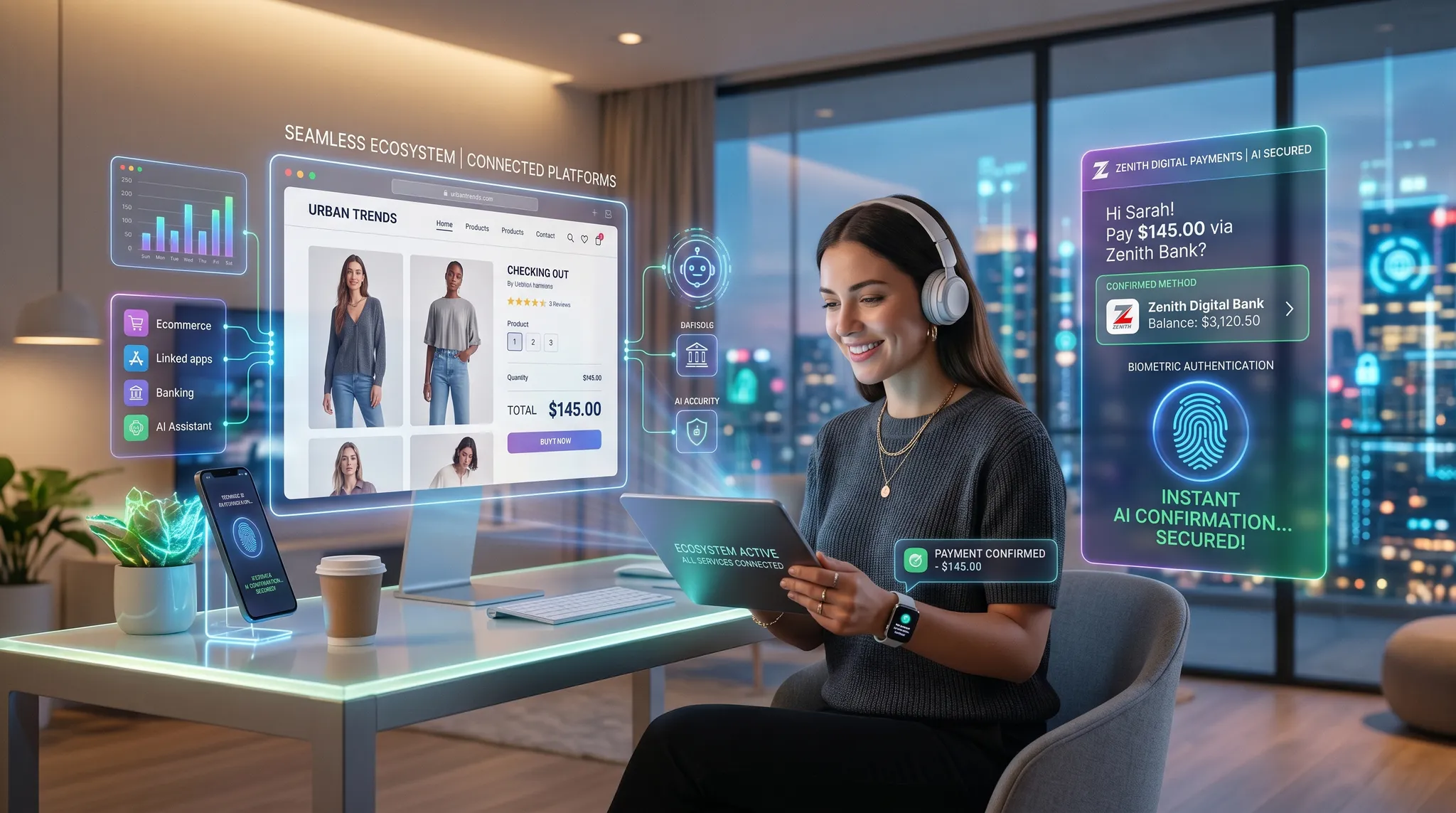
As businesses across industries integrate AI into their operations, the workplace is evolving into a hybrid environment where humans and intelligent systems collaborate to drive productivity and innovation. From automating repetitive tasks to augmenting decision-making processes, AI is enabling companies to operate more efficiently while unlocking new opportunities for growth.
One of the most significant shifts is the growing emphasis on upskilling and reskilling. Organizations are investing heavily in training programs to equip employees with the skills needed to thrive in an AI-driven landscape. These include digital literacy, data analysis, machine learning fundamentals, and critical thinking capabilities that complement automated systems.
Industry leaders note that the future workforce will not be defined solely by technical expertise but by the ability to work alongside AI. Roles are increasingly being redesigned to focus on creativity, problem-solving, and strategic thinking — areas where human intelligence continues to hold a distinct advantage.
However, the rise of automation also brings challenges. Concerns around job displacement remain a key issue, particularly in sectors where routine and repetitive tasks are prevalent. While AI is expected to create new roles, the transition may be uneven, with some workers facing disruptions before new opportunities emerge.
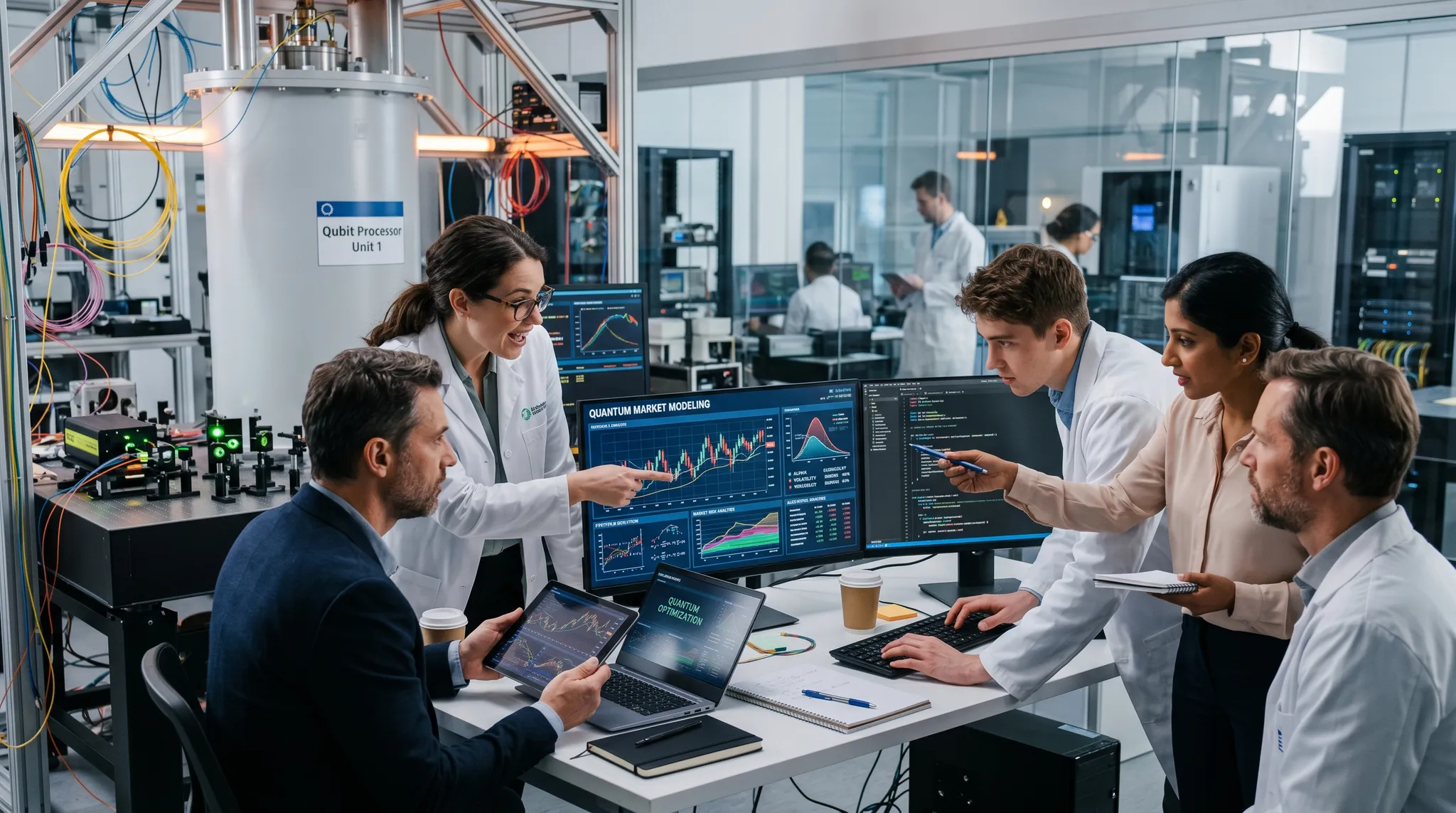
Experts also highlight the emergence of new job categories such as AI trainers, data annotators, automation specialists, and human-AI interaction designers. At the same time, traditional roles are being redefined, requiring employees to adapt to evolving responsibilities and workflows.
Another critical aspect of this transformation is the shift toward flexible and remote work models, enabled by digital tools and AI-powered collaboration platforms. Companies are leveraging automation to streamline workflows, enhance communication, and maintain productivity in distributed work environments.
Despite the challenges, many experts believe that AI will ultimately augment human capabilities rather than replace them entirely. By taking over routine tasks, AI allows employees to focus on higher-value activities, fostering innovation and improving job satisfaction.
Nevertheless, the transition requires careful planning and collaboration between businesses, governments, and educational institutions. Policymakers are increasingly focusing on creating frameworks that support workforce adaptation, ensure fair labor practices, and promote inclusive growth.
Looking ahead, the future of work will be defined by a balance between technological advancement and human adaptability. Organizations that prioritize continuous learning, invest in talent development, and embrace human-AI collaboration will be best positioned to succeed in this new era.


