TechFintech9 MIN READ

From Delivering Packages to Delivering Loans: Delhivery's Quiet Pivot Into Lending

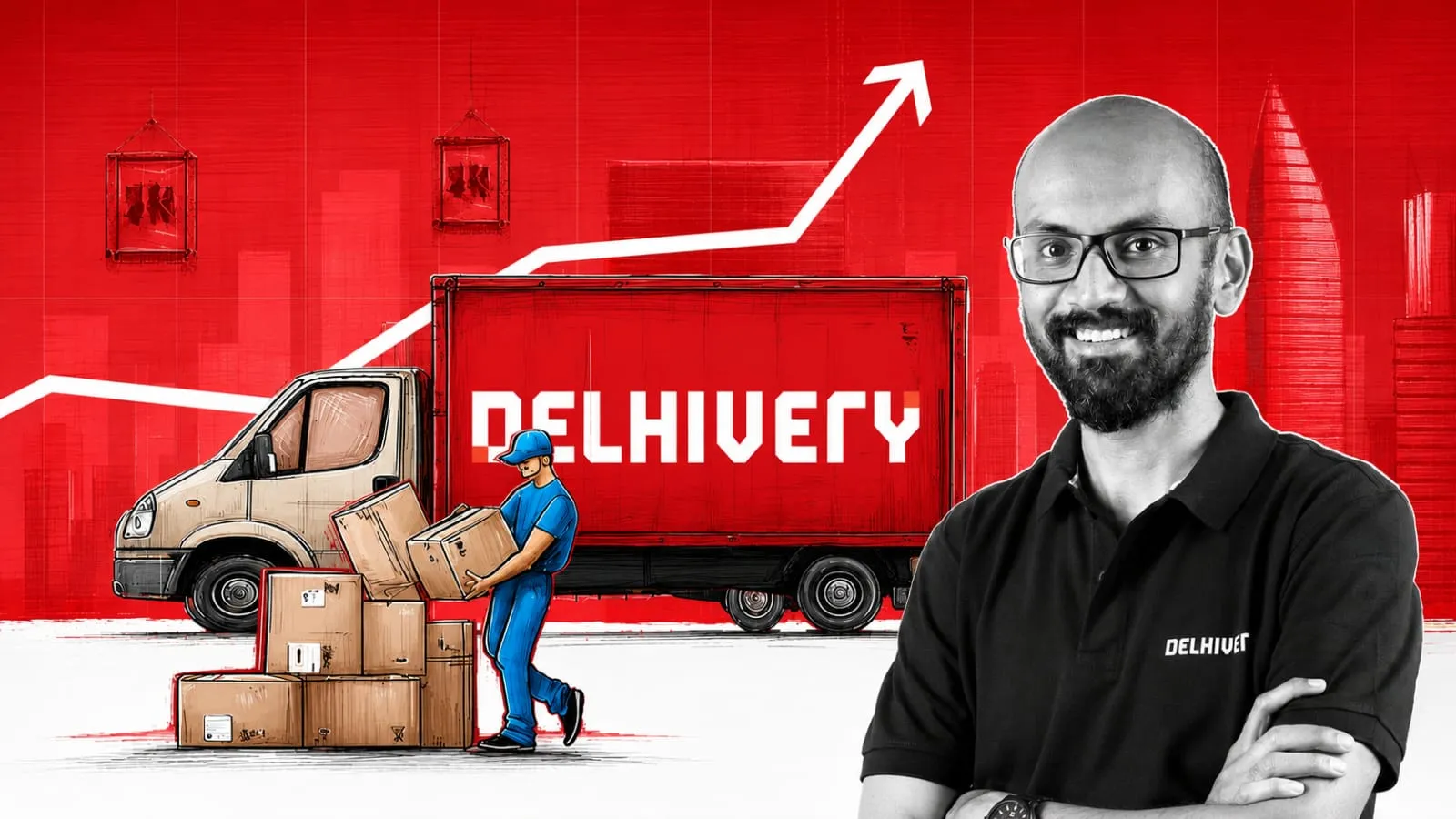
Delhivery Financial Services has received RBI approval for a Type II NBFC-ND license, marking the logistics major's formal entry into lending. Here's what it means for the company and India's embedded finance trend.

By Nisha Omkumar · Author15 July 2026Trending
From Delivering Packages to Delivering Loans: Delhivery's Quiet Pivot Into Lending

Delhivery has spent over a decade building itself into one of India's most recognizable logistics and supply chain companies, the invisible infrastructure behind millions of e-commerce deliveries that arrive at doorsteps across the country every day. This month, the company took a decisive step toward a different kind of business altogether: on July 13, 2026, Delhivery Financial Services received approval from the Reserve Bank of India for a Type II Non-Banking Financial Company (NBFC-ND) license, formally clearing the path for the logistics major to begin operating as a licensed lender.

What a Type II NBFC-ND license actually permits

For readers unfamiliar with India's financial regulatory architecture, it's worth explaining what this specific classification means. Non-Banking Financial Companies (NBFCs) are financial institutions that provide banking-like services — including lending, asset financing, and various forms of credit — but which do not hold a full banking license and are therefore not permitted to accept demand deposits in the way traditional banks can. The "ND" designation indicates a Non-Deposit-taking NBFC, meaning Delhivery Financial Services will not be able to accept public deposits, but can still extend loans and other forms of credit using capital raised through other channels, such as equity infusions from its parent company, borrowings from banks and other financial institutions, or the issuance of bonds and other debt instruments.

The "Type II" categorization within the NBFC-ND framework refers to a specific RBI classification based on the scale and risk profile of an NBFC's operations, generally associated with entities that have crossed certain asset size thresholds and are consequently subject to a somewhat more comprehensive regulatory and reporting framework than the smallest, most lightly regulated NBFC categories — though still less stringent than the requirements applied to full-fledged banks or the largest, systemically important NBFCs that fall under the RBI's "upper layer" classification introduced under its scale-based regulatory framework for the non-banking financial sector.

Securing this license is not a trivial regulatory achievement — the RBI's approval process for NBFC licenses involves rigorous scrutiny of the applicant's capital adequacy, governance structure, business model viability, and fit-and-proper assessment of promoters and key management personnel, reflecting the central bank's broader mandate to ensure that entities extending credit within the Indian financial system, even outside the traditional banking channel, meet baseline standards of financial soundness and governance.

Why a logistics company wants to become a lender
WhatsApp Image 2026-07-15 at 2.28.01 PM.jpeg

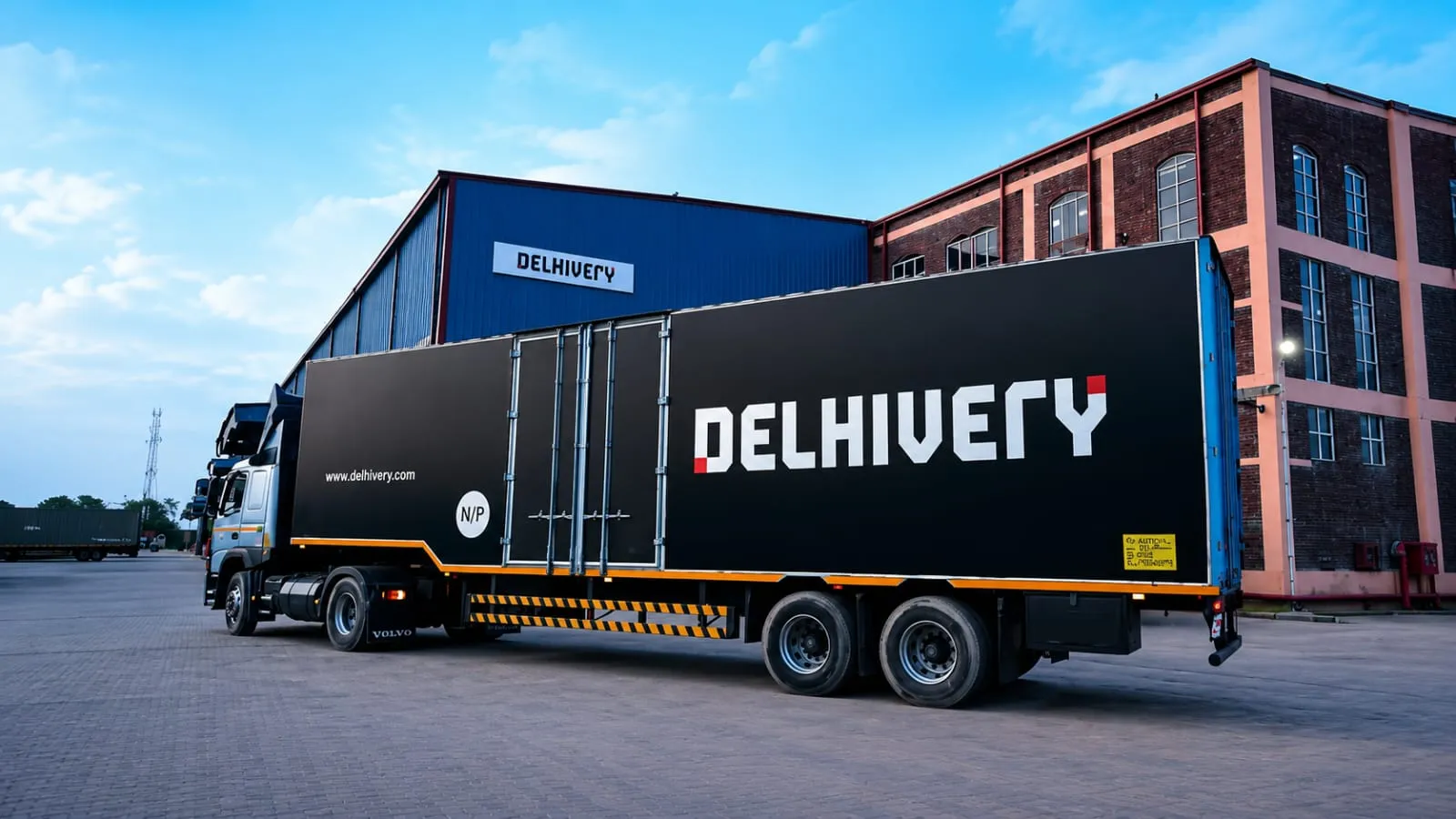
The strategic logic behind Delhivery's move into licensed lending becomes clearer when viewed through the lens of the company's existing business relationships and the broader trend of "embedded finance" that has been reshaping how technology and platform companies think about revenue diversification globally, and increasingly, in India specifically.

Delhivery's core logistics business gives it an unusually rich and granular view into the operational and financial health of the businesses it serves — the e-commerce sellers, small and medium enterprises, and larger retail brands that rely on Delhivery's network to fulfill orders across India. Through this operational relationship, Delhivery accumulates detailed data on these businesses' shipment volumes, order patterns, seasonal fluctuations, return rates, and various other operational metrics that, when analyzed thoughtfully, can serve as a powerful proxy for assessing a business's underlying financial health and creditworthiness — arguably a richer and more real-time data set than what a traditional bank would typically have access to when evaluating a small business loan application based primarily on historical financial statements and credit bureau data.

This dynamic — where a company's core operational data becomes the foundation for a lending business — is often referred to as "embedded finance," and it has become an increasingly common strategic play among platform businesses globally, from e-commerce marketplaces extending working capital loans to their sellers, to ride-hailing platforms offering vehicle financing to their driver partners, to business software companies building lending products on top of the financial data they already collect through their core software offering. For Delhivery, extending credit — potentially in the form of working capital loans, invoice financing, or logistics-linked credit products — to the e-commerce sellers and SMEs that already form its core customer base represents a natural extension of its existing business relationships, one that could both generate a new revenue stream and deepen the stickiness of its relationships with existing logistics clients, who might be less inclined to switch to a competing logistics provider if they're also relying on Delhivery for working capital financing.

The broader context: India's embedded finance and NBFC boom

Delhivery's move needs to be understood within a broader wave of Indian technology and platform companies pursuing NBFC licenses or partnering with existing NBFCs to build lending products on top of their core businesses. This trend has been driven by several converging factors: India's historically underserved small and medium enterprise lending market (where traditional banks have often been reluctant to extend credit due to the perceived difficulty of assessing creditworthiness for businesses with limited formal financial documentation), the proliferation of digital payments and data infrastructure that makes alternative credit assessment models increasingly viable, and the RBI's own evolving regulatory stance, which has sought to balance encouraging financial inclusion and innovation with ensuring adequate consumer protection and systemic risk management as the NBFC sector has grown to represent an increasingly significant share of India's overall credit market.
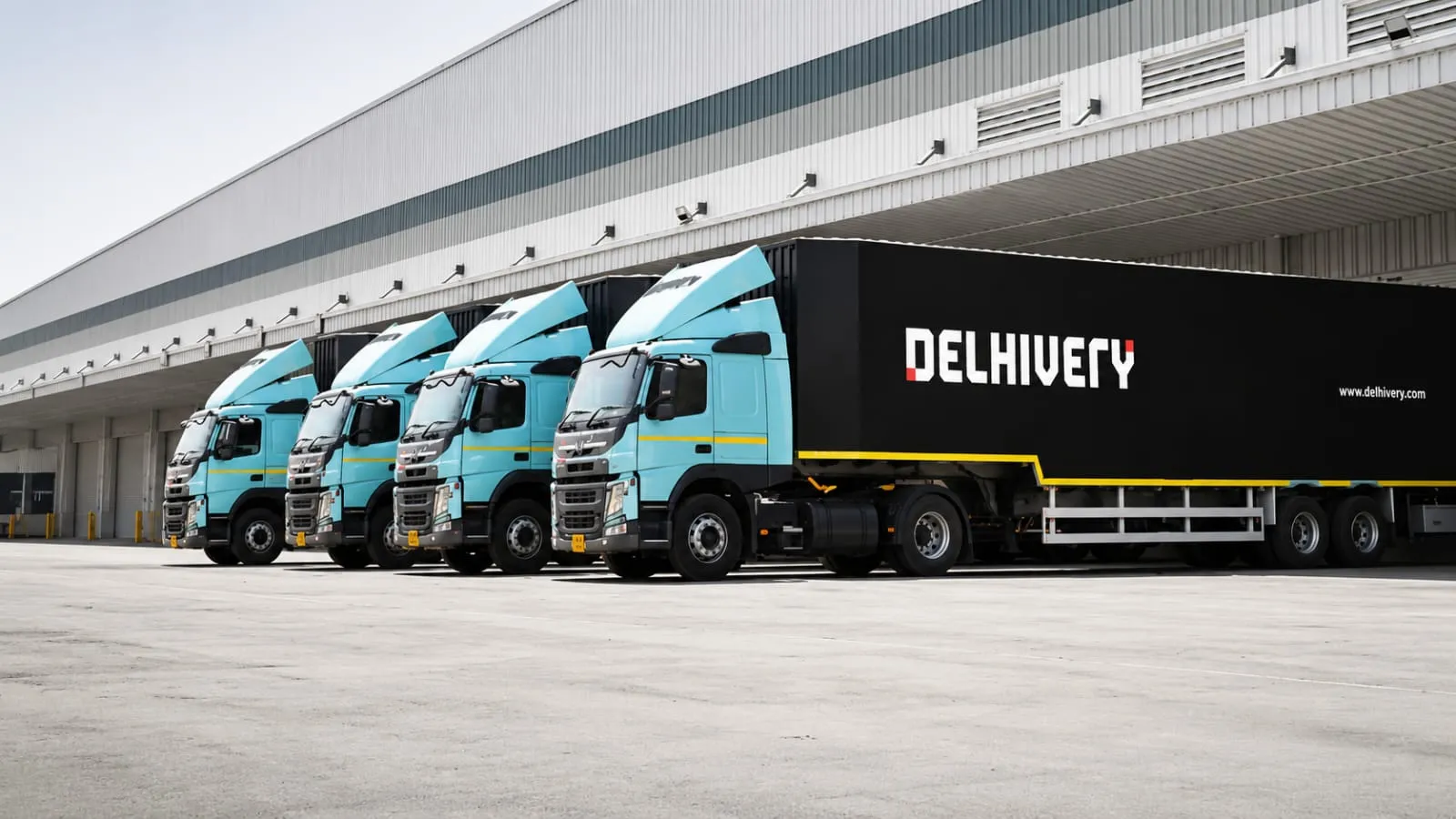

Delhivery's operational data advantages could provide a genuine edge in underwriting decisions if effectively leveraged — but building sound lending infrastructure is a materially different organizational capability than running a logistics network.
Editorial Desk

The NBFC sector's growth has not been without controversy or risk, however — India has experienced periodic episodes of stress within specific NBFCs or segments of the sector over the past several years, incidents that have prompted the RBI to progressively tighten its regulatory framework for NBFCs, including the introduction of the scale-based regulatory approach that categorizes NBFCs into different regulatory tiers based on their size and systemic importance, with correspondingly more stringent requirements for larger, more systemically significant entities. Delhivery Financial Services' successful navigation of the RBI's approval process for even a Type II license reflects the increased regulatory scrutiny that has come to characterize the sector in recent years, a marked shift from the relatively lighter-touch regulatory environment that prevailed in earlier periods of the NBFC sector's growth.

What this means for Delhivery's business model

WhatsApp Image 2026-07-15 at 2.28.01 PM (1).jpeg

For Delhivery as a company, the NBFC license represents a meaningful diversification of its revenue base beyond its core logistics operations, which — while substantial in scale — operate in a highly competitive market characterized by relatively thin margins, given the intense price competition among logistics providers serving India's e-commerce sector, and the capital-intensive nature of building and maintaining the warehousing, transportation, and last-mile delivery infrastructure that underpins the business. Lending, by contrast, can offer considerably higher margins when executed well, though it also introduces credit risk — the possibility that borrowers default on their loans — that is a fundamentally different risk profile than the operational and logistical risks Delhivery has traditionally managed as a shipping and fulfillment company.

Successfully managing this credit risk will likely be the central determinant of whether Delhivery's foray into lending proves to be a valuable strategic diversification or a costly distraction from its core competency. The company's existing data advantages — its granular visibility into its logistics clients' shipment and order patterns — could provide a genuine edge in underwriting decisions if effectively leveraged, but building the risk management, collections, and regulatory compliance infrastructure necessary to run a sound lending operation is a materially different organizational capability than running a logistics network, and companies that have attempted similar embedded finance pivots in other markets have had decidedly mixed track records, with some successfully building durable, profitable lending businesses, and others encountering significant credit losses or regulatory challenges that forced a scaling back of their lending ambitions.

The competitive landscape

Delhivery is not alone in pursuing this embedded finance strategy among Indian logistics and e-commerce-adjacent platforms. Various players across India's digital commerce ecosystem — from larger e-commerce marketplaces to payment companies to other logistics providers — have been building or exploring similar lending capabilities aimed at the same broadly underserved population of small and medium enterprise borrowers who form the backbone of India's vast e-commerce seller ecosystem. This growing competitive field means that Delhivery's NBFC license, while a meaningful regulatory milestone, is really just the starting point for what will likely be an extended period of building out lending products, underwriting models, and go-to-market strategies to actually capture meaningful market share in what remains a large but increasingly contested embedded finance opportunity within India's SME lending market.

Regulatory and strategic implications

Beyond Delhivery's own specific business strategy, this approval also carries broader signal value about the RBI's evolving stance toward platform companies entering the lending space. The central bank has, in recent years, shown a nuanced approach — encouraging the financial inclusion benefits that can come from technology-enabled lending models reaching underserved SME borrowers, while simultaneously tightening oversight to prevent the kind of underwriting laxity or governance failures that have periodically destabilized parts of the NBFC sector in the past. Delhivery Financial Services' successful approval suggests the company was able to satisfy the RBI's current standards for governance, capital adequacy, and business model soundness, offering a data point for other platform companies considering similar moves into licensed lending about the kind of regulatory bar they'll need to clear.

What to watch next

As Delhivery Financial Services begins operationalizing its newly acquired license, several things will be worth monitoring: the specific lending products the company chooses to launch first (working capital loans and invoice financing for existing logistics clients seem the most natural starting point, given the company's existing data and relationships), the scale of capital the parent company commits to fund the lending book, and — over a longer time horizon — asset quality metrics like non-performing loan ratios, which will ultimately determine whether Delhivery's underwriting approach, informed by its logistics data advantages, proves genuinely differentiated from traditional lending approaches, or whether it encounters the kind of credit losses that have humbled other ambitious embedded finance initiatives in India's crowded fintech and NBFC landscape.

For now, the RBI's approval marks a significant, if still early-stage, step in Delhivery's evolution from a pure logistics company into a broader financial services and technology platform — a transition that, if successful, could meaningfully reshape both the company's own growth trajectory and the competitive dynamics of India's SME lending market more broadly.

TagsDelhiveryNBFCRBIApprovalEmbeddedFinanceFintechIndiaLogisticsIndiaSupplyChainFinanceDigitalLendingIndiaStartupsFinancialInclusion

Reader reviews

Sign in to rate and review this article.
Loading reviews…

