Results (998 found)

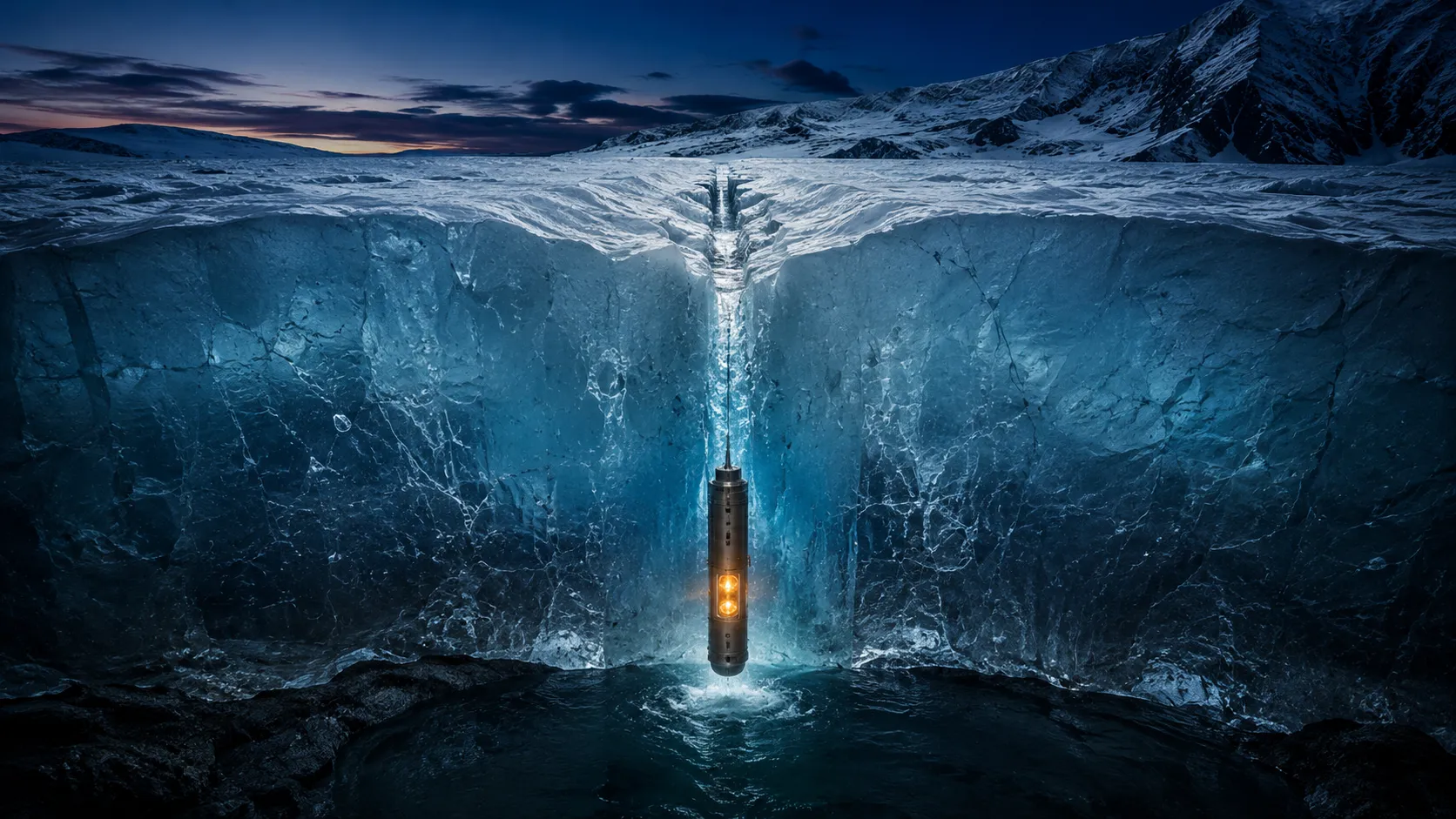
The Space Submarine: How a Nuclear-Powered Cryobot Melted Through 800 Meters of Ice—and Set Its Sights on Alien Oceans
TechMay 21, 2026

The Space Submarine: How a Nuclear-Powered Cryobot Melted Through 800 Meters of Ice—and Set Its Sights on Alien Oceans

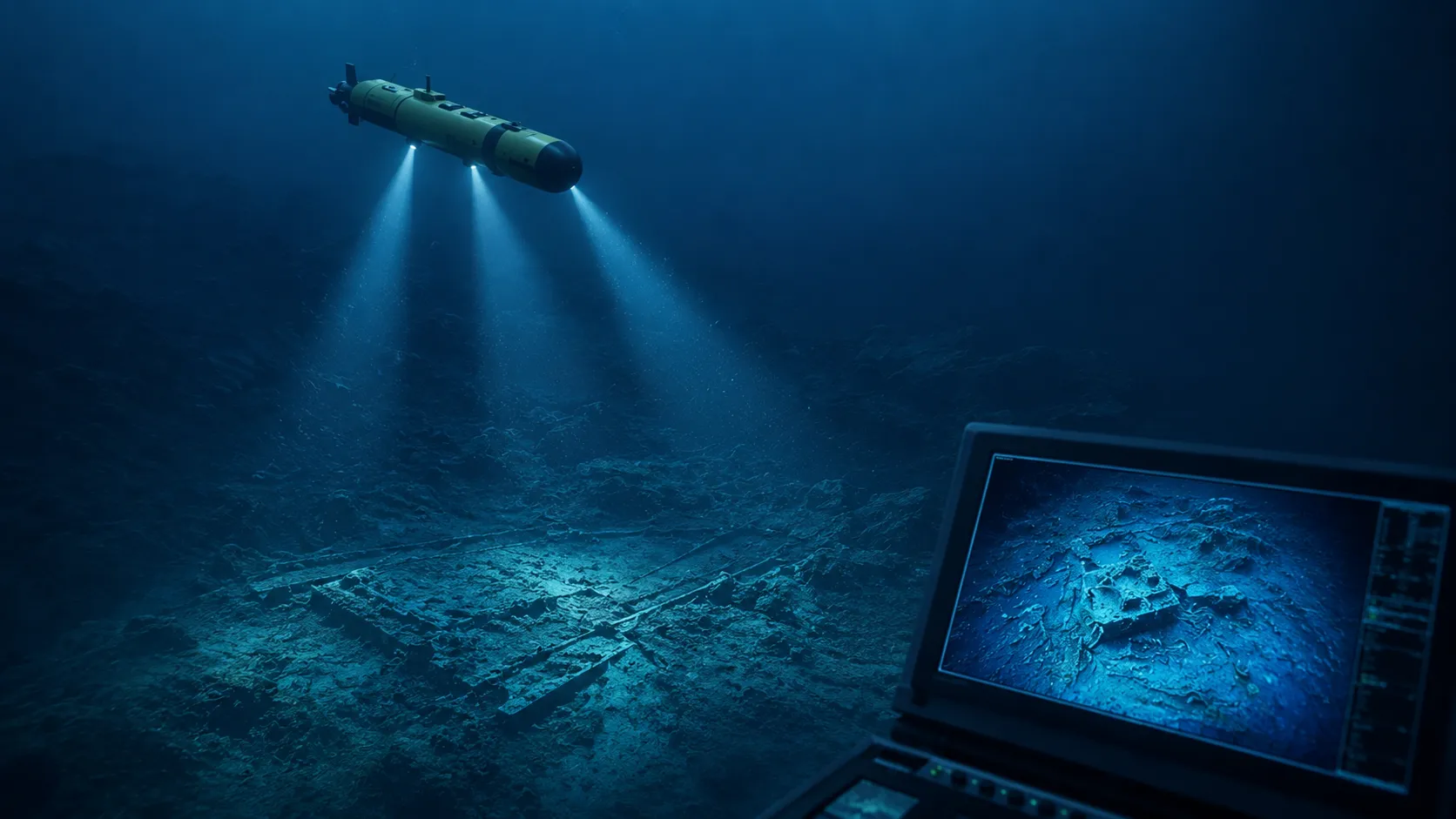
Deep inside the Matanuska Glacier, where the ice has been frozen for ten thousand years and the pressure is enough to crush a steel hull, a machine the size of a telephone pole has been quietly making history. It has no wheels, no drill bit, no mechanical arms to scrape away the frozen walls around it. It moves by melting. A nuclear heat source, encased in a sterile, torpedo-shaped shell, warms the ice just enough to turn it into a thin film of water, and the probe sinks downward, inch by inch, hour by hour, for eighteen months. When it finally stopped, it had traveled 800 meters straight down, through the full thickness of the glacier, and emerged into the subglacial lake below.
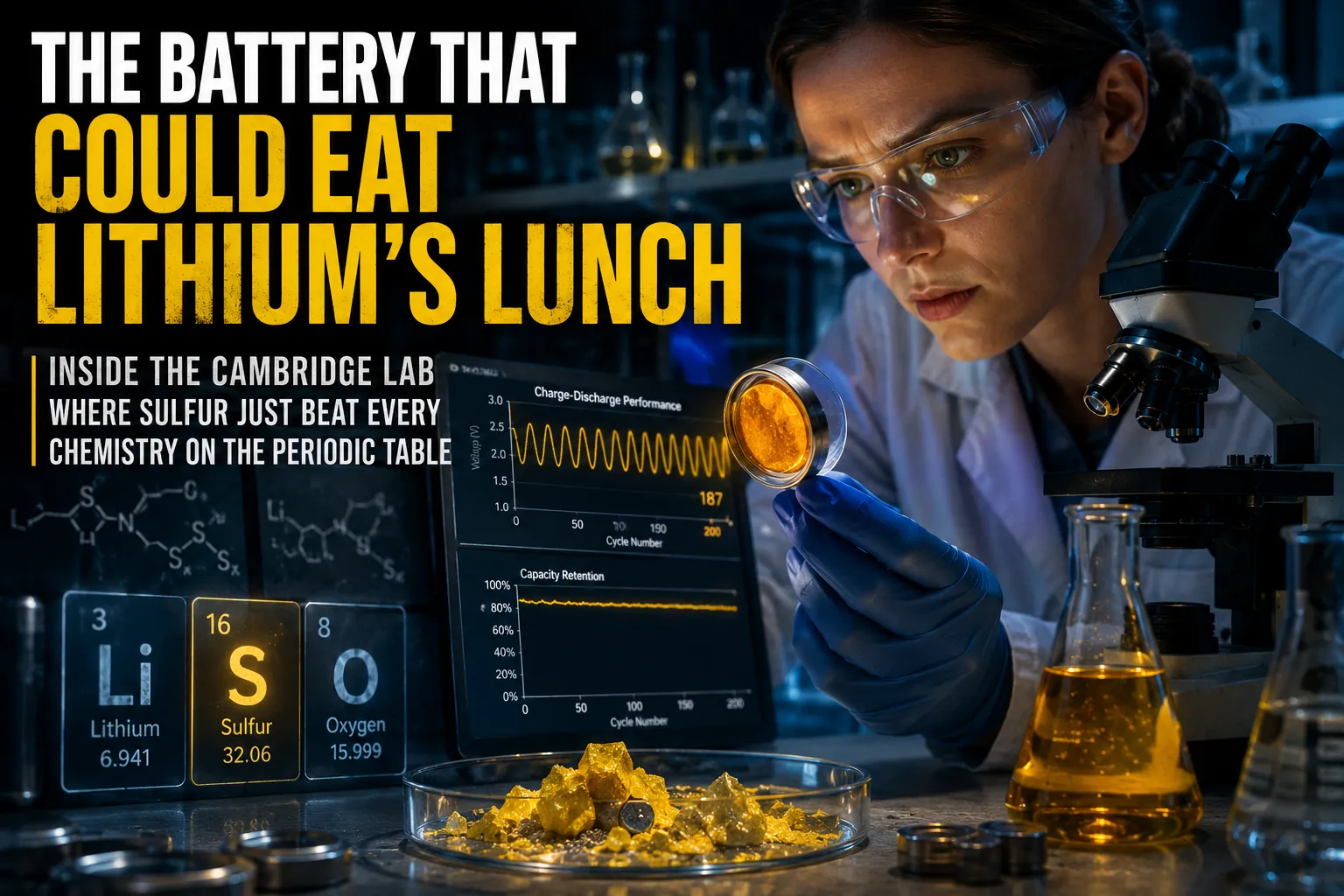
The Battery That Could Eat Lithium's Lunch: Inside the Cambridge Lab Where Sulfur Just Beat Every Chemistry on the Periodic Table
TechMay 21, 2026

The Battery That Could Eat Lithium's Lunch: Inside the Cambridge Lab Where Sulfur Just Beat Every Chemistry on the Periodic Table

The quest for a better battery has consumed more capital, more scientific talent, and more failed promises than almost any other technology in the modern era. Solid-state lithium-metal batteries. Lithium-air batteries. Sodium-ion batteries. Graphene supercapacitors. Flow batteries. Each has arrived with breathless claims and departed with quiet disappointment, unable to match the relentless, incremental improvement of the lithium-ion cells that power everything from smartphones to electric vehicles to the grid storage facilities that are beginning to replace natural gas peaker plants.

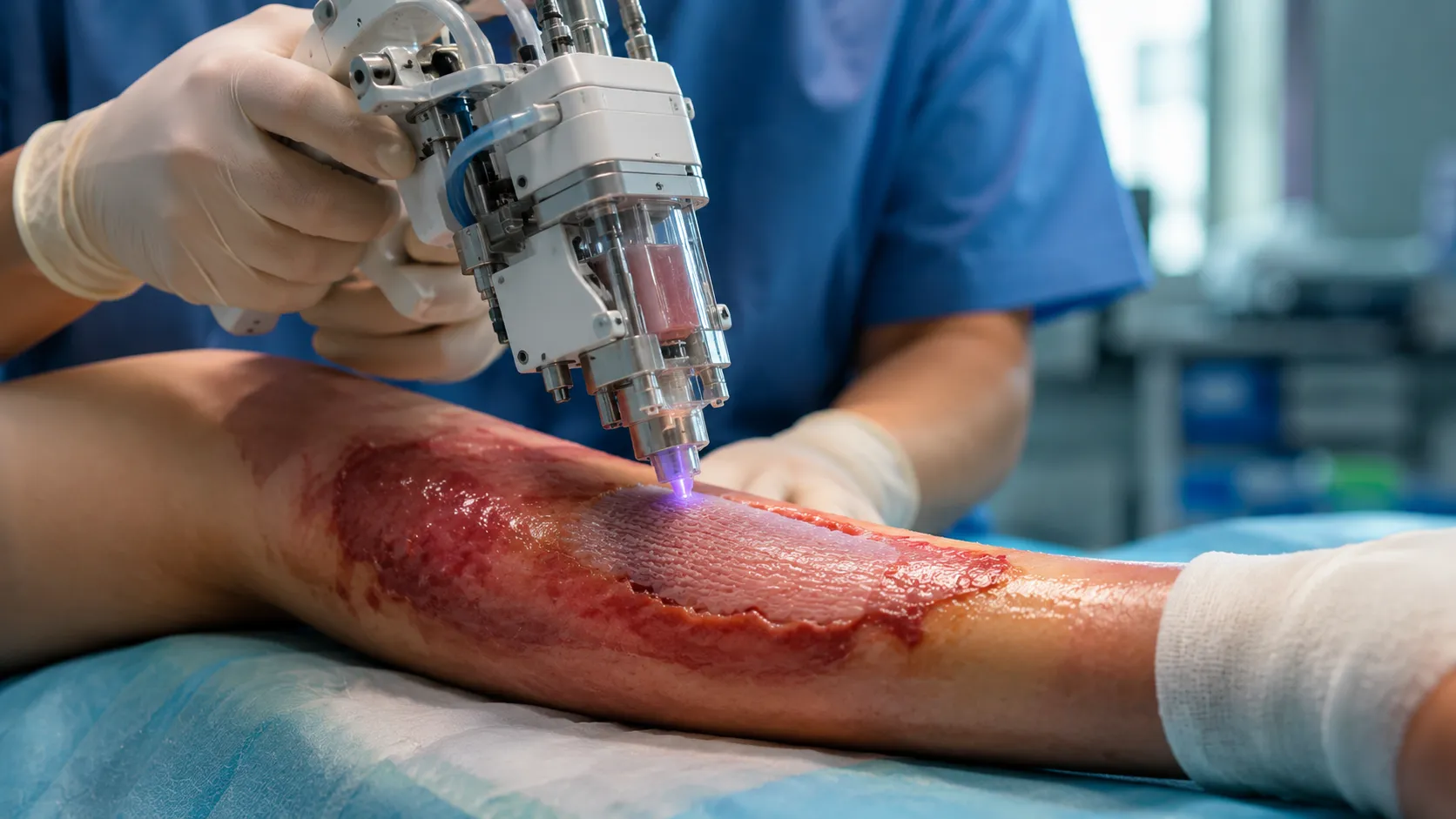
The Handheld Device That Paints New Skin: How a 2-Kilogram Bioprinter Could Make Burn Centers Obsolete
TechMay 21, 2026

The Handheld Device That Paints New Skin: How a 2-Kilogram Bioprinter Could Make Burn Centers Obsolete

On the third floor of the Stanford University School of Medicine, a team of bioengineers has built a machine that sounds like science fiction and looks like a hot glue gun. It weighs less than 2 kilograms. It fits in a paramedic's backpack. It uses living human cells—fibroblasts, keratinocytes, the building blocks of skin—as its ink. And it prints new skin directly onto wounds, layer by layer, without grafts, without donors, without the painful, scarring, months-long process that has been the standard of care for severe burns and deep wounds since the invention of the skin graft in the 19th century.

The Drone That Found MH370? How a New Seabed Scanning Technology Mapped 28% of the Missing Search Zone in 6 Days
TechMay 21, 2026

The Drone That Found MH370? How a New Seabed Scanning Technology Mapped 28% of the Missing Search Zone in 6 Days

On March 8, 2014, Malaysia Airlines Flight 370 departed Kuala Lumpur International Airport bound for Beijing with 239 people aboard. Thirty-eight minutes into the flight, the aircraft's transponder went silent. Military radar tracked it deviating westward across the Malay Peninsula, then north up the Strait of Malacca, before it disappeared entirely. In the twelve years since, the search for MH370 has become the most expensive and most frustrating aviation investigation in history. It has covered more than 120,000 square kilometers of the southern Indian Ocean. It has cost hundreds of millions of dollars. It has found fragments of wreckage washed ashore on the coasts of Africa and islands in the Indian Ocean, confirming that the aircraft crashed into the sea. But the main wreckage—the fuselage, the black boxes, the answers that the families of the 239 have been waiting for—has never been found.

The Wave Machine That Wouldn't Die: How a Dutch Engineer Built an Energy Device That Survived a Hurricane—and Could Power 10 Million Homes
TechMay 21, 2026

The Wave Machine That Wouldn't Die: How a Dutch Engineer Built an Energy Device That Survived a Hurricane—and Could Power 10 Million Homes

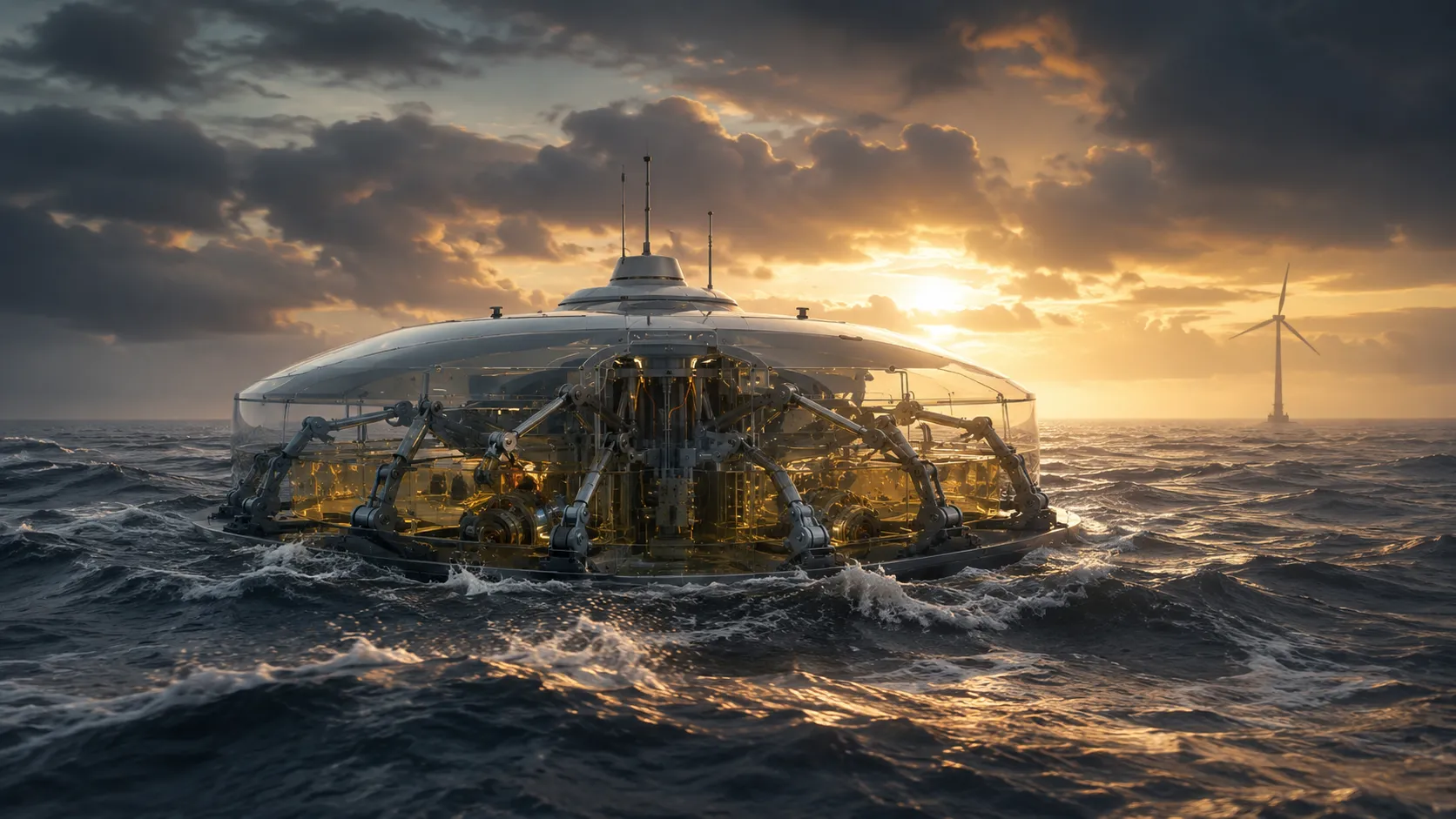
For more than a century, engineers have looked at the ocean and seen the same thing: an impossibly powerful, endlessly renewable source of energy, waiting to be harnessed. The math is seductive. The theoretical potential of wave energy is estimated at 29,500 terawatt-hours per year—roughly double the total global electricity consumption. The waves never stop. They are predictable days in advance. They are dense with energy, carrying a thousand times more kinetic power than wind over the same area. And yet, for decade after decade, wave energy has been the graveyard of engineering ambition, littered with the wreckage of prototypes that worked beautifully in computer simulations and failed catastrophically the moment they hit real water.

The Superconductor That Won't Die: Inside the Room-Temperature Claim That Could Change Civilization—If Anyone Can Replicate It
TechMay 21, 2026

The Superconductor That Won't Die: Inside the Room-Temperature Claim That Could Change Civilization—If Anyone Can Replicate It

On the afternoon of May 12, 2026, a paper appeared in the journal Nature that sent a tremor through the global physics community. A team at the University of Houston, led by Professor Liangzi Deng, claimed to have achieved room-temperature superconductivity at 24 degrees Celsius—roughly the temperature of a comfortable living room—under moderate pressure in a nitrogen-doped lutetium hydride compound. The material, a blue-black crystal synthesized in a diamond anvil cell, carried electrical current with zero measurable resistance while expelling magnetic fields in the unmistakable signature of the Meissner effect. The data, at least in the paper, was clean. The resistivity dropped to zero at 294 Kelvin. The magnetic susceptibility showed a sharp diamagnetic transition. The graphs looked like textbook examples of superconductivity, except for one detail that made them extraordinary: they were recorded at room temperature

The Bacteria That Build Buildings: How a Concrete Pill That Heals Cracks Could Double the Life of Every Bridge in America
TechMay 21, 2026

The Bacteria That Build Buildings: How a Concrete Pill That Heals Cracks Could Double the Life of Every Bridge in America

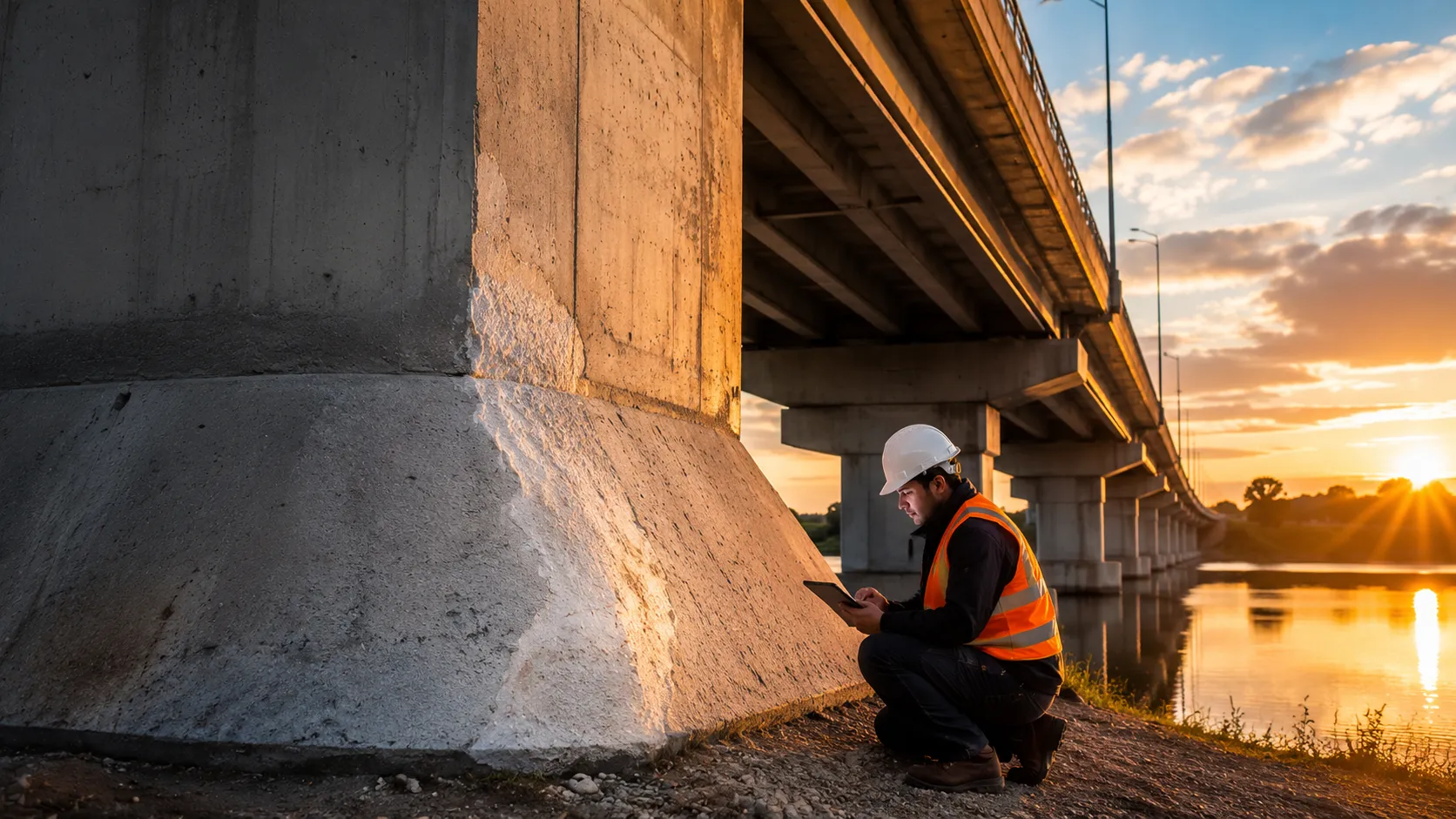
On a test platform at MIT's Civil and Environmental Engineering laboratory, a block of concrete has been sitting under a drip-feed of salt water for eight months. The block is cracked—intentionally, with a hydraulic press that opened a fissure half a millimeter wide and three centimeters deep. In ordinary concrete, that crack would be a death sentence. Water would seep in, reach the steel reinforcement bars inside, and begin the slow, inexorable process of rust that causes concrete to spall, crumble, and eventually fail. The bridge would need repair. The building would need reinforcement. The bill would arrive, eventually, in the millions.

Load More Results