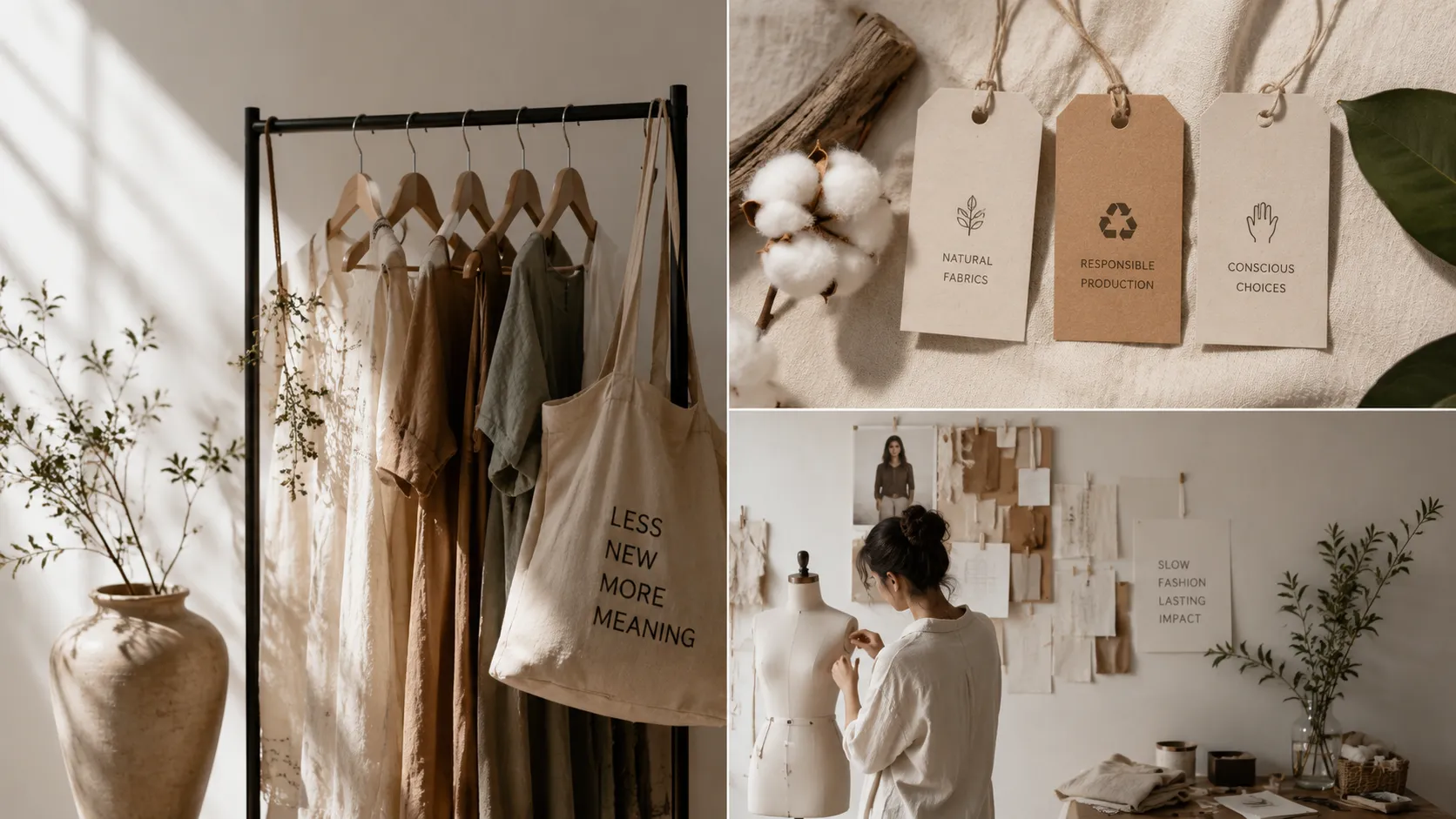
A Culture Built Around Constant Newness Is Beginning To Ask A Different Question About Consumption
Fashion historically moved through speed. New collections arrived season after season, trends shifted rapidly and consumer culture frequently rewarded novelty because change itself often became central to how the industry operated. Across global fashion ecosystems, growth frequently depended upon producing more, introducing more and encouraging consumers to continually replace what already existed. Public conversations around style often celebrated creativity and expression while discussions involving environmental impact frequently remained positioned at the edges of mainstream attention.
Over time, however, another conversation quietly began developing beneath the surface. Climate concerns, waste discussions and broader awareness surrounding consumption patterns increasingly pushed uncomfortable questions into industries historically driven by expansion. Fashion itself gradually entered those conversations because it frequently occupied an unusual position within modern consumer life. Unlike many sectors where environmental consequences remain relatively invisible, fashion intersects directly with everyday habits. People purchase it, wear it and replace it repeatedly. As a result, broader questions involving sustainability increasingly began moving closer toward discussions surrounding personal behavior rather than abstract environmental policy.
Across India, this broader shift increasingly appears entering a different phase. Sustainability conversations no longer seem limited to niche environmental communities or specialized ethical-fashion labels alone. Increasingly, designers, independent creators and newer fashion brands appear experimenting with ideas involving slower production cycles, handcrafted processes, recycled materials and more conscious approaches toward consumption itself. What initially appeared like isolated experimentation increasingly resembles a wider cultural shift where fashion itself may be beginning to ask whether speed should remain its defining principle.
Viewed independently, these developments may initially appear like another design trend or aesthetic preference. Viewed through a broader impact lens, however, they increasingly raise larger questions involving culture, identity and how societies increasingly understand consumption itself.
Younger Consumers Increasingly Appear To Be Buying Stories Alongside Products
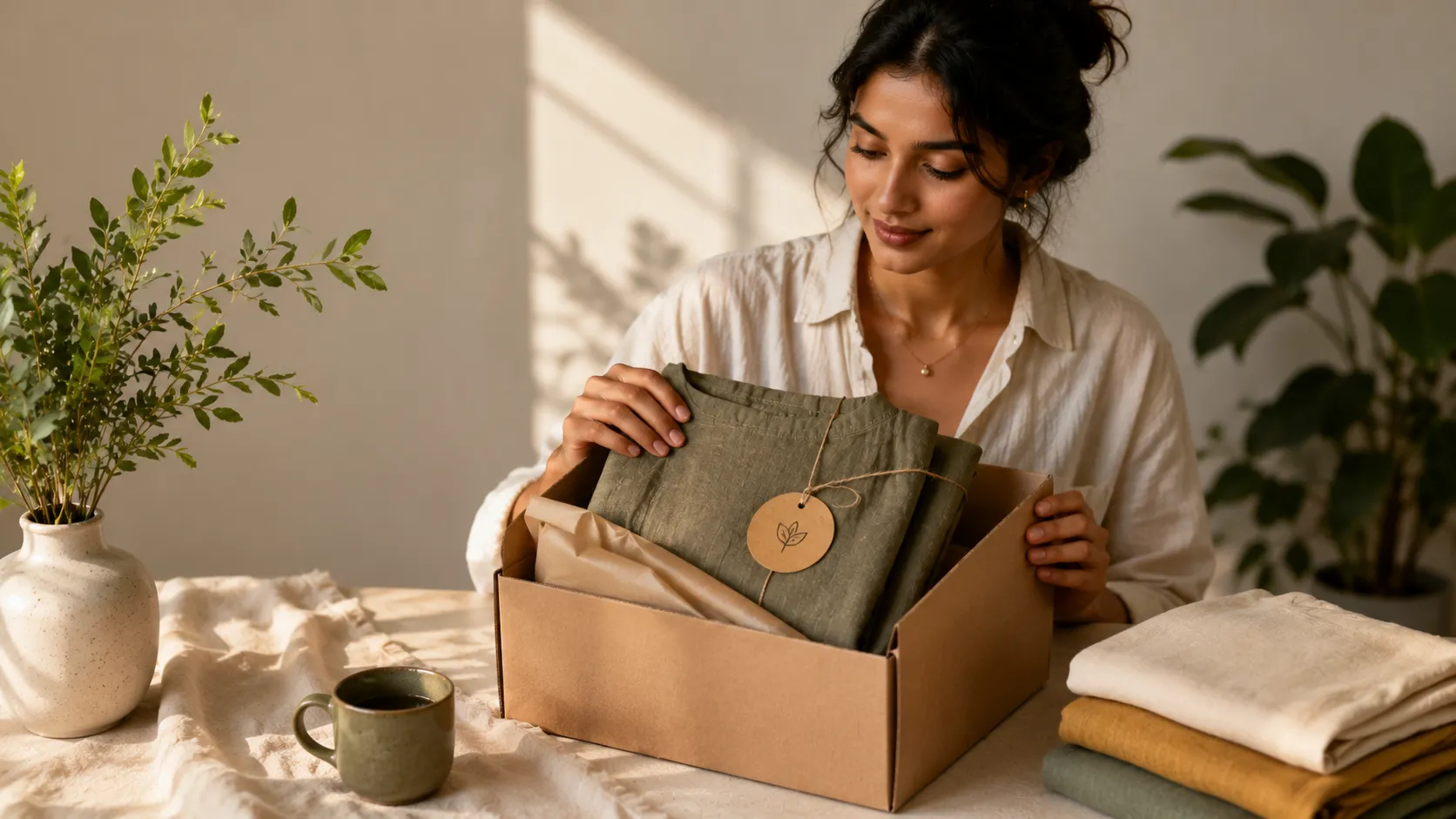
Historically, fashion purchasing frequently revolved around style, aspiration and visibility. Consumers often selected clothing because products reflected trends, status or broader ideas involving identity. While craftsmanship and material quality always mattered, larger purchasing environments often operated through novelty and changing seasonal behavior.
Increasingly, however, consumer relationships with fashion appear becoming more layered. Younger audiences increasingly continue asking where products come from, who makes them and how production itself affects larger systems involving labor, waste and environmental impact. Social media conversations increasingly expose consumers to stories surrounding sourcing, artisan communities and production realities previously hidden from public visibility.
This shift increasingly matters because consumer behavior frequently changes industries long before policy does. Fashion environments increasingly appear responding not simply to aesthetics but also to questions involving values and responsibility. The broader significance increasingly suggests consumers may no longer purchase products solely around appearance itself but increasingly around narratives and meaning attached to them.
Designers Increasingly Appear To Be Rethinking Creation Rather Than Simply Clothing
Part of the significance surrounding India’s evolving sustainability movement increasingly involves broader changes occurring inside creative environments themselves. Historically, designers frequently operated inside systems rewarding speed, trend responsiveness and repeated output because visibility often depended upon staying aligned with rapidly changing consumer expectations.
Increasingly, however, parts of designer culture appear moving through a different direction. Across independent labels and emerging design communities, conversations increasingly involve handmade processes, slower production timelines, textile revival and recycled materials integrated into contemporary aesthetics. Several Indian designers and sustainability-focused initiatives increasingly continue exploring ways of preserving traditional practices while simultaneously responding to changing environmental concerns.
Importantly, this transition increasingly appears extending beyond materials alone.
This broader movement increasingly matters because creative industries frequently influence cultural behavior beyond products themselves. Designers often shape aspiration and aspiration frequently influences consumption.
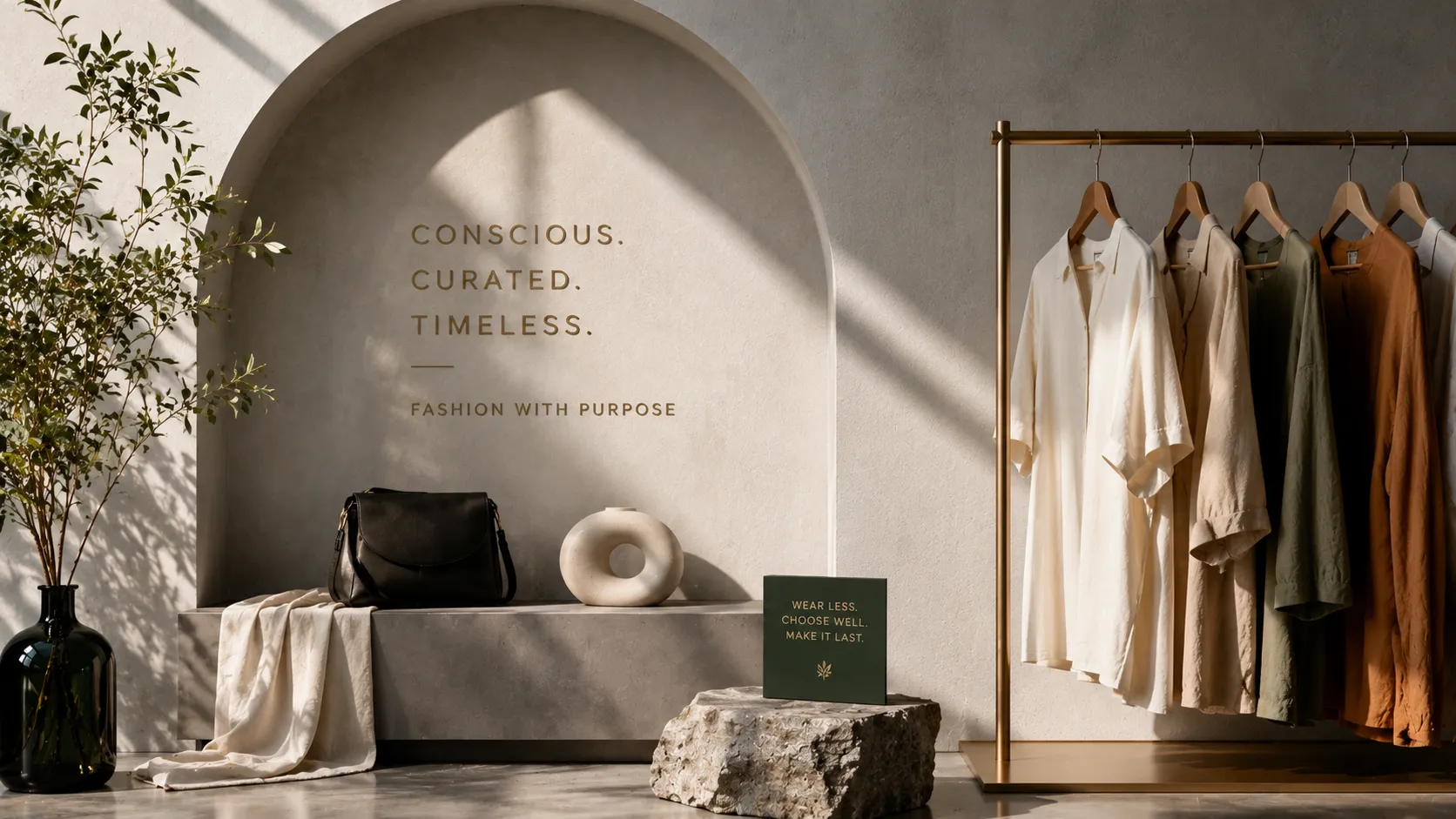
The Meaning Of Fashion Increasingly Appears To Be Expanding Beyond Trends Alone
Another important dimension emerging beneath these conversations increasingly involves changing ideas surrounding ownership and identity itself. Historically, fashion frequently reflected visibility and self-expression through acquisition because purchasing new products often represented participation within larger social environments.
Increasingly, however, younger audiences appear engaging with fashion differently. Renting, resale platforms, upcycling environments and vintage communities increasingly continue entering mainstream discussion. Simultaneously, conversations involving sustainability increasingly appear introducing broader ideas involving longevity and intentional consumption.
This transition increasingly matters because industries often evolve when people begin changing what products symbolize.
Fashion increasingly reflects values.Values increasingly influence decisions.Decisions increasingly influence markets.Markets increasingly influence culture.The broader significance increasingly suggests fashion may increasingly become a conversation involving behavior itself rather than products alone.
The Larger Story Increasingly Extends Beyond Clothing Alone
The broader significance surrounding sustainability and Indian designer culture may ultimately involve what it reveals regarding broader shifts involving consumer identity itself. Historically, industries frequently evolved around assumptions involving scale and speed because expansion frequently represented progress.
Viewed through a broader lens, however, conversations involving slower fashion increasingly resemble more than discussions surrounding clothing or environmental responsibility. They increasingly appear connected to larger realities involving attention, consumption and how societies increasingly define enough.
The larger impact story therefore may not simply involve sustainable fabrics or ethical labels. Increasingly, it may involve recognizing that some of the most important cultural shifts begin when industries built around constant acceleration begin asking whether moving slower occasionally creates something more meaningful.