For years, public conversations surrounding innovation and impact frequently followed a relatively familiar pattern. Large cities often dominated attention because progress itself frequently appeared connected to startup hubs, technology corridors and highly visible entrepreneurial ecosystems. Funding rounds, corporate announcements and policy discussions often became the most recognizable symbols of change because transformation frequently seemed associated with boardrooms, institutions and urban centers where resources naturally concentrated. As a result, many people gradually began associating meaningful progress with scale, infrastructure and environments already positioned at the center of economic activity.
Yet over recent years, another story increasingly appears unfolding beneath that familiar narrative. Across different parts of India, some of the country’s most meaningful impact stories increasingly seem emerging from villages and smaller communities where people frequently solve immediate challenges through practical innovation rather than large systems or extensive resources. In many cases, these developments do not begin with presentations, strategic roadmaps or major investment announcements. They frequently begin with everyday realities involving farming challenges, water shortages, healthcare access, education gaps or energy needs that communities experience directly and repeatedly.
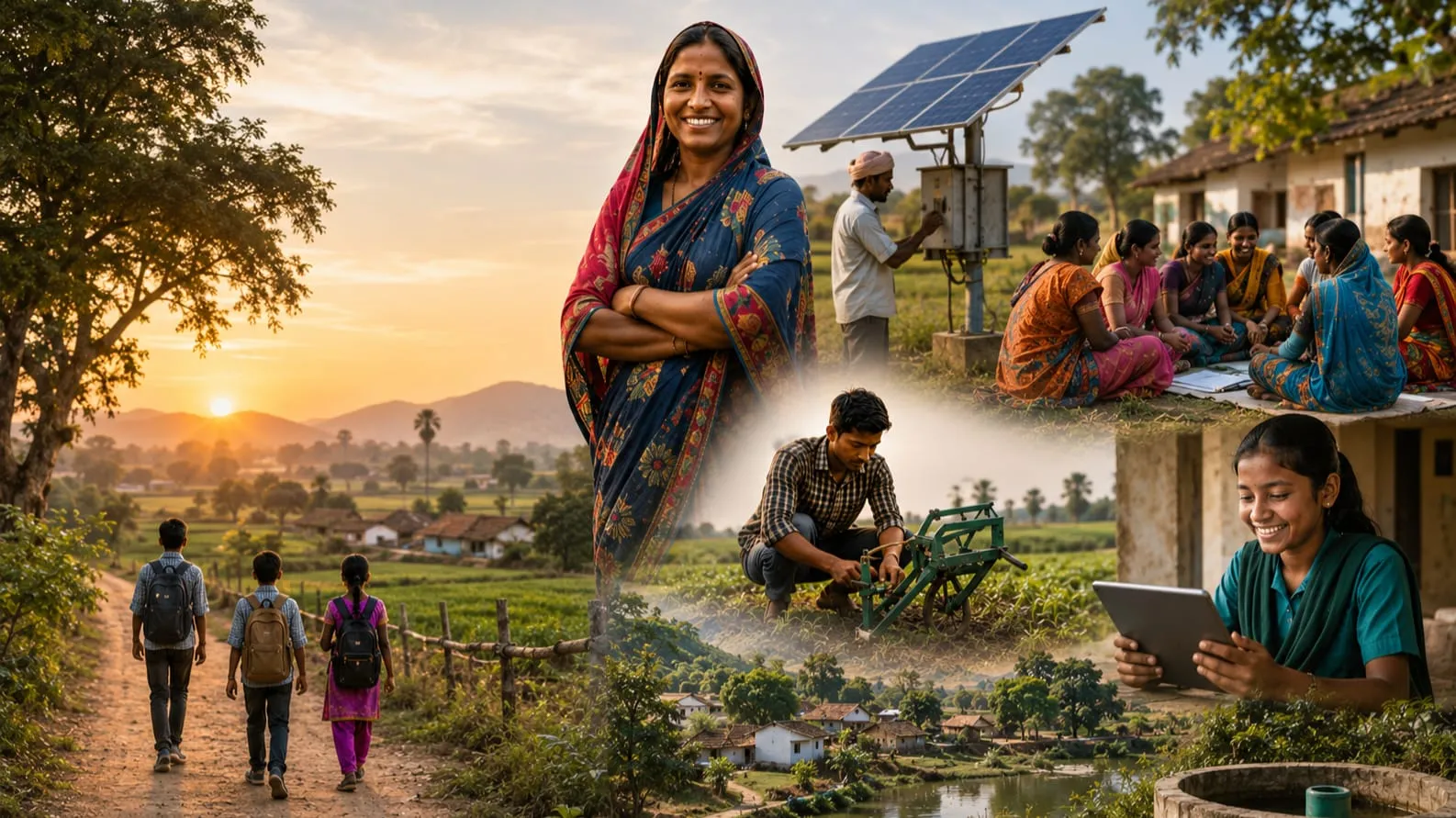
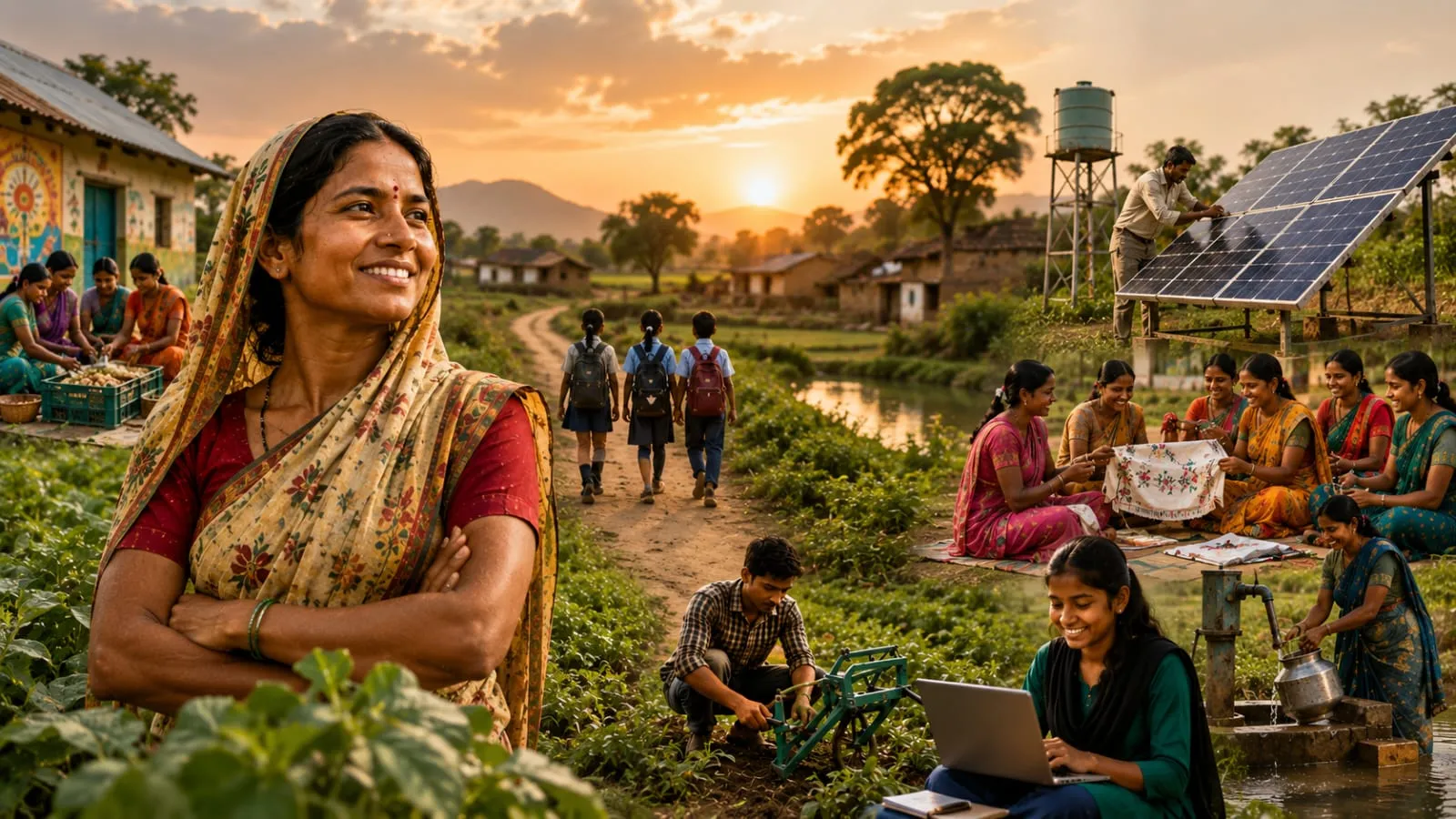
Across rural India, multiple examples increasingly reflect this broader shift. Self-help groups led by women increasingly continue transforming local economies through community-driven entrepreneurship. Rural solar initiatives increasingly create access in regions where conventional infrastructure historically remained difficult. Local innovators increasingly develop affordable farming tools, waste-management systems and low-cost solutions addressing everyday needs using highly contextual understanding. Simultaneously, digital connectivity increasingly creates visibility around individuals and communities previously operating far from national attention. While these efforts frequently begin on relatively small scales, many gradually influence broader systems over time because practical solutions often travel when they solve problems effectively.
Part of the significance surrounding these developments increasingly involves where understanding itself originates. Communities frequently experience challenges firsthand, which often creates a different relationship with problem-solving. Rather than building around abstract assumptions, local solutions frequently emerge through direct observation and lived experience. People often understand limitations intimately because they navigate them daily. As a result, innovation frequently becomes less about creating something entirely new and more about improving what already exists using available resources and local knowledge.
This broader transition increasingly matters because impact itself frequently operates differently from visibility. Large announcements often attract immediate attention, while community transformations frequently evolve gradually and quietly. Yet over time, smaller interventions frequently create substantial effects because they influence livelihoods, participation and daily experience simultaneously. Rural innovation frequently appears practical rather than dramatic, but practicality itself often determines whether solutions survive beyond initial excitement.
Another important change increasingly involves how villages themselves are being understood. Historically, rural environments frequently entered national conversations through frameworks involving development gaps and infrastructure challenges. Increasingly, however, villages appear entering broader discussions through entrepreneurship, local leadership and community-led experimentation. Younger populations increasingly combine technology access with local understanding, while grassroots organizations increasingly support environments where solutions emerge closer to the communities they aim to serve.
The larger impact story therefore may not simply involve individual innovations or isolated community successes. Increasingly, it may involve recognizing that some of India’s most meaningful transformations frequently begin far from highly visible business ecosystems. Because while boardrooms frequently discuss the future, villages increasingly appear building parts of it through solutions shaped by necessity, proximity and everyday experience itself.