Results (998 found)

The Flipkart Brain Behind a $63 Million Travel Fintech Bet—And a Valuation That Just Doubled
StartupsMay 24, 2026

The Flipkart Brain Behind a $63 Million Travel Fintech Bet—And a Valuation That Just Doubled

Anil Goteli was 4 a.m. awake in a Dharamshala hotel lobby, his family asleep upstairs, the December cold pressing against the windows. He had left Flipkart after nearly a decade—the books business, the home and furniture division, the entire marketplace, the pricing algorithms, the Big Billion Days. He had helped build India's largest e‑commerce company from a scrappy startup into a Walmart‑owned giant. And now, at 4 a.m. on what was supposed to be a vacation, he was trying to decide what to build next. "I was constantly thinking about what to build," he recalled. "Then one morning it struck me, why don't I build a card that rewards people for travel?"

The Week India's Students, Its State, and Its VCs All Bet on the Same Thing: Deep Tech
StartupsMay 24, 2026

The Week India's Students, Its State, and Its VCs All Bet on the Same Thing: Deep Tech

Sometime in the past seven days, a handful of events occurred across India that, taken individually, would each be a modest news item. A venture capital firm you have probably never heard of announced a $100 million fund. A government board approved 22 research grants. A campus report noted that student founders are pivoting from consumer apps to quantum computing. Apple released a few short films about Indian college coders. None of these would, on their own, stop the scroll.

The 10-Minute Grocery War: How a 22-Year-Old Stanford Dropout Built a ₹9,669 Crore Empire—and Triggered India's Most Expensive Retail Battle
StartupsMay 24, 2026

The 10-Minute Grocery War: How a 22-Year-Old Stanford Dropout Built a ₹9,669 Crore Empire—and Triggered India's Most Expensive Retail Battle

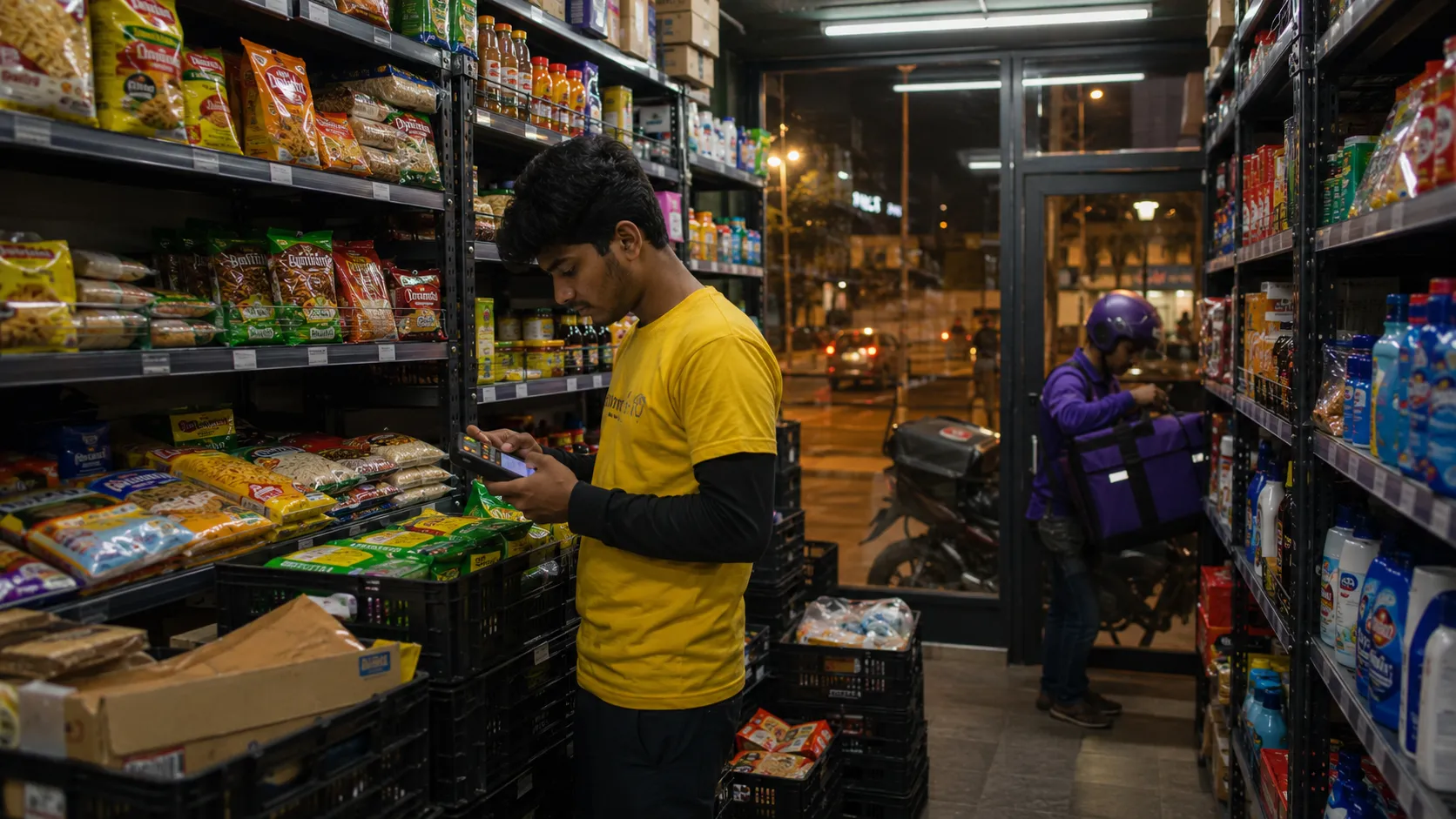
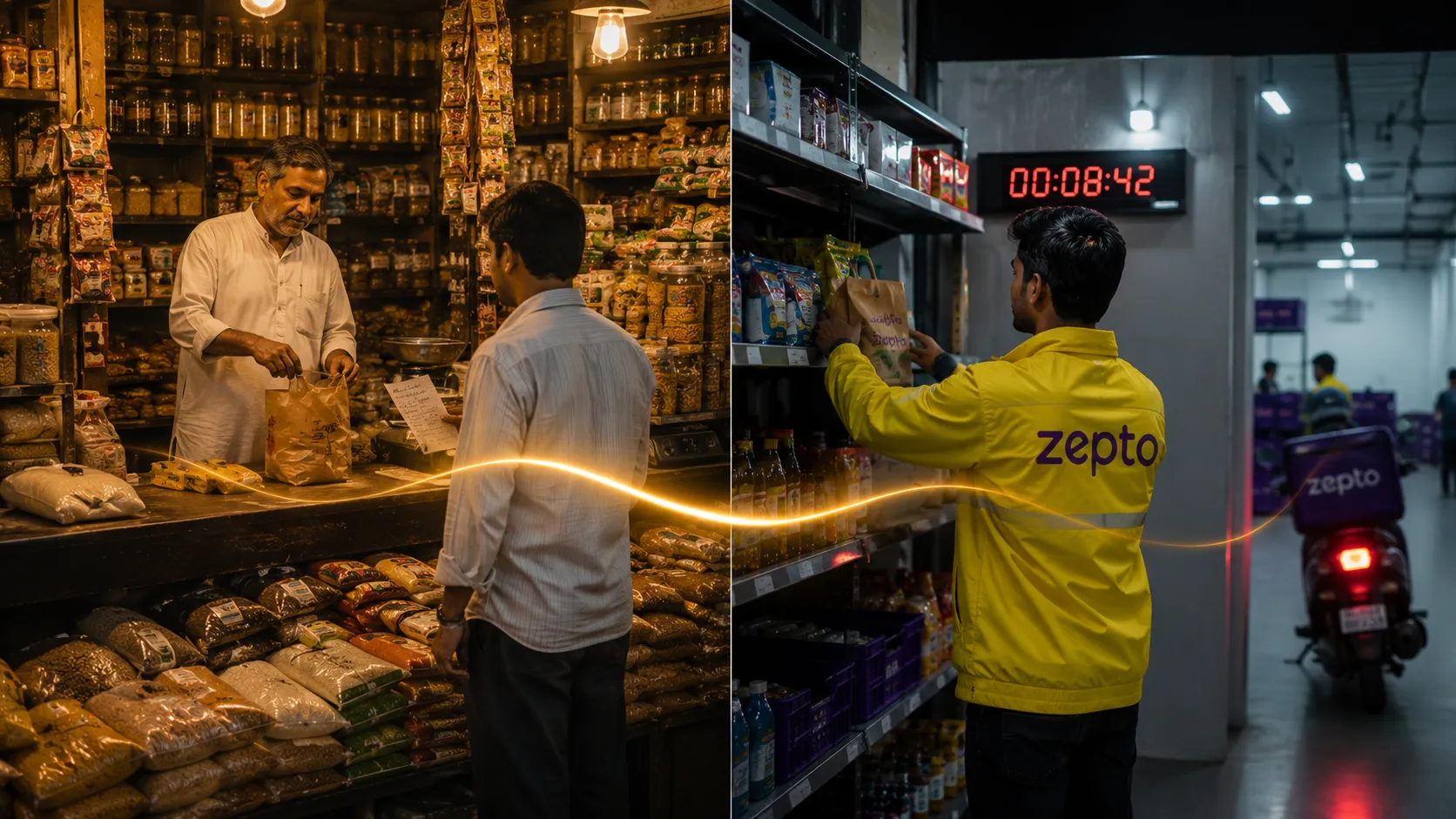
In the summer of 2021, two teenagers who should have been attending lectures at Stanford University were instead hunched over laptops in a Mumbai apartment, trying to solve a problem that most logistics experts considered unsolvable. Aadit Palicha and Kaivalya Vohra, both 19, had left one of the world's most elite universities with a conviction that bordered on absurd: that Indian consumers would pay a premium to have groceries delivered not in two hours, not in one hour, but in ten minutes. Not because ten minutes was a rational delivery window—it was not—but because the pandemic had collapsed the distinction between "urgent" and "routine." Everything was urgent. Everything was now.

The ₹65 Crore Gamble That Milk Can Beat Maggi: How Two IIM Graduates Built a ₹1,380 Crore Dairy Empire—and Are Now Taking On Zepto and Blinkit at Their Own Game
StartupsMay 24, 2026

The ₹65 Crore Gamble That Milk Can Beat Maggi: How Two IIM Graduates Built a ₹1,380 Crore Dairy Empire—and Are Now Taking On Zepto and Blinkit at Their Own Game

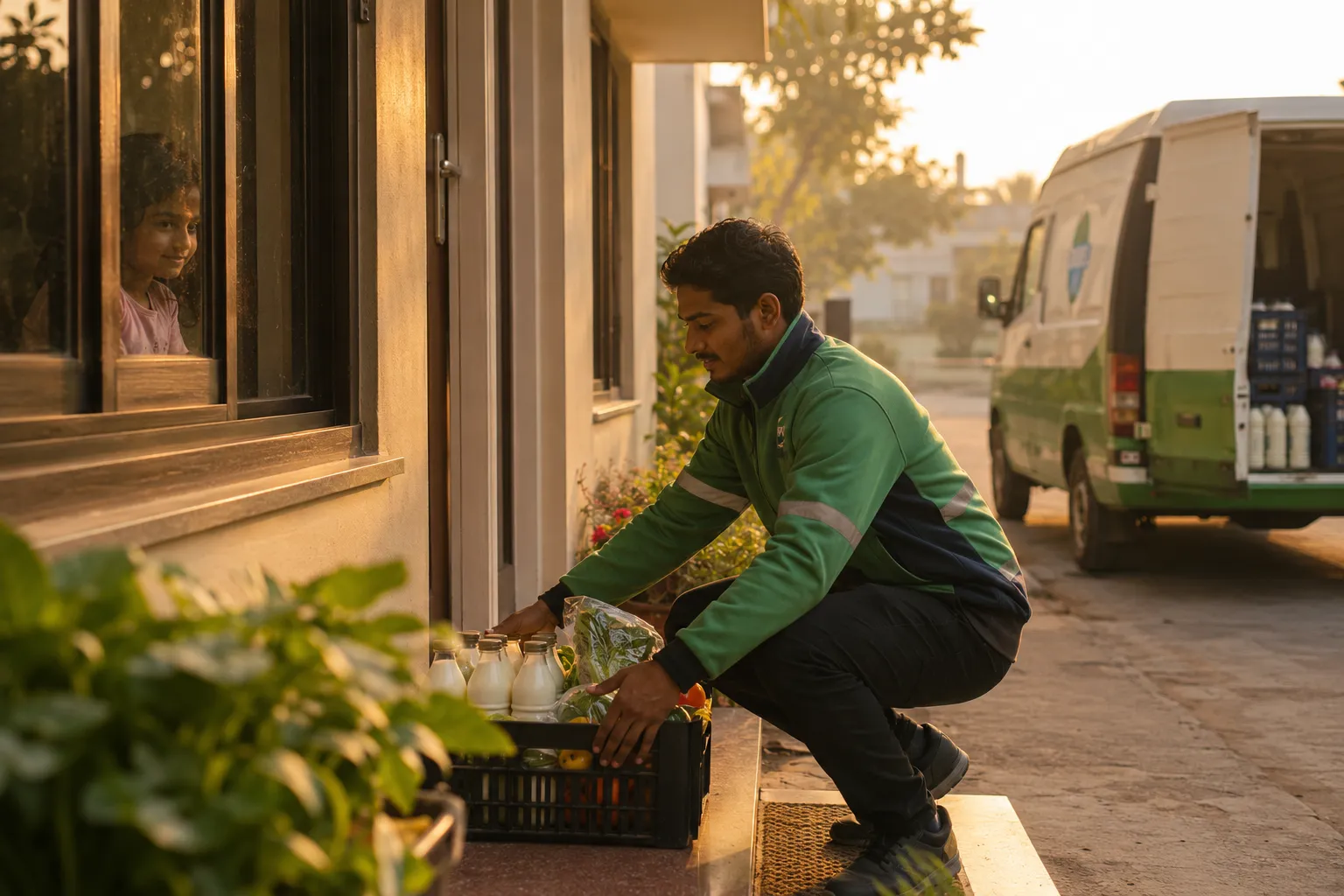
Chakradhar Gade was not supposed to be a dairy farmer. He was a software engineer at Infosys, then a consultant, then an IIM Indore graduate with the kind of resume that leads to corner offices and comfortable salaries. Nitin Kaushal was not supposed to be a milkman. He was a vice president at HSBC, rising through the ranks of one of the world's largest banks, on a trajectory that would have made his parents proud and his peers envious. Both had done everything right. Both were, by their own later admission, restless in ways they could not articulate.

The 10-Minute Grocery War: How a 19-Year-Old Stanford Dropout Built a $5 Billion Empire by Betting That Indians Would Pay for Speed—and Triggered the Most Expensive Retail Battle in Indian History
StartupsMay 24, 2026

The 10-Minute Grocery War: How a 19-Year-Old Stanford Dropout Built a $5 Billion Empire by Betting That Indians Would Pay for Speed—and Triggered the Most Expensive Retail Battle in Indian History

In the summer of 2021, two teenagers who should have been attending lectures at Stanford University were instead hunched over laptops in a Mumbai apartment, trying to solve a problem that most logistics experts considered unsolvable. Aadit Palicha and Kaivalya Vohra, both 19, had left one of the world's most elite universities with a conviction that bordered on absurd: that Indian consumers would pay a premium to have groceries delivered not in two hours, not in one hour, but in ten minutes. Not because ten minutes was a rational delivery window—it was not—but because the pandemic had collapsed the distinction between "urgent" and "routine." Everything was urgent. Everything was now.

The Investing App Where 90% of Users Are Under 25: Inside the Gen Z Wealth Platform That Raised $3.7 Million From Lightspeed—and Is Taking on Zerodha, Groww, and an Entire Generation's Financial Anxiety
StartupsMay 24, 2026

The Investing App Where 90% of Users Are Under 25: Inside the Gen Z Wealth Platform That Raised $3.7 Million From Lightspeed—and Is Taking on Zerodha, Groww, and an Entire Generation's Financial Anxiety

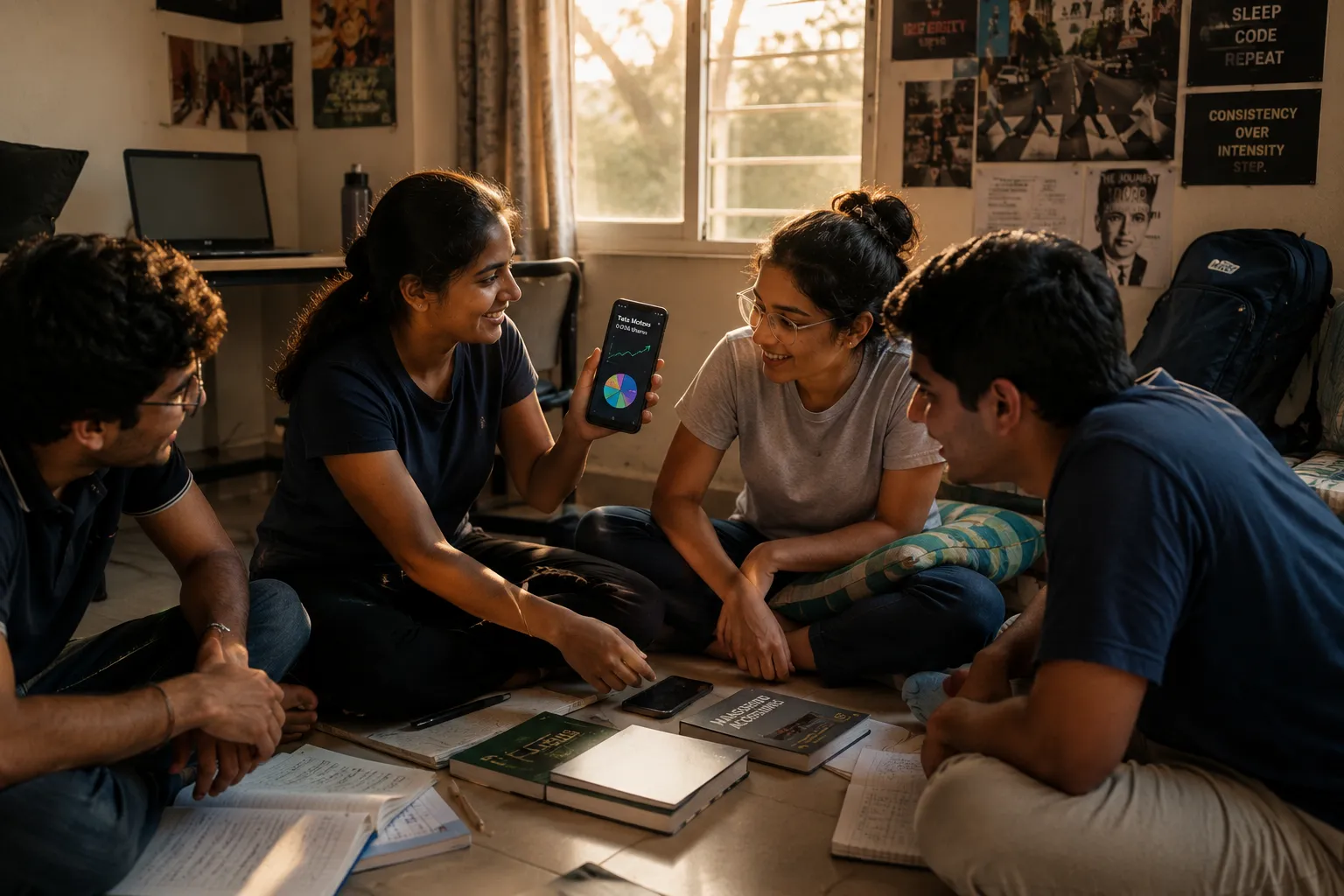
Sometime in 2023, a 19-year-old college student in Pune opened a trading account for the first time. She did not call a broker. She did not fill out a paper form. She did not watch a YouTube tutorial on candlestick patterns. She downloaded an app her friend had sent her, linked her bank account, and bought her first stock—a fractional share of Tata Motors—for ₹500. The entire process took less than four minutes. She has since invested another ₹15,000, built a portfolio of six stocks and two ETFs, and checks the app roughly once a day. She has never spoken to a financial advisor. She has never read a company balance sheet. And she is, by every available metric, exactly the kind of investor that India's traditional brokerage industry was never designed to serve.

Load More Results