Results (998 found)

The Unicorn That Never Raised a Rupee of Venture Capital: How Two Brothers Built a ₹5,000 Crore Profit Machine—and a ₹1,500 Crore Startup Fund That Asks for Nothing in Return
StartupsMay 24, 2026

The Unicorn That Never Raised a Rupee of Venture Capital: How Two Brothers Built a ₹5,000 Crore Profit Machine—and a ₹1,500 Crore Startup Fund That Asks for Nothing in Return

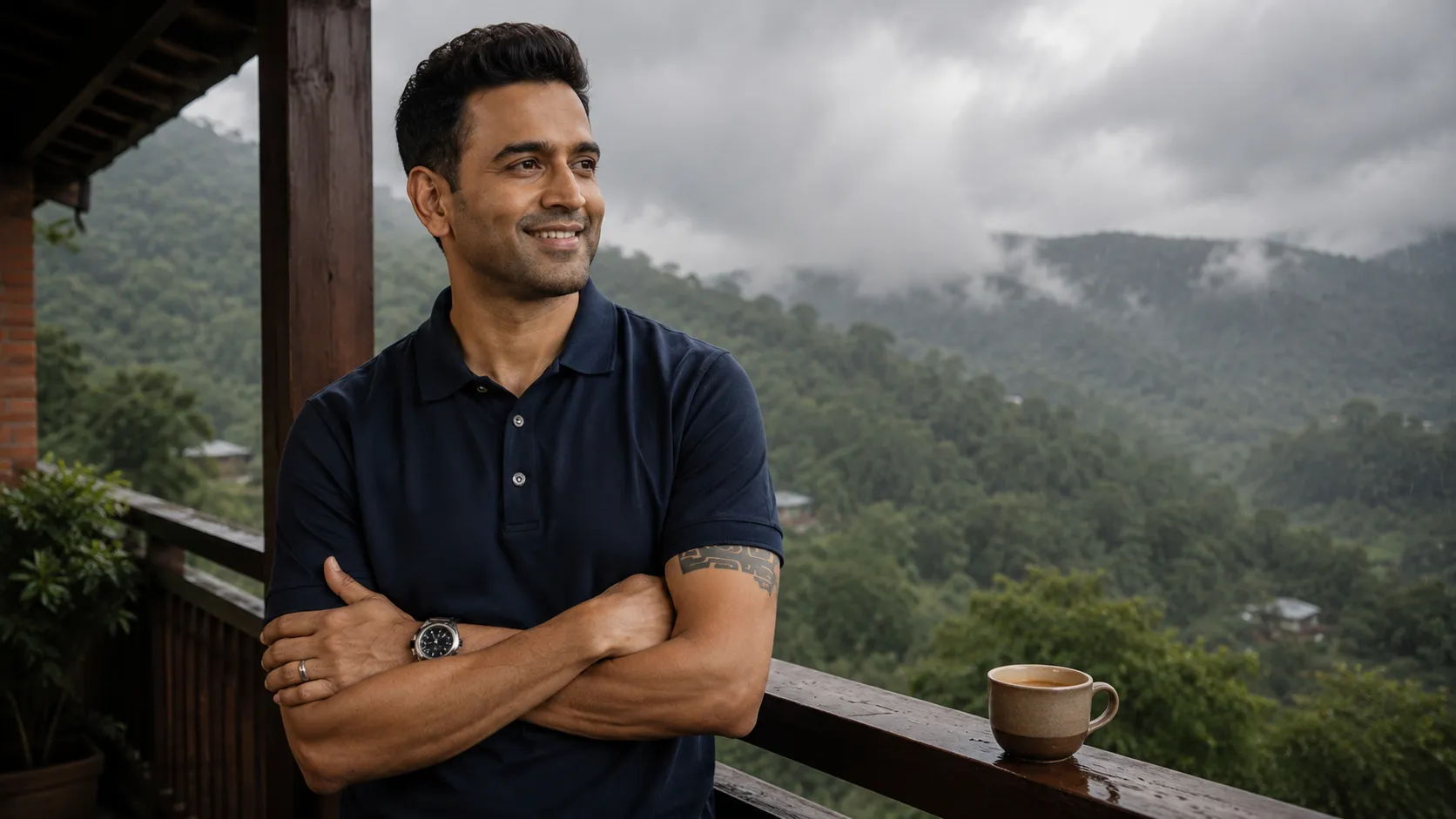
Nithin Kamath was 17 years old when he lost everything. He had been trading stocks with money saved from odd jobs—a few thousand rupees, painstakingly accumulated—and in a single session, the market took it all. The loss was not a setback. It was an education. Most teenagers who blow their savings on the stock market either quit trading or spend years chasing their losses. Kamath did neither. He studied what went wrong. He learned about risk management, position sizing, and the psychological discipline that separates traders from gamblers. He rebuilt his capital, trade by trade, and by the time he was in his early twenties, he was managing money for other people. The boy who lost everything at 17 would eventually become the co-founder of Zerodha, India's largest stockbroker—a company that has never raised a rupee of venture capital, has been profitable since inception, and now generates annual revenue exceeding ₹8,500 crore with a profit approaching ₹5,000 crore.

The ₹8 Crore Bet That Kala Khatta Can Beat Coke: How a Husband-Wife Duo Is Turning India's Street-Side Nostalgia Into a Premium Beverage Empire
StartupsMay 24, 2026

The ₹8 Crore Bet That Kala Khatta Can Beat Coke: How a Husband-Wife Duo Is Turning India's Street-Side Nostalgia Into a Premium Beverage Empire

Akkshita Malhotra was not supposed to be a beverage entrepreneur. She was a marketing professional with a stable career, a comfortable salary, and a perfectly respectable trajectory. Her husband, Meet Singh Malhotra, was an operations specialist with experience in scaling consumer businesses. They were the kind of couple who could have spent their thirties climbing corporate ladders, accumulating promotions, and settling into the comfortable rhythms of urban professional life.

The Comeback That Shocked Dalal Street: How Mamaearth's Parent Was Written Off by Critics—Then Delivered a ₹69 Crore Quarterly Profit and a 52-Week High
StartupsMay 24, 2026

The Comeback That Shocked Dalal Street: How Mamaearth's Parent Was Written Off by Critics—Then Delivered a ₹69 Crore Quarterly Profit and a 52-Week High

In the winter of 2024, Honasa Consumer was the most hated stock on Dalal Street. The parent company of Mamaearth, India's largest digital-first beauty and personal care brand, had listed at a valuation that critics called absurd—a multiple of revenue that seemed to price in a decade of flawless execution. When the stock fell, the critics were vindicated. When it fell further, they were merciless. "IPO Frenzy Fades," read one headline. "Valuation Without Substance," read another. The company was a poster child for everything that had gone wrong with Indian startup IPOs: too much hype, too little profit, too much optimism baked into a share price that had nowhere to go but down.

The ₹7,500 Phone That Built a Spice Empire: How a Rajasthan Homemaker Turned Her Village Kitchen Into a Crore-Turnover Brand—and a MasterChef Finalist Spot
StartupsMay 24, 2026

The ₹7,500 Phone That Built a Spice Empire: How a Rajasthan Homemaker Turned Her Village Kitchen Into a Crore-Turnover Brand—and a MasterChef Finalist Spot

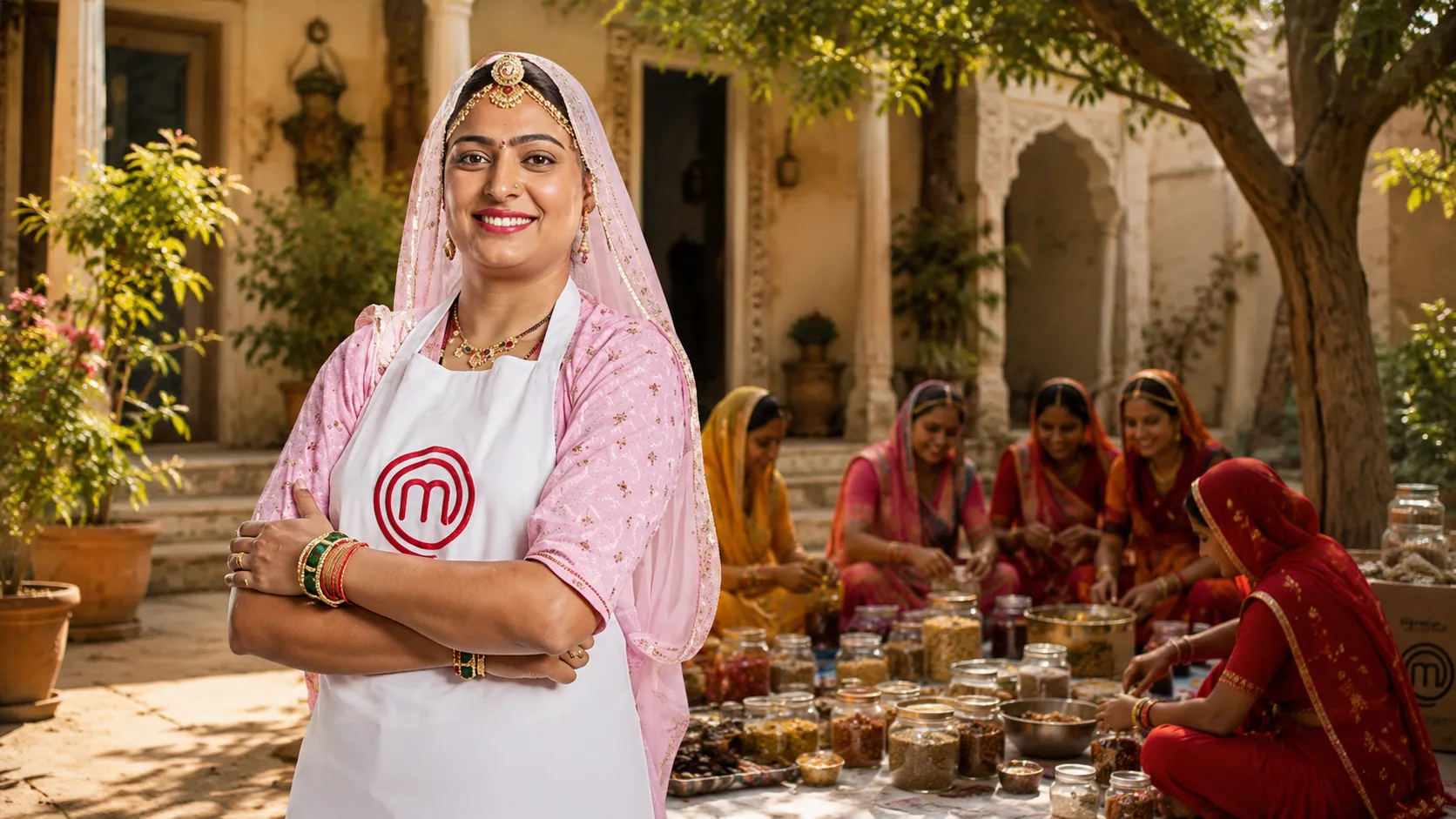
Kaushalya Chaudhary did not set out to become an entrepreneur. She did not set out to become a YouTube star, a MasterChef India finalist, or the founder of a spice and cold-pressed oil brand with outlets across India and customers overseas. She set out to do what millions of Indian women in her position have done for generations: cook for her family, run her household, and live within the quiet, invisible boundaries that rural Rajasthan drew around a woman's ambition.

The Four Friends Who Thought Indian Men Deserved a Better Shave—and Built a ₹700 Crore Empire Before Gillette Saw It Coming
StartupsMay 24, 2026

The Four Friends Who Thought Indian Men Deserved a Better Shave—and Built a ₹700 Crore Empire Before Gillette Saw It Coming

Shantanu Deshpande was 28 years old, sitting in a comfortable McKinsey office, earning a salary that most Indian twenty-somethings could only dream of. He was on the consulting track—the one that leads to business school, then back to consulting, then to a corner office somewhere with a view and a pension and the quiet satisfaction of a life well-executed. He was good at it. He was also, by his own later admission, bored out of his mind.

Load More Results