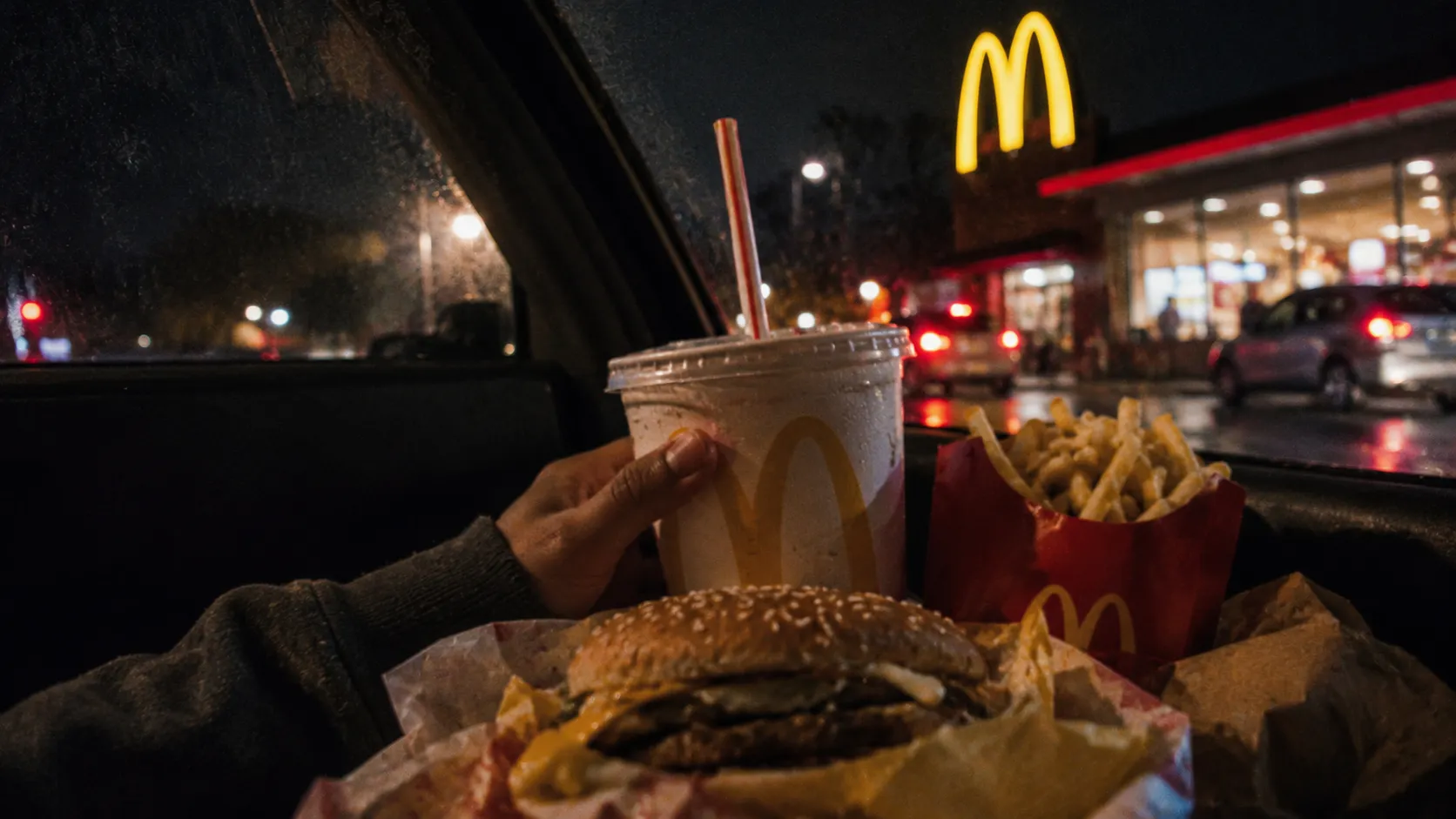
A Fast-Food Brand Once Built Around Billboards And TV Spots Is Beginning To Win Through Something Far Less Polished
For years, fast-food marketing frequently followed a relatively familiar formula. Brands often depended heavily on large campaigns, celebrity endorsements and highly produced advertisements because visibility itself frequently represented one of the strongest ways to remain culturally relevant. Commercials frequently highlighted perfect burgers, ideal lighting and carefully designed experiences because advertising environments frequently operated around aspiration and visual control. As a result, brands frequently attempted to create polished versions of reality capable of shaping consumer memory.
Over recent years, however, another transition increasingly appears unfolding beneath consumer and digital culture. Across younger audiences and social platforms, people increasingly seem responding differently to content that appears highly produced. Informal photos, spontaneous moments and imperfect visuals increasingly continue generating stronger emotional response because consumers increasingly appear connecting more naturally with content that feels lived rather than staged. What initially looked like changing internet aesthetics increasingly resembles a broader transformation involving how trust and relatability increasingly operate.
That broader shift increasingly became visible through McDonald’s recent late-night marketing approach, where the brand leaned into blurry camera-roll style visuals designed to resemble photos people accidentally capture after late-night food runs. Rather than presenting perfectly composed products under studio lighting, the campaign reportedly embraced grainy images, casual moments and highly familiar experiences associated with late-night cravings. What initially appeared almost too imperfect for traditional advertising increasingly became one of the campaign’s strongest features because the images felt recognizable before they felt promotional.
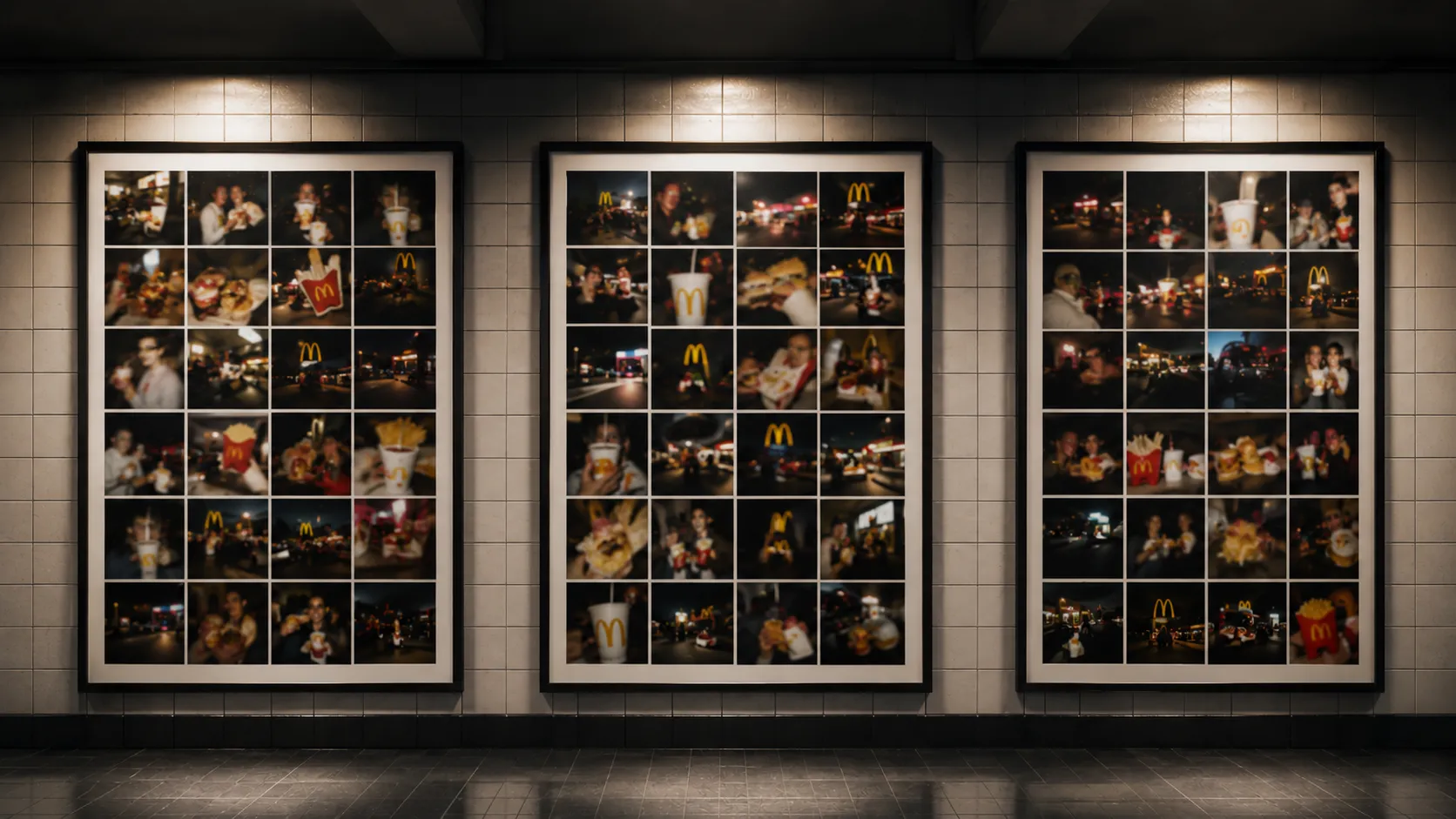
Viewed independently, blurry food photos may initially appear like another social-media design trend. Viewed through a broader impact lens, however, they increasingly raise a larger question: why are brands increasingly trying to look less like advertisements?
Historically, advertising frequently depended upon authority because brands often controlled visibility and communication. Consumers frequently encountered products through highly structured campaigns because companies themselves largely determined how experiences looked and felt. Advertising frequently interrupted people because visibility itself frequently depended upon occupying attention directly.
Increasingly, however, digital environments increasingly appear functioning differently. People increasingly spend time inside feeds filled with friends, creators and everyday experiences rather than dedicated advertising spaces. Consumers increasingly scroll through camera-roll moments, imperfect screenshots and spontaneous content because digital life itself frequently appears less curated than previous media environments.
This distinction increasingly matters because audiences frequently recognize staged communication quickly. Highly polished content increasingly risks feeling distant because consumers increasingly continue interacting with environments built around familiarity and participation. The broader significance increasingly suggests people frequently trust experiences appearing authentic before experiences appearing optimized.
Another important dimension emerging beneath this shift increasingly involves how memory itself increasingly functions. Historically, brands frequently attempted to create idealized moments because aspiration often shaped advertising environments.
Increasingly, however, people increasingly connect through shared experiences.
Late-night cravings increasingly feel familiar.Blurry photos increasingly feel believable.Small moments increasingly feel memorable.People increasingly respond to recognition itself.
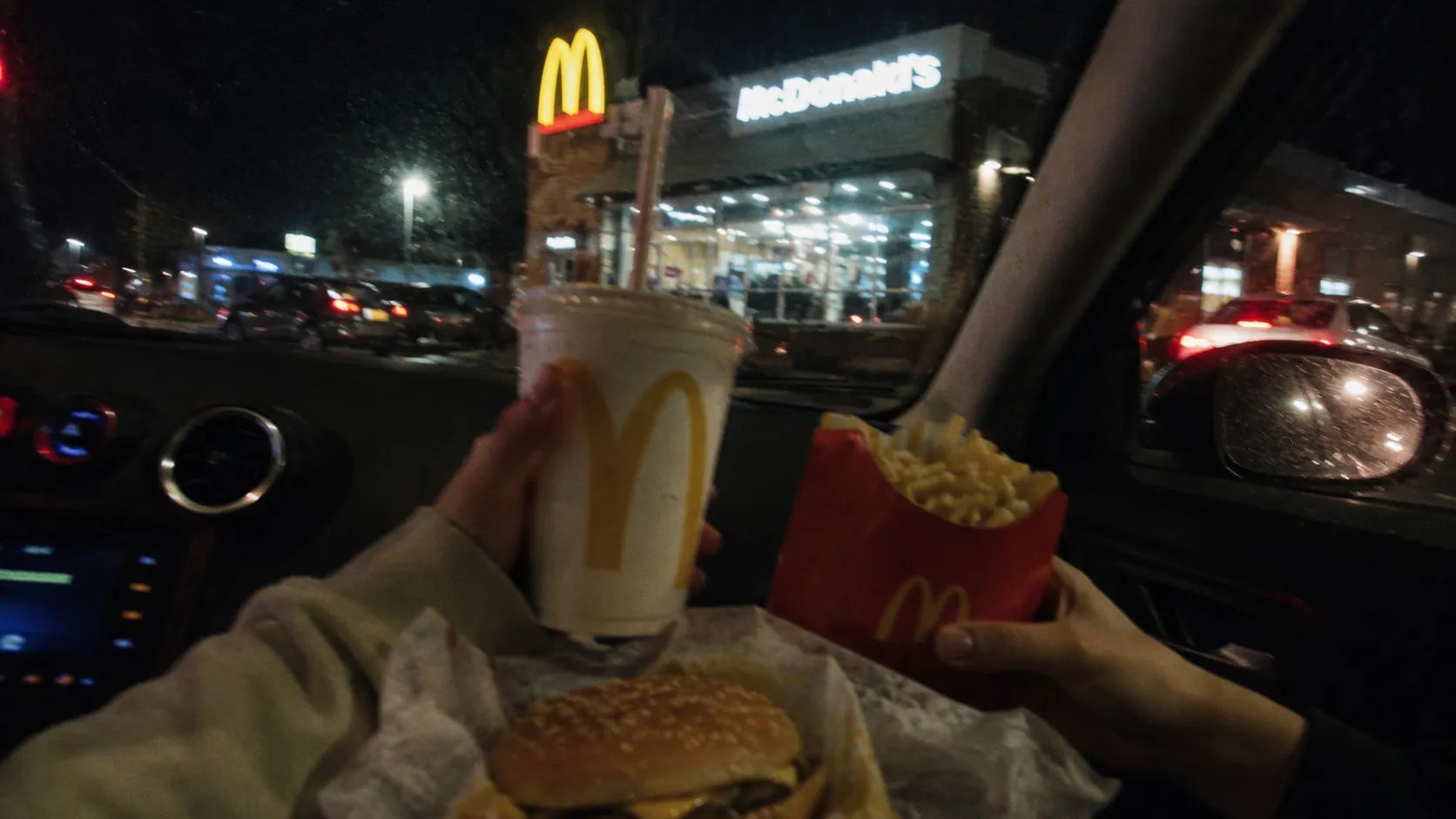
This transition increasingly matters because younger audiences frequently engage emotionally with things reflecting everyday life rather than idealized versions of it. A blurry image increasingly works not because visual quality decreases but because emotional familiarity increases.
Perhaps that explains why this campaign increasingly feels larger than one McDonald’s marketing strategy. Because beneath conversations involving grainy food photographs ultimately exists another reality involving culture itself. Increasingly, consumers frequently do not simply want to see products.
They want to see themselves.
The larger impact story therefore may not simply involve McDonald’s creating late-night advertisements differently. Increasingly, it may involve recognizing that modern marketing increasingly appears moving away from perfection and toward participation.
Because increasingly, your camera roll may understand consumer behavior better than a production studio.