What Initially Looked Like A Small Passion Project Quietly Became A Bigger Story About Community, Creativity And Why People Are Paying For Slower Experiences Again
For years, creative careers frequently followed relatively familiar pathways. Photographers built client portfolios, artists pursued agencies and creators increasingly entered digital ecosystems because online platforms frequently appeared to offer the clearest route toward visibility and growth. Social media environments increasingly promised unlimited audiences while creator culture frequently encouraged speed, consistency and continuous production because algorithms often rewarded those capable of remaining visible at all times. Over time, many creators gradually found themselves operating inside systems where success increasingly appeared connected to volume itself. More content frequently meant more reach. More reach frequently meant more growth. More visibility frequently appeared becoming the goal.
Yet beneath that highly accelerated creator economy, another quieter transition increasingly appears unfolding. Across independent media and creator communities, people increasingly continue building meaningful businesses around things many once assumed had become outdated. Print products, physical subscriptions and slower experiences increasingly appear finding new audiences because consumers themselves increasingly seem responding differently to endless digital environments. What initially looked like nostalgia increasingly resembles something larger involving attention, belonging and emotional connection itself.
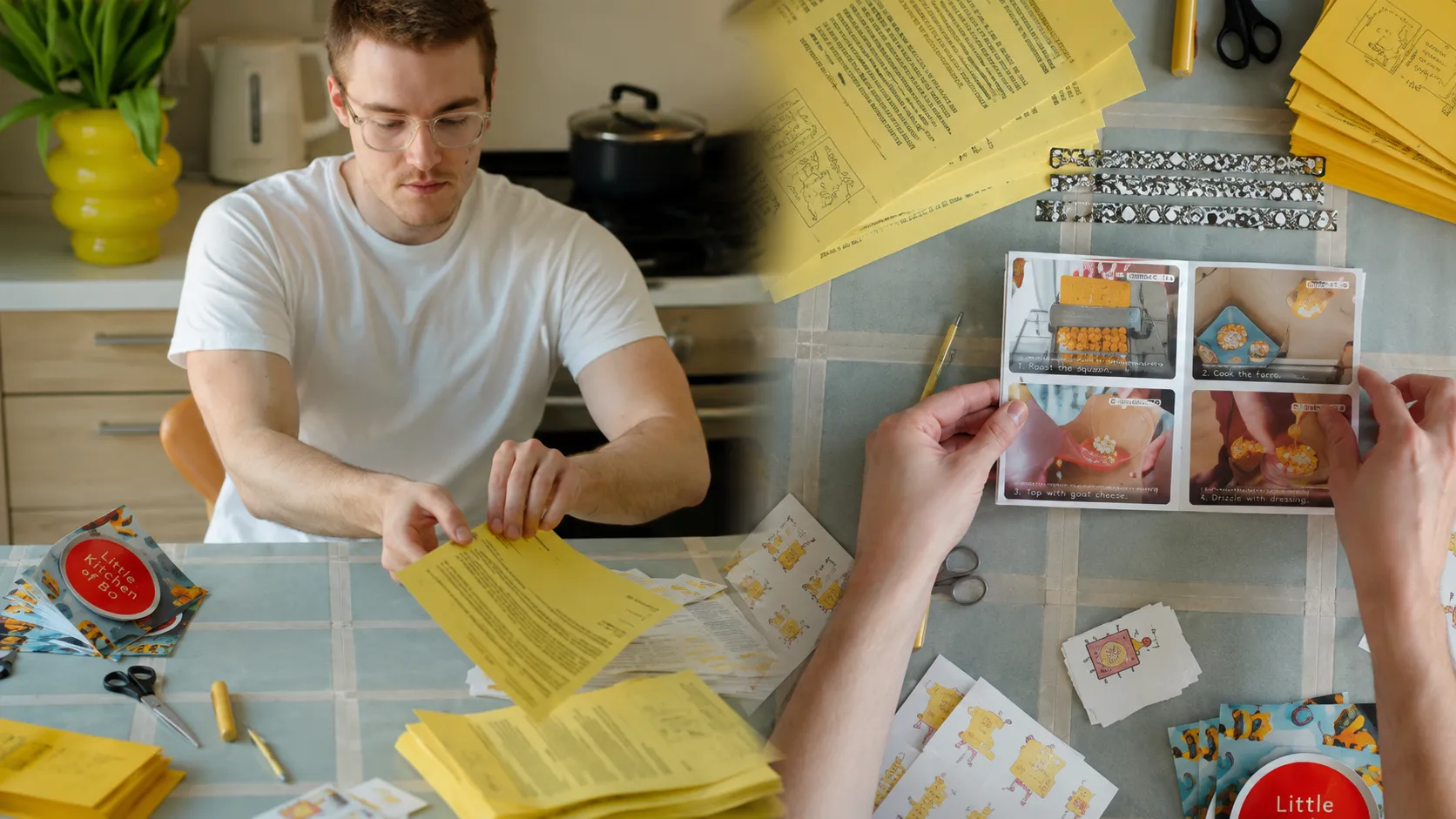
That broader shift increasingly became visible through Little Kitchen of Bo, the monthly snail-mail cookbook club created by Bo Natakhin, a Toronto-based former fashion photographer. Rather than pursuing traditional publishing pathways, Natakhin reportedly transformed his interests in food, photography and visual storytelling into a recurring physical publication mailed directly to subscribers. The concept initially sounded surprisingly simple: a beautifully designed cookbook-style zine priced around $20, arriving physically through mailboxes. Yet over time, the project increasingly evolved into a full-time business supported by thousands of paying subscribers.
Viewed independently, a mailed cookbook zine may initially appear like another niche creator experiment designed for a small audience. Viewed through a broader impact lens, however, it increasingly raises a larger question involving modern behavior itself: why are people increasingly paying for experiences that appear slower while living inside systems built entirely around speed?
Historically, media environments frequently operated around rhythm and limitation because content itself often arrived through schedules rather than constant availability. Magazines arrived monthly. Newspapers followed routines. Physical experiences frequently carried anticipation because audiences naturally waited for them. Waiting itself frequently created emotional distinction because access and timing remained linked together. Experiences frequently became memorable partly because people encountered them less continuously than they often do today.
Digital systems eventually transformed nearly everything because information increasingly became immediate and permanently accessible. At first, unlimited access frequently felt liberating because audiences suddenly possessed extraordinary access to content, education and creativity without meaningful barriers. Yet over time, another reality increasingly emerged beneath convenience itself. Content increasingly became endless, attention increasingly fragmented and experiences increasingly started blending together because continuous consumption occasionally reduced emotional attachment.
This distinction increasingly matters because people frequently remember anticipation differently from availability. Unlimited convenience frequently creates efficiency, yet efficiency itself does not always create meaning. Projects like Little Kitchen of Bo increasingly appear succeeding not simply because they contain recipes or photographs but because they create rituals. Subscribers reportedly do not simply receive information. They receive an experience involving waiting, opening and participating. The broader significance increasingly suggests that emotional value frequently develops through moments feeling intentional rather than endlessly available.
Part of what makes this story particularly fascinating increasingly involves changing assumptions surrounding creator businesses themselves. Historically, creators frequently pursued larger audiences because scale often represented the strongest route toward sustainability. More followers frequently meant more opportunities, broader visibility and larger commercial potential. Increasingly, however, independent creators increasingly appear discovering another reality beneath highly visible internet culture.
Large audiences frequently create reach.
Smaller communities frequently create belonging.
Followers frequently consume.
Communities frequently stay.
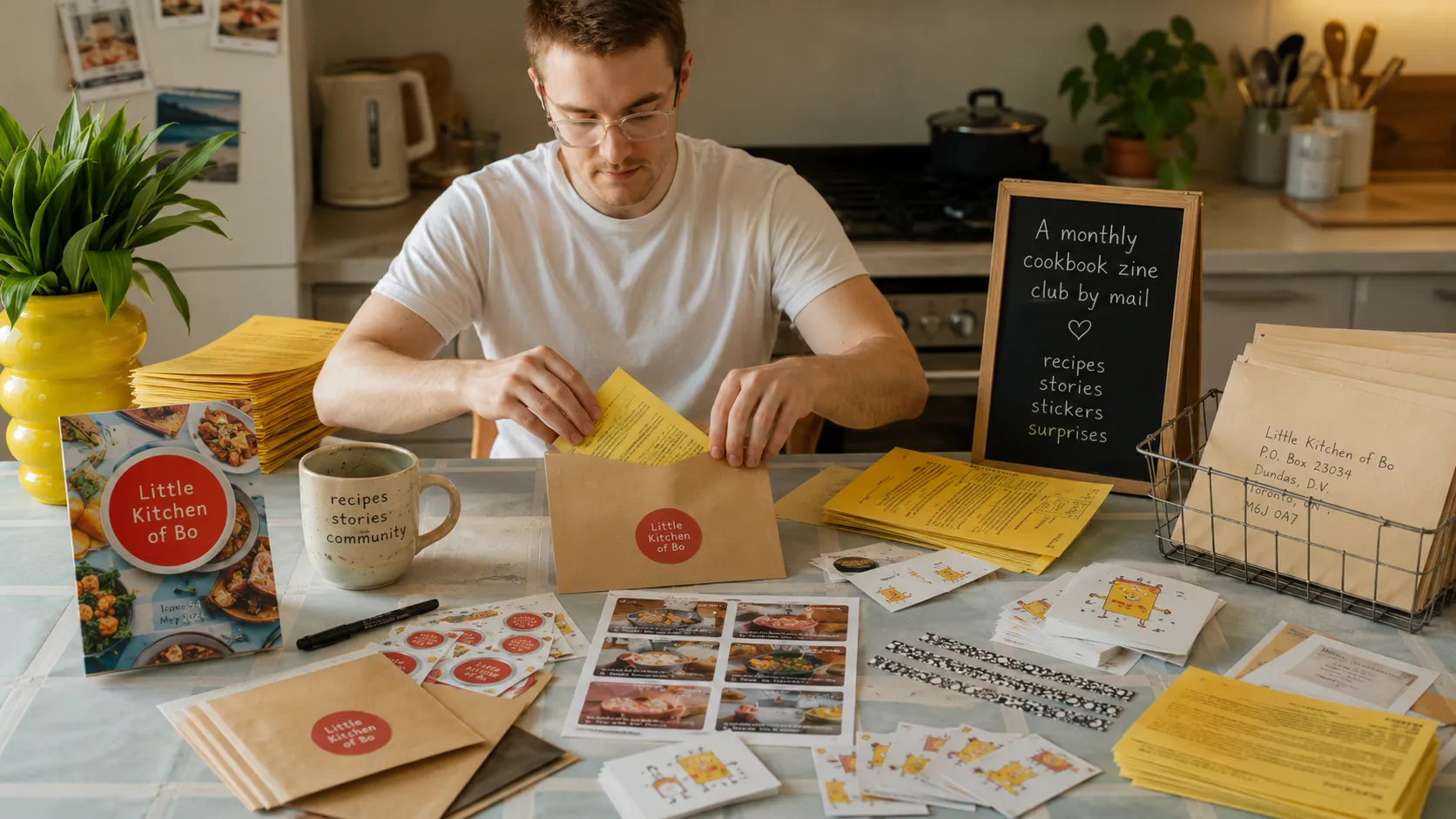
This distinction increasingly matters because sustainable businesses frequently depend less upon maximum visibility and more upon repeated emotional participation. Little Kitchen of Bo increasingly appears built not around mass attention but around people choosing to return repeatedly because identity itself increasingly becomes part of the experience.
Another important dimension emerging beneath this broader movement increasingly involves creativity itself. Historically, many digital platforms frequently rewarded optimization because algorithms often encouraged repetition and measurable structures. Increasingly, however, audiences frequently appear craving specificity, personality and experiences feeling deeply human because highly optimized environments occasionally begin feeling interchangeable.
Perhaps that explains why this story increasingly feels larger than one former fashion photographer building a successful subscription project. Because beneath conversations involving cookbook zines and snail mail ultimately exists another reality involving exhaustion itself. People increasingly live inside systems designed around acceleration and constant visibility. Yet increasingly, many audiences appear searching for experiences feeling slower, more tactile and more intentional.
The larger impact story therefore may not simply involve Bo Natakhin turning a $20 cookbook zine into a full-time career. Increasingly, it may involve recognizing that technology frequently changes what becomes possible, while human behavior frequently determines what remains meaningful.
Because increasingly, the future may not belong only to platforms delivering things instantly.
Increasingly, it may also belong to experiences people willingly choose to wait for.