A Marketing Campaign Once Built Around Names Is Beginning To Reveal Something Larger About Identity And Modern Friendship
For years, “Share a Coke” represented one of the most recognizable examples of personalized marketing. The campaign initially gained global attention because bottles replaced the traditional logo with individual first names, creating a simple but highly effective emotional experience. People searched for their own names, looked for friends and treated products as something more personal than ordinary packaging because the campaign transformed a familiar beverage into a social interaction. What initially looked like a small packaging idea eventually became one of the most talked-about consumer campaigns of its generation.
Over recent years, however, another transition increasingly appears unfolding beneath broader consumer culture. Younger generations increasingly seem interacting with identity differently from previous audiences because friendship, communication and self-expression increasingly operate through digital ecosystems shaped by communities and online behavior. Rather than defining relationships exclusively through formal labels or traditional categories, younger audiences frequently communicate through inside jokes, shared language and highly specific expressions because identity itself increasingly appears more fluid and socially constructed.
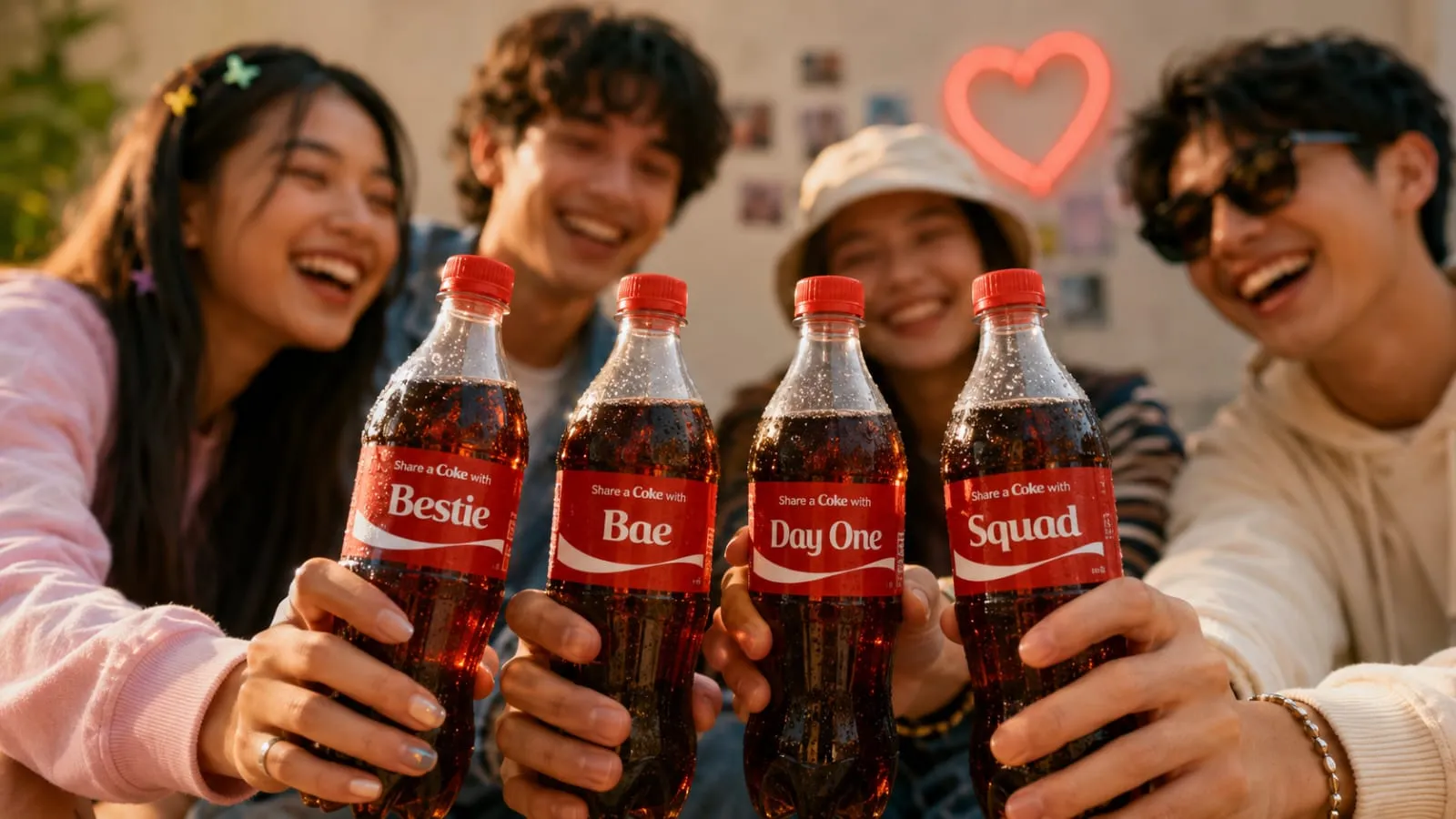
That broader shift recently gained stronger visibility through Coca-Cola’s newer evolution of the Share a Coke campaign, where the brand expanded beyond traditional first names and introduced labels involving terms such as “Bestie,” “Bae,” “Day One,” and “Squad.” Rather than focusing exclusively on individual identity, the campaign increasingly moved toward relationship language and culturally familiar expressions. What initially appeared like a packaging update increasingly resembled something much larger involving how younger generations increasingly define closeness itself.
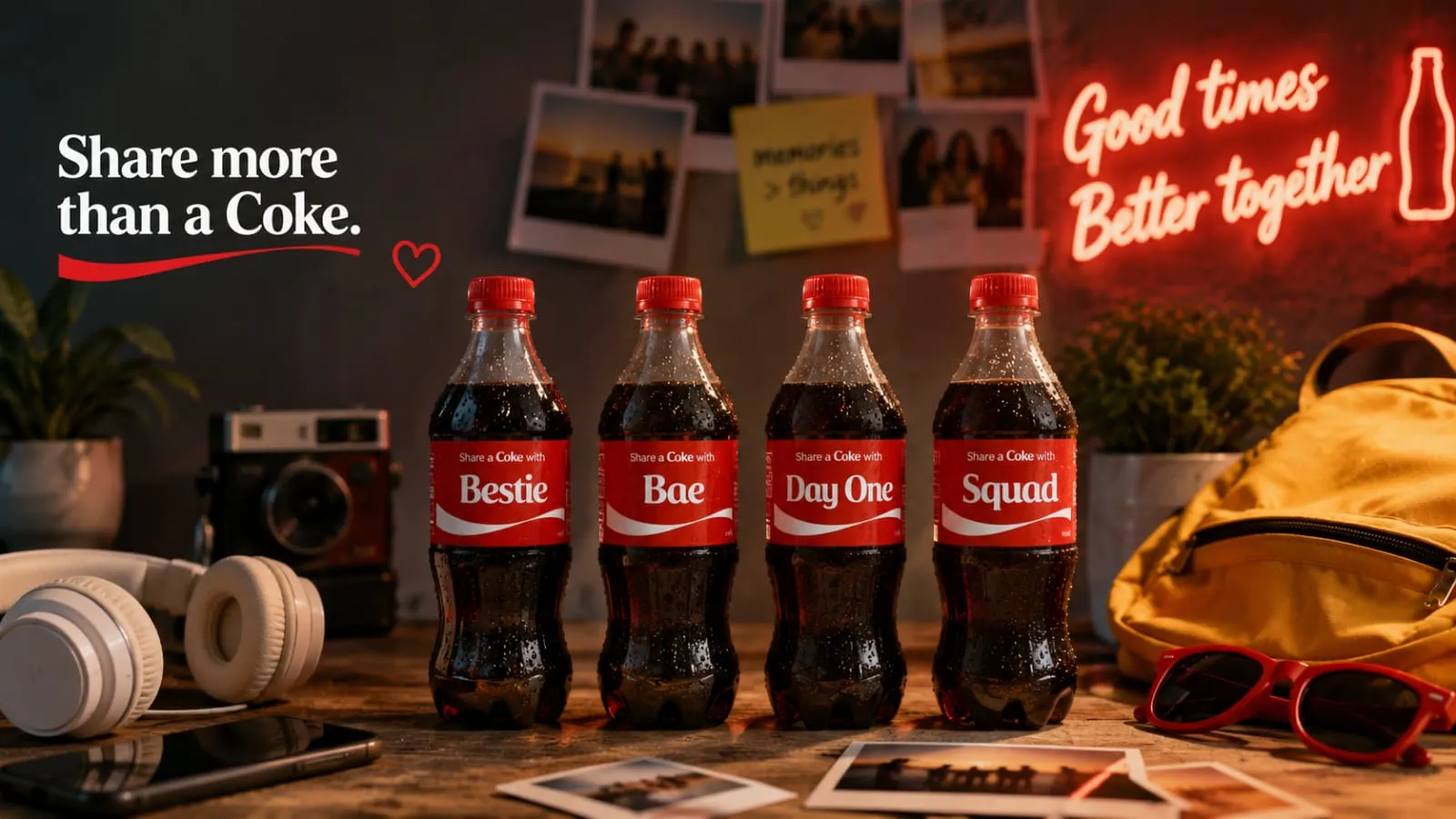
Viewed independently, replacing names with nicknames may initially appear like another clever marketing refresh. Viewed through a broader impact lens, however, it increasingly raises a larger question: what happens when brands stop speaking to individuals and start speaking to relationships?
Historically, consumer environments frequently organized identity through relatively stable categories because people often introduced themselves through fixed labels involving family structures, occupations or formal social circles. Marketing frequently reflected those assumptions because campaigns often communicated broadly and predictably.
Increasingly, however, younger audiences increasingly appear operating differently. Relationships increasingly continue forming through digital communities, creator ecosystems and constantly evolving social environments where language itself frequently changes rapidly. Expressions such as “Bestie” or “Day One” increasingly function less like simple nicknames and more like emotional shorthand because they communicate familiarity, belonging and shared experiences instantly.
This distinction increasingly matters because younger consumers frequently connect through recognition itself. They increasingly respond to things feeling culturally understood rather than simply personalized. A first name frequently identifies a person. Shared language frequently identifies a relationship.
Another important dimension emerging beneath this broader shift increasingly involves how friendship itself increasingly appears changing. Historically, relationships frequently developed through physical environments because schools, neighborhoods and workplaces often determined social structures. Increasingly, however, younger generations frequently maintain communities across digital platforms where interaction itself happens continuously rather than occasionally.
People increasingly communicate through memes.People increasingly build language through communities.People increasingly create identity collaboratively.People increasingly express belonging through shared references.This transition increasingly matters because products increasingly function differently inside modern environments. Businesses frequently do not simply sell products anymore. Increasingly, they participate within culture itself.
Perhaps that explains why this campaign increasingly feels larger than another Coca-Cola packaging update. Because beneath conversations involving bottles and nicknames ultimately exists another reality involving human behavior itself. People frequently do not simply respond because something includes their name.
They increasingly respond because something understands their world.
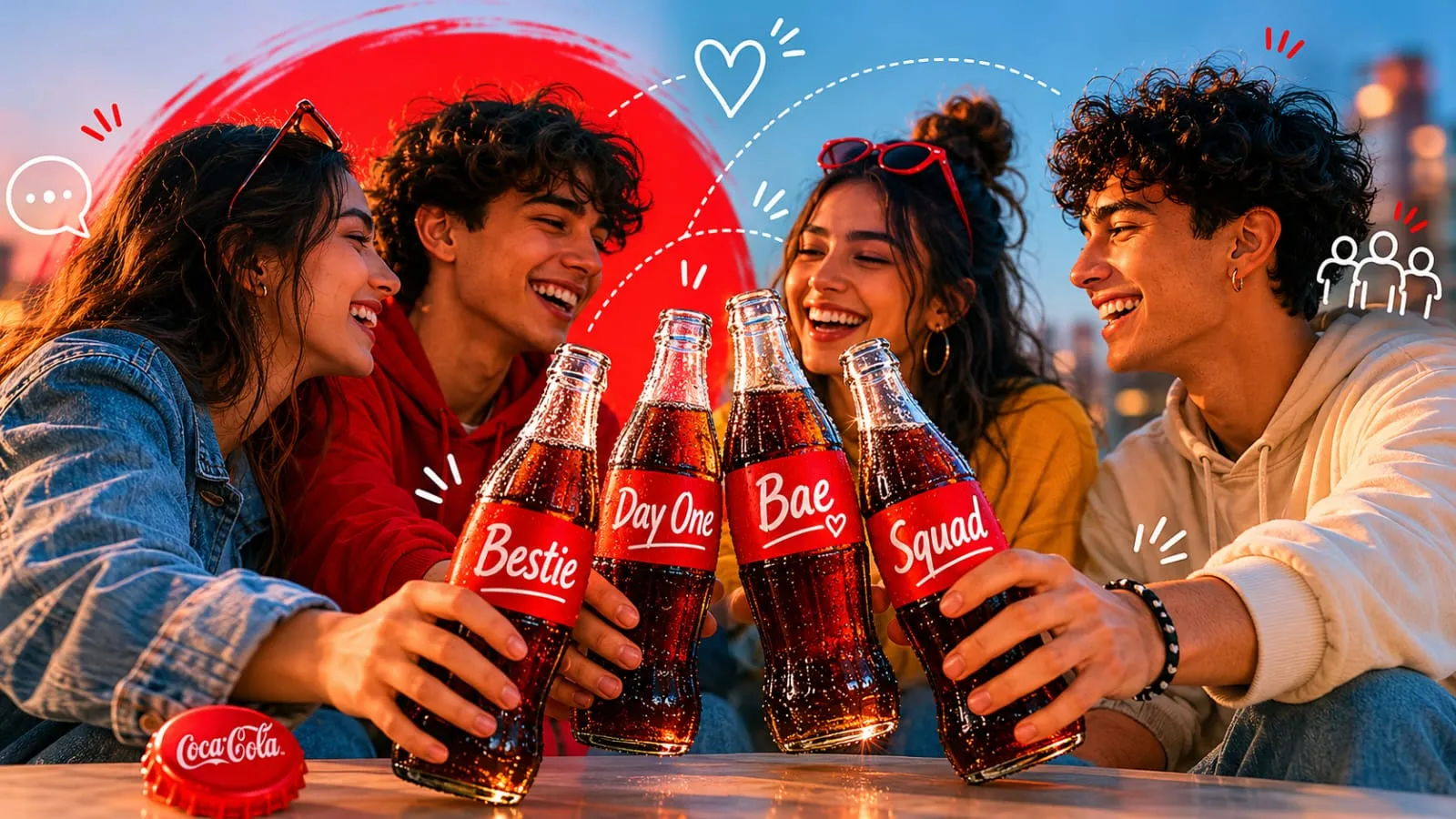
The larger impact story therefore may not simply involve Coca-Cola changing labels on bottles. Increasingly, it may involve recognizing that younger generations increasingly appear reshaping one of marketing’s oldest assumptions: that identity itself begins with the individual.
Because increasingly, connection itself may begin with community.