
What Initially Looked Like Extra Income Is Quietly Becoming A Bigger Story About Ownership, Identity And A Different Kind Of Entrepreneurship
For years, side hustles frequently followed a relatively familiar image. People often treated them as secondary income streams existing outside traditional work because additional projects frequently appeared temporary, experimental or financially supplemental. Weekend baking businesses, freelance work and passion projects often operated beside full-time careers because entrepreneurship itself frequently appeared associated with building large companies, raising capital and eventually scaling teams. As a result, side hustles frequently felt like stepping stones rather than destinations.
Over recent years, however, another transition increasingly appears unfolding beneath broader creator and business ecosystems. Across digital communities and younger audiences, many Gen Z women increasingly seem transforming highly specific interests into revenue-generating micro-businesses through niche marketplaces and community-led platforms. Handmade jewelry, customized fashion, digital products, thrift curation, vintage reselling, niche beauty products, hobby-based communities and highly specialized services increasingly continue evolving beyond occasional side income because platforms increasingly create direct access between creators and highly targeted audiences.
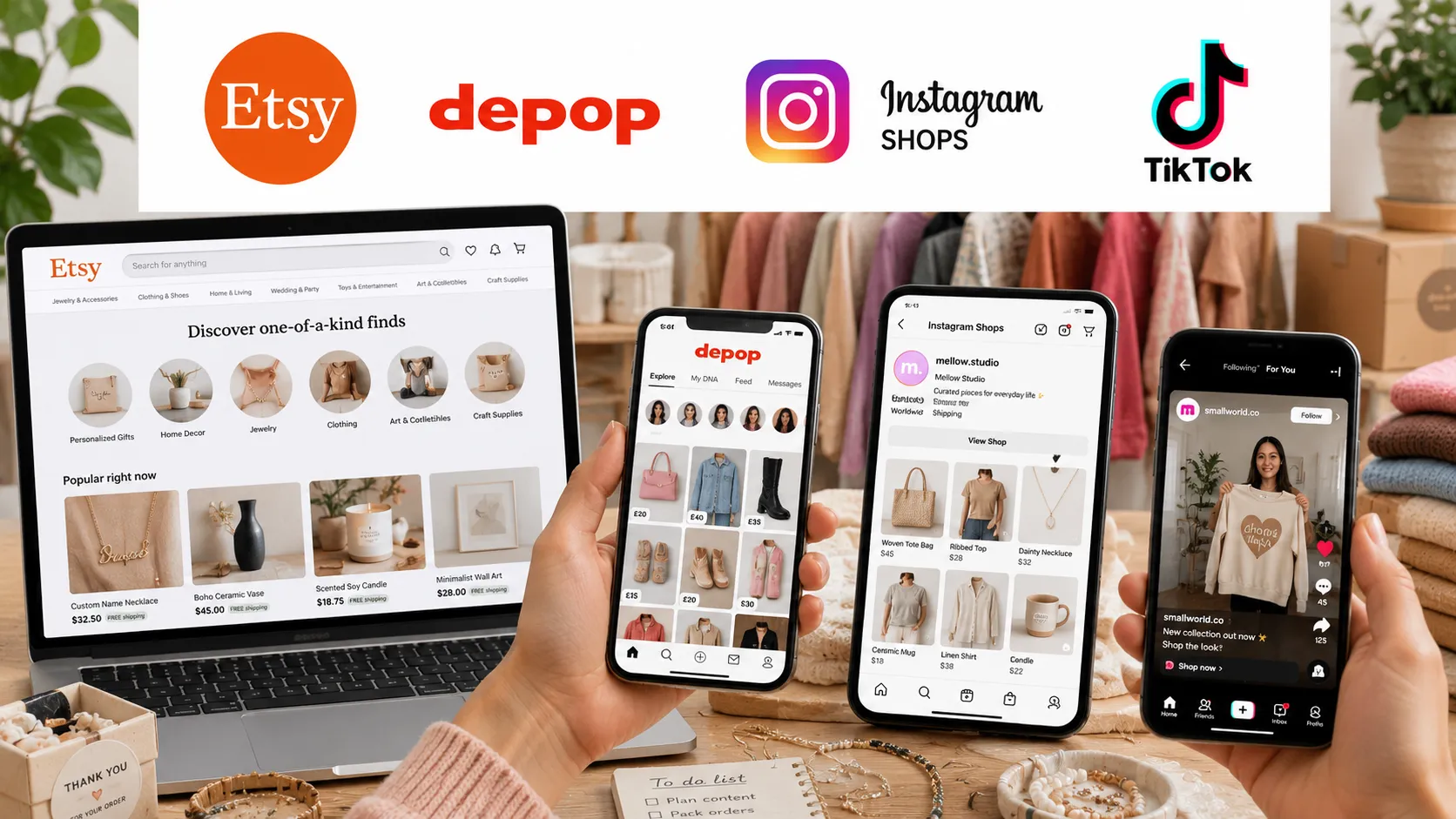
That broader movement increasingly gained stronger visibility across ecosystems involving platforms such as Etsy, Depop, Instagram Shops, TikTok communities and independent creator storefronts, where younger entrepreneurs increasingly continue building businesses around very specific interests rather than broad mass-market categories. What initially appeared like small-scale online selling increasingly resembles a broader shift involving how entrepreneurship itself increasingly operates.
Viewed independently, niche online stores may initially appear like another creator-economy trend or social-media business wave. Viewed through a broader impact lens, however, they increasingly raise a larger question: what happens when entrepreneurship becomes less about building the biggest business and more about building businesses around identity itself?
Why Smaller Markets Increasingly Appear Creating Bigger Opportunities
Historically, businesses frequently pursued scale through larger audiences because broad consumer markets often represented stronger commercial opportunity. Companies frequently attempted appealing to everyone because larger visibility frequently appeared directly connected to growth potential.
Increasingly, however, digital environments increasingly appear functioning differently. Platforms increasingly allow creators to find highly specific audiences because communities frequently organize around interests once considered too small or niche to support meaningful businesses. Aesthetic communities, hobby cultures, sustainability-focused buyers and highly specific consumer identities increasingly create environments where smaller audiences frequently become economically viable.
This transition increasingly matters because markets frequently change once discovery itself changes. Consumers increasingly appear searching for products reflecting identity and individuality rather than broad appeal. Businesses increasingly seem discovering that specificity itself frequently creates stronger connection than universality.
Gen Z Women Increasingly Appear Building Around Personality Rather Than Traditional Structures
Part of the significance surrounding this broader shift increasingly involves changing assumptions surrounding entrepreneurship itself. Historically, business culture frequently celebrated founders building institutions, raising funding and creating highly visible organizational structures because scale itself often represented success.
Increasingly, however, many younger entrepreneurs increasingly appear building differently. Rather than separating identity from business entirely, creators increasingly integrate personal interests, aesthetics and experiences directly into products themselves. Consumers increasingly support people before products because relationships frequently emerge before transactions.
This distinction increasingly matters because communities increasingly influence commerce itself. Buyers frequently continue supporting creators they recognize, trust and emotionally connect with because business itself increasingly appears functioning through familiarity and participation rather than institutional distance.
Technology Increasingly Appears Reducing Traditional Barriers Around Business Creation
Another important dimension emerging beneath these developments increasingly involves accessibility itself. Historically, starting businesses frequently required inventory systems, infrastructure and significant upfront investment because operational barriers often limited entry.
Increasingly, however, digital platforms increasingly continue reducing those constraints. Payment systems, creator storefronts, social commerce and direct audience environments increasingly allow individuals to test ideas quickly and adapt continuously. As a result, entrepreneurship increasingly appears becoming more modular, flexible and accessible than previous generations frequently experienced.
This broader transition increasingly matters because access itself frequently changes participation. People increasingly launch businesses not because barriers entirely disappear but because experimentation increasingly becomes possible without enormous risk.
The Bigger Story May Not Be About Side Hustles At All
Perhaps that explains why this broader movement increasingly feels larger than extra income streams or online selling trends. Because beneath conversations involving side hustles ultimately exists another reality involving ownership itself. Historically, careers frequently depended heavily on institutions and predefined structures.
Increasingly, however, younger generations increasingly appear building environments where work, identity and creativity frequently overlap. Entrepreneurship increasingly appears becoming less about escaping traditional systems and increasingly about designing highly personal versions of work itself.The larger impact story therefore may not simply involve Gen Z women turning side projects into micro-businesses. Increasingly, it may involve recognizing that entrepreneurship itself increasingly appears changing shape.Because increasingly, people frequently are not only creating products.They increasingly are creating lifestyles around the things they already love.


