
What Initially Looked Like A Niche Consumer Startup Is Quietly Becoming A Bigger Story About India’s New-Age Brand Economy
For years, India’s startup ecosystem frequently followed a relatively familiar funding narrative. Investor enthusiasm often concentrated around fintech, software and highly scalable technology businesses because venture capital frequently appeared drawn toward sectors capable of delivering rapid expansion and large addressable markets. Consumer brands certainly attracted attention, yet many categories frequently remained viewed through traditional retail assumptions rather than startup-style growth frameworks. As a result, categories such as jewellery often appeared more closely associated with legacy players and offline retail ecosystems than venture-backed disruption.
Yet beneath that broader startup narrative, another transition increasingly appears unfolding. Across India’s consumer landscape, digitally native brands increasingly continue building businesses around identity, design and highly specific customer behavior. Younger consumers increasingly seem purchasing products differently because discovery itself frequently operates through creators, communities and online ecosystems rather than traditional retail pathways alone. What initially looked like another e-commerce trend increasingly resembles a larger shift involving how modern consumer brands increasingly get built.
That broader movement increasingly gained visibility through conversations surrounding GIVA, the silver jewellery brand co-founded by Nikita Prasad at the age of 26. What initially began as a focused consumer brand around affordable silver jewellery gradually evolved into one of India’s more visible new-age retail stories. Reports now suggest private-equity firms including KKR and Warburg Pincus are exploring investments potentially valued around $100 million, highlighting broader investor confidence surrounding consumer-facing brands and lifestyle categories.
Viewed independently, a funding conversation involving a jewellery startup may initially appear like another consumer-brand expansion story. Viewed through a broader funding lens, however, it increasingly raises a larger question: why are investors increasingly placing larger bets on brands selling identity as much as products?
Why Consumer Brands Increasingly Appear Competing Through Emotion Rather Than Products Alone
Historically, many retail categories frequently operated around product availability, pricing structures and physical distribution because traditional commerce frequently depended upon visibility and scale. Jewellery businesses often competed through inventory strength and offline retail presence because access itself frequently represented one of the strongest advantages.
Increasingly, however, digital environments increasingly appear changing those assumptions. Consumers increasingly discover brands through content, creators and communities because purchasing behavior itself frequently begins long before transactions occur. Products increasingly operate as expressions involving identity, aesthetics and lifestyle because younger audiences frequently connect emotionally before purchasing commercially.
This transition increasingly matters because businesses frequently behave differently once culture itself becomes part of commerce. Increasingly, consumer brands appear competing not simply through products but through relevance and emotional familiarity.
India’s New Consumer Story Increasingly Appears Attracting Institutional Capital
Part of the significance surrounding GIVA’s reported funding discussions increasingly involves broader investor behavior itself. Historically, many institutional investors frequently prioritized categories involving technology infrastructure and software-driven growth because scale often appeared easier to model and expand.
Increasingly, however, India’s consumer ecosystem increasingly seems creating different possibilities. Digital-first brands increasingly continue building highly engaged audiences, omnichannel businesses and repeat purchasing environments capable of creating long-term growth narratives. As a result, investors increasingly appear evaluating whether modern consumer companies may represent larger opportunities than earlier assumptions suggested.
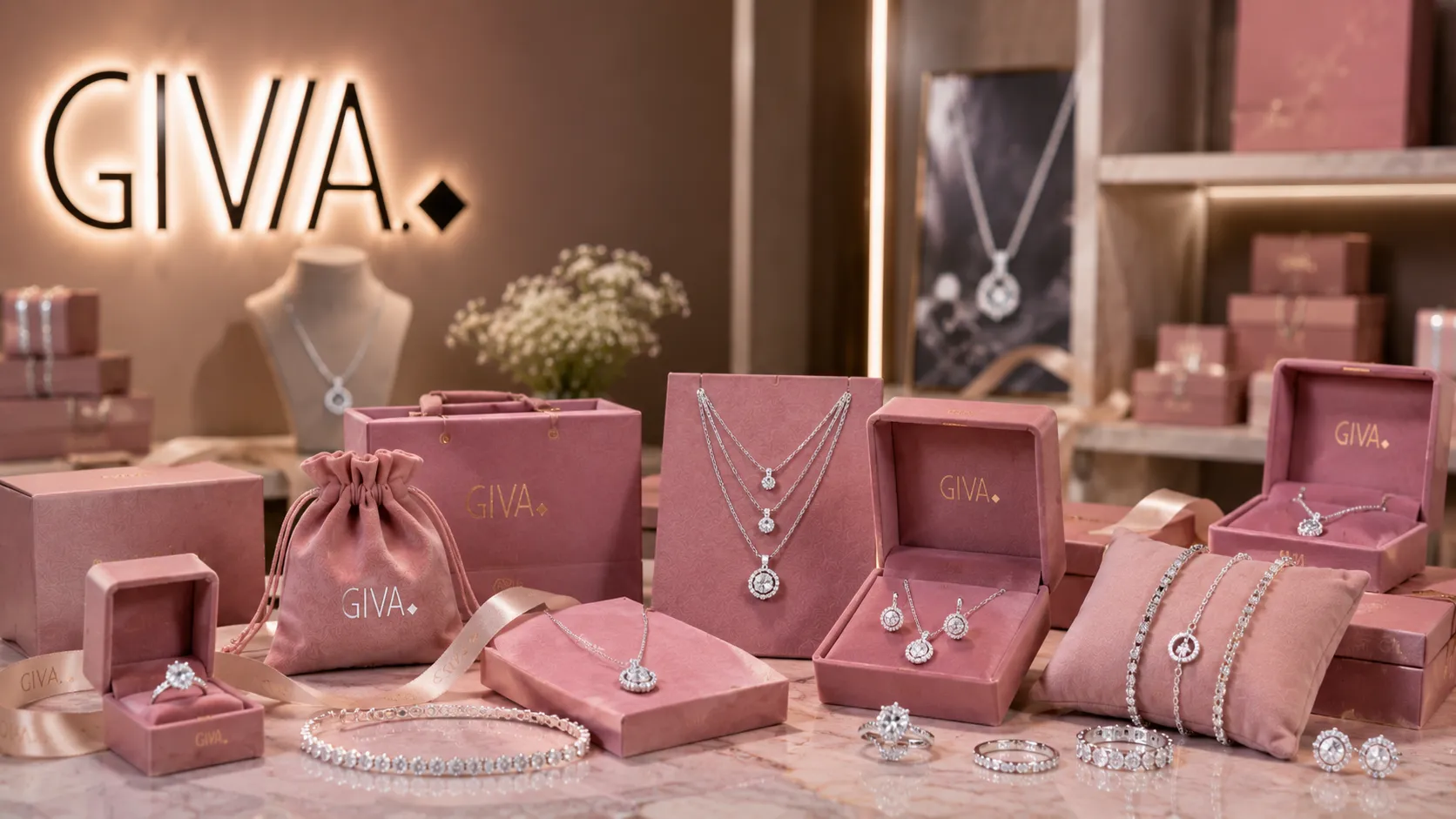
This broader transition increasingly matters because funding itself frequently reflects changing expectations around where future value may emerge. Consumer categories once considered niche frequently become significantly more attractive once behavior itself changes.
The Bigger Story May Not Be About Jewellery Alone
Perhaps that explains why this broader conversation increasingly feels larger than a silver jewellery company raising capital. Because beneath discussions involving funding rounds and investor interest ultimately exists another reality involving entrepreneurship itself. Historically, many startup ecosystems frequently treated technology as the primary pathway toward scale.
Increasingly, however, businesses increasingly appear proving that consumer behavior itself frequently creates equally powerful opportunities. Strong communities, emotional connection and highly differentiated brand identity increasingly seem becoming meaningful assets capable of attracting institutional attention.
The larger funding story therefore may not simply involve KKR and Warburg reportedly evaluating a $100 million investment into GIVA. Increasingly, it may involve recognizing that some of India’s most interesting startup opportunities increasingly appear emerging from categories people once underestimated.Because increasingly, people frequently are not only buying products.They increasingly are buying stories, identity and belonging.


