Results (998 found)

The Headphones That Read Your Mind: How Two Indian Women Built an AI-Powered Neurotech Wearable That Reduces Stress in Real Time
StartupsMay 24, 2026

The Headphones That Read Your Mind: How Two Indian Women Built an AI-Powered Neurotech Wearable That Reduces Stress in Real Time

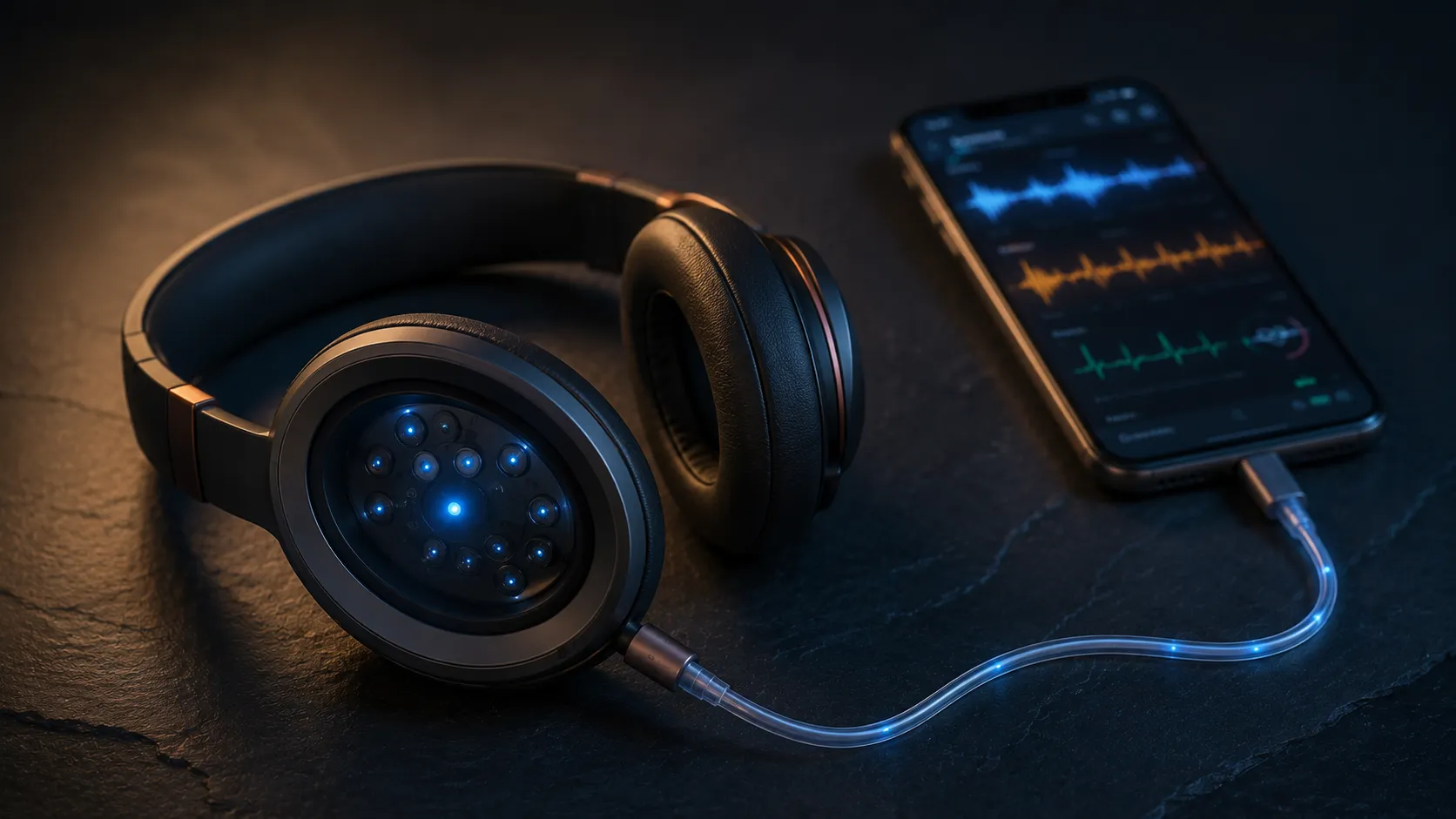
The headphones look ordinary. They sit over the ears like any premium audio device, the kind worn by millions of commuters and office workers every day. But inside the ear cups, a system of sensors, electrodes, and adaptive artificial intelligence is doing something no consumer headphone has ever done. It is reading the wearer's brainwaves. It is tracking their heart rate variability in real time. It is detecting the subtle physiological shifts that signal rising stress, fading focus, or the onset of mental fatigue. And then, quietly, without the wearer ever pressing a button, it is responding—adjusting neurostimulation protocols, modulating binaural beats, delivering pre

The Bengaluru Robots That Want to Run Every Warehouse on Earth: Inside the $5.4 Million Bet on Machines That Understand Context—Not Just Commands
StartupsMay 24, 2026

The Bengaluru Robots That Want to Run Every Warehouse on Earth: Inside the $5.4 Million Bet on Machines That Understand Context—Not Just Commands

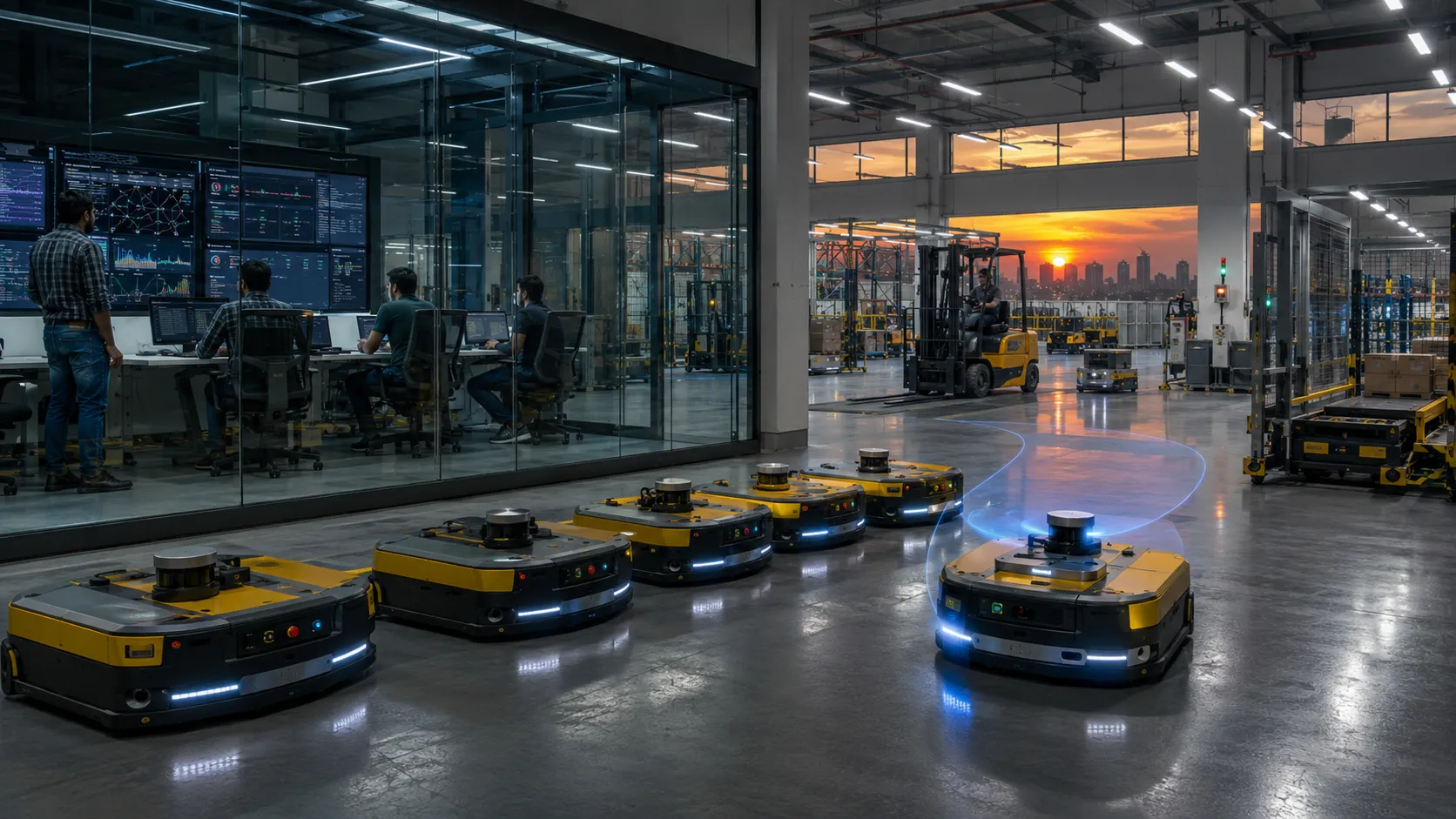
Ribin Mathew was not supposed to be a roboticist. He was a software engineer, the kind who could have spent a comfortable career building enterprise applications for companies that paid well and asked few questions. But somewhere in the early years of his working life, he stumbled on a statistic that lodged in his brain and refused to leave. Nearly 80 percent of the world's warehouses operate with little or no automation. Not 8 percent. Not 18 percent. Eighty percent. Hundreds of thousands of facilities—the distribution centres that feed the e‑commerce pipelines, the factory floors that build everything from smartphones to car parts, the logistics hubs that move the global economy—are still run largely by humans pushing carts, carrying boxes, and walking miles of concrete every shift. The world had spent a decade building artificial intelligence that could write poetry and generate images. It had spent almost no time building robots that could move a pallet from one end of a warehouse to the other without human supervision.

The Bengaluru Chip That Wants to Power Every Smart Appliance on Earth: Inside the $13 Million Bet That India Can Build the Brains of the Physical AI Revolution
StartupsMay 24, 2026

The Bengaluru Chip That Wants to Power Every Smart Appliance on Earth: Inside the $13 Million Bet That India Can Build the Brains of the Physical AI Revolution

Ramamurthy Sivakumar has been building chips for longer than most of India's semiconductor startups have existed. He was designing processors when the country's chip ecosystem was still a government monopoly, when the idea of an Indian fabless semiconductor company competing globally was considered a fantasy, and when the phrase "AI-native silicon" had not yet been coined. He spent years inside Intel, where he learned what it takes to architect a processor that ships in the hundreds of millions of units. He watched the mobile revolution transform the semiconductor industry. And then, in 2023, he decided that the next great transformation—the one that would define the rest of his career—was not in data centres or smartphones. It was in the physical world. In the appliances, the electric vehicles, the industrial systems that were about to become intelligent—and that had no chips designed specifically for them.

The ₹70,000 Crore Question: How a Delhi Dropout Built India's Biggest Eyewear Empire, Survived a Shark Tank Valuation Meme-Storm—and Just Posted a ₹530 Crore Profit That Silenced Everyone
StartupsMay 24, 2026

The ₹70,000 Crore Question: How a Delhi Dropout Built India's Biggest Eyewear Empire, Survived a Shark Tank Valuation Meme-Storm—and Just Posted a ₹530 Crore Profit That Silenced Everyone

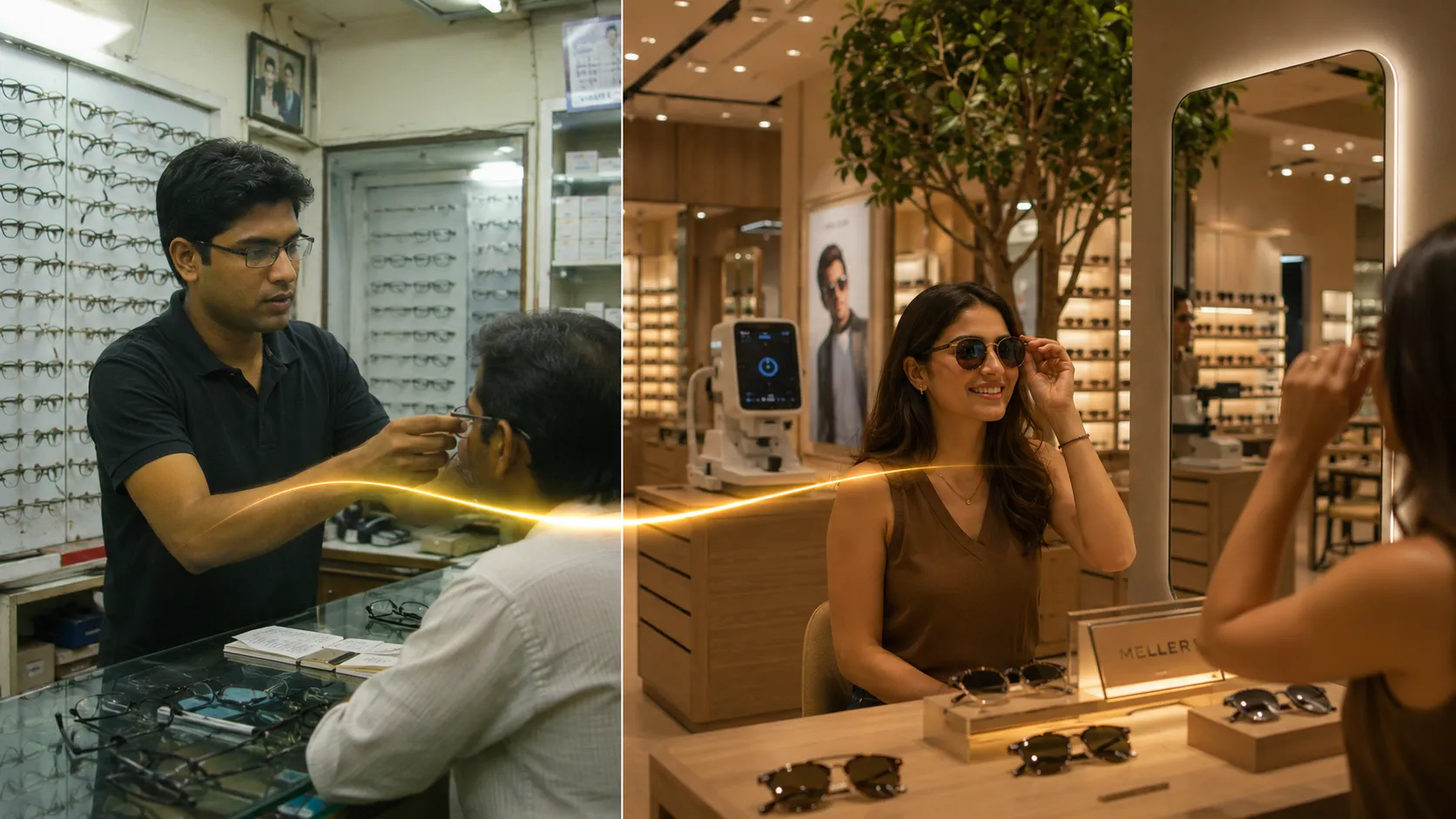
In October 2025, the internet made fun of Peyush Bansal. Lenskart, the company he had spent fifteen years building from a small Delhi shop into India's largest eyewear retailer, was about to go public. The valuation was approximately ₹70,000 crore—roughly $8 billion at the upper end of the price band. The price-to-earnings ratio, calculated on trailing earnings, was approximately 230. The memes arrived within hours. "Glasses Or Diamonds?" read one viral post, comparing the per-share price of Lenskart to a pair of gold earrings. Shark Tank India viewers—who knew Bansal as the measured, thoughtful investor on the show's judging panel—pointed out the apparent hypocrisy: the same person who grilled founders about their valuations was now asking public-market investors to pay one of the highest multiples in Indian consumer internet history.

The $15 Million Bet That Indian Mythology Can Be Bigger Than Marvel: How the Turnaround CEO Who Sold a Superhero Company for $100 Million Is Building the "Disney from the East"
StartupsMay 24, 2026

The $15 Million Bet That Indian Mythology Can Be Bigger Than Marvel: How the Turnaround CEO Who Sold a Superhero Company for $100 Million Is Building the "Disney from the East"

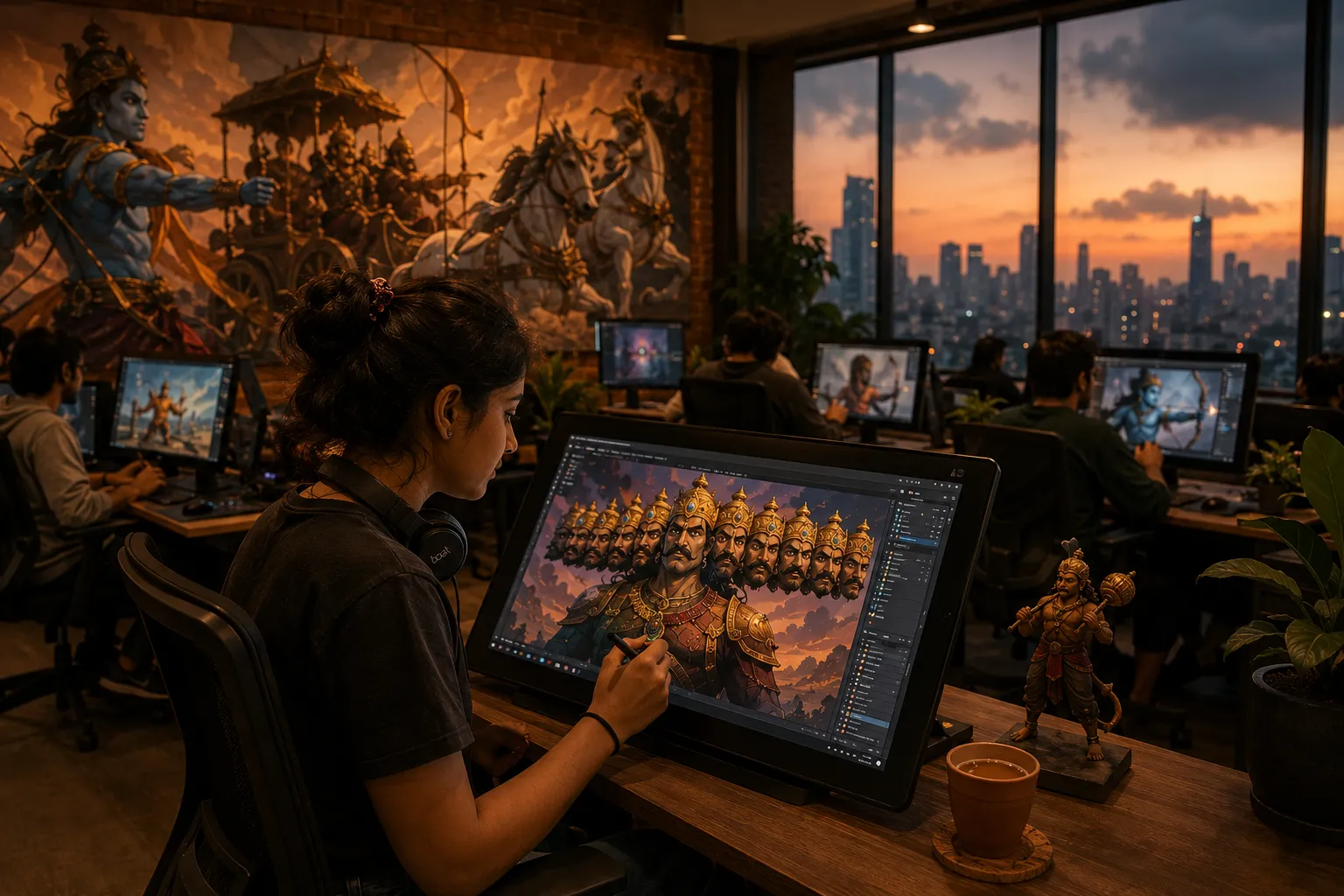
Jason Kothari was 12 years old when he first imagined Bloodshot as a movie. The character—a nanite-infused super-soldier from the Valiant Comics universe—was not yet famous. Valiant itself was not yet famous. It was, in fact, bankrupt. Two decades later, Kothari had acquired Valiant Entertainment while still an undergraduate at Wharton, recruited the management team behind the historic Marvel turnaround, led the company out of bankruptcy, sold it to China's DMG Entertainment for $100 million, and served as executive producer on the Vin Diesel-led Bloodshot film for Sony Pictures. He was, by any measure, one of the most unusual entrepreneurs in the Indian diaspora—a turnaround specialist who had operated at the intersection of entertainment, finance, and technology his entire career.

Load More Results