Results (994 found)

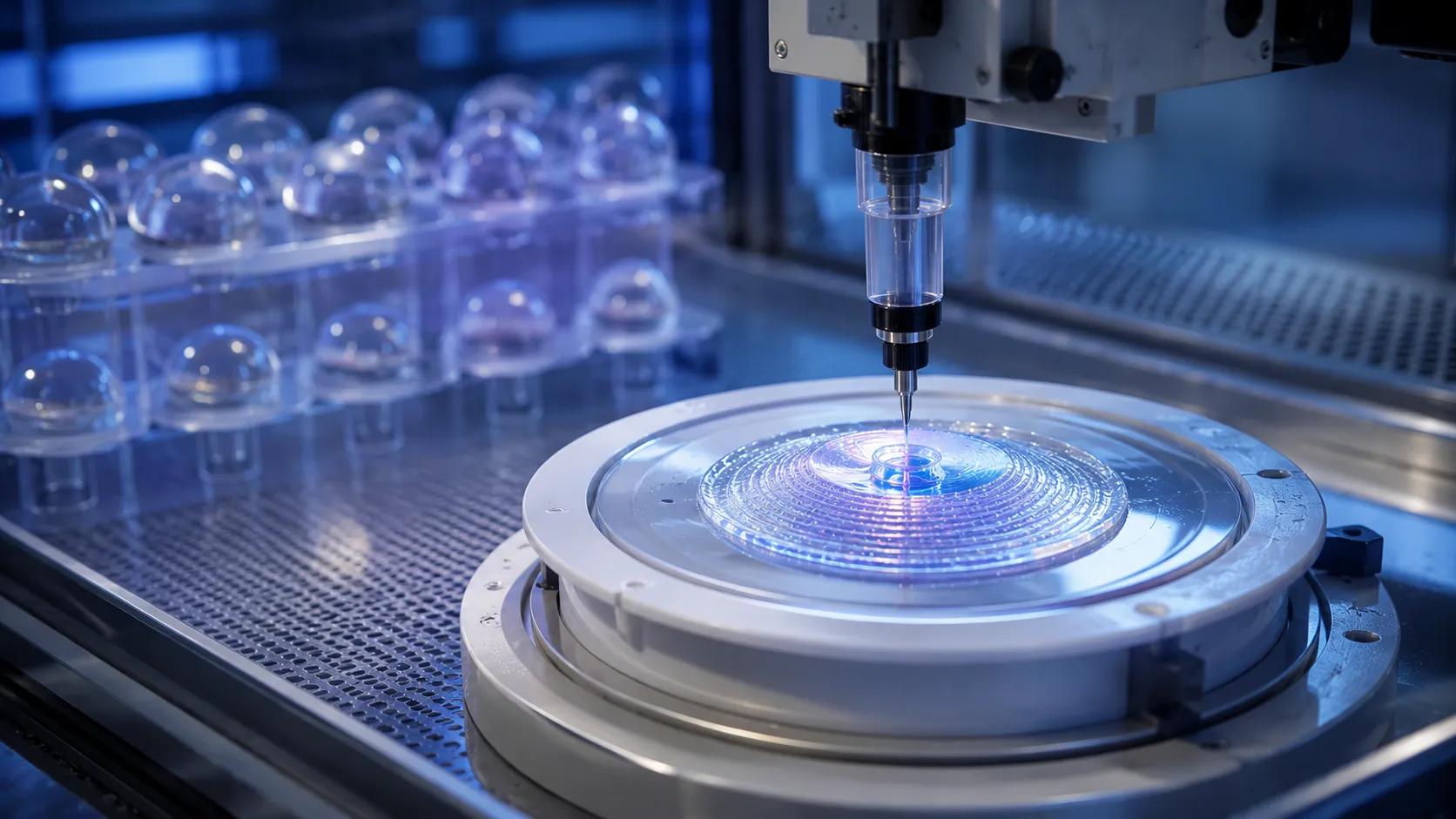
The Kerala Lab Where a 28-Year-Old Is Printing Human Corneas—and Could End the Global Blindness Waitlist
StartupsMay 24, 2026

The Kerala Lab Where a 28-Year-Old Is Printing Human Corneas—and Could End the Global Blindness Waitlist

Dr. Asha Krishnan was not supposed to be a startup founder. She was a research scientist at Sree Chitra Tirunal Institute for Medical Sciences and Technology, one of India's most respected medical research institutions, working on biomaterials that could one day—perhaps, maybe, eventually—be used to 3D-print human tissue. The work was fascinating, important, and slow. The gap between a published paper and a patient who could see again was measured in decades. She was fine with that. She was a scientist. Patience was the job.

The Satellite That Thinks: How Two Bengaluru Startups Are Building India's First Orbital AI Data Center—and Beating SpaceX to the Punch
StartupsMay 24, 2026

The Satellite That Thinks: How Two Bengaluru Startups Are Building India's First Orbital AI Data Center—and Beating SpaceX to the Punch

Sometime in the fourth quarter of this year, a 200-kilogram satellite will lift off from the Satish Dhawan Space Centre in Sriharikota. It will ride a Polar Satellite Launch Vehicle into low-Earth orbit, separate from its upper stage, and unfurl its solar panels to face the sun. At that moment, it will become something that has never existed before: India's first orbital AI data center. Not a communications relay. Not an Earth-observation platform. A flying computer, carrying data-center-class GPUs into space, capable of running sovereign AI models directly in orbit—processing data at the point of collection, without ever sending a single byte to a terrestrial server.

The ₹47 Crore Underwater Robot That Just Put a Kerala Startup on the Global Deep-Tech Map
StartupsMay 24, 2026

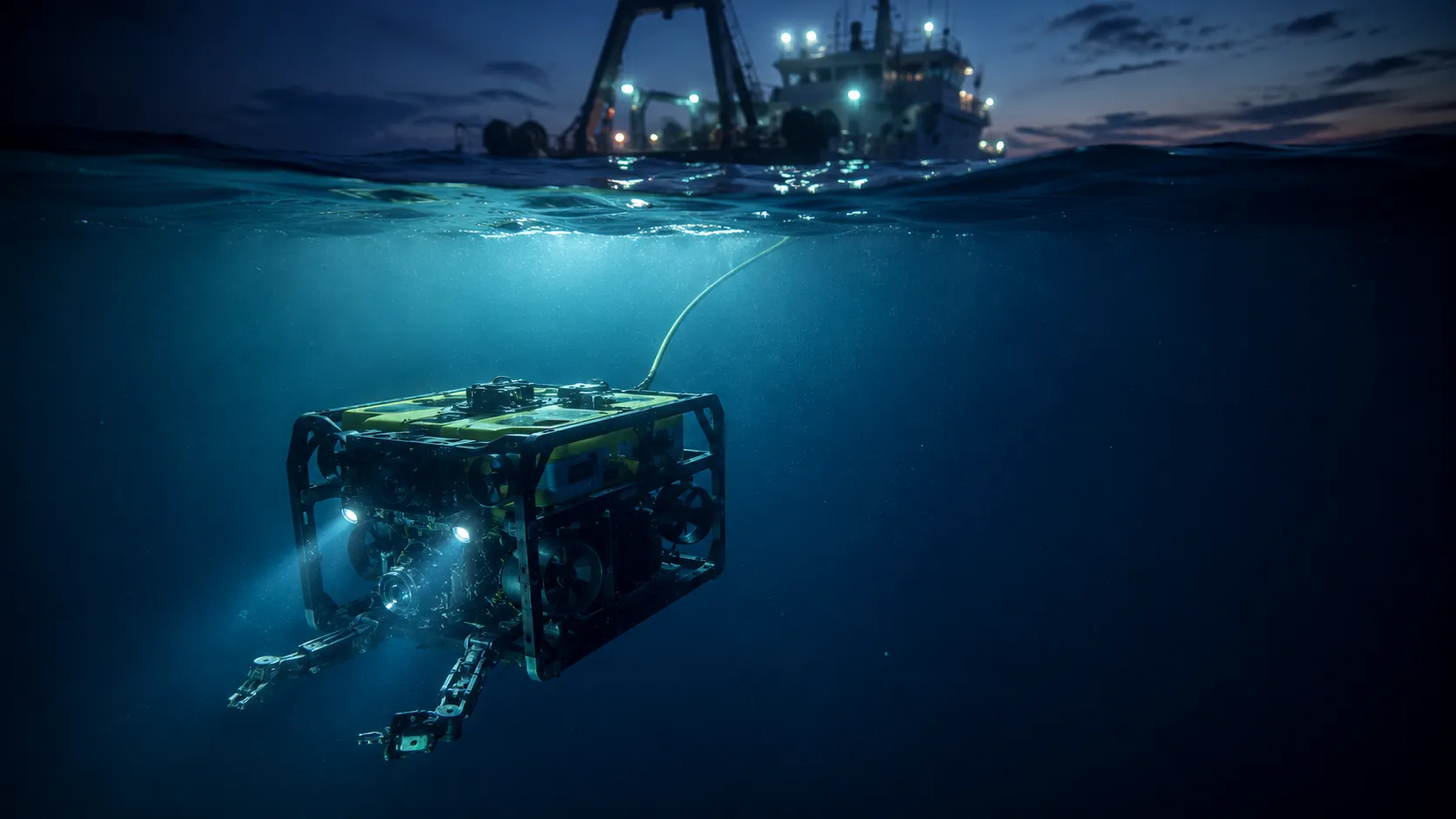
The ₹47 Crore Underwater Robot That Just Put a Kerala Startup on the Global Deep-Tech Map

Sometime in the past week, in a wood-panelled conference room in Oslo, a young engineer from Kochi stood before a gathering of Norwegian maritime executives and Indian government officials and described a machine that most of the people in the room had never seen. The machine was an underwater remotely operated vehicle—a robot designed to descend into the darkness of harbours, dams, and offshore platforms, where human divers cannot go, and inspect the critical infrastructure that the global economy depends on but almost never sees. It could operate at depths that would crush a diver. It could navigate in zero-visibility conditions using sonar and AI-powered computer vision. It could relay high-definition video, sonar imagery, and structural diagnostics to a control station on the surface. And it had been designed, built, and tested not in Norway—the world leader in subsea engineering—but in Kerala, at a startup called EyeROV Technologies, founded by alumni of IIT Madras and backed by the Kerala Startup Mission.

The Drone That Can Carry 200 Kilograms Across the Himalayas: Inside the IIT Kanpur Lab That Spent a Decade Building India's Most Ambitious Flying Machine
StartupsMay 24, 2026

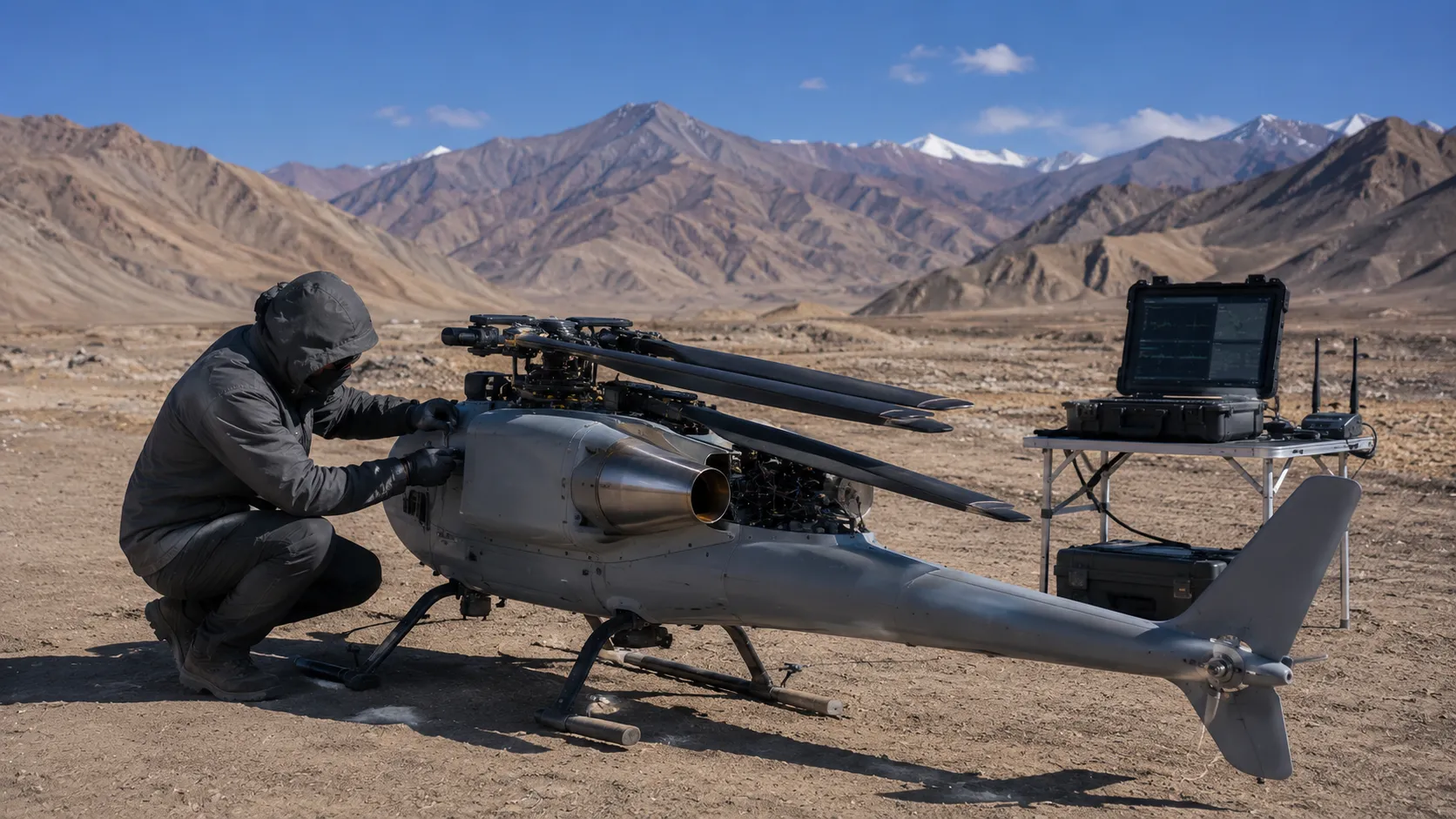
The Drone That Can Carry 200 Kilograms Across the Himalayas: Inside the IIT Kanpur Lab That Spent a Decade Building India's Most Ambitious Flying Machine

Sometime in the next eighteen months, a machine the size of a small car will lift off from a clearing in the mountains of northern India. It will not need a runway. It will rise vertically, its variable-pitch rotors biting into the thin Himalayan air, a turbocharged internal combustion engine driving an advanced mechanical powertrain that has been designed, tested, and built entirely in India. Slung beneath it will be a payload of 200 kilograms—food, medical supplies, ammunition, construction equipment, whatever the terrain demands. It will fly for two and a half hours, covering 200 kilometres of some of the most unforgiving geography on Earth, and it will land vertically at a forward operating base, a remote village, or a disaster zone that no road has ever reached. Then it will do it again. And again. And again.

The Headphones That Read Your Mind: How Two Indian Women Built an AI-Powered Neurotech Wearable That Reduces Stress in Real Time
StartupsMay 24, 2026

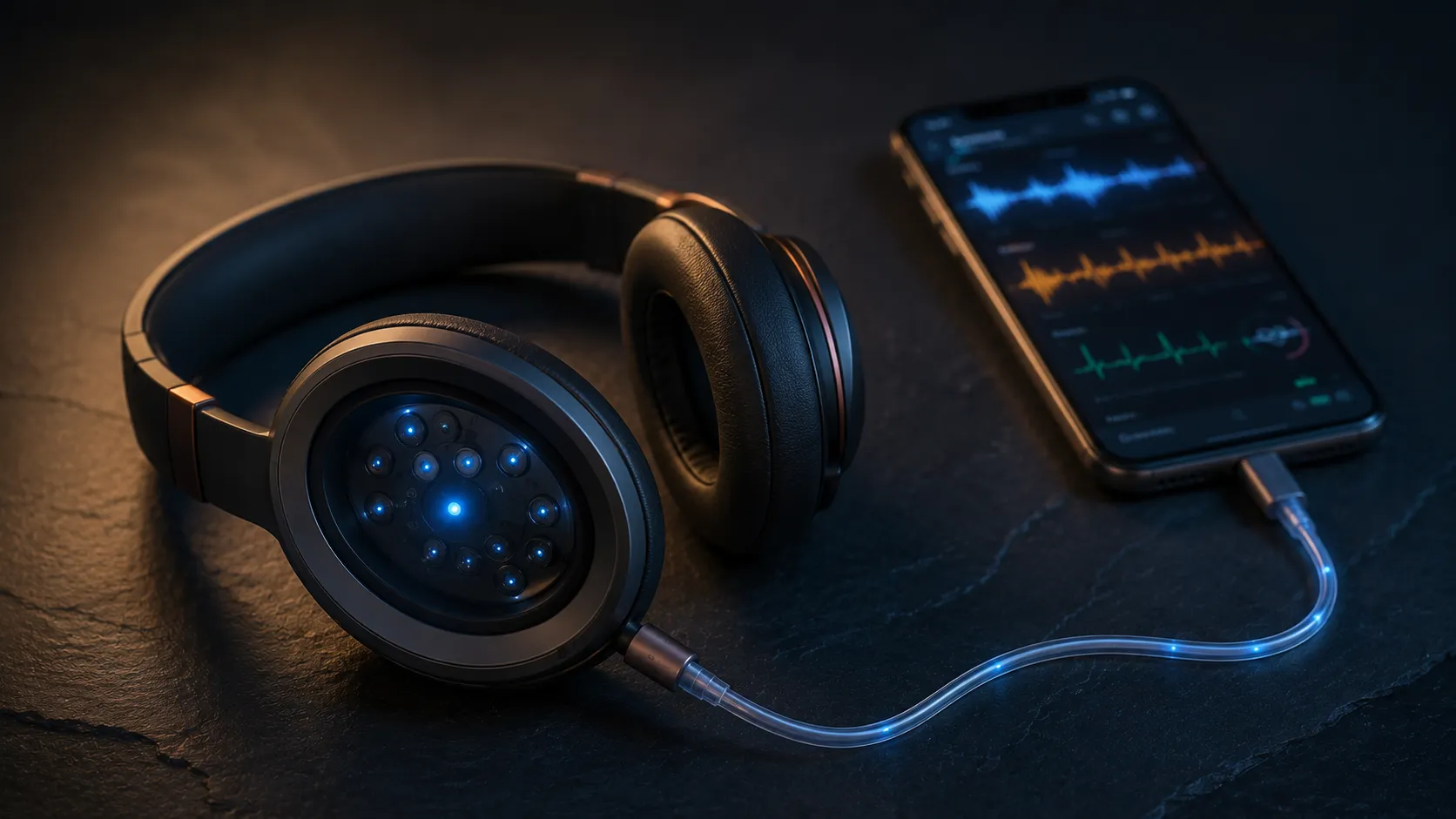
The Headphones That Read Your Mind: How Two Indian Women Built an AI-Powered Neurotech Wearable That Reduces Stress in Real Time

The headphones look ordinary. They sit over the ears like any premium audio device, the kind worn by millions of commuters and office workers every day. But inside the ear cups, a system of sensors, electrodes, and adaptive artificial intelligence is doing something no consumer headphone has ever done. It is reading the wearer's brainwaves. It is tracking their heart rate variability in real time. It is detecting the subtle physiological shifts that signal rising stress, fading focus, or the onset of mental fatigue. And then, quietly, without the wearer ever pressing a button, it is responding—adjusting neurostimulation protocols, modulating binaural beats, delivering pre

The Bengaluru Robots That Want to Run Every Warehouse on Earth: Inside the $5.4 Million Bet on Machines That Understand Context—Not Just Commands
StartupsMay 24, 2026

The Bengaluru Robots That Want to Run Every Warehouse on Earth: Inside the $5.4 Million Bet on Machines That Understand Context—Not Just Commands

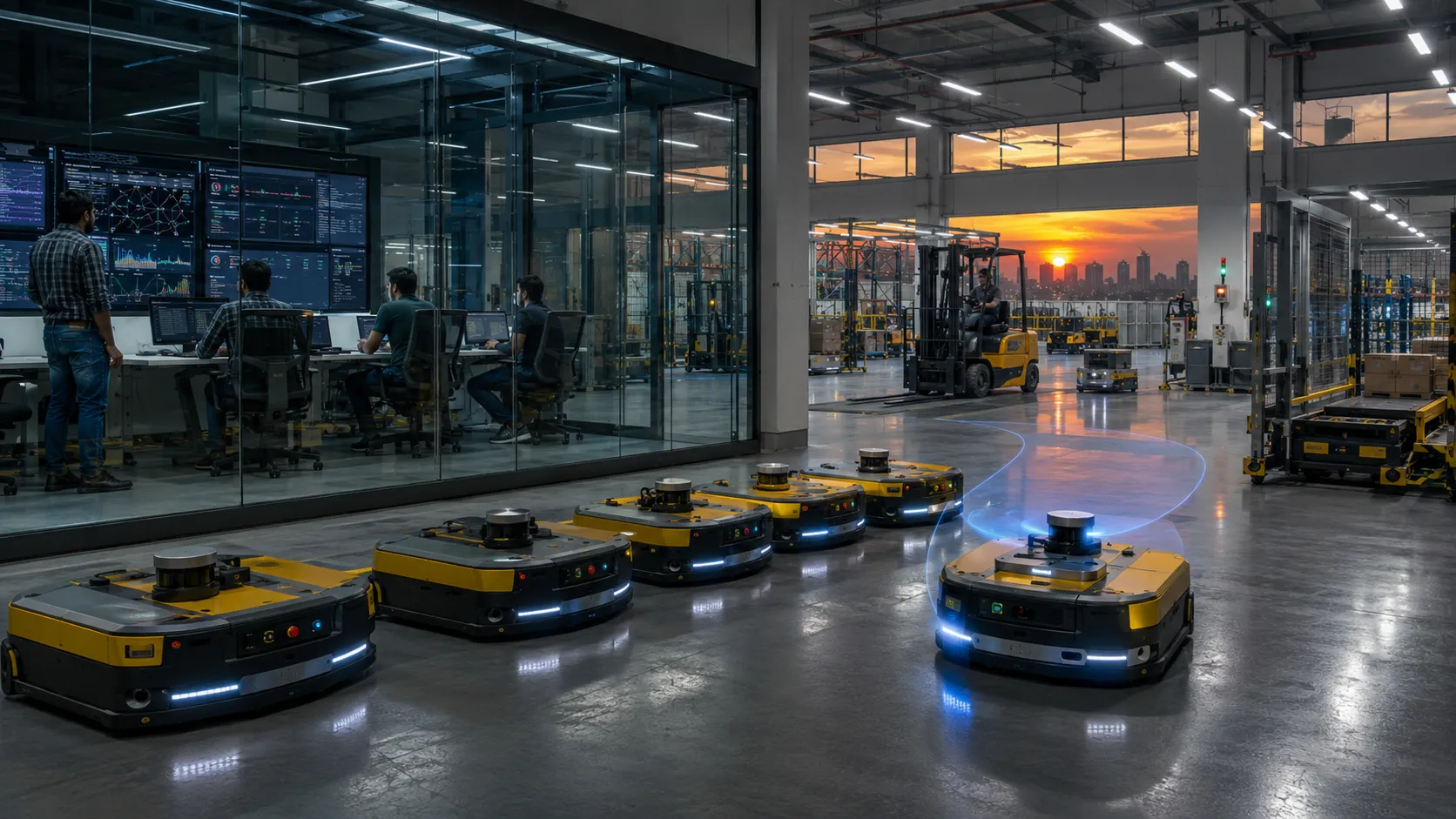
Ribin Mathew was not supposed to be a roboticist. He was a software engineer, the kind who could have spent a comfortable career building enterprise applications for companies that paid well and asked few questions. But somewhere in the early years of his working life, he stumbled on a statistic that lodged in his brain and refused to leave. Nearly 80 percent of the world's warehouses operate with little or no automation. Not 8 percent. Not 18 percent. Eighty percent. Hundreds of thousands of facilities—the distribution centres that feed the e‑commerce pipelines, the factory floors that build everything from smartphones to car parts, the logistics hubs that move the global economy—are still run largely by humans pushing carts, carrying boxes, and walking miles of concrete every shift. The world had spent a decade building artificial intelligence that could write poetry and generate images. It had spent almost no time building robots that could move a pallet from one end of a warehouse to the other without human supervision.

Load More Results