For years, conversations surrounding agriculture frequently followed relatively familiar patterns. Farming often entered public discussions through productivity numbers, crop cycles and broader economic challenges because agricultural systems frequently appeared measured through output and scale. Startup ecosystems meanwhile often concentrated attention around venture-backed growth stories because funding itself frequently appeared treated as one of the strongest indicators of ambition and long-term potential. As a result, businesses without external capital frequently remained outside broader entrepreneurial narratives because growth itself often became associated with investment rather than patience.
Yet beneath that larger landscape, another quieter story increasingly appears unfolding. Across food ecosystems and sustainability communities, individuals increasingly continue exploring different approaches involving restoration, long-term thinking and slower forms of growth because environmental conversations increasingly seem shifting beyond production itself. What initially looked like niche farming experimentation increasingly resembles a broader movement involving land, sustainability and rethinking relationships with food systems altogether.
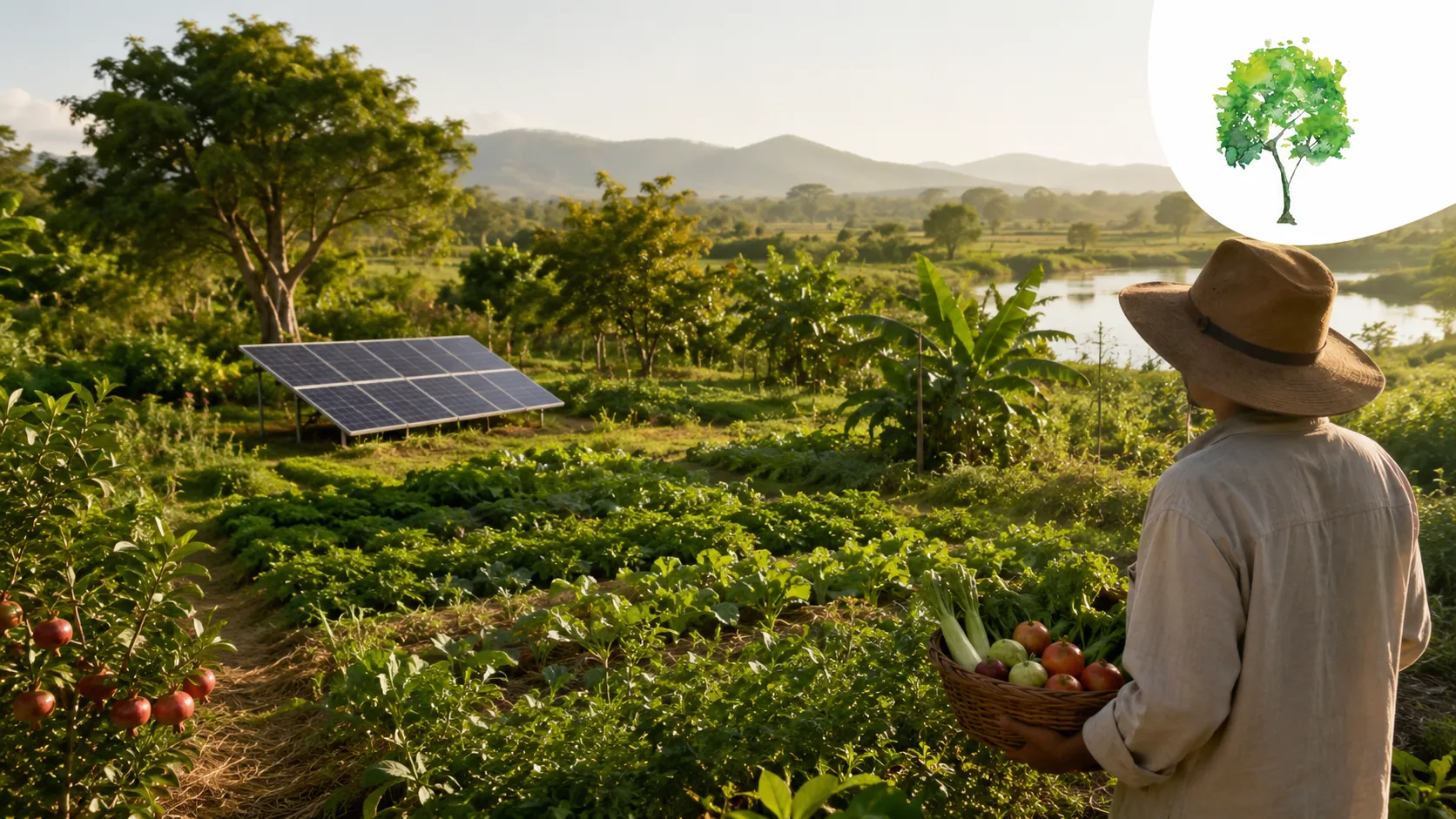
That broader transition increasingly became visible through the journey of Vanya Organic, a Madhya Pradesh-based initiative reportedly built on an arid stretch of land near the Narmada River. Rather than following highly conventional farming methods, the project gradually evolved around regenerative ideas involving no-till farming and the development of a food forest ecosystem designed to restore land naturally over time. What makes the story particularly distinctive is that it reportedly was not built through institutional funding rounds or venture capital structures. Instead, the initiative was developed using the Jha family’s personal retirement savings, transforming what initially appeared like a deeply personal decision into something significantly larger.
Viewed independently, the journey may initially appear like another farming story involving sustainability and organic agriculture. Viewed through a broader impact lens, however, it increasingly raises a larger question: what happens when people begin building businesses around restoration itself rather than rapid expansion?
Historically, startup environments frequently celebrated scale because growth often represented speed, visibility and capital movement. Businesses frequently pursued external investment because larger financial backing frequently appeared necessary for expansion and legitimacy. Increasingly, however, another reality appears emerging beneath entrepreneurial ecosystems. Certain founders and builders increasingly seem prioritizing independence, patience and highly intentional growth because some projects frequently operate according to entirely different timelines than traditional venture systems allow.
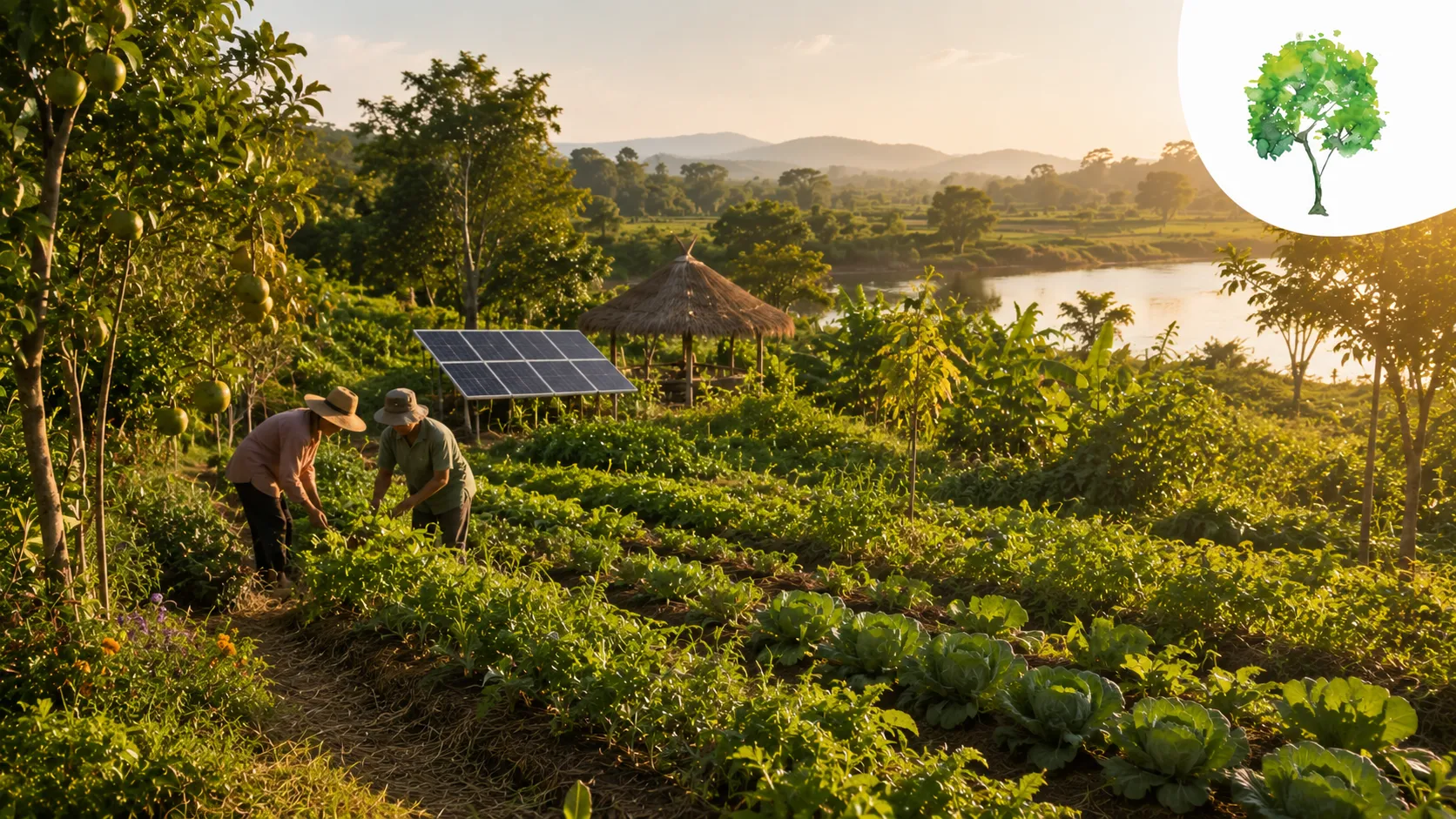
This distinction increasingly matters because regenerative environments frequently depend upon slower thinking. Land restoration frequently does not happen quickly. Ecosystems frequently develop gradually. Outcomes frequently emerge through consistency rather than acceleration because nature itself frequently follows rhythms dramatically different from startup cycles. The broader significance increasingly suggests not every meaningful business story naturally aligns with venture structures or rapid scaling expectations.
Perhaps that explains why Vanya Organic increasingly feels larger than one farming initiative or one bootstrapped journey. Because beneath conversations involving organic agriculture ultimately exists another reality involving belief itself. Historically, many people frequently viewed retirement savings as resources designed primarily for security and preservation. Yet occasionally, people increasingly choose to direct those resources toward ideas carrying emotional purpose alongside financial uncertainty.
The larger impact story therefore may not simply involve transforming arid land into a food forest without venture funding. Increasingly, it may involve recognizing that some of the strongest entrepreneurial stories frequently begin not with capital rounds and growth announcements, but with conviction itself. Because increasingly, building something meaningful occasionally starts by investing not only money, but faith.