Results (989 found)

The ₹1,150 Crore Startup That India's Venture Capitalists Forgot to Notice: How Three IIT Friends Spent 16 Years Building a Profitable Climate-Tech Giant While Everyone Chased Quick Commerce
StartupsMay 24, 2026

The ₹1,150 Crore Startup That India's Venture Capitalists Forgot to Notice: How Three IIT Friends Spent 16 Years Building a Profitable Climate-Tech Giant While Everyone Chased Quick Commerce

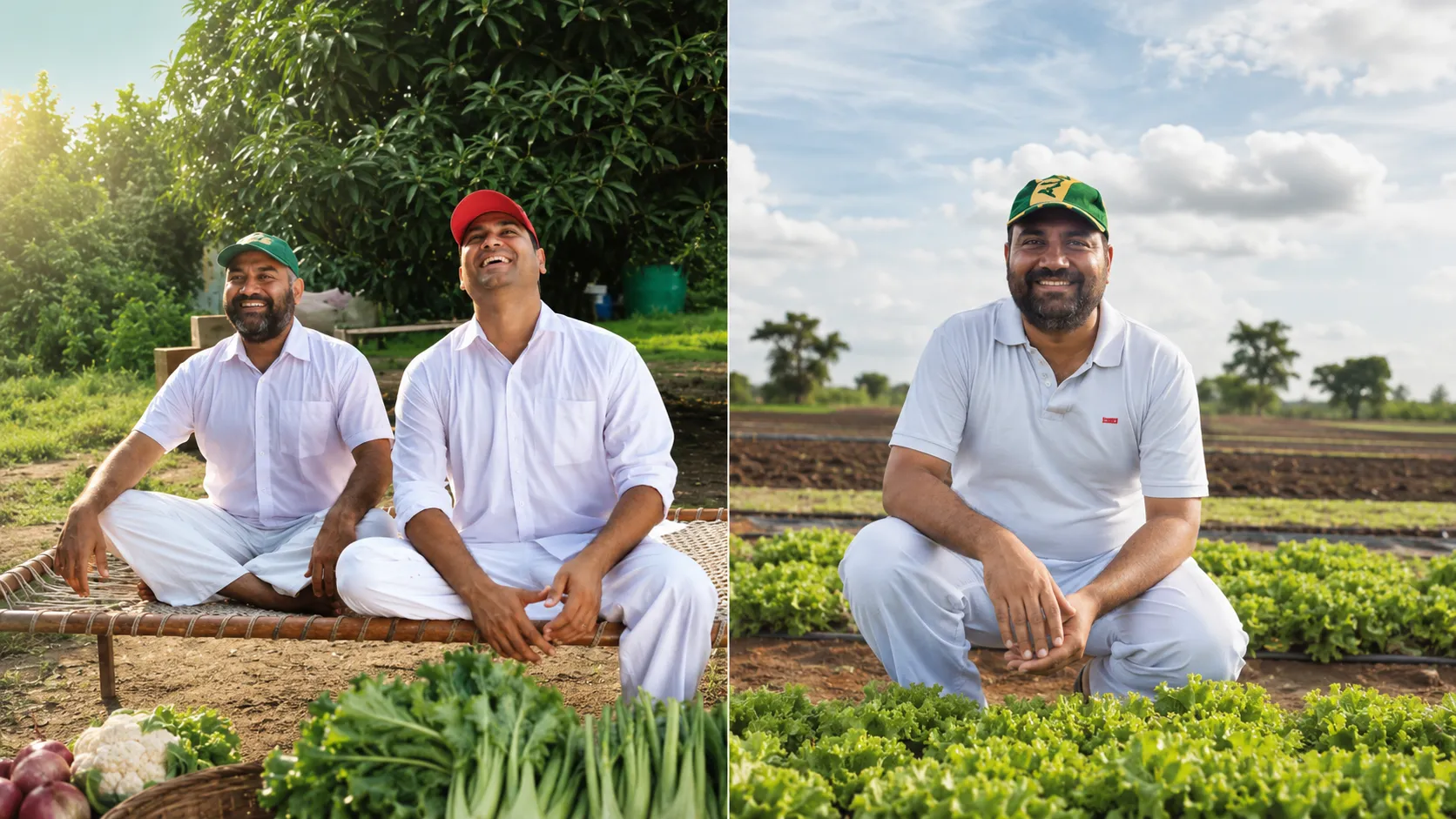
In 2010, three friends from IIT Kharagpur stood at the threshold of a decision that would define the rest of their lives. Devendra Gupta had a job offer from a multinational corporation. Prateek Singhal had an offer from a prestigious foreign university. Vivek Pandey had a path that looked, to everyone who knew him, like the safe, sensible, upward trajectory of an engineering graduate from one of India's finest institutions. The offers were good. The paths were clear. The alternative was to start a company that made solar-powered pumps for farmers—a category that did not exist, in a market that had never heard of it, with no venture capital, no government incentives, and no guarantee that anyone would buy what they built.
The Gurugram Startup That Said Even Air Conditioners Deserve an Indian Engineering Upgrade
StartupsMay 24, 2026

The Gurugram Startup That Said Even Air Conditioners Deserve an Indian Engineering Upgrade

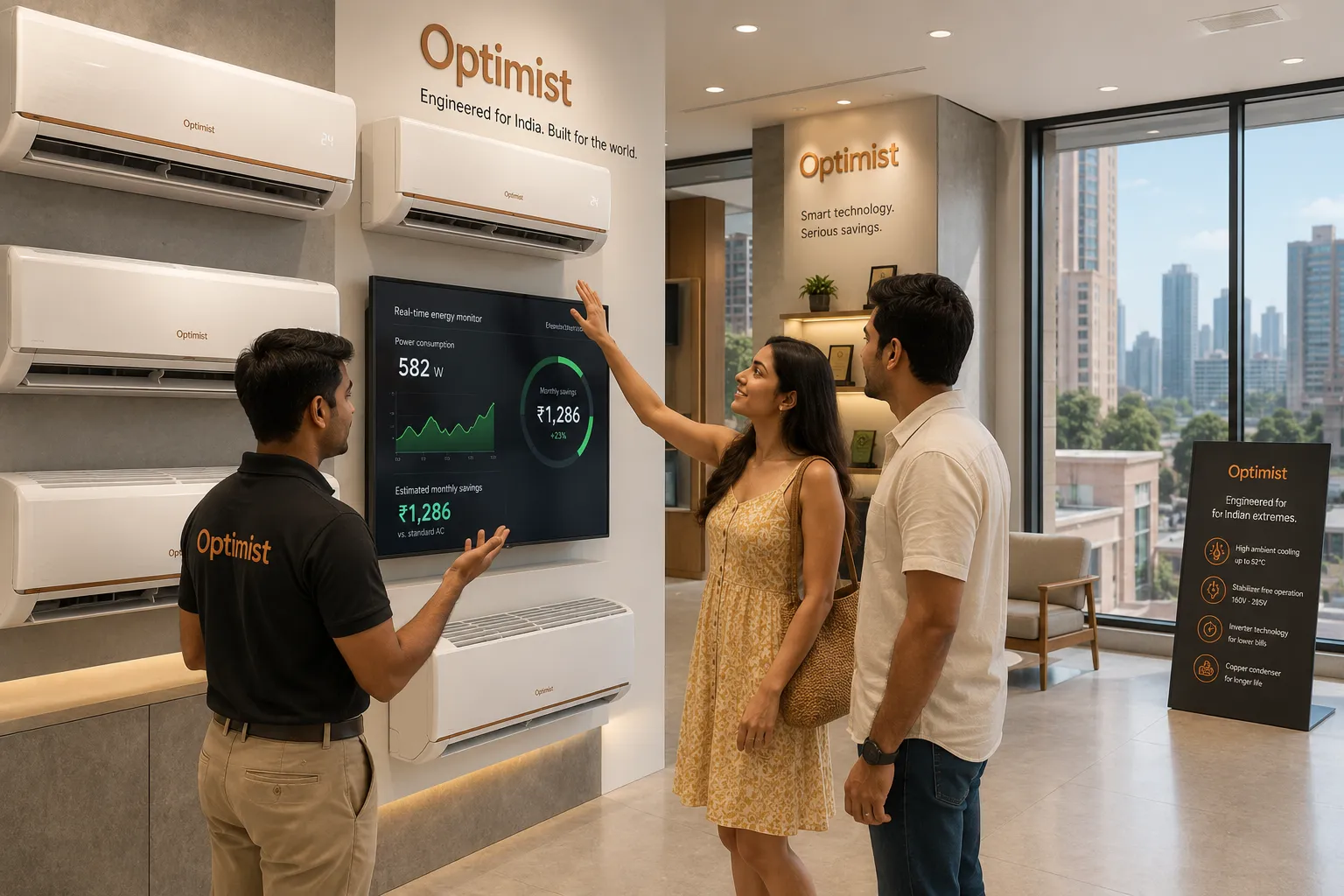
Ashish Goel was not supposed to be a hardware entrepreneur. He had spent the better part of his career building software — the kind that makes e-commerce platforms run faster, that optimises supply chains, that sits invisibly inside the digital infrastructure of modern India. He was good at it. He was comfortable. And then, in the brutal summer of 2024, his air conditioner broke.

The Farm Boy and the IIT Engineer Who Turned Crop Smoke into a ₹120 Crore Carbon Empire
StartupsMay 24, 2026

The Farm Boy and the IIT Engineer Who Turned Crop Smoke into a ₹120 Crore Carbon Empire

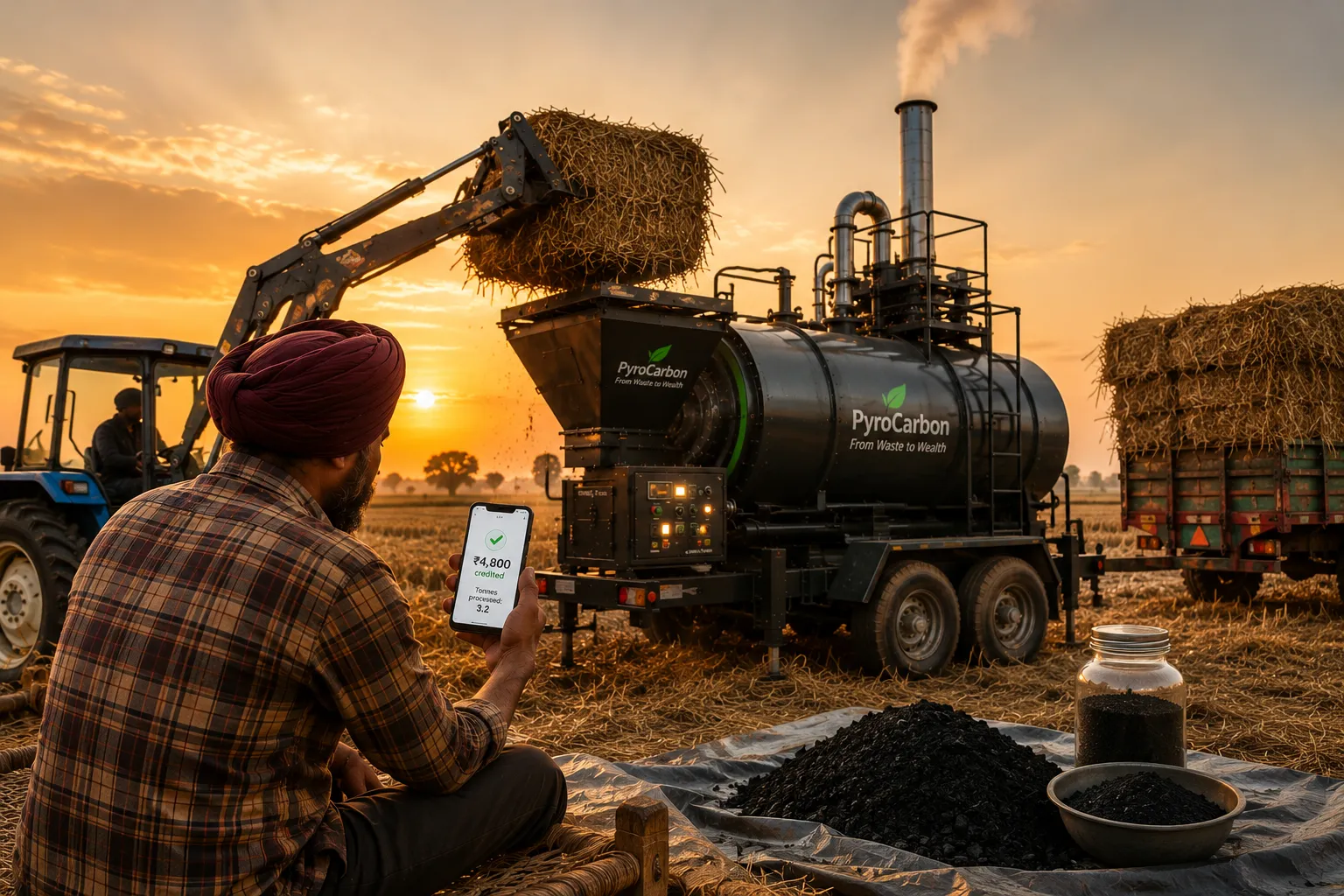
The autumn of 2022 was the year the air in Delhi became a crime scene. For weeks, a thick grey pall of smoke from burning rice stubble in Punjab and Haryana settled over the National Capital Region, pushing the Air Quality Index past 400—"severe," the colour code for a public health emergency. Schools closed. Flights were grounded. The Supreme Court summoned government officials and demanded answers. The chief ministers of the agrarian states pointed at helpless farmers who had no choice but to clear their fields for the next planting season. The farmers pointed at the government, which had promised them affordable alternatives and delivered none. The smoke, season after season, was nobody's fault and everybody's problem.

The Bengaluru Lab That Taught an AI to Read the Brain—And Is Now Helping Surgeons Navigate Its Most Dangerous Territory
StartupsMay 24, 2026

The Bengaluru Lab That Taught an AI to Read the Brain—And Is Now Helping Surgeons Navigate Its Most Dangerous Territory

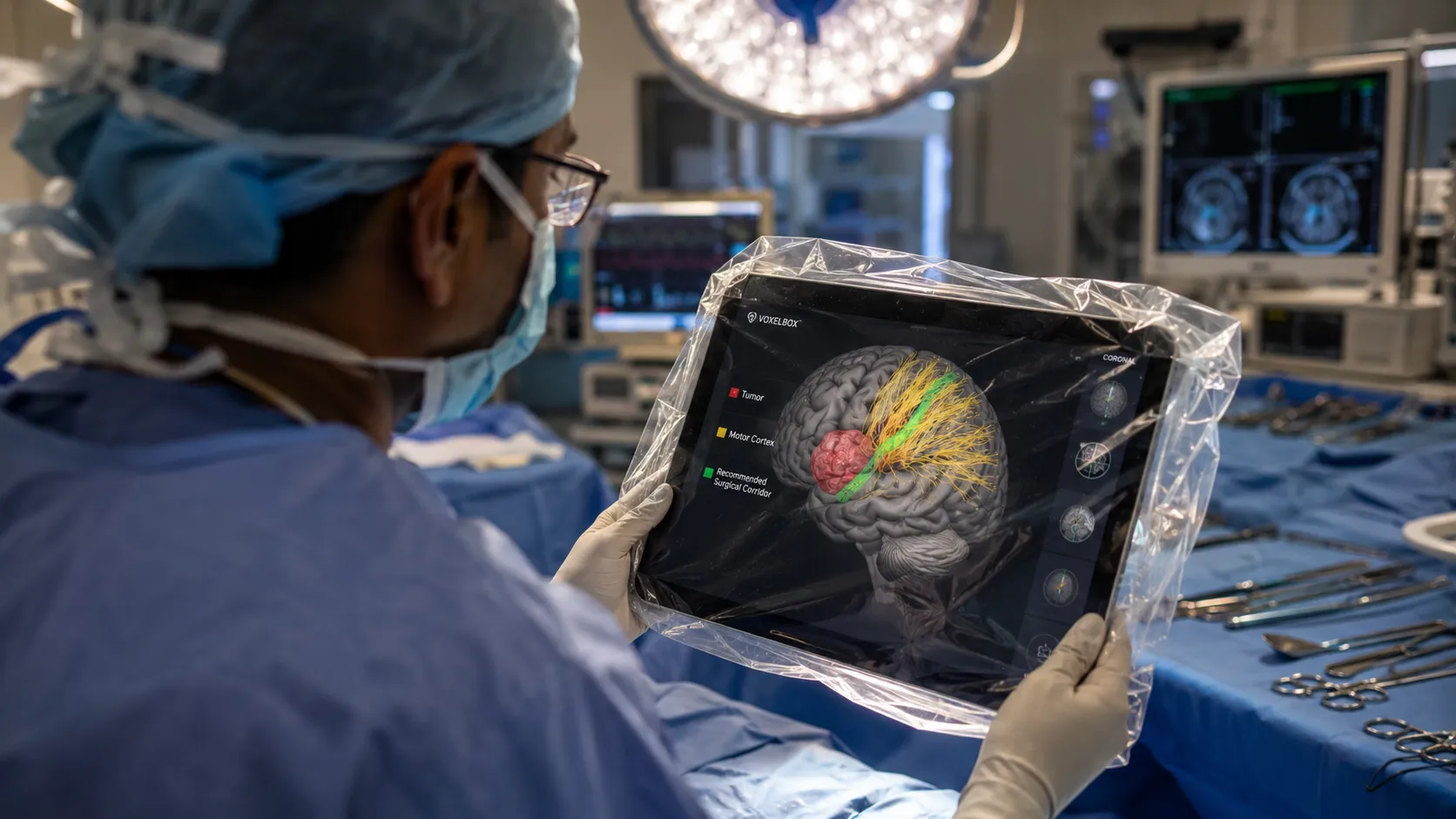
Dr. Laina Emmanuel was not supposed to be a neurotech entrepreneur. She was a clinical neuropsychologist, the kind who spends her days in hospital wards, assessing patients with brain tumours, traumatic brain injuries, and neurodegenerative diseases. She watched neurosurgeons plan their operations by staring at black-and-white MRI slices, mentally reconstructing the three-dimensional architecture of the brain, and making their best guess about where the tumour ended and the healthy tissue began. She watched them get it wrong—not often, but often enough. A few millimetres in the wrong direction, and a patient who came in for a tumour resection left the operating theatre unable to speak, or walk, or recognise their spouse.

The Kerala Lab Where a 28-Year-Old Is Printing Human Corneas—and Could End the Global Blindness Waitlist
StartupsMay 24, 2026

The Kerala Lab Where a 28-Year-Old Is Printing Human Corneas—and Could End the Global Blindness Waitlist

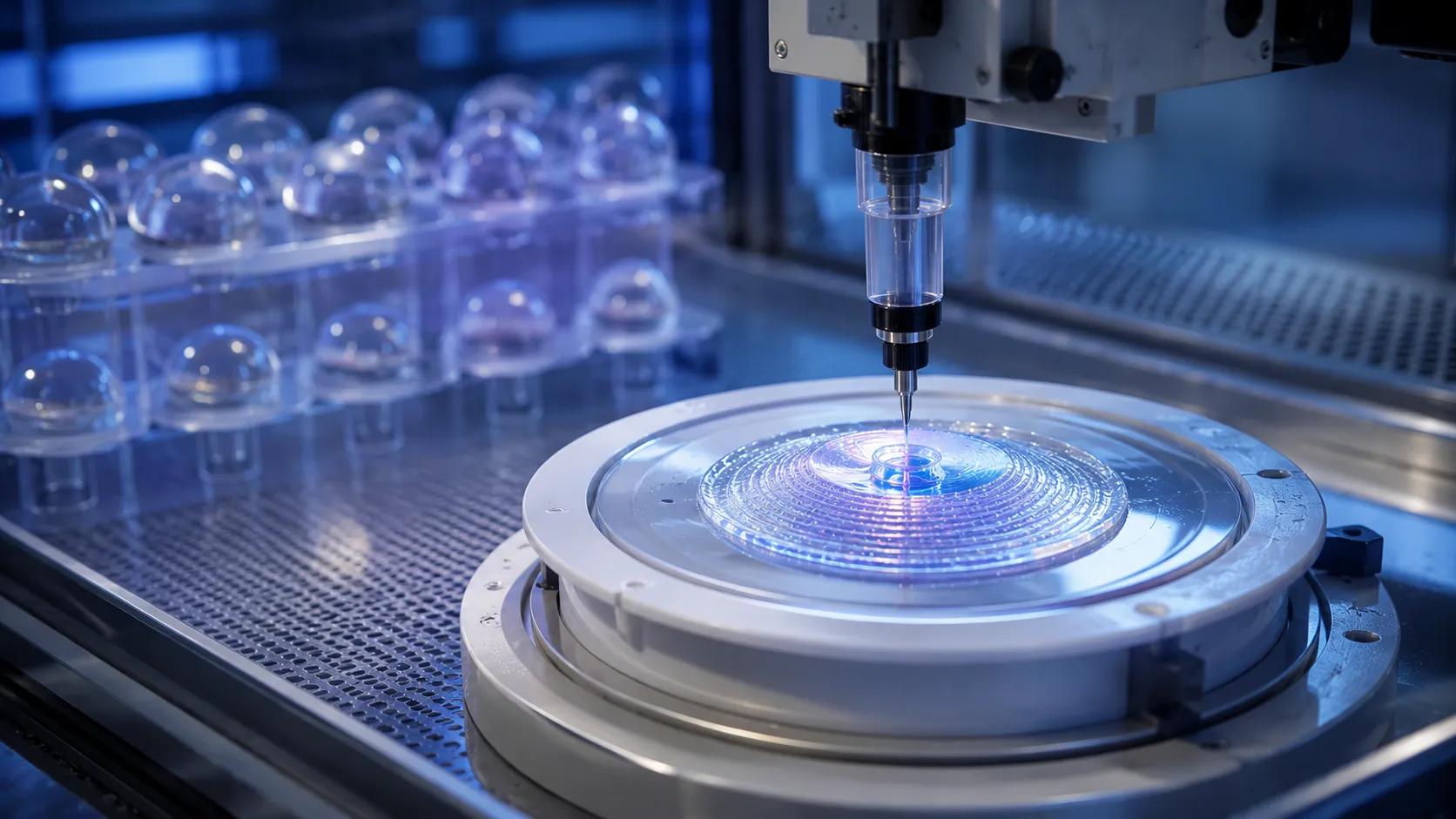
Dr. Asha Krishnan was not supposed to be a startup founder. She was a research scientist at Sree Chitra Tirunal Institute for Medical Sciences and Technology, one of India's most respected medical research institutions, working on biomaterials that could one day—perhaps, maybe, eventually—be used to 3D-print human tissue. The work was fascinating, important, and slow. The gap between a published paper and a patient who could see again was measured in decades. She was fine with that. She was a scientist. Patience was the job.

The Satellite That Thinks: How Two Bengaluru Startups Are Building India's First Orbital AI Data Center—and Beating SpaceX to the Punch
StartupsMay 24, 2026

The Satellite That Thinks: How Two Bengaluru Startups Are Building India's First Orbital AI Data Center—and Beating SpaceX to the Punch

Sometime in the fourth quarter of this year, a 200-kilogram satellite will lift off from the Satish Dhawan Space Centre in Sriharikota. It will ride a Polar Satellite Launch Vehicle into low-Earth orbit, separate from its upper stage, and unfurl its solar panels to face the sun. At that moment, it will become something that has never existed before: India's first orbital AI data center. Not a communications relay. Not an Earth-observation platform. A flying computer, carrying data-center-class GPUs into space, capable of running sovereign AI models directly in orbit—processing data at the point of collection, without ever sending a single byte to a terrestrial server.

The ₹47 Crore Underwater Robot That Just Put a Kerala Startup on the Global Deep-Tech Map
StartupsMay 24, 2026

The ₹47 Crore Underwater Robot That Just Put a Kerala Startup on the Global Deep-Tech Map

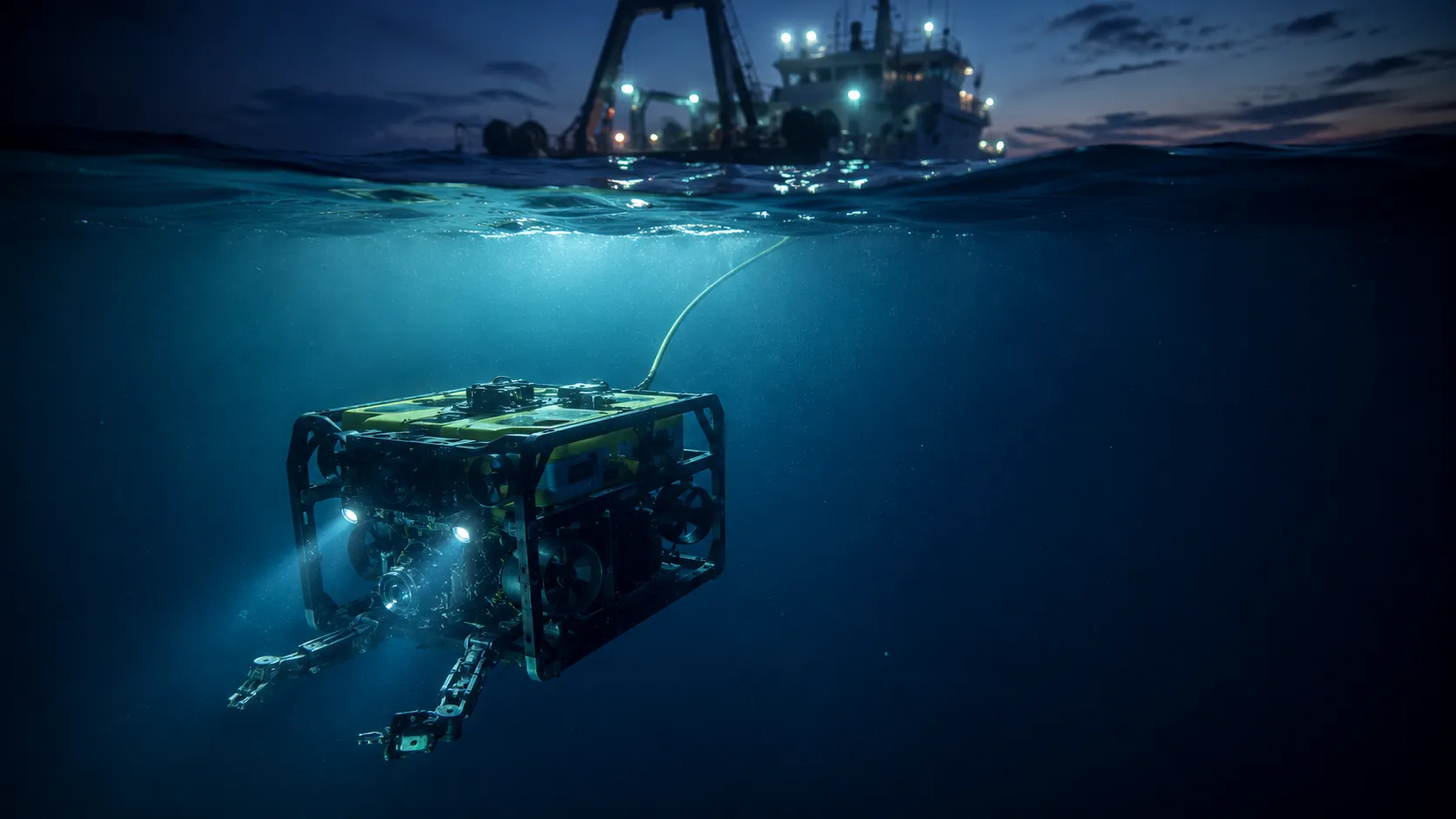
Sometime in the past week, in a wood-panelled conference room in Oslo, a young engineer from Kochi stood before a gathering of Norwegian maritime executives and Indian government officials and described a machine that most of the people in the room had never seen. The machine was an underwater remotely operated vehicle—a robot designed to descend into the darkness of harbours, dams, and offshore platforms, where human divers cannot go, and inspect the critical infrastructure that the global economy depends on but almost never sees. It could operate at depths that would crush a diver. It could navigate in zero-visibility conditions using sonar and AI-powered computer vision. It could relay high-definition video, sonar imagery, and structural diagnostics to a control station on the surface. And it had been designed, built, and tested not in Norway—the world leader in subsea engineering—but in Kerala, at a startup called EyeROV Technologies, founded by alumni of IIT Madras and backed by the Kerala Startup Mission.

Load More Results