Results (109 found)

Suchi Mukherjee and LimeRoad: The Rise, the V-Mart Acquisition
WomenJul 1, 2026

Suchi Mukherjee and LimeRoad: The Rise, the V-Mart Acquisition

She held a University record at Cambridge. She ran Gumtree to the number one position in the UK. She came back to India at 39, during maternity leave, spotted a jewellery piece in a magazine she could not buy, and founded LimeRoad. Tiger Global backed it. V-Mart eventually acquired it for ₹31 crore.

The Single‑Screen Revival: Against Every Trend, a Chain of Restored Heritage Theatres Is Selling Out Shows—And the Nostalgia Economy Is Just Getting Started
MagazineMay 30, 2026

The Single‑Screen Revival: Against Every Trend, a Chain of Restored Heritage Theatres Is Selling Out Shows—And the Nostalgia Economy Is Just Getting Started

In the winter of 2023, a 74‑year‑old single‑screen theatre in Mumbai's Grant Road district was about to close. The Alfred Theatre, a fading art‑deco relic with a cracked façade, worn velvet seats, and a projection system that had not been upgraded since the early 2000s, had been losing money for years. Its owner, the third generation of a family that had operated the theatre since 1949, had been negotiating with a real‑estate developer who wanted to demolish the building and replace it with a residential tower. The deal was essentially done. The Alfred was going to join the thousands of single‑screen theatres that had been shuttered across India over the past two decades—the casualties of the multiplex revolution, the streaming disruption, and the simple, brutal economics of operating a 900‑seat cinema in an era when the average multiplex auditorium held 200.

The Face That Wasn't Hers: How a Bollywood Star's Deepfake Nightmare Is Reshaping the ₹10,000 Crore Endorsement Economy—And the Law Is Scrambling to Catch Up
MagazineMay 30, 2026

The Face That Wasn't Hers: How a Bollywood Star's Deepfake Nightmare Is Reshaping the ₹10,000 Crore Endorsement Economy—And the Law Is Scrambling to Catch Up

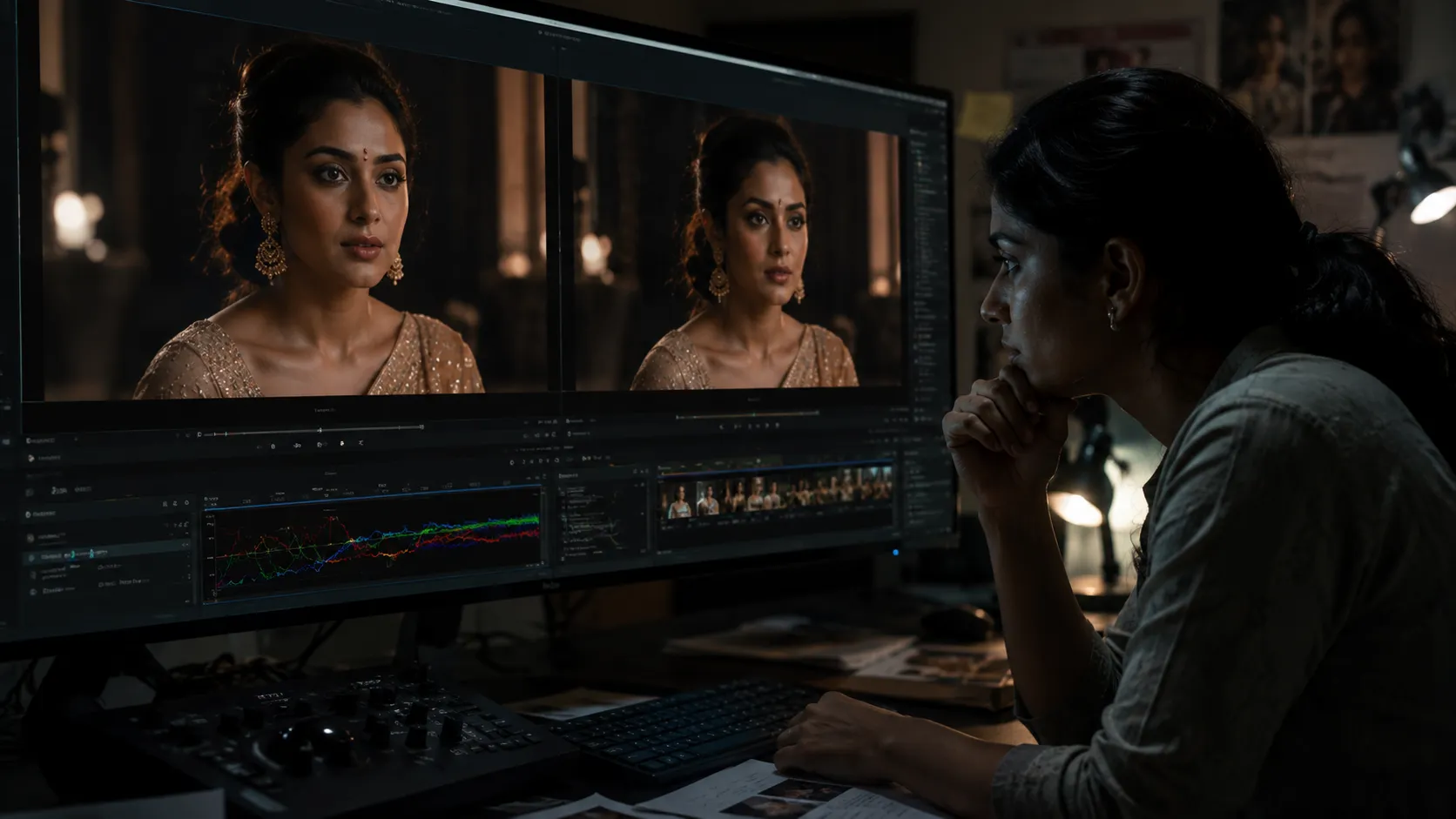
The video appeared on a Tuesday evening in March, uploaded to a fringe pornography site and then, within hours, circulated across WhatsApp groups, Telegram channels, and X. It showed a famous Bollywood actress—one of the most recognisable faces in the country, a woman whose image had been licensed to a dozen major brands, whose endorsement portfolio was valued at over ₹200 crore—engaged in an explicit sexual act. The video was, of course, entirely fabricated. The actress's face had been digitally mapped onto the body of a performer in an existing pornographic video using deepfake technology—the same generative‑AI tools that can now produce photorealistic synthetic media with a sophistication that makes detection difficult and attribution nearly impossible. The actress's legal team sent takedown notices to every platform that was hosting the video. Most of them complied, eventually, but the video had already been downloaded, copied, and re‑uploaded thousands of times. It is still circulating. It will probably circulate forever.

The Capital's Reel Revenge: After Decades of Neglect, Delhi Is Finally Getting a ₹2,500 Crore Film City. Can It Compete with Mumbai and Hyderabad?
MagazineMay 30, 2026

The Capital's Reel Revenge: After Decades of Neglect, Delhi Is Finally Getting a ₹2,500 Crore Film City. Can It Compete with Mumbai and Hyderabad?

For more than forty years, the Indian film industry has been defined by a simple geographic binary: Mumbai for Bollywood, Hyderabad and Chennai for the South. Delhi, the national capital, the seat of government, the city that gave Indian cinema some of its most iconic locations—India Gate, the Qutub Minar, the bustling lanes of Chandni Chowk—has never been a production hub. The city has produced actors, directors, writers, and producers, but they have all, eventually, migrated to Mumbai. The capital's film infrastructure has been, for decades, a shambolic collection of decaying government studios and private facilities that were too small, too outdated, and too bureaucratically entangled to compete with the integrated production ecosystems of the western and southern states. Delhi was where films were set. It was never where films were made.

The ₹23,758 Crore Question: One Year Into JioHotstar's IPL Bet, the Subscriber Math Is Brutal—And the Real Winner Isn't Cricket
MagazineMay 30, 2026

The ₹23,758 Crore Question: One Year Into JioHotstar's IPL Bet, the Subscriber Math Is Brutal—And the Real Winner Isn't Cricket

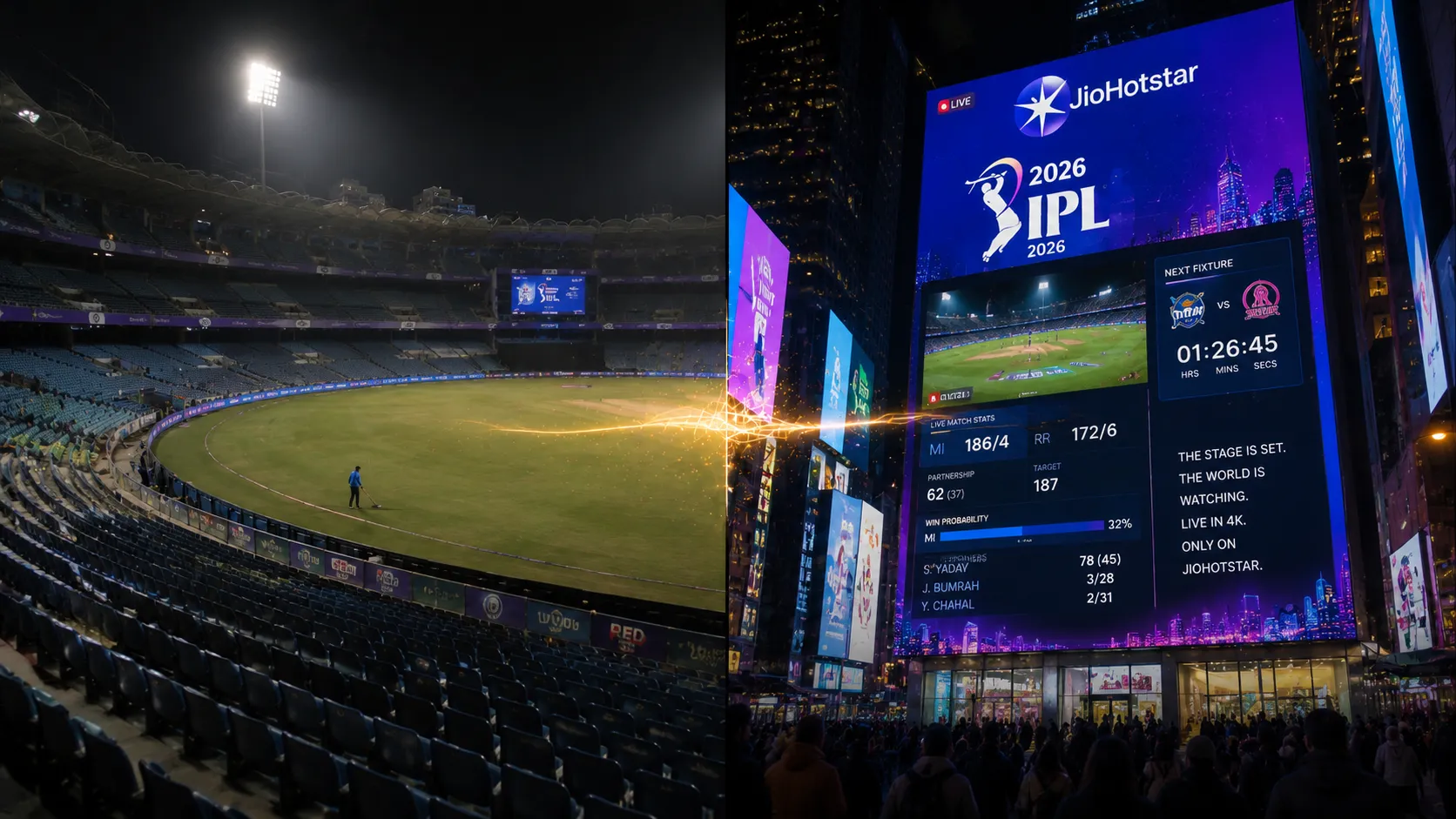
In June 2022, when the Board of Control for Cricket in India opened the digital rights for the Indian Premier League to a global auction, the outcome was treated, by most of the business press, as a moment of collective corporate insanity. The rights were sold for ₹23,758 crore—roughly $2.9 billion—to Viacom18, a Reliance‑backed media company that had never operated a major streaming platform and that had no obvious path to recouping an investment that was, by any conventional measure, economically irrational. The analysts who covered the media sector published notes with titles like "Winning the Auction, Losing the War." The executives at Disney+ Hotstar, which had lost the rights after dominating the IPL's digital audience for years, told journalists that the price made no sense. The conventional wisdom was unanimous: Reliance had overpaid. The market would punish the overpayment. The IPL rights were a trophy asset, and trophies are not investments.

Load More Results