The Single‑Screen Revival: Against Every Trend, a Chain of Restored Heritage Theatres Is Selling Out Shows—And the Nostalgia Economy Is Just Getting Started
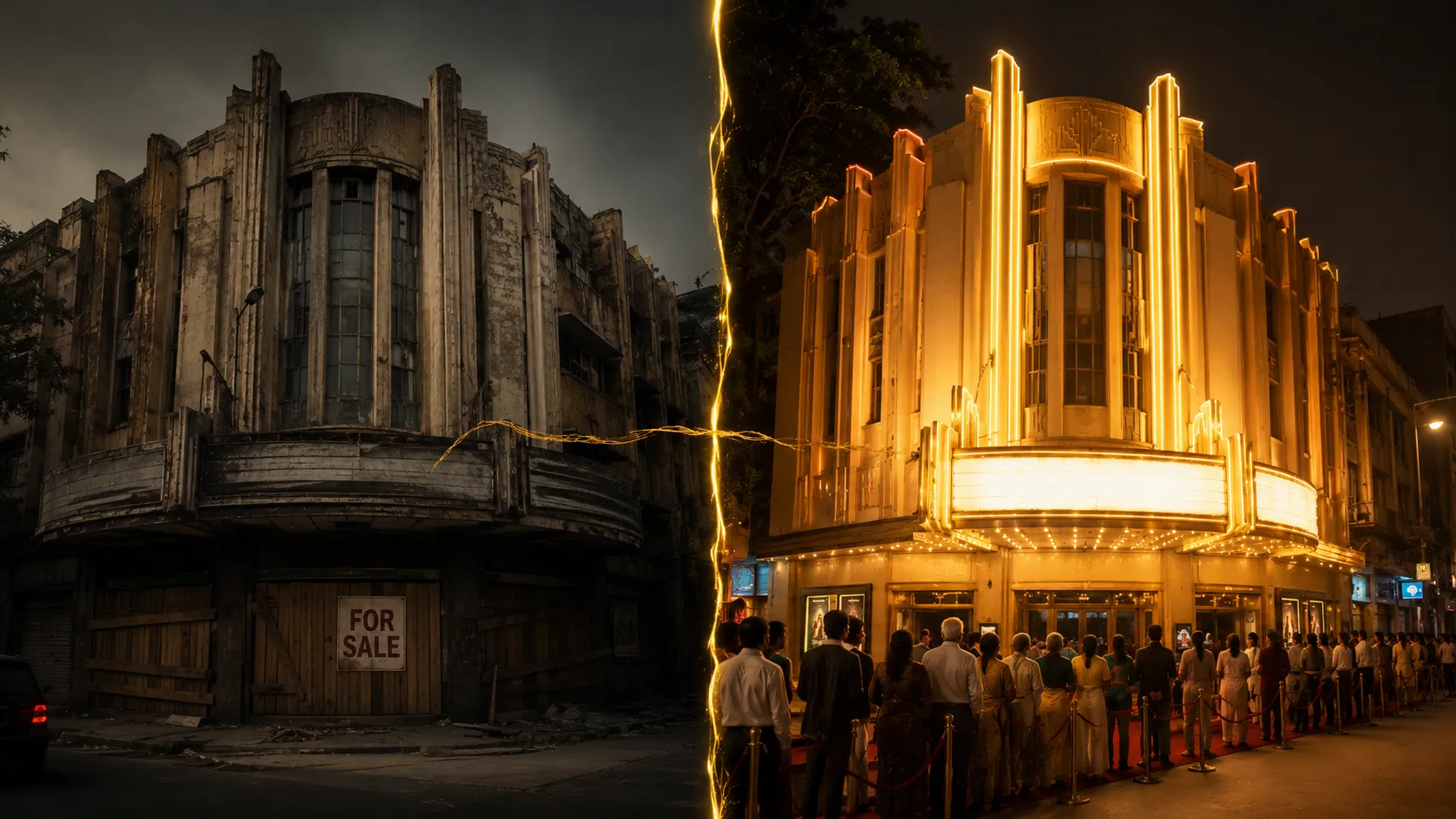
MUMBAI — May 30, 2026 — In the winter of 2023, a 74‑year‑old single‑screen theatre in Mumbai's Grant Road district was about to close. The Alfred Theatre, a fading art‑deco relic with a cracked façade, worn velvet seats, and a projection system that had not been upgraded since the early 2000s, had been losing money for years. Its owner, the third generation of a family that had operated the theatre since 1949, had been negotiating with a real‑estate developer who wanted to demolish the building and replace it with a residential tower. The deal was essentially done. The Alfred was going to join the thousands of single‑screen theatres that had been shuttered across India over the past two decades—the casualties of the multiplex revolution, the streaming disruption, and the simple, brutal economics of operating a 900‑seat cinema in an era when the average multiplex auditorium held 200.
Then Mukta A2 Cinemas, a boutique chain that specialises in restoring and operating heritage single‑screen theatres, stepped in. The company, which is a subsidiary of Mukta Arts—the production and exhibition company founded by the late filmmaker Subhash Ghai—had been quietly acquiring and restoring single‑screen theatres across Maharashtra and Gujarat for several years. Its proposition was simple: the single‑screen theatre, properly restored and intelligently programmed, could offer an experience that no multiplex could replicate—a sense of occasion, a connection to the history of cinema, and a communal viewing experience that the fragmented, algorithm‑driven streaming economy had almost entirely erased. The Alfred was taken over by Mukta A2 in March 2024, closed for a nine‑month restoration, and reopened in December. By its third weekend of operation, it was selling out every show. A year and a half later, it is one of the most profitable single‑screen theatres in the country—and it is not alone.
"The multiplex is efficient. It is convenient. It is comfortable. But it has no soul. The single‑screen theatre, restored with care, programmed with intelligence, and managed with passion, has something that the multiplex can never offer: the feeling that watching a film is an event, not a transaction. That feeling is what the audience is paying for—and the audience is willing to pay a premium for it." — Rahul Puri, Managing Director, Mukta A2 Cinemas
The Economics of Nostalgia
The single‑screen revival is not a charity project. It is a business, and the business is built on a counterintuitive economic insight: the multiplex, for all its efficiency and comfort, has a ceiling on the premium it can charge. The multiplex experience—the recliner seat, the gourmet concession counter, the immersive sound—is a commodity. It is available in every mall, in every city, and the consumer who has experienced it a dozen times is no longer willing to pay a premium for it. The single‑screen experience, by contrast, is a luxury—not because it is more comfortable, but because it is rarer. The heritage theatre that has been restored to its original architectural glory, that programmes a curated selection of classic and contemporary films, and that treats the act of watching a movie as an occasion rather than a routine, can charge a ticket price that is significantly higher than the multiplex average—and the audience that values the experience is willing to pay it.
The economics of the single‑screen revival are supported by a structural shift in the Indian consumer economy that has been building for a decade. The same audience that has driven the premiumisation of food, fashion, and travel—the urban, affluent, experience‑seeking consumer—is now looking for premium experiences in entertainment. The multiplex, which was once the premium option relative to the traditional single‑screen, has become the baseline. The single‑screen, properly restored and intelligently programmed, has become the premium alternative—the cinema equivalent of a heritage hotel, a curated bookstore, or a vinyl‑record store. The consumer who is willing to pay ₹1,500 for a tasting menu at a Michelin‑starred restaurant is willing to pay ₹600 for a ticket to a restored art‑deco theatre that is screening a 35 mm print of Mughal‑e‑Azam—and the theatre that can offer that experience is capturing a share of the consumer's entertainment budget that the multiplex cannot reach.
The economics of the single‑screen revival are also supported by the changing economics of film distribution. The multiplex chain, which controls the majority of the premium screens in the country, has enormous bargaining power over the distributors—and it uses that power to extract the maximum possible share of the box‑office revenue. The single‑screen theatre, which is independent of the chains, can negotiate different terms—and the terms are often more favourable to the exhibitor. The distributor who is willing to accept a lower share from a multiplex chain because the chain controls a thousand screens is often willing to accept a higher share from a single‑screen theatre that can demonstrate a loyal, high‑spending audience. The single‑screen theatre that can fill its seats consistently—and the restored heritage theatres are filling their seats consistently—has a bargaining power that the multiplex screens, with their lower occupancy rates, cannot match.
Mukta A2 is not the only company pursuing the single‑screen revival strategy. PVR INOX, the largest multiplex chain in India, has been experimenting with a heritage‑theatre format—acquiring and restoring single‑screen theatres and operating them under the "PVR Heritage" brand. The company's first heritage property, the Regal Cinema in Mumbai's Colaba district, reopened in 2025 after a two‑year restoration, and it has been consistently profitable since its launch. Cinepolis, the Mexican multiplex chain that operates in India, has also been exploring the heritage format. The competitive landscape is intensifying, but the market is large enough to support multiple players—and the theatres that are being restored are, in many cases, properties that would otherwise be demolished. The single‑screen revival is not a threat to the multiplex business. It is a complement—a way of serving a segment of the audience that the multiplex cannot reach, and of preserving a piece of India's architectural and cultural heritage that would otherwise be lost.
The Programming Strategy
The single most important variable in the success of a restored heritage theatre is programming. The multiplex, which operates a dozen screens under a single roof, can afford to programme a mixture of blockbusters, mid‑budget films, and niche content—and the occasional failure is absorbed by the successes. The single‑screen theatre, which has only one screen and typically only two or three shows per day, cannot afford a failure. Every show must be profitable, or nearly so, and the programming must be calibrated to the specific tastes of the audience that the theatre serves. The heritage theatre that programmes a generic Bollywood blockbuster is competing directly with the multiplex down the street—and the multiplex, with its recliner seats and its Dolby Atmos, will win. The heritage theatre that programmes a curated selection of classic films, cult favourites, and independent releases—films that the multiplex is not screening, and that the audience cannot watch at home—is competing on different terrain.
The programming strategy that Mukta A2 has developed for its heritage theatres is built around the concept of the "cinema event." The Alfred Theatre's calendar includes a regular Sunday‑morning classic‑film series, a Friday‑night cult‑film programme, and a monthly "director retrospective" that screens the complete works of a major filmmaker over a single weekend. The theatre also hosts live events—Q&A sessions with filmmakers, pre‑show performances by local musicians, themed parties that coincide with the release of a major new film—that transform the act of watching a movie into a social experience. The programming strategy is labour‑intensive, but it is effective—and the audience that attends the Alfred's events is an audience that returns, week after week, because the theatre has become a destination rather than a utility.
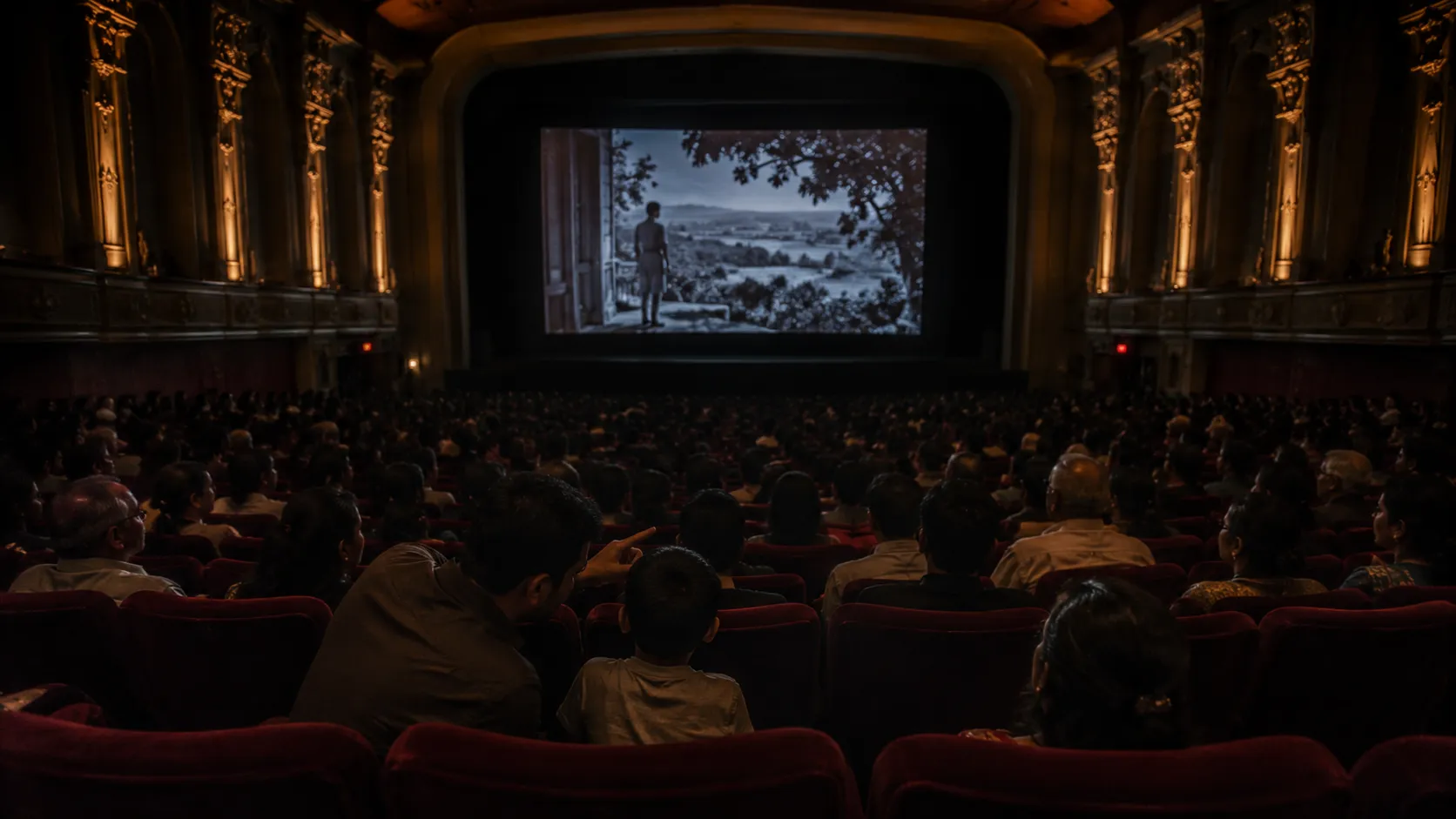
The programming strategy is also supported by the growing availability of restored classic films. The National Film Archive of India, which has been digitising and restoring the country's cinematic heritage for over a decade, has built a library of thousands of restored prints that are available for theatrical screening. The studios that own the rights to the classic films—the YRFs, the Dharmas, the Red Chillies—have been increasingly willing to license those films for theatrical re‑release, recognising that the re‑release market is a valuable revenue stream that complements the streaming and satellite markets. The heritage theatre that programmes a restored classic is not merely screening a film. It is offering an experience that the audience cannot get anywhere else—the experience of watching a beloved film, on a big screen, in a room full of people who love it as much as they do. The experience is the product, and the product is selling.
The Real‑Estate Hedge
The most underappreciated dimension of the single‑screen revival is the real‑estate hedge that it provides. The heritage theatre that Mukta A2 acquires is typically a property that is owned by the company, not leased—and the property, in most cases, is located in a prime urban location that has appreciated significantly over the decades. The real‑estate value of the theatre is a floor under the business—an asset that the company can borrow against, that it can develop, and that it can eventually sell if the theatre operation becomes unviable. The single‑screen revival is, in this sense, a real‑estate play as much as an exhibition play—a way of acquiring valuable urban properties at a discount, generating cash flow from the theatre operation, and waiting for the property to appreciate.
The real‑estate hedge is particularly significant in the current economic environment, in which the commercial real‑estate market in India's major cities is under pressure from the shift to remote work and the decline of traditional retail. The theatre that owns its own building has a cost advantage over the multiplex that leases its space in a mall—and the advantage is structural, not temporary. The multiplex chain that is locked into a long‑term lease at a fixed or escalating rent is vulnerable to any decline in footfall or ticket prices. The single‑screen theatre that owns its own building can weather a downturn, and it can invest in the restoration and programming that will attract the audience back when the market recovers. The real‑estate hedge is not a strategy for every operator—it requires a capital commitment that most independent theatre owners cannot afford—but for the companies that are pursuing the single‑screen revival, it is an essential component of the business model.
The real‑estate hedge also creates a path to a public listing. Mukta A2, which now operates over 20 restored heritage theatres across Maharashtra and Gujarat, has been reported to be considering an initial public offering that would value the company at approximately ₹800 crore. The valuation is supported, in part, by the real‑estate portfolio that the company has accumulated—a portfolio of prime urban properties that would be worth a substantial sum even if the theatre operations were shut down. The IPO, if it proceeds, would be the first public listing of a single‑screen theatre chain in India—a milestone that would signal the maturation of the single‑screen revival from a niche strategy into a recognised asset class.
What This Signals
The single‑screen revival is not primarily a story about a chain of theatres. It is a story about the structural fragmentation of the Indian cinema audience—a shift from a mass market that was served by a single, undifferentiated exhibition format to a segmented market in which different formats serve different audiences, different price points, and different consumption occasions. The multiplex, which once represented the premium end of the market, has become the middle. The single‑screen heritage theatre has become the premium end—a format that serves an audience that is older, wealthier, and more culturally engaged than the multiplex audience, and that is willing to pay a premium for the experience that the heritage theatre provides. The single‑screen theatre, which was supposed to be obsolete, has found a new life—not by competing with the multiplex on its own terms, but by defining a different set of terms, a different audience, and a different value proposition.
The nostalgia economy that is driving the single‑screen revival is not a passing fad. It is a structural shift in consumer behaviour that is reshaping every dimension of the entertainment industry—the re‑release of classic films, the revival of vinyl records, the return of the printed book, the explosion of heritage tourism. The consumer who has spent a decade consuming content on a smartphone, alone, is rediscovering the pleasure of the shared experience—the concert, the theatre, the cinema. The single‑screen theatre is not merely a place to watch a film. It is a place to be with other people, to participate in a ritual that predates the digital age, and to experience something that the algorithm cannot replicate. The multiplex can offer comfort. It can offer convenience. It can offer choice. It cannot offer communion. The heritage theatre can—and the audience, it turns out, is willing to pay for it.


