The Pixel War: How Shah Rukh Khan and Ranbir Kapoor Are Building Competing VFX Empires—And Why the Future of Indian Cinema Will Be Rendered, Not Filmed
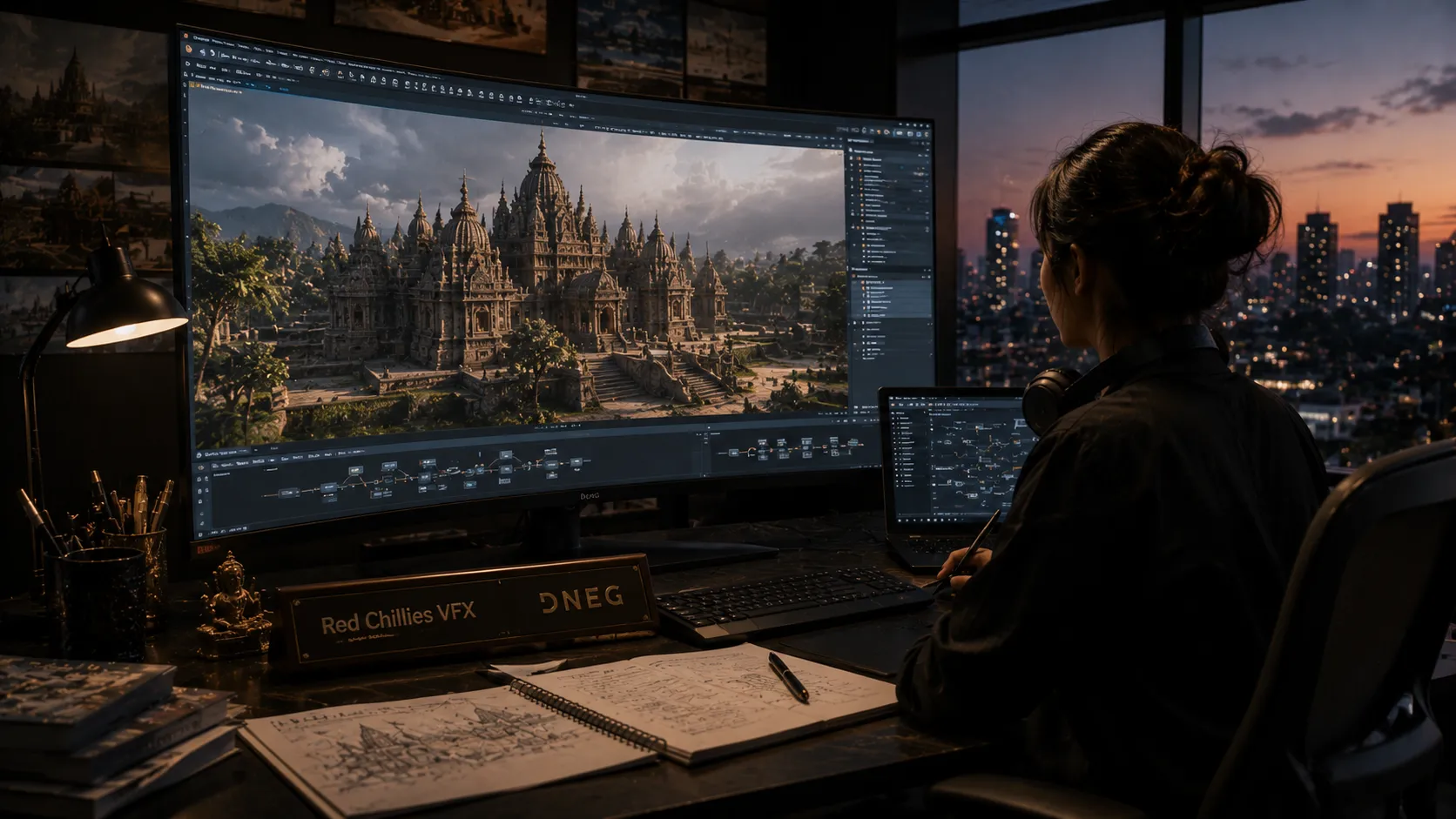
Sometime in the summer of 2025, two conversations took place in two different corners of the Indian film industry, neither of which was reported in the press, and both of which, in retrospect, will be understood as the opening moves in a battle that will define the visual language of Indian cinema for a generation. In the first conversation, Shah Rukh Khan met with the leadership team of Red Chillies VFX, the visual‑effects division of his production company, and approved a ₹300 crore expansion plan that would more than double the studio's capacity—adding new motion‑capture stages, expanding its team of artists, and investing in the proprietary rendering technology that had already made Red Chillies one of the most respected VFX houses in Asia. In the second conversation, Ranbir Kapoor met with the leadership of DNEG India, the Indian arm of the London‑headquartered visual‑effects giant that has won seven Academy Awards for its work on films like Dune, Tenet, and Blade Runner 2049. Ranbir, who had quietly acquired a substantial stake in DNEG India over the preceding two years, approved a plan to position the studio as the primary VFX partner for Ramayana, the ₹4,000 crore epic in which he also stars as Lord Ram, and to compete directly with Red Chillies for the most technically demanding projects in the Indian pipeline.