Results (84 found)

The Yoga Teacher Who Built a ₹500 Crore Snack Empire—and Sold It to ITC: How Suhasini Sampath Turned a Personal Health Crisis Into India's Largest Healthy Food Exit
WomenMay 24, 2026

The Yoga Teacher Who Built a ₹500 Crore Snack Empire—and Sold It to ITC: How Suhasini Sampath Turned a Personal Health Crisis Into India's Largest Healthy Food Exit

In 2014, Suhasini Sampath was a yoga teacher in Bengaluru with a problem she could not solve. She was 34 years old, a mother of two, and after years of struggling with digestive issues and food intolerances, she had transformed her own health through a careful, deliberate diet—whole grains, natural ingredients, no artificial preservatives or refined sugar. The transformation was profound. The frustration that followed was equally so: she could not find a single packaged snack in India that met her standards. The granola bars, breakfast cereals, and protein bars that lined supermarket shelves were all imported, all expensive, and all formulated for Western tastes and Western nutritional profiles. The Indian market for healthy, natural, preservative-free packaged food was essentially empty.
The Girl from Jaipur Who Sewed on Her Balcony: How Anita Dongre Built a ₹3,000 Crore Fashion Empire Without a Loan, a Degree, or Permission
WomenMay 24, 2026

The Girl from Jaipur Who Sewed on Her Balcony: How Anita Dongre Built a ₹3,000 Crore Fashion Empire Without a Loan, a Degree, or Permission

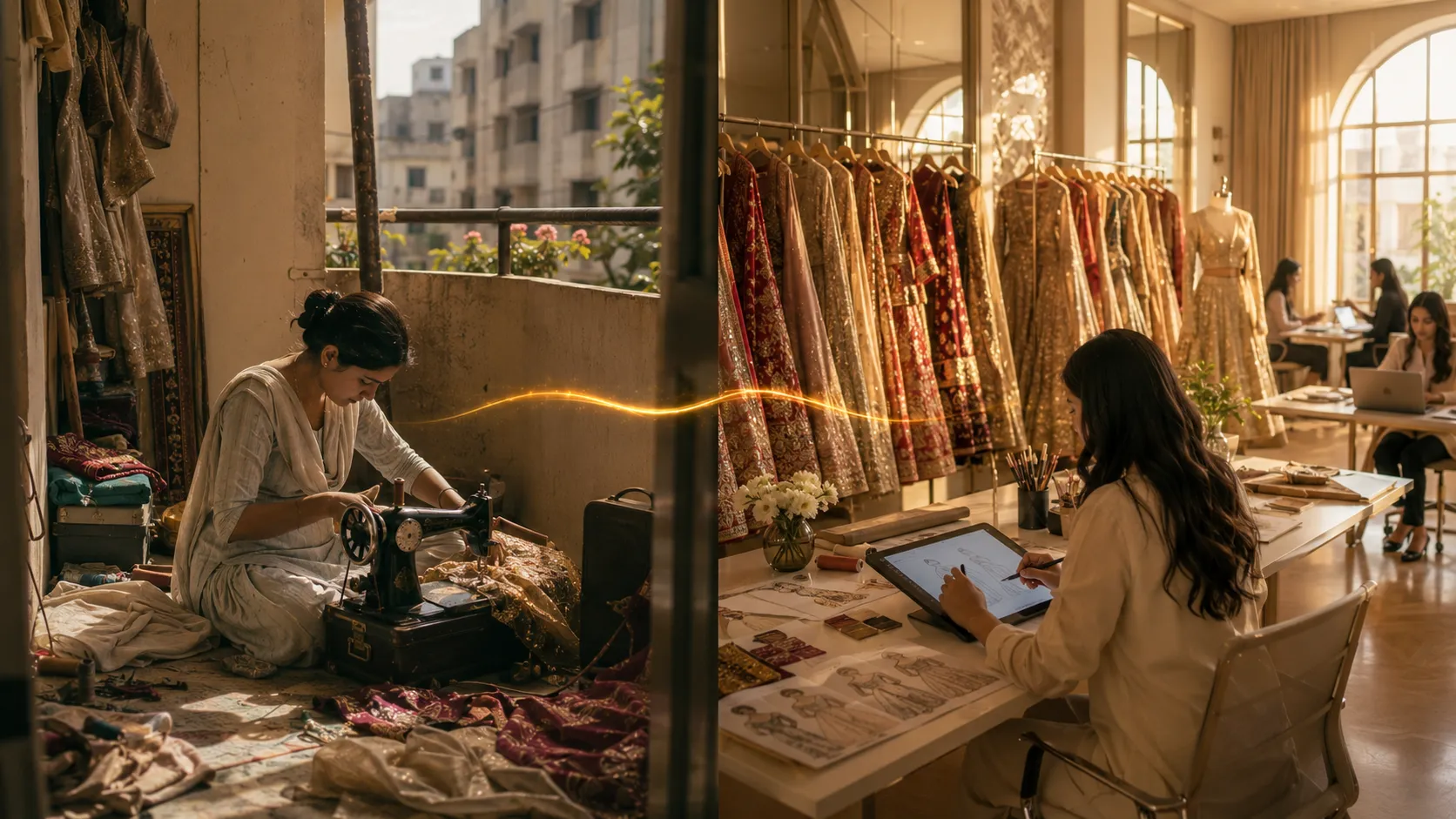
In 1983, Anita Dongre arrived in Mumbai with ₹11,000, a sewing machine, and a conviction that Indian women deserved clothes that fit their lives. She was 20 years old, the daughter of a garment exporter in Jaipur who had encouraged her to study fashion—an unusual choice for a middle-class Marwari girl in the 1970s—but who could not fund her ambitions beyond the basics. She had no degree from the National Institute of Fashion Technology, which did not yet exist. She had no business plan. She had no connections in Mumbai's tightly guarded fashion industry. She had a small apartment in Navi Mumbai, a balcony that became her workshop, and a belief—quiet, stubborn, and entirely unproven—that if she made clothes women actually wanted to wear, they would buy them.

The Computer Scientist Who Lost Two Relatives to Breast Cancer: How Dr. Geetha Manjunath Built an AI That Detects Tumors Without Radiation, Without Pain, and at a Fraction of the Cost—And Has Already Screened 400,000 Women
WomenMay 24, 2026

The Computer Scientist Who Lost Two Relatives to Breast Cancer: How Dr. Geetha Manjunath Built an AI That Detects Tumors Without Radiation, Without Pain, and at a Fraction of the Cost—And Has Already Screened 400,000 Women

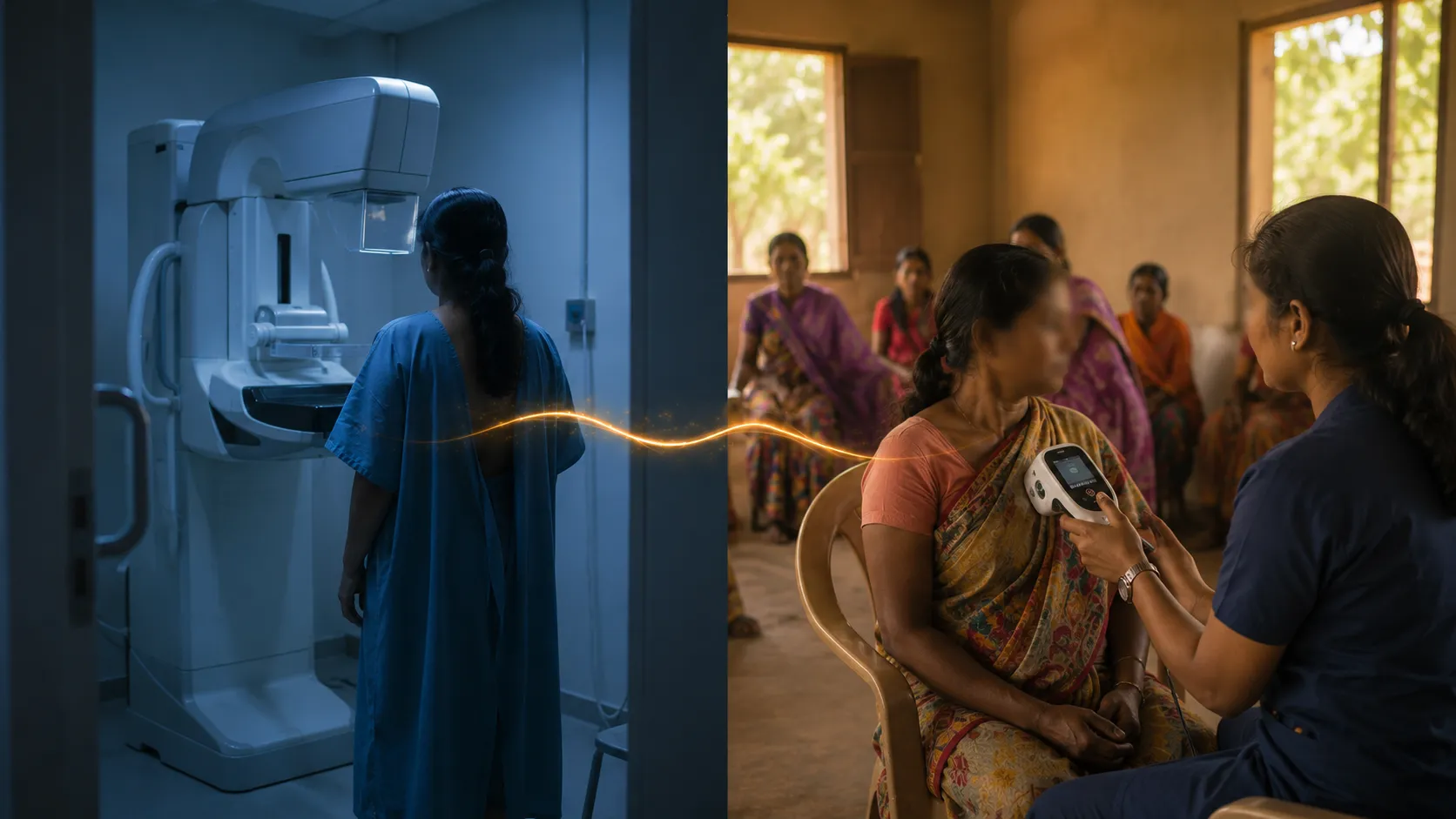
In 2014, Dr. Geetha Manjunath attended the funeral of a close relative who had died of breast cancer. The cancer had been discovered too late—the result of a healthcare system in which mammography machines were scarce, radiologists were scarcer, and the cultural taboos surrounding breast examination kept millions of women from seeking screening until the disease had already spread beyond the point of treatment. Manjunath, a computer scientist with a PhD in artificial intelligence and more than two decades of experience at Xerox Research and Hewlett-Packard, stood at the funeral and asked herself a question that would alter the trajectory of her life. What if a machine could detect breast cancer earlier than a mammogram, without the radiation, without the pain, without the infrastructure of a hospital radiology department, and at a price that made it accessible to women in the villages where her relatives had lived and died?

She Watched Her Family Get Exploited After Her Grandfather Died. So She Built India's First Dignified Death-Care Platform—and Changed How Millions Say Goodbye.
WomenMay 24, 2026

She Watched Her Family Get Exploited After Her Grandfather Died. So She Built India's First Dignified Death-Care Platform—and Changed How Millions Say Goodbye.

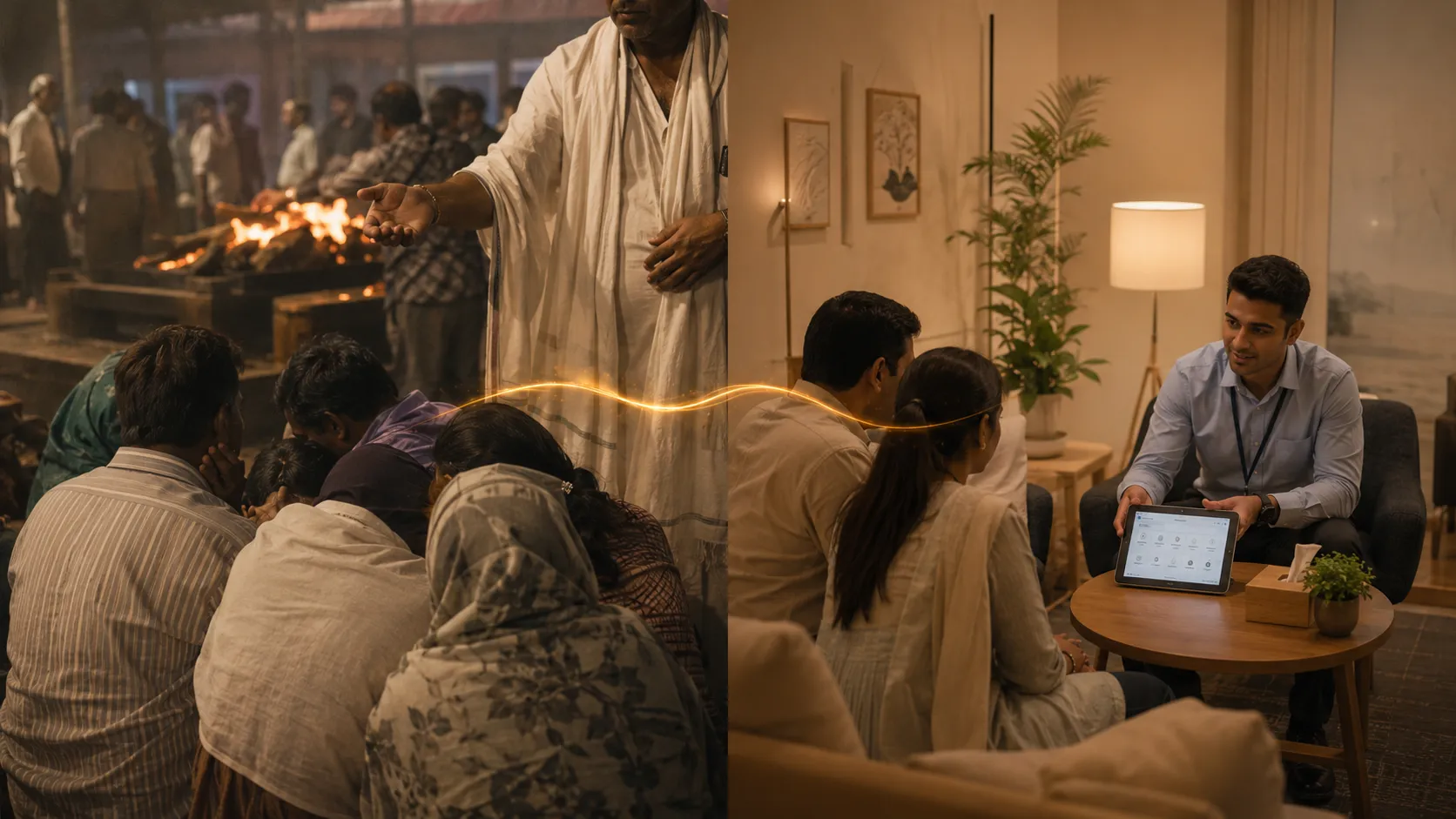
In 2015, Nidhi Agarwal's grandfather died. He was 82, a retired civil servant who had lived a quiet, upright life, and his death—expected, peaceful, surrounded by family—was as gentle a passing as anyone could hope for. What followed was not gentle. The family was charged ₹18,000 for an ambulance that should have cost ₹2,500. The priests at the crematorium demanded fees that had never been discussed, escalating with each ritual until the family, paralysed by grief and the cultural obligation not to argue at a funeral, paid whatever was asked. The paperwork required to obtain a death certificate, close bank accounts, transfer property, and notify government agencies was a labyrinth of forms, waiting periods, and petty bribery that consumed months of her family's time and tens of thousands of rupees in "fees" that were never officially recorded. Her grandfather's death, like the deaths of millions of Indians before him, had become an opportunity—not for mourning, but for extraction.

She Lost Her Father and Couldn't Find Help. So She Built India's Largest Mental Health Platform—and Spent a Decade Proving That Healing Can Scale.
WomenMay 24, 2026

She Lost Her Father and Couldn't Find Help. So She Built India's Largest Mental Health Platform—and Spent a Decade Proving That Healing Can Scale.

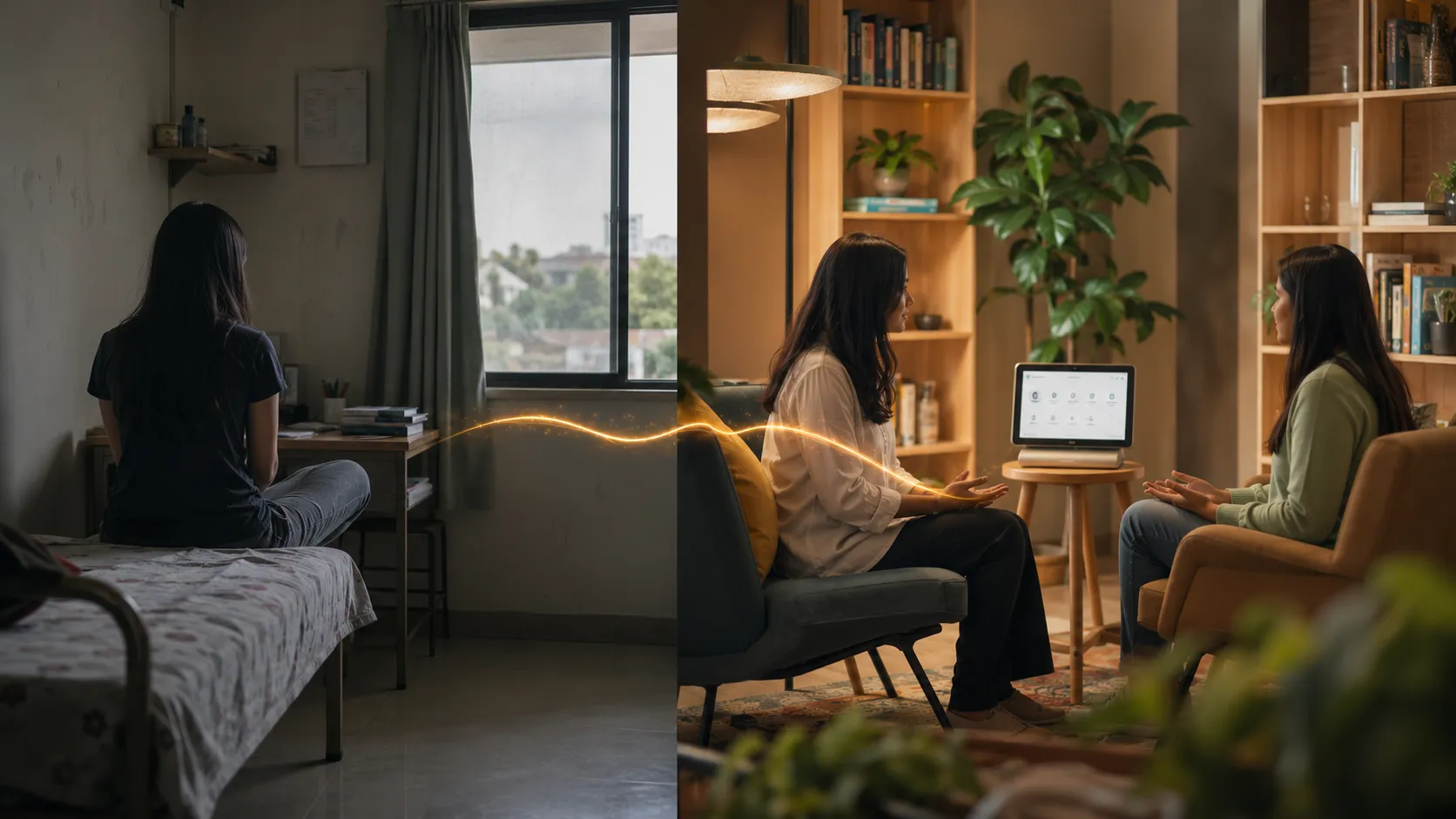
In 2008, Richa Singh was a first-year engineering student at IIT Guwahati, and her father was dead. He had been struggling with depression for years—a quiet, private battle that no one in the family knew how to talk about, that no doctor in their small town seemed equipped to treat, and that ended, as so many such battles do, without warning and without goodbye. Singh was 18 years old. She had just lost the most important person in her life. And in the months that followed, as grief settled into the spaces where her father used to be, she discovered something that infuriated her almost as much as the loss itself: there was nowhere to go for help.

The Dog Lover Who Built a ₹300 Crore Pet Care Empire: How Rashi Narang Turned a Passion for Animals Into One of India's Most Unusual Retail Success Stories
WomenMay 24, 2026

The Dog Lover Who Built a ₹300 Crore Pet Care Empire: How Rashi Narang Turned a Passion for Animals Into One of India's Most Unusual Retail Success Stories

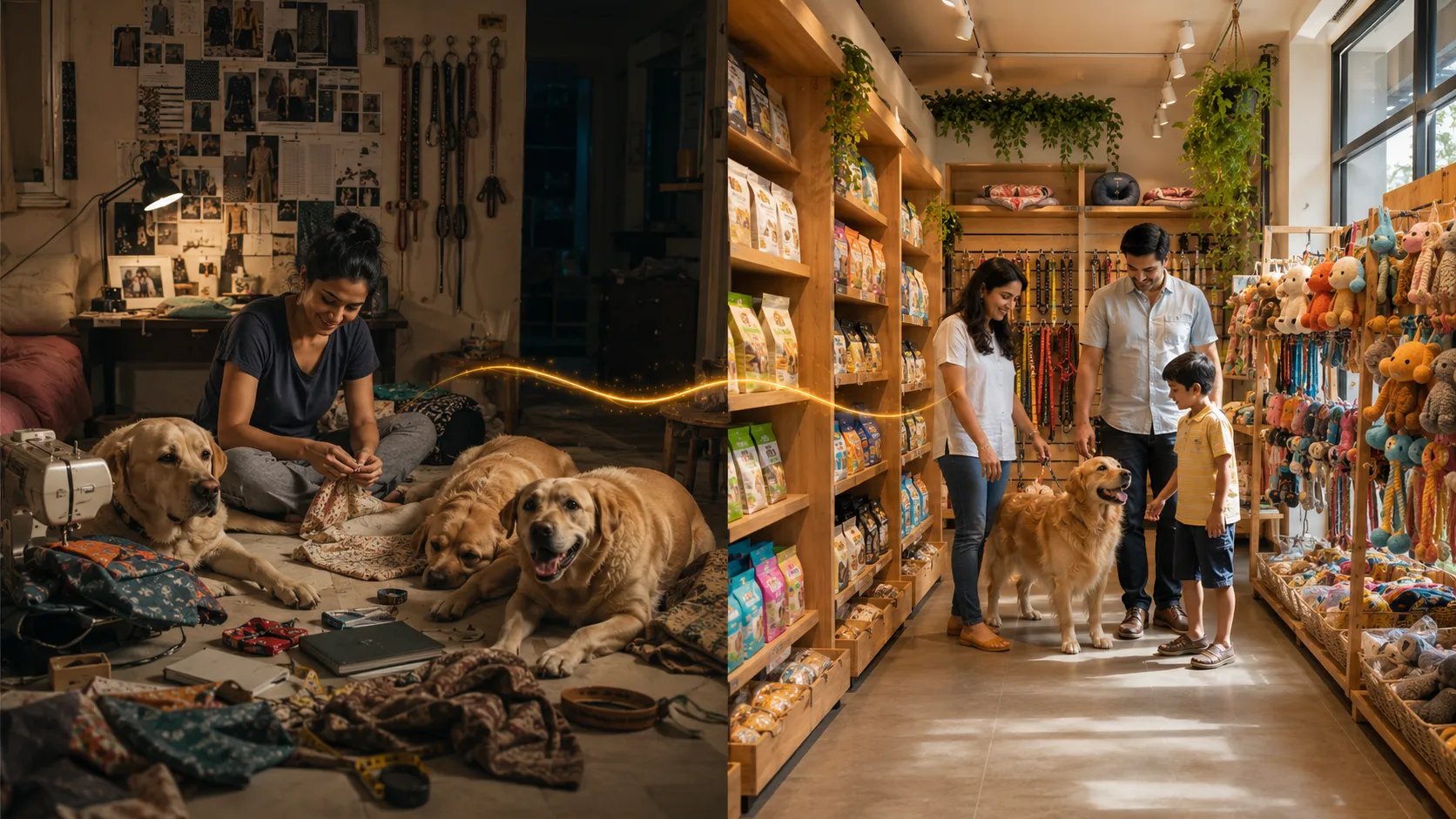
In 2008, Rashi Narang was a young marketing professional in Mumbai with a problem that no Indian company had solved. She had three dogs—Labradors—and she could not find high-quality food, toys, or accessories for them anywhere in the city. The pet stores that existed were small, poorly stocked, and designed for an earlier era when pets were fed table scraps and slept in the yard. The idea of a dog as a family member—deserving of premium nutrition, comfortable beds, and mental stimulation—was common in the West but almost unheard of in India. Narang, who had grown up with dogs and considered them part of her family, decided that if the market would not provide for her pets, she would provide for them herself.

The Artist Who Taught Machines to See: How Ashwini Asokan Left Silicon Valley, Built a Global AI Company from a Chennai Apartment, and Refused to Be the Only Woman in the Room
WomenMay 24, 2026

The Artist Who Taught Machines to See: How Ashwini Asokan Left Silicon Valley, Built a Global AI Company from a Chennai Apartment, and Refused to Be the Only Woman in the Room

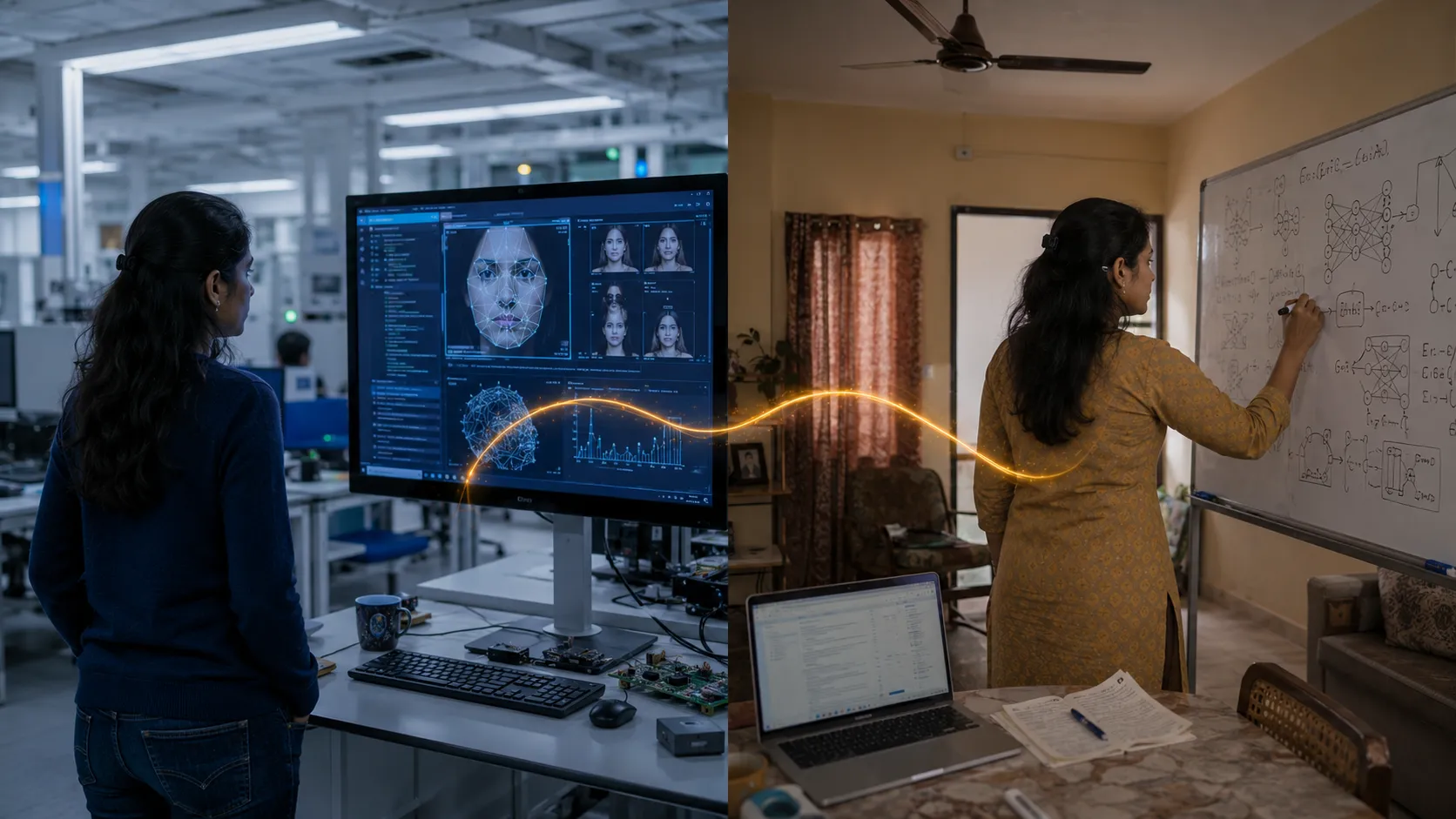
In 2012, Ashwini Asokan was living the life she had been trained for. She had a master's degree in interaction design from Carnegie Mellon, one of the world's most selective programmes. She had a research position at Intel Labs in Silicon Valley, where she worked on the frontiers of computer vision—teaching machines to recognise objects, faces, and gestures. She was good at it. She was well-paid. She was, by any conventional measure, on exactly the right trajectory for someone with her credentials and her ambition.

The Stanford Engineer Who Survived India's Fintech Crash: How Upasana Taku Remortgaged Her Home, Survived a 96% Valuation Collapse, and Took a $450 Million Company Public
WomenMay 24, 2026

The Stanford Engineer Who Survived India's Fintech Crash: How Upasana Taku Remortgaged Her Home, Survived a 96% Valuation Collapse, and Took a $450 Million Company Public

In the winter of 2016, Upasana Taku sat at her kitchen table in Gurugram and calculated how long her company had to live. The answer was eight weeks. MobiKwik, the digital payments platform she had co-founded seven years earlier with her husband Bipin Preet Singh, was burning through its remaining cash at a rate that would exhaust its reserves by February. The Indian startup ecosystem was in the grip of a funding winter so severe that once-celebrated unicorns were collapsing into fire sales. Venture capitalists who had once returned her calls within hours were no longer answering. The valuation at which she had raised her last round — a number she no longer speaks about publicly, but which industry sources placed at roughly $250 million — had become a liability rather than an asset. No new investor would touch the company at anything close to that price. No existing investor was willing to lead a bridge. The only people who believed MobiKwik would survive were the two people sitting at the kitchen table.

The Engineer Who Was Told to "Stay in the Kitchen": How Vimala Raju Built a ₹200 Crore Electronics Empire by Refusing to Listen
WomenMay 24, 2026

The Engineer Who Was Told to "Stay in the Kitchen": How Vimala Raju Built a ₹200 Crore Electronics Empire by Refusing to Listen

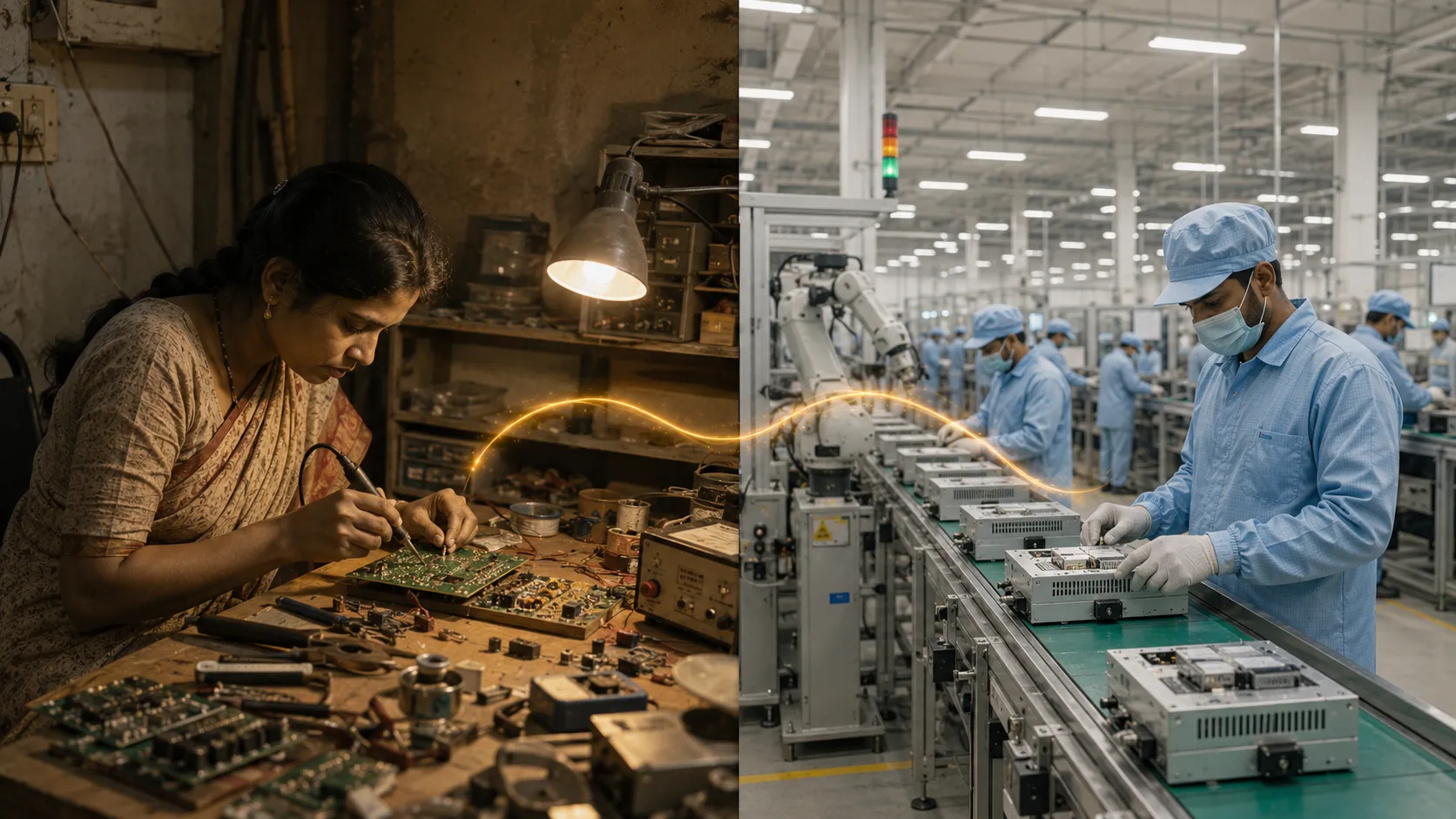
In 1995, Vimala Raju walked into a bank in Hyderabad to apply for a loan. She was 24 years old, had a degree in electrical engineering from Osmania University, and carried a business plan for a company that would manufacture industrial power supplies—the unsung components that convert electricity into the precise voltages required by everything from factory machinery to medical equipment. The loan officer looked at her, looked at the application, and asked a question she has never forgotten. "Why don't you just stay in the kitchen?"

She Poured ₹5 Lakh Into a Bottle of Onion Oil. Today, She Runs a ₹150 Crore Vegan Beauty Empire—Without a Single Rupee of Venture Capital.
WomenMay 24, 2026

She Poured ₹5 Lakh Into a Bottle of Onion Oil. Today, She Runs a ₹150 Crore Vegan Beauty Empire—Without a Single Rupee of Venture Capital.

Rupali Sharma was not supposed to be a beauty mogul. She was a mother, recovering from childbirth, watching clumps of her hair fall out in the shower and feeling, as millions of women before her have felt, that her body was betraying her in ways no one had warned her about. She tried the conventional remedies. They failed. In desperation, she turned to the one person whose advice had never let her down: her grandmother, who told her to apply onion extract to her scalp.

Load More Results