Padma Glory, IPO Frenzy & A Ladakh Shutdown
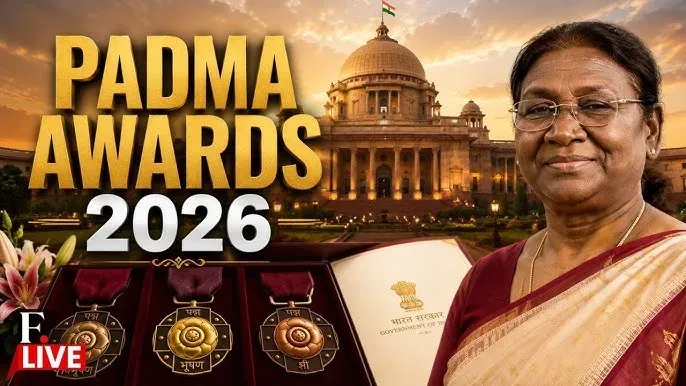
India witnessed a day of stark contrasts—a day when the nation's highest civilian honours were conferred upon cinematic legends at the Rashtrapati Bhavan, even as a remote Himalayan region shut down in protest against the Centre. While Mammootty and R. Madhavan received their Padma awards in a glittering ceremony, Ladakh ground to a halt over alleged omissions in official meeting minutes. In the world of business, Akshay Kumar's Welcome To The Jungle opened its advance bookings, aiming to replicate the success of its predecessors, while quick-commerce unicorn Zepto showcased its robot-powered warehouses as it gears up for a blockbuster IPO. From presidential honours to political protests, from cinematic comebacks to automated warehouses, June 23 emerged as a day that encapsulated the many moods of a nation in motion.