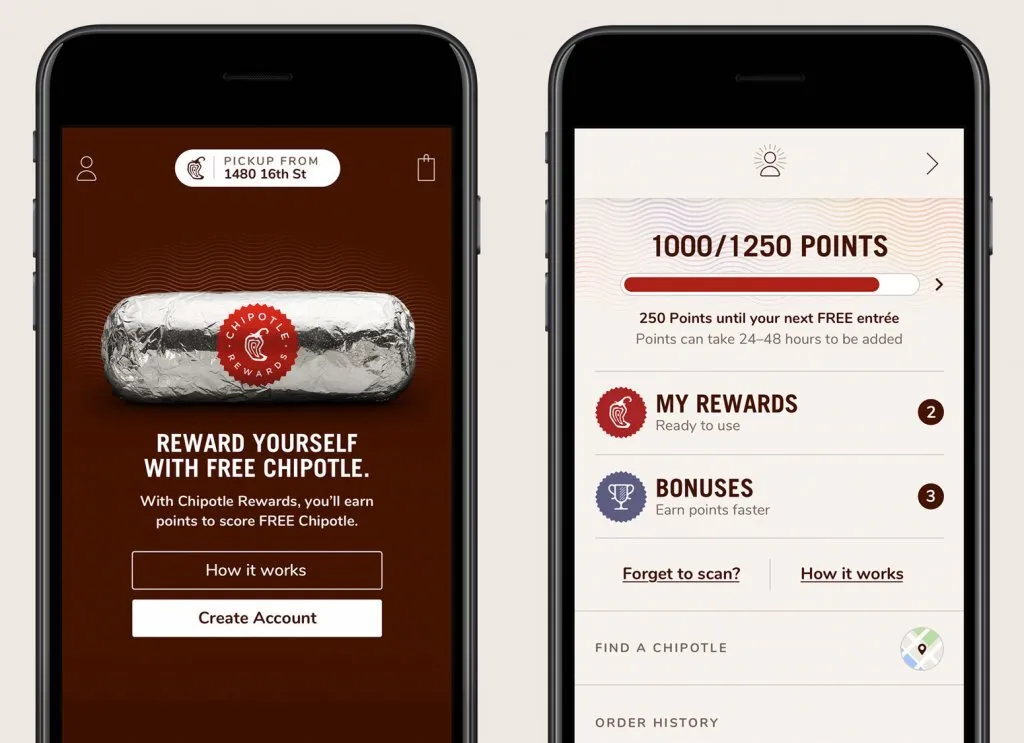
In 24 months, she transformed Chipotle from a brand that couldn't keep its app online into a digital powerhouse generating nearly half its sales from mobile orders. Now she's walking into the most challenging marketing job in America: fixing Starbucks' declining sales, reinvigorating its brand, and convincing a generation of customers that the green mermaid still stands for something. Boards are hunting proven turnaround stories over category tenure. Tressie Lieberman just became the poster child.
The résumé pattern is becoming unmistakable. When boards look for a new chief marketing officer, they are no longer hunting for someone who spent 20 years in the same category. They are hunting for someone who has fixed something broken.
Tressie Lieberman is the latest — and most prominent — example. On June 18, 2026, Starbucks announced that Lieberman would join the company as its new executive vice president and chief marketing officer, effective July 13. She will lead the global marketing organization, reporting directly to CEO Brian Niccol. Her mandate is clear: reverse the company's declining sales, reconnect with a generation that has drifted away, and restore the brand's cultural relevance.
Lieberman's path to the top marketing job at Starbucks is not the traditional one. She has spent most of her career in food and retail, but her defining achievement is not a lifetime of category experience. It is a 24-month turnaround at Chipotle — a rescue mission that transformed a brand in crisis into a digital powerhouse. And that, more than any category tenure, is what made her the most sought-after CMO in America.
The Chipotle Rescue: From App Meltdown to Digital Powerhouse
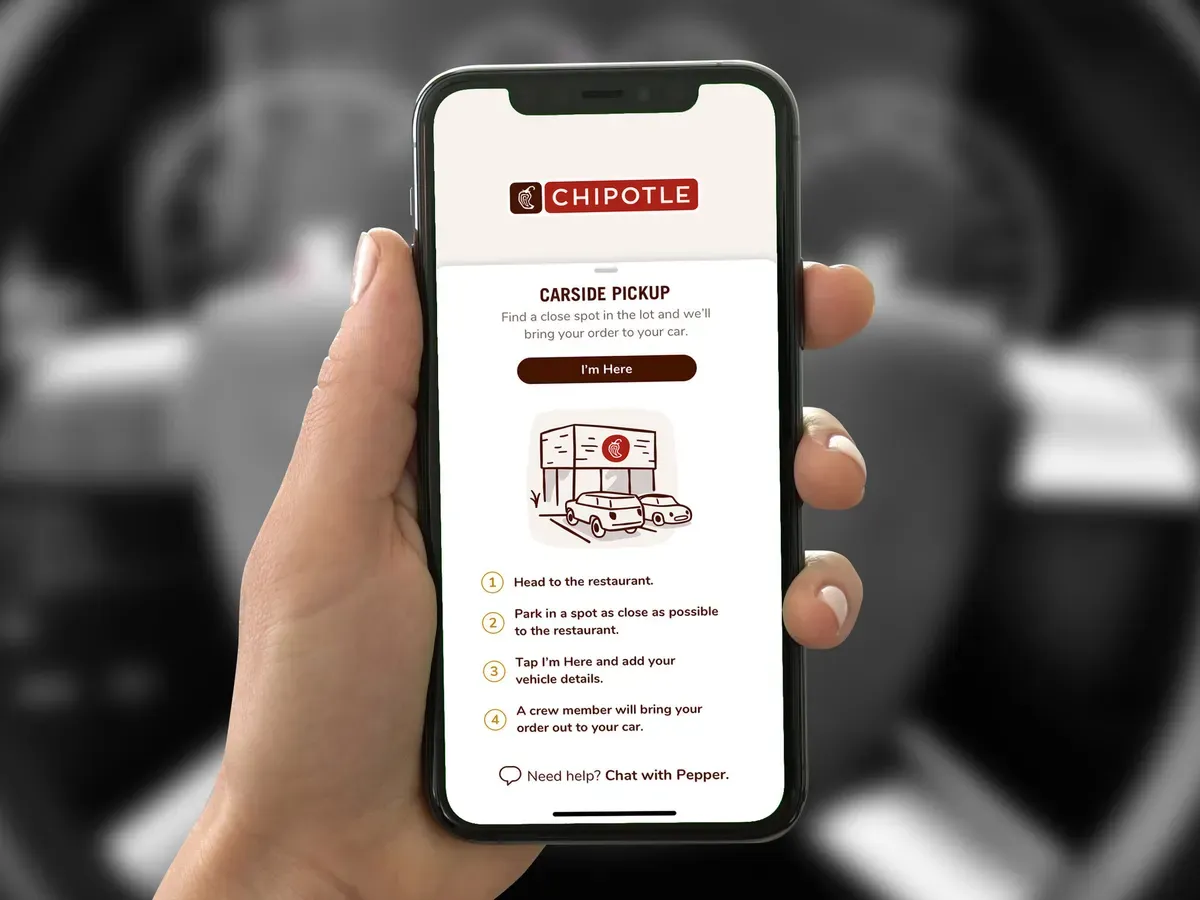
When Lieberman joined Chipotle as vice president of digital marketing in 2020, the company was in crisis. The chain had been hit hard by the pandemic, but its problems predated COVID-19. The app was notoriously unreliable. The loyalty program was underperforming. Digital sales, while growing, were not driving the profitability that investors demanded.
Lieberman's job was to fix it. She approached the challenge with a combination of operational discipline and marketing creativity. She focused on improving the app's user experience, reducing friction in the ordering process, and building a loyalty program that actually rewarded customers for their behavior. She leveraged data to personalize offers, experimented with new ad formats, and built a digital ecosystem that could support the company's ambitious growth targets.
The results were dramatic. Under her leadership, Chipotle's digital sales grew significantly, reaching more than 40 percent of total sales. The loyalty program expanded to more than 30 million members. The app, once a source of customer frustration, became a competitive advantage. By the time she was promoted to global chief marketing officer in 2023 and then chief marketing and customer officer, Lieberman had established herself as one of the most effective marketers in the industry.
"Tressie has been an invaluable leader in helping define Chipotle's culture, both internally and externally, and I'm so grateful for her countless contributions," Chipotle CEO Brian Niccol said in a statement when she left.
That last sentence is worth noting: Brian Niccol, who left Chipotle for Starbucks in 2024, was the one who hired Lieberman at Chipotle. And when he needed a CMO at Starbucks, he went back to the person he trusted most.
The Starbucks Brief: Fixing the Mermaid
Starbucks' challenges are well documented. The company has been losing relevance with younger consumers. Same-store sales have been declining in key markets. The brand's digital presence, once a competitive advantage, has become a source of confusion. The loyalty program is underperforming. The menu is bloated. And the company's culture — once a source of competitive advantage — has been strained by unionization efforts and operational challenges.
Niccol, who joined Starbucks as CEO in 2024, has been clear about his priorities: fix the brand, fix the operations, and fix the culture. Lieberman's appointment is a key part of that strategy.
"This is a pivotal moment for Starbucks, and I'm honored to join at such an important time," Lieberman said in a statement. She said she has long admired the brand and the company's "commitment to humanity and connection." She will be charged with overseeing Starbucks' global marketing strategy, which includes advertising, brand, digital, loyalty, and customer insights.
The challenge is substantial. Starbucks has been losing ground to competitors like Dutch Bros, which has built a loyal following among younger consumers with a more accessible brand and a stronger digital experience. The company's premium positioning, once a competitive advantage, has become a liability in an era of inflation and economic uncertainty. And the brand's cultural relevance, once unquestioned, has been eroded by a series of missteps.
Lieberman's experience at Chipotle is directly relevant. At Chipotle, she built a digital ecosystem that drove sales growth and customer loyalty. At Starbucks, she will need to do the same — but at a much larger scale, with a much more complex brand, and with a much more demanding set of stakeholders.
The Pattern: Boards Are Hunting Turnaround Stories
Lieberman's appointment is part of a broader trend. Boards are increasingly looking for CMOs who have proven they can fix something broken — not just maintain something that's working.
The logic is straightforward. Marketing has become more complex, more measurable, and more accountable. The days of the "brand steward" who protects the logo and approves the ads are over. The modern CMO needs to be a growth driver, a data scientist, a technologist, and a cultural anthropologist. And the best way to prove those capabilities is to show that you have already done it.
Lieberman has done it. She took a brand in crisis — Chipotle — and turned it into a digital powerhouse. She built a loyalty program that actually works. She leveraged data to drive growth. She created a marketing organization that could scale.
The pattern is not unique to Lieberman. In recent years, boards have increasingly looked outside their industries for marketing talent. The logic is that the principles of modern marketing — data-driven decision-making, customer-centricity, digital transformation — are transferable across categories. A CMO who has succeeded in one industry can succeed in another, provided they have the right skills and the right mindset.
Starbucks' board clearly believes that. And Lieberman's track record suggests they are right.
The Immediate Challenges: Sales, Loyalty, and Culture
Lieberman's first few months at Starbucks will be intense. She will need to address three immediate challenges.
First, sales. Starbucks has been losing share to competitors. The company's same-store sales have been declining in the US and China, its two largest markets. Lieberman will need to develop a marketing strategy that drives traffic and increases basket size. That likely means more targeted promotions, better personalization, and a stronger digital experience.
Second, loyalty. The Starbucks Rewards program, once a model for the industry, has been underperforming. Lieberman will need to reinvigorate it — making it more valuable to customers, more integrated with the app, and more effective at driving repeat purchases. Her experience at Chipotle, where she built a loyalty program from the ground up, will be directly applicable.
Third, culture. Starbucks' brand has been built on a promise of humanity and connection. That promise has been strained by operational challenges, unionization efforts, and a series of missteps. Lieberman will need to restore the brand's cultural relevance — reminding customers why they fell in love with Starbucks in the first place.
The Bottom Line
Tressie Lieberman is walking into the most challenging marketing job in America. Starbucks is declining. The brand is losing relevance. The competition is fierce. And the expectations are enormous.
But Lieberman has done this before. At Chipotle, she took a brand in crisis and turned it into a digital powerhouse. She built a loyalty program that drives growth. She created a marketing organization that can scale. And she did it all under the leadership of Brian Niccol — the same CEO who just hired her at Starbucks.
The pattern is clear: boards are hunting proven turnaround stories over category tenure. Lieberman is the poster child. Her appointment is a signal that the old rules of marketing leadership are changing. The future belongs to CMOs who can fix what's broken — not just protect what's working.


