Alternative Funding Models Are Quietly Challenging Venture Capital Dependency in 2026
Alternative financing models increasingly reflect broader changes as founders rethink ownership, growth and long-term startup sustainability in 2026.

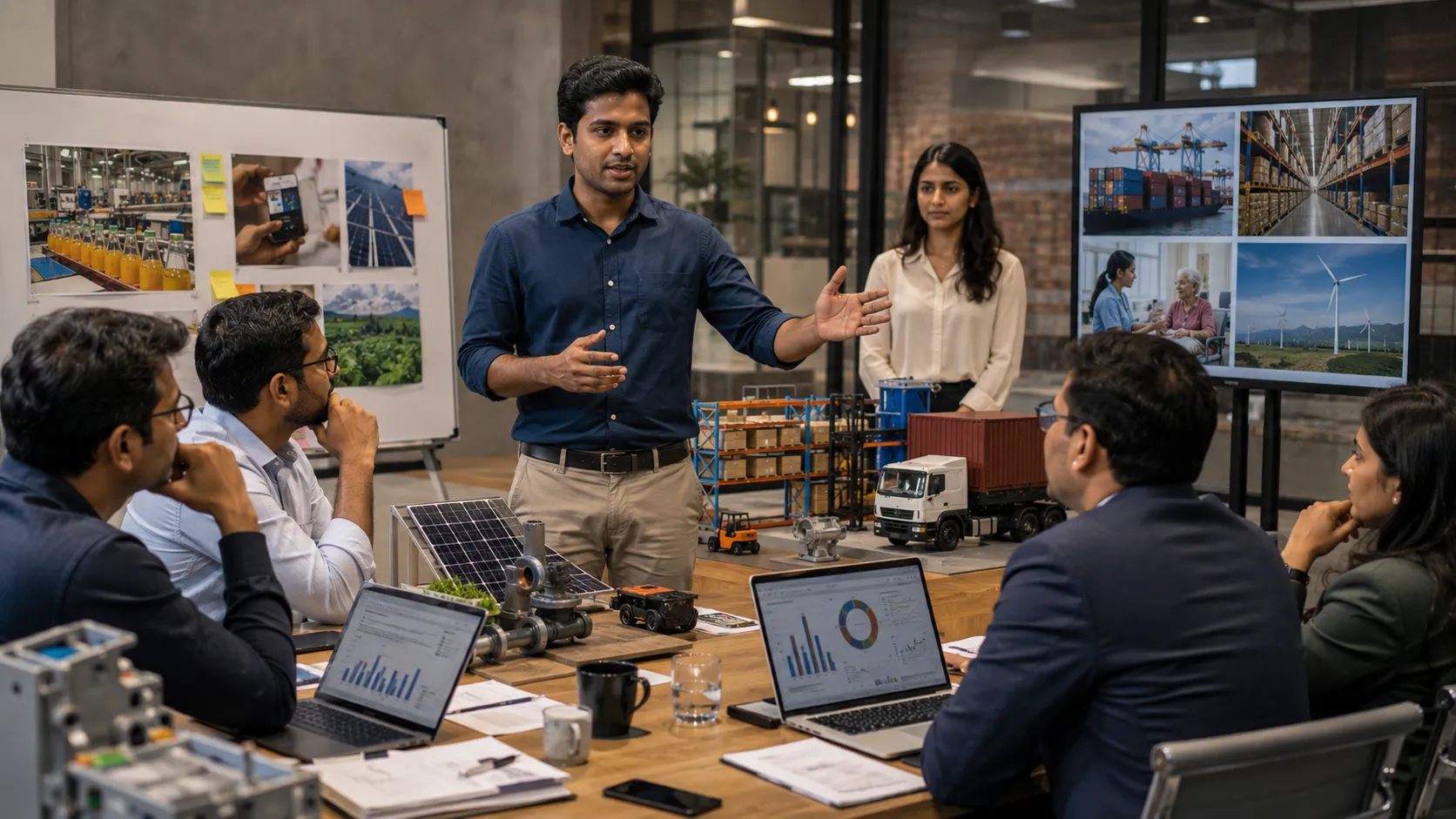
Alternative financing models increasingly reflect broader changes as founders rethink ownership, growth and long-term startup sustainability in 2026.
Global venture funding continues expanding, yet startup failures increasingly reveal deeper challenges involving positioning, customer understanding and growth strategy.

Even as AI absorbs extraordinary venture attention in 2026, investors increasingly continue backing non-AI startups solving large operational and infrastructure problems.

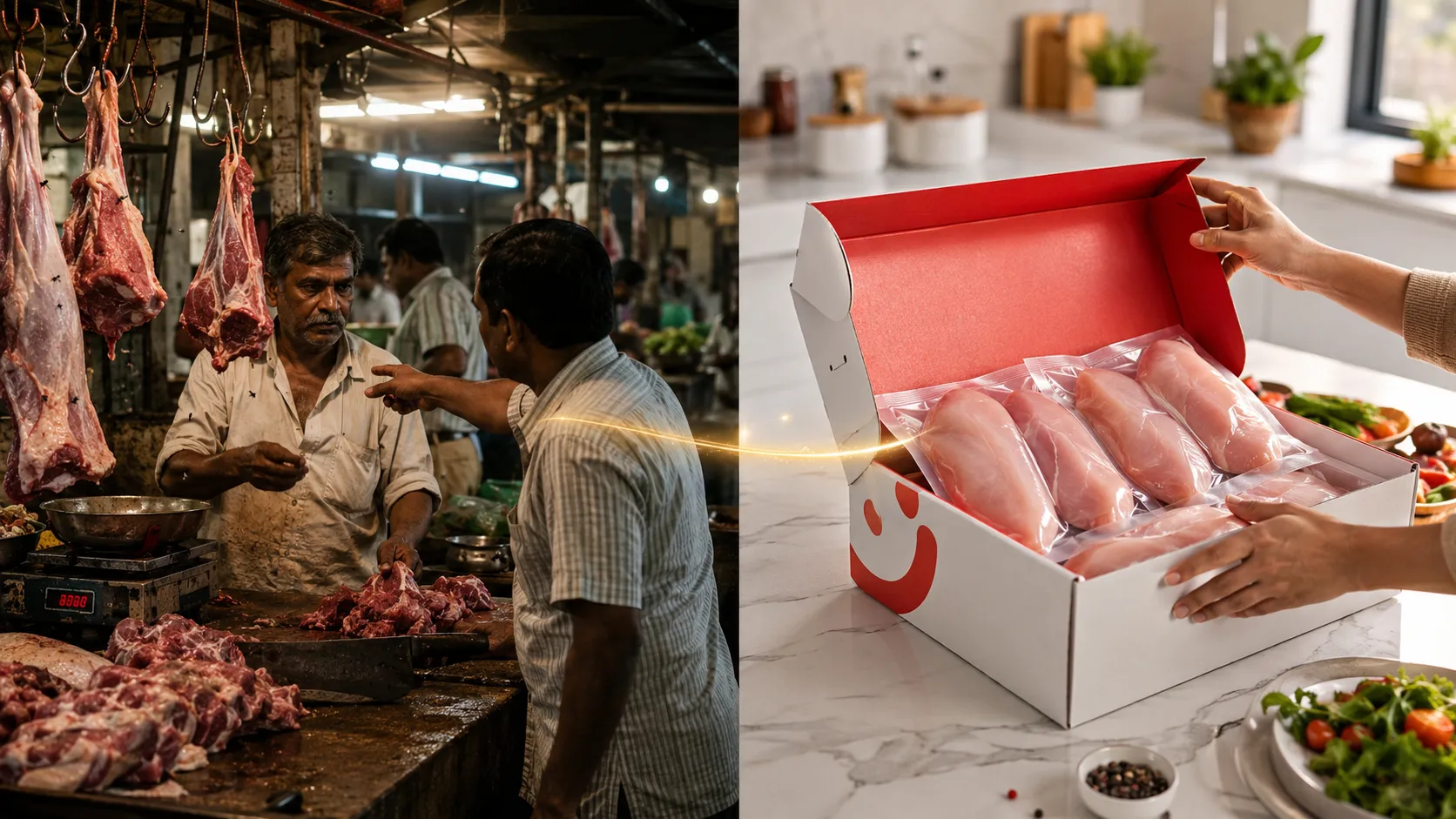
When Vivek Gupta walked into his first investor meeting for Licious a decade ago, he thought he was ready. He had a pitch deck. He had a co-founder. He had a thesis—that India's ₹4 lakh crore meat and seafood market was a branding desert waiting for someone to build a premium, trust-driven consumer label. What he did not have was an answer for the question that would define the next two years of his life. The investors in the room were mostly vegetarian. Some were religiously observant. Several told him, in the polite, elliptical language of Indian venture capital, that they could not bring themselves to fund a meat company. Others made a more pragmatic suggestion: pivot to plant-based protein, and the money would flow. Gupta and his co-founder, Abhay Hanjura, refused. "I thought I knew how to raise money," Gupta recalled later. "Then I walked into a room full of VCs."

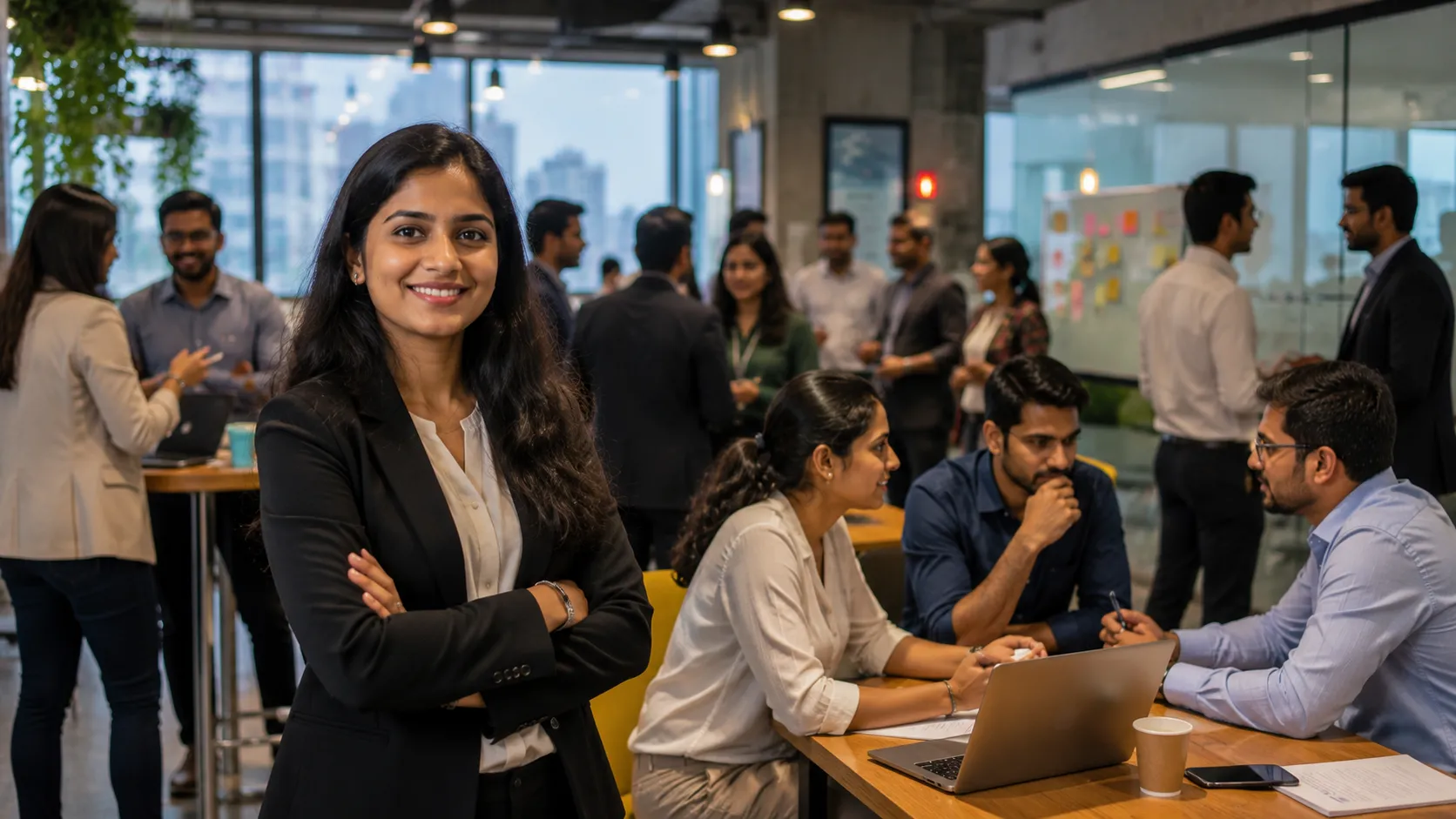
Kalaari Capital’s ₹4 report increasingly raises broader questions around startup networks, founder visibility and how access shapes entrepreneurial opportunity.

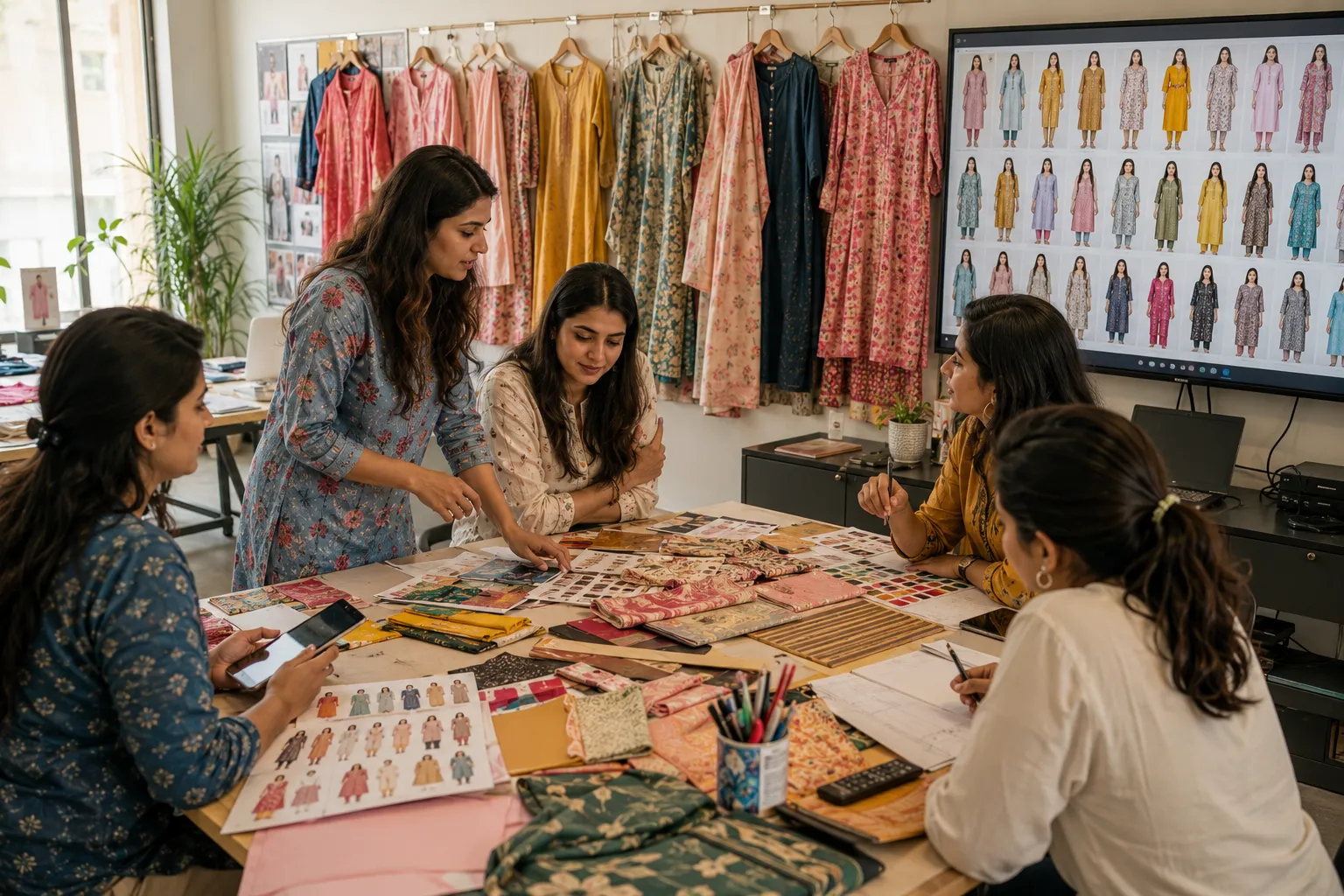
There is a photograph Sidhant Keshwani does not need to show you. You can picture it from the way he talks: a young man, fresh off a flight from Manchester, sitting in his family's Delhi office, surrounded by fabric swatches, export orders, and the quiet hum of a manufacturing business that had seen better days. He was 21. He had plans. "I initially wanted to be an investment banker," he admits, laughing. "I accidentally got into entrepreneurship."

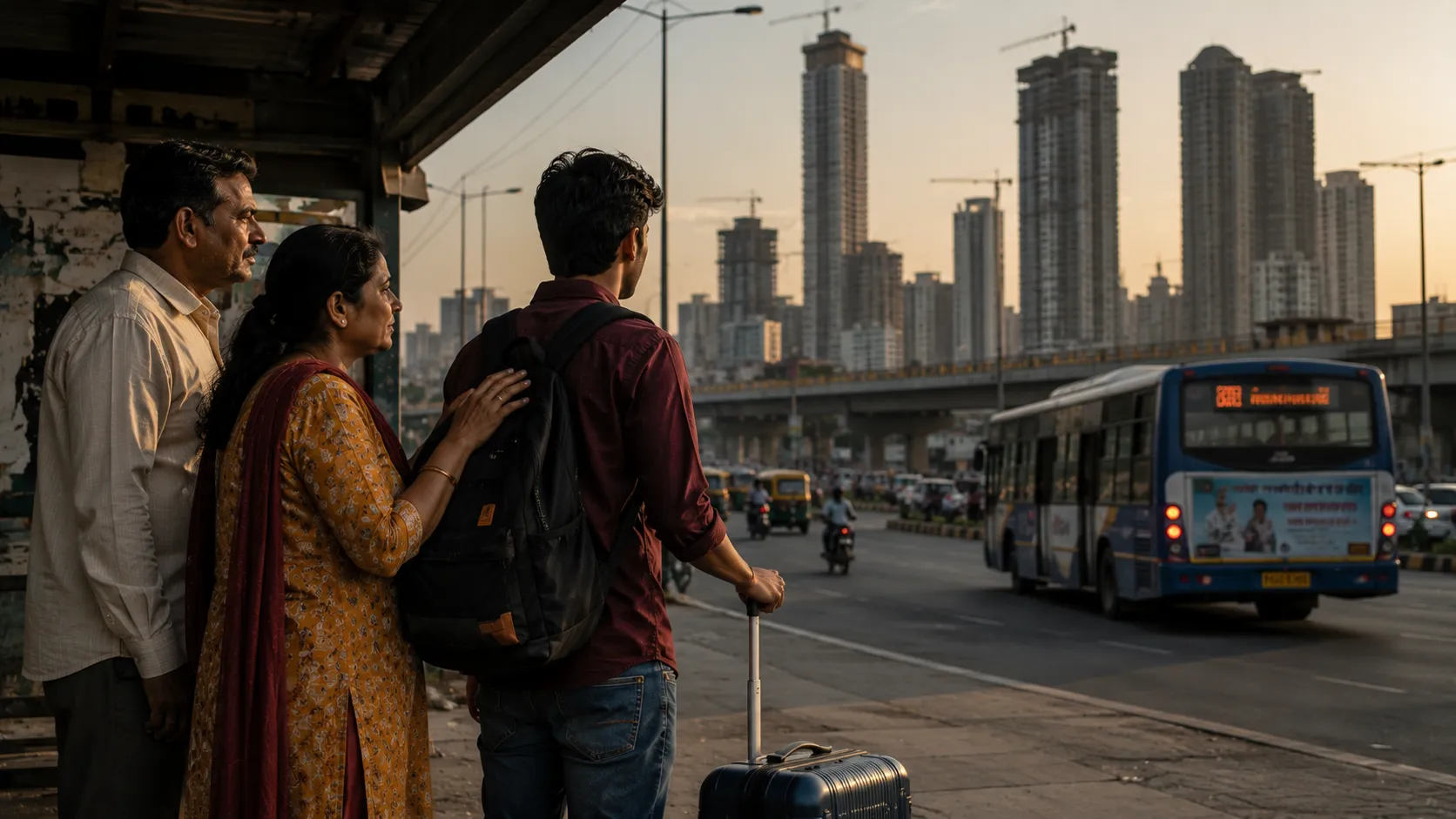
India’s smaller cities are increasingly witnessing long-term youth migration, raising broader questions around opportunity, community and regional futures.

India–US trade discussions increasingly raise broader questions around jobs, supply chains and how economic relationships shape everyday opportunity.

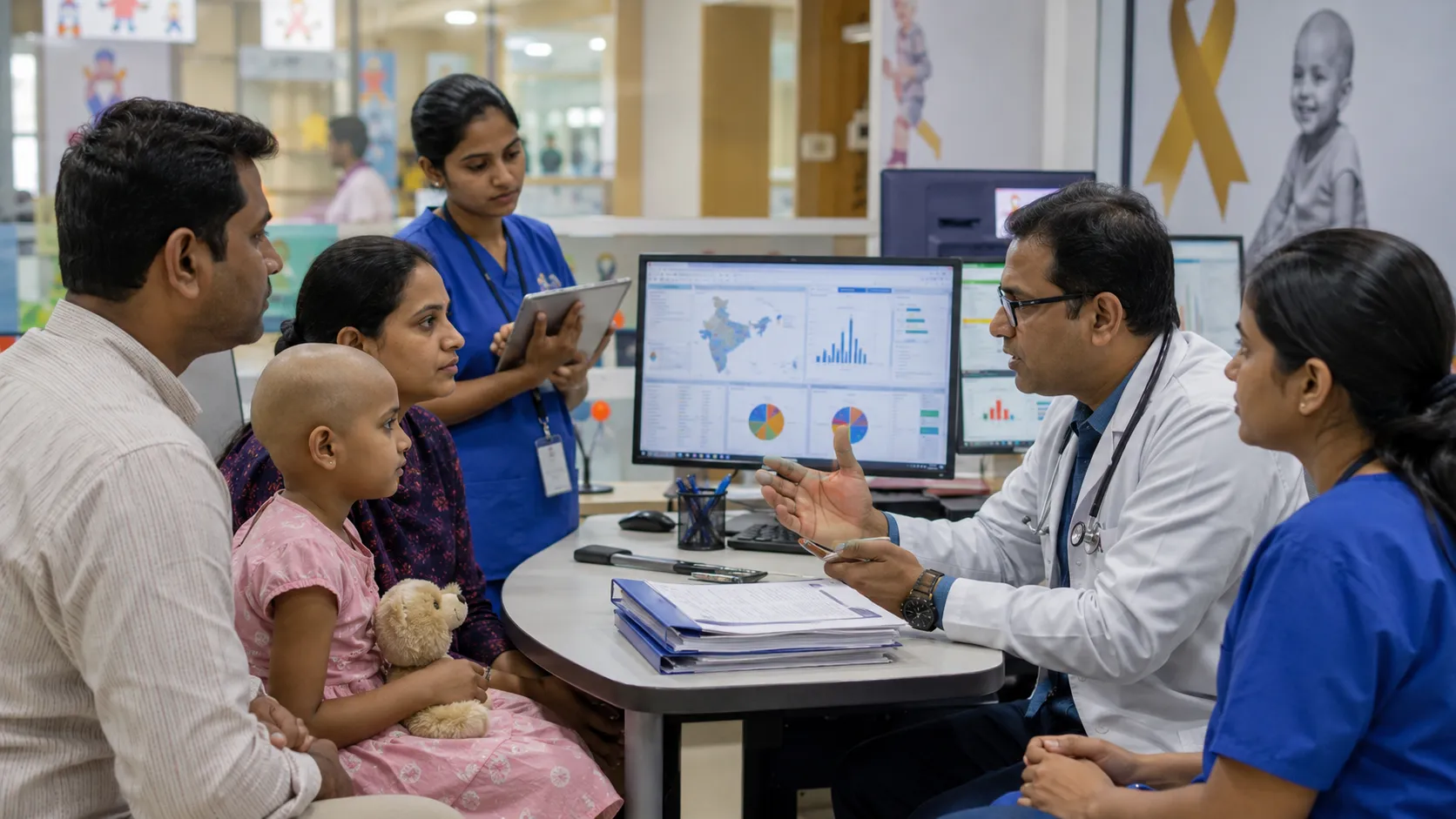
India’s proposed childhood cancer registry increasingly raises broader questions around healthcare visibility, planning and how data can shape treatment systems.

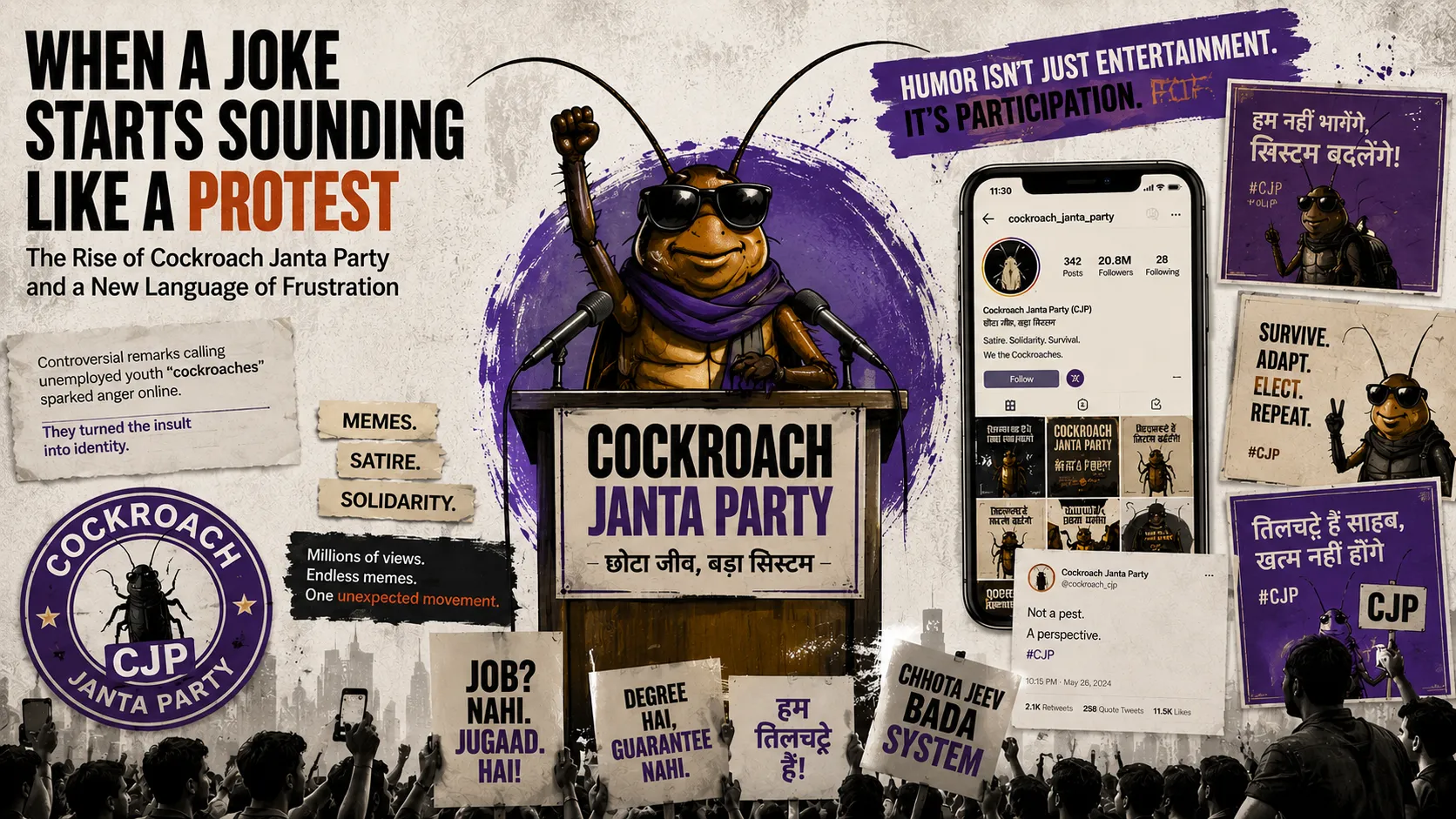
The rise of Cockroach Janta Party increasingly reflects broader conversations around Gen Z frustration, internet culture and how humor is becoming a new language of public expression.