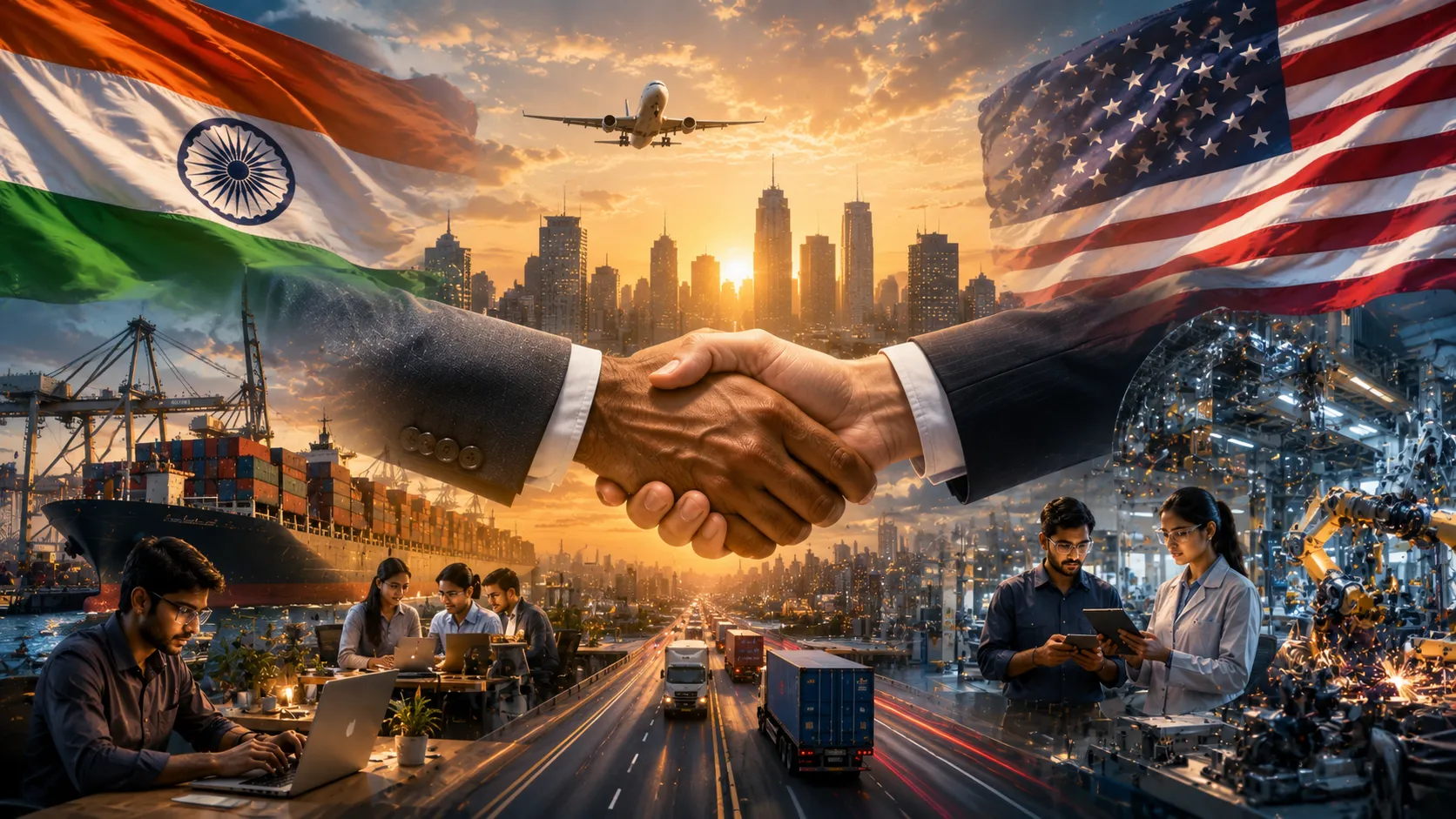
For years, trade agreements frequently entered public conversations through the language of economics, policy frameworks and diplomatic negotiations. Discussions surrounding tariffs, market access and bilateral arrangements often appeared distant from everyday life because these conversations frequently unfolded through government meetings, policy briefings and business headlines. For many people, trade itself often felt like something existing between institutions and nations rather than something capable of influencing ordinary routines and personal realities. As a result, large trade conversations frequently appeared important in theory but abstract in everyday experience.
Yet over recent years, another dimension increasingly appears unfolding beneath broader India–US economic discussions. Conversations surrounding closer trade alignment and future agreements increasingly seem moving beyond diplomacy alone and entering broader questions involving employment, manufacturing and economic participation. Policymakers across both countries have continued discussing deeper trade cooperation involving sectors such as electronics, technology, manufacturing, pharmaceuticals and supply-chain ecosystems. While negotiations themselves frequently evolve over long periods, broader discussions increasingly suggest that trade relationships today involve much more than exchanging goods between countries.
Viewed independently, trade conversations may initially appear like another geopolitical or economic headline. Viewed through a broader impact lens, however, they increasingly raise larger questions involving where jobs emerge, how industries organize themselves and how opportunities increasingly move across economies connected through global systems.
Historically, global supply chains frequently developed around efficiency and concentration because industries often positioned manufacturing and sourcing around regions capable of producing at scale. Over time, however, broader geopolitical shifts, supply-chain disruptions and changing business priorities increasingly began reshaping those assumptions. Companies globally increasingly started exploring diversification strategies and alternative production ecosystems capable of reducing concentration risk. India increasingly entered these conversations because of its manufacturing ambitions, workforce scale and growing position inside technology and industrial ecosystems.
This distinction increasingly matters because supply-chain shifts frequently influence much more than industrial output itself. Manufacturing ecosystems often create wider networks involving logistics, suppliers, services and local employment environments simultaneously. A single industrial investment frequently extends beyond factories because broader ecosystems frequently emerge around production itself. As a result, discussions involving trade frequently influence communities, smaller businesses and regional economies in ways often less visible than headline announcements.
Another important dimension emerging beneath India–US trade discussions increasingly involves changing ideas surrounding opportunity itself. Historically, many economic opportunities frequently concentrated around a limited number of sectors and urban environments. Increasingly, however, manufacturing expansion, export ecosystems and supply-chain diversification frequently create opportunities extending across multiple regions and industries simultaneously. New production environments often influence not simply direct employment but also skill development, supplier networks and long-term ecosystem growth.
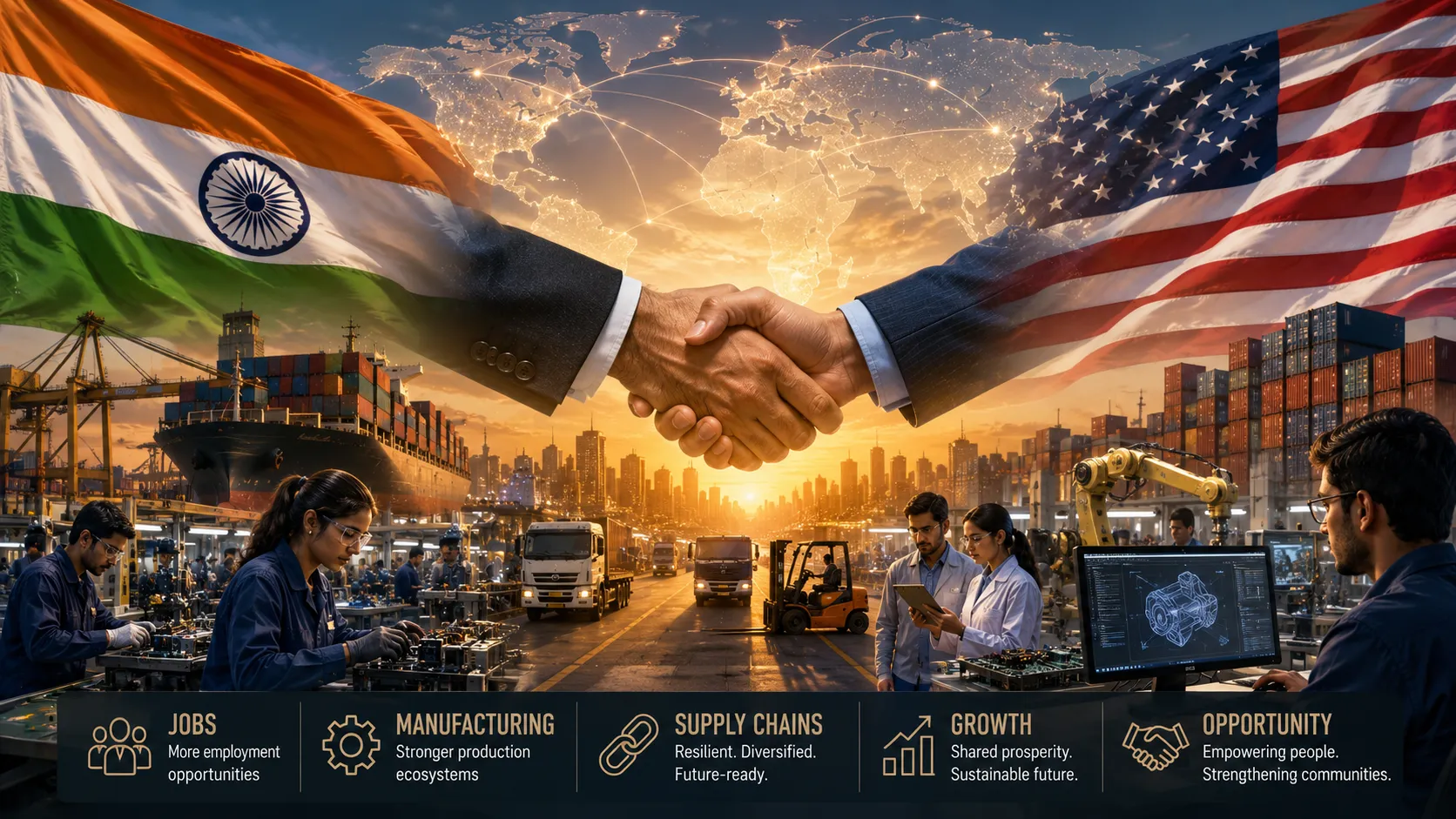
This broader transition increasingly matters because economic systems frequently operate through layers that gradually become visible over time. Jobs frequently emerge through secondary effects. Local industries frequently evolve around larger investments. Communities frequently experience change through indirect pathways rather than immediate announcements. The broader significance increasingly suggests trade itself increasingly functions less as a diplomatic event and more as an infrastructure conversation capable of influencing everyday life.
Part of what makes current discussions particularly significant involves timing itself. Across multiple industries globally, companies increasingly continue reassessing how and where products are built. Technology supply chains, manufacturing systems and strategic sectors increasingly appear entering periods of transition. During these moments, countries frequently compete not only through policy but also through capability, workforce development and ecosystem readiness.
Perhaps that is why this story increasingly feels larger than negotiations alone. Because while trade agreements frequently begin through government conversations, their broader effects often emerge through workplaces, industries and communities long after headlines move elsewhere.
The larger impact story therefore may not simply involve India and the United States discussing economic cooperation. Increasingly, it may involve recognizing that some of the largest economic shifts rarely arrive through one announcement. Instead, they frequently unfold gradually through supply chains, employment ecosystems and opportunities people eventually experience in everyday life.