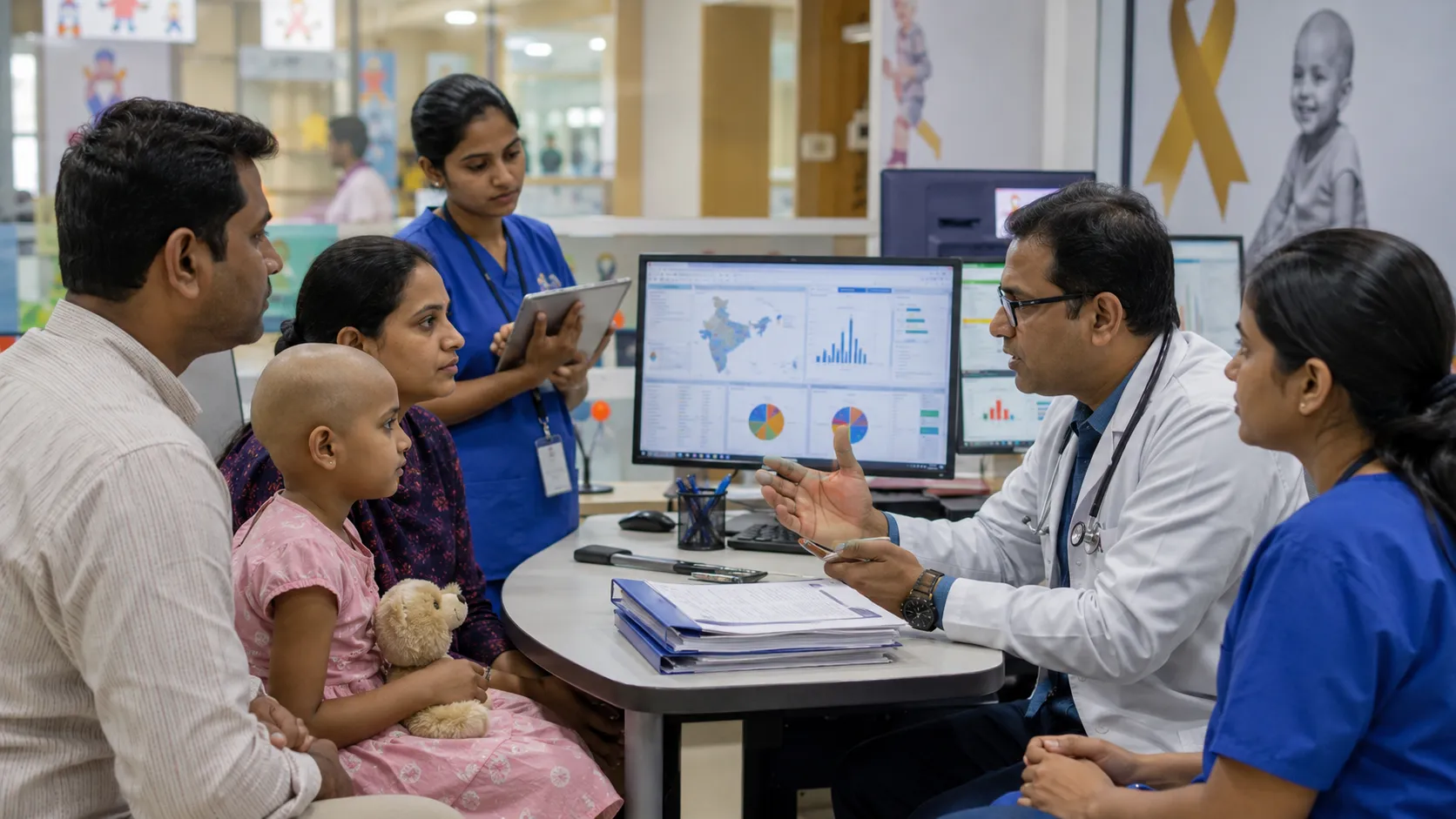
For years, public conversations surrounding healthcare frequently focused on hospitals, medicines and treatment capacity because these often represented the most visible parts of medical systems. When people discussed cancer care, attention frequently centered around specialists, infrastructure and access because these directly shaped patient experiences. Yet behind every healthcare system, another layer quietly influenced decisions long before treatment itself began. Data frequently determined where resources moved, which regions required attention and how systems understood the scale of challenges they were attempting to solve. Despite its importance, that layer often remained far less visible than hospitals and doctors themselves.
Over recent years, however, broader healthcare discussions increasingly appear shifting toward a different question: what happens when systems do not simply treat disease, but understand it more comprehensively? This conversation recently gained stronger relevance through discussions surrounding a proposed national childhood cancer registry in India, an initiative designed to build more structured nationwide data around pediatric cancer cases. The broader goal increasingly appears connected to creating clearer visibility around diagnosis patterns, treatment realities and regional variations capable of helping healthcare systems understand childhood cancer at a much larger scale.
Viewed independently, the development may initially appear administrative or technical because registries frequently sound like systems operating quietly behind healthcare environments. Yet viewed through a broader impact lens, the proposal increasingly raises larger questions involving healthcare planning, access and how information itself frequently influences outcomes long before treatment begins.
Historically, childhood cancer frequently represented a particularly difficult challenge because cases often remained dispersed across regions with very different healthcare realities. Large urban hospitals frequently developed stronger treatment environments and specialist ecosystems, while many families across smaller cities and rural regions frequently navigated delayed diagnosis, fragmented pathways and unequal access. In environments where data remained incomplete, understanding broader patterns frequently became difficult because systems often relied upon partial visibility rather than nationwide insight.
This distinction increasingly matters because healthcare planning frequently depends upon seeing patterns before solutions emerge. A registry does not simply count patients. It creates visibility. It allows systems to identify where certain cancers appear more frequently, where treatment gaps exist and where healthcare resources may require stronger attention. Without broader understanding, healthcare responses frequently remain reactive. With stronger visibility, systems increasingly gain opportunities to become anticipatory.
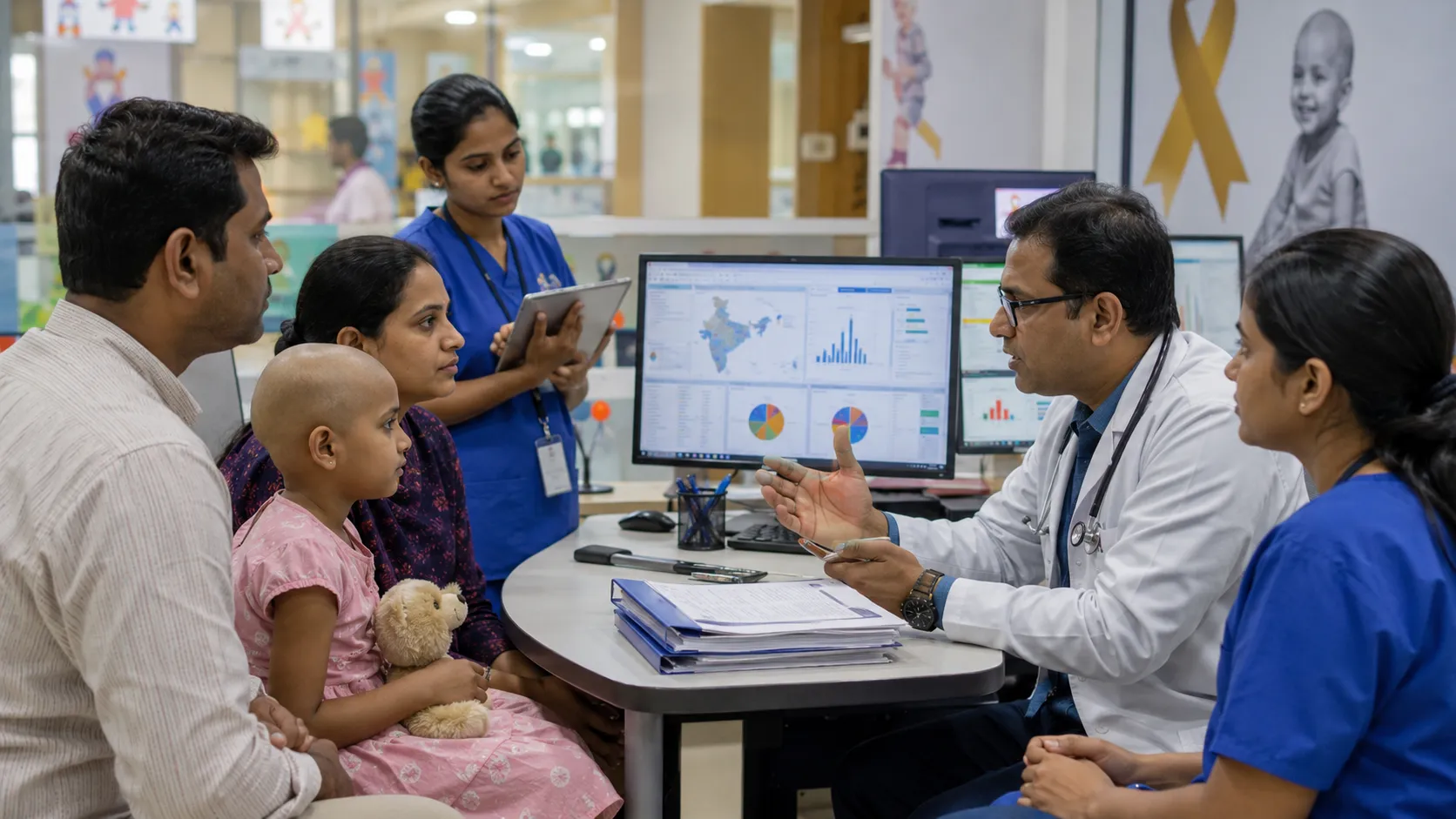
Another important dimension emerging beneath this conversation increasingly involves families themselves. Childhood cancer frequently extends beyond medicine because diagnosis often reshapes entire households emotionally, financially and socially. Parents frequently navigate treatment systems while simultaneously managing uncertainty, logistics and long-term care realities. In many cases, journeys become more difficult not simply because treatment exists, but because pathways themselves often remain fragmented and difficult to navigate.
This broader transition increasingly matters because healthcare frequently becomes more effective when systems organize around journeys rather than isolated events. Data environments frequently appear technical from the outside, yet they often quietly determine where hospitals expand, where specialists become necessary and how future interventions become designed. The broader significance increasingly suggests healthcare infrastructure increasingly depends not simply on buildings and doctors but also on visibility itself.
Part of what makes this development particularly significant is that childhood cancers frequently behave differently from adult cancers. Treatment environments, recovery pathways and healthcare requirements often involve entirely different realities. Building broader systems around childhood cases therefore increasingly appears less like expanding existing structures and more like creating environments specifically designed around pediatric needs themselves.
Perhaps that is why this story increasingly feels larger than healthcare planning alone. Because behind registries, databases and national systems ultimately exist children and families navigating experiences often shaped by timing. In many healthcare environments, information frequently influences outcomes before treatment itself even begins.
The larger impact story therefore may not simply involve creating a national registry. Increasingly, it may involve recognizing that some of the most important healthcare interventions do not always begin inside operating rooms or laboratories. Occasionally they begin by understanding people more clearly, seeing patterns earlier and ensuring that future decisions emerge from knowledge rather than uncertainty.