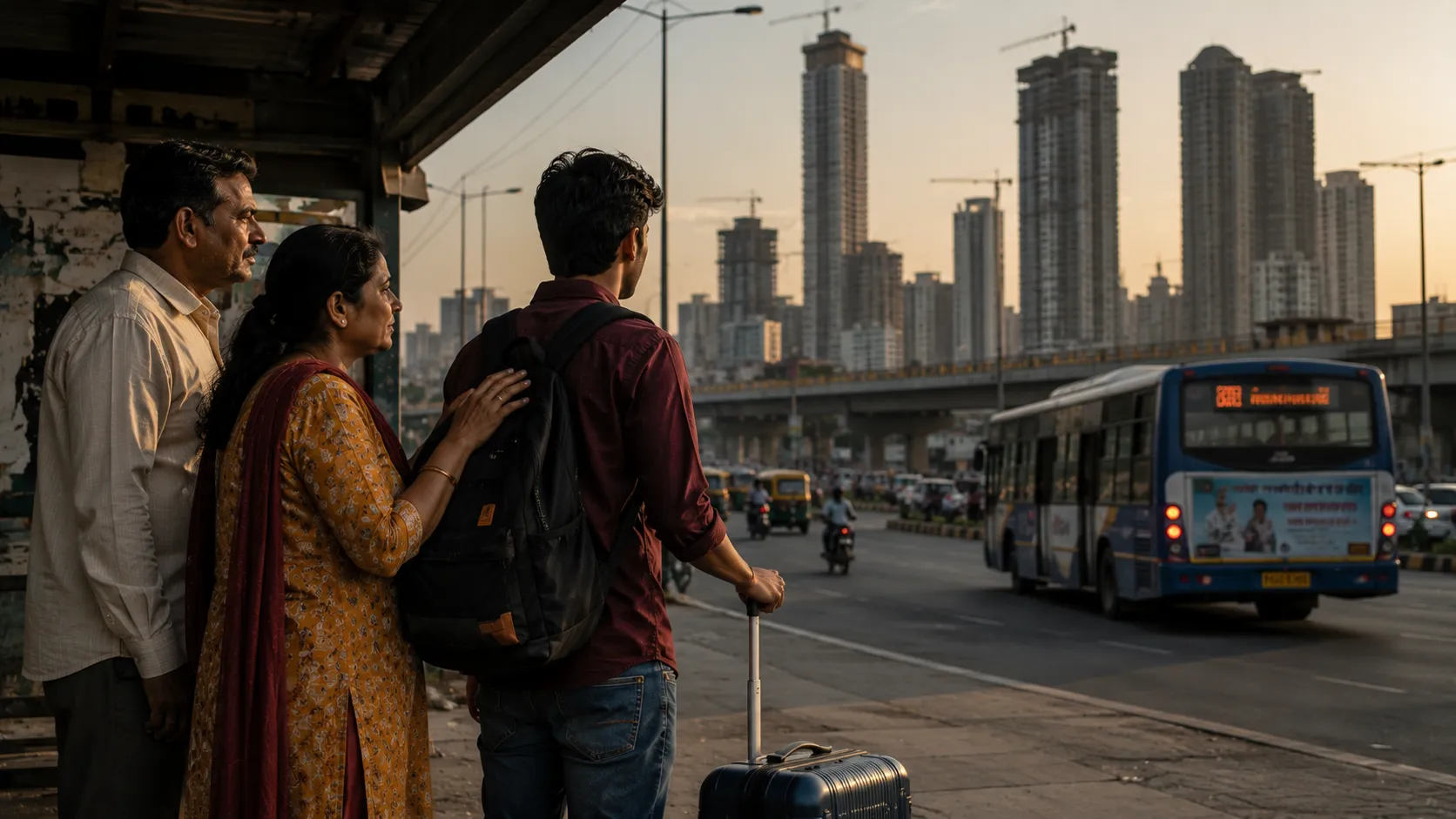
For decades, India’s growth story frequently followed a familiar visual language. Progress often appeared through skylines rising above metropolitan roads, technology parks expanding across urban corridors and large cities becoming symbols of ambition and opportunity. Places such as Bengaluru, Mumbai, Hyderabad, Pune and Delhi gradually evolved into destinations where careers, education and economic possibility seemed concentrated. For many households, movement itself increasingly became associated with advancement. Leaving often appeared like growth. Staying frequently appeared like compromise. As a result, migration gradually transformed from an occasional life decision into an expected part of growing up.
Yet beneath India’s larger urban success story, another quieter transition increasingly appears unfolding. Across many smaller cities and regional towns, younger populations increasingly continue leaving in search of education, employment, exposure and lifestyle opportunities unavailable locally. This movement itself is not entirely new. Young people have historically relocated for universities, jobs and better prospects. What increasingly appears different today is the scale, consistency and long-term implications of the shift. In many places, movement no longer feels temporary. Increasingly, it appears structural.
Viewed independently, migration frequently appears like a story about aspiration. Viewed through a broader impact lens, however, it increasingly raises larger questions involving regional development, social change and what happens when a generation gradually begins disappearing from places once expected to become future growth centers.
Historically, smaller cities frequently operated through relatively stable social structures. Families often remained geographically close because employment opportunities frequently emerged within local businesses, public institutions or regional industries. Communities developed through continuity because people frequently lived near extended families and long-term social networks. While large cities certainly attracted migration, movement itself often remained selective rather than widespread.
Over recent years, however, broader economic realities increasingly seem changing that pattern. Educational ecosystems increasingly remain concentrated around major urban environments. Technology industries, startup ecosystems and high-growth sectors frequently continue clustering around a limited number of cities because infrastructure, capital and institutional networks often reinforce one another over time. As a result, younger populations frequently begin leaving not necessarily because they want distance from smaller cities, but because opportunities increasingly appear unevenly distributed.
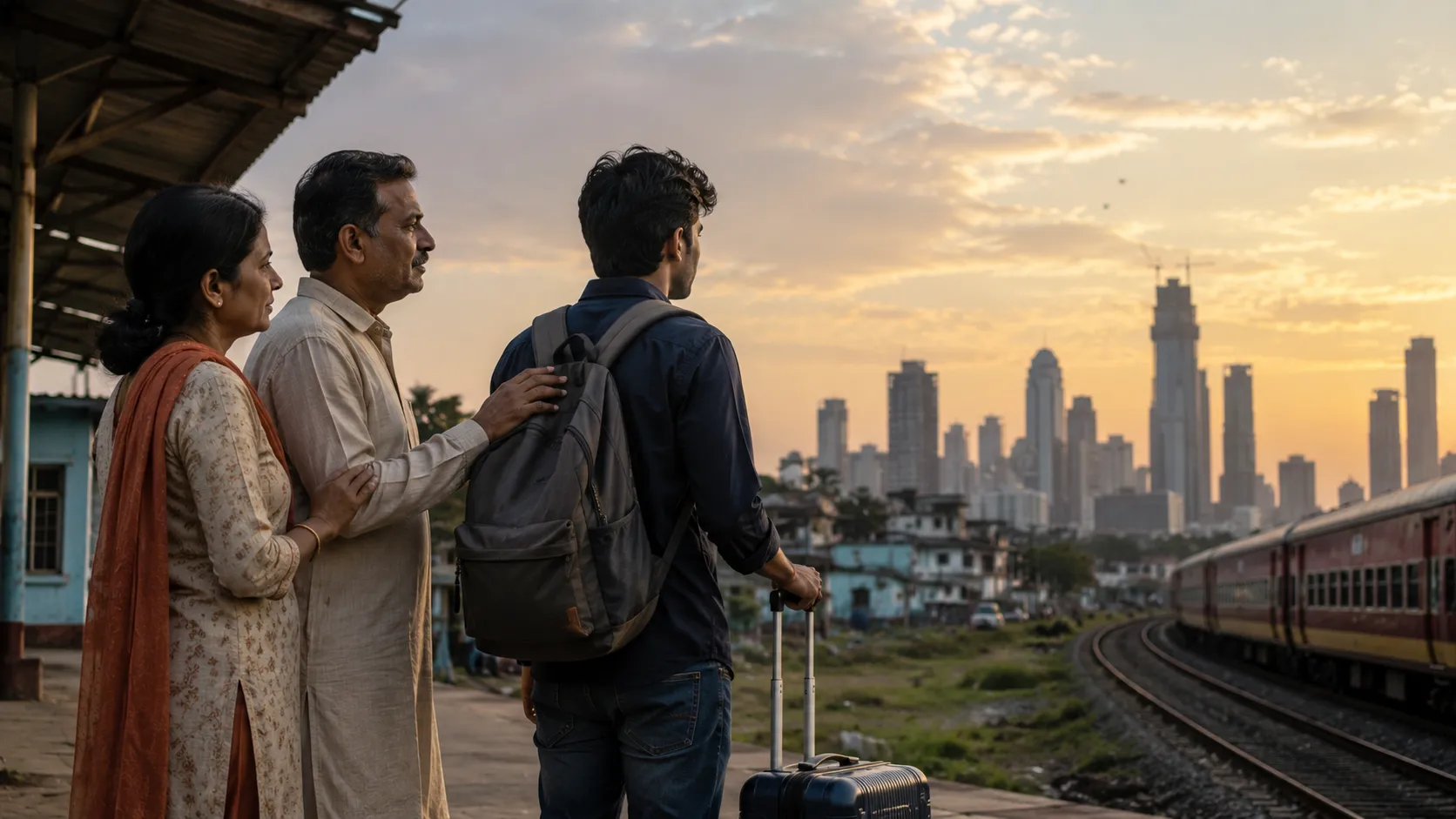
This distinction increasingly matters because migration itself rarely concerns jobs alone. Movement frequently begins affecting social structures, emotional relationships and local identity in ways that remain less visible initially. When younger populations leave, communities frequently experience more than population shifts. They often experience changes involving participation, culture and future continuity itself.
Across many smaller Indian cities today, familiar patterns increasingly appear emerging. Schools and colleges continue producing ambitious students who frequently leave for larger urban centers. Young professionals increasingly move toward metropolitan environments where industries appear concentrated. Families increasingly adjust expectations around distance because relocation itself often becomes normalized. Over time, movement gradually stops feeling exceptional and increasingly becomes assumed.
Part of what makes this transition significant is that younger populations frequently contribute more than labor alone. Youth often shape cultural energy, local entrepreneurship and community participation simultaneously. Cities frequently evolve through the presence of individuals building businesses, creating institutions and investing emotionally in local environments. When large numbers of younger people leave continuously, communities occasionally begin confronting quieter consequences difficult to measure immediately.
This broader transition increasingly matters because development frequently depends upon retention as much as attraction. Building stronger cities often involves more than infrastructure projects or economic announcements. Communities frequently require ecosystems capable of allowing people to imagine futures within places they already call home.
Another important dimension emerging beneath this conversation increasingly involves changing definitions surrounding success itself. Historically, many families frequently measured upward mobility through movement because migration often represented access to opportunities unavailable locally. Parents frequently encouraged relocation because larger cities appeared capable of offering educational advantages, professional networks and greater economic security.
Increasingly, however, this expectation itself appears creating a paradox. Smaller cities frequently invest years in educating and developing younger populations only to watch many eventually build futures elsewhere. The result occasionally resembles a quiet talent transfer where regional communities frequently contribute people while larger urban centers increasingly capture outcomes.
This broader dynamic increasingly matters because places frequently evolve through cumulative participation. Individuals who remain frequently create businesses. Businesses frequently create employment. Employment frequently creates local ecosystems. When movement becomes overwhelmingly one-directional, local environments occasionally struggle to create reinforcing cycles capable of sustaining future growth.
Part of this conversation also increasingly involves emotional geography — an aspect often absent from economic discussions. Migration frequently appears practical from policy perspectives, yet personal realities often involve more complicated experiences. Young individuals frequently navigate distance from family structures, changing identities and emotional trade-offs accompanying mobility itself. Simultaneously, parents increasingly experience households becoming quieter while communities occasionally witness familiar social rhythms gradually changing.
This distinction increasingly matters because development frequently extends beyond economics alone. Societies frequently organize themselves around relationships, participation and continuity. When mobility becomes widespread, communities occasionally gain economically while simultaneously losing dimensions difficult to quantify.
Technology increasingly creates another layer beneath this transition. Historically, physical movement frequently represented the only pathway toward opportunity because industries often required geographical proximity. Increasingly, however, digital work environments, creator ecosystems and distributed business structures occasionally create possibilities allowing individuals to participate economically while remaining geographically flexible.
Yet reality frequently remains uneven. While remote work creates opportunities in some sectors, many industries continue clustering physically because networks, mentorship and institutional ecosystems often remain concentrated. As a result, technology itself increasingly appears reducing some barriers while leaving broader structural realities unchanged.
The larger question therefore may not simply involve why younger populations leave smaller cities. Increasingly, it may involve what happens if communities continue functioning primarily as departure points rather than destinations. Because cities frequently require more than roads and investment. They require people capable of imagining futures there.
Perhaps that explains why this story increasingly feels larger than migration statistics or demographic shifts alone. Because beneath employment trends and population movement ultimately exists another question involving belonging itself. Young people frequently leave places not because they reject them but because they frequently struggle to see visible pathways capable of supporting the futures they imagine.
The larger impact story therefore may not simply involve smaller cities losing younger populations. Increasingly, it may involve recognizing that India’s next development challenge may concern not only creating growth, but ensuring opportunity itself becomes geographically distributed enough for ambition and belonging to coexist.
Because if opportunity increasingly exists elsewhere while identity continues remaining rooted at home, future generations may increasingly find themselves navigating a difficult question: where exactly does a meaningful life belong?