Results (989 found)

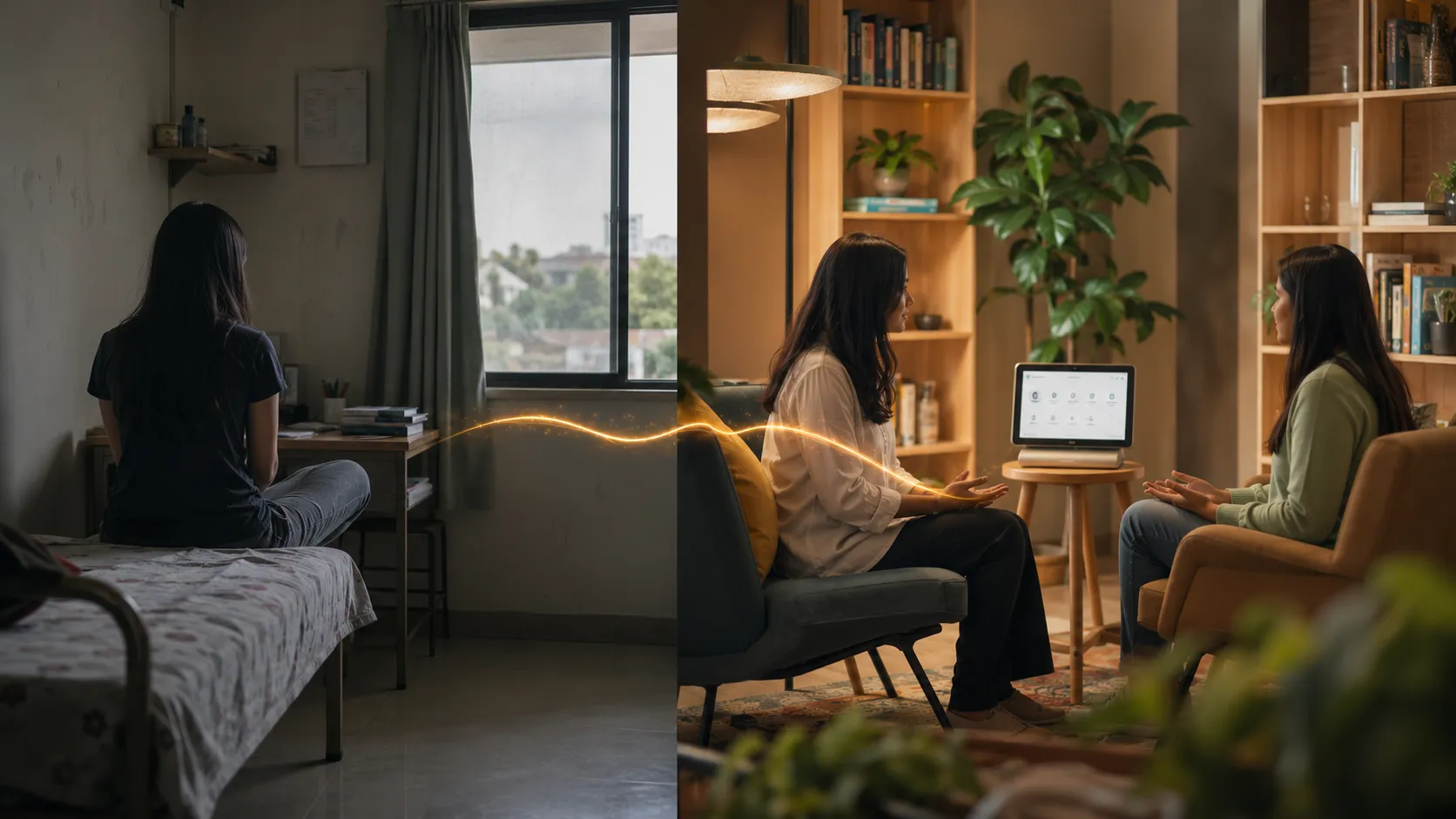
She Lost Her Father and Couldn't Find Help. So She Built India's Largest Mental Health Platform—and Spent a Decade Proving That Healing Can Scale.
WomenMay 24, 2026

She Lost Her Father and Couldn't Find Help. So She Built India's Largest Mental Health Platform—and Spent a Decade Proving That Healing Can Scale.

In 2008, Richa Singh was a first-year engineering student at IIT Guwahati, and her father was dead. He had been struggling with depression for years—a quiet, private battle that no one in the family knew how to talk about, that no doctor in their small town seemed equipped to treat, and that ended, as so many such battles do, without warning and without goodbye. Singh was 18 years old. She had just lost the most important person in her life. And in the months that followed, as grief settled into the spaces where her father used to be, she discovered something that infuriated her almost as much as the loss itself: there was nowhere to go for help.
The Dog Lover Who Built a ₹300 Crore Pet Care Empire: How Rashi Narang Turned a Passion for Animals Into One of India's Most Unusual Retail Success Stories
WomenMay 24, 2026

The Dog Lover Who Built a ₹300 Crore Pet Care Empire: How Rashi Narang Turned a Passion for Animals Into One of India's Most Unusual Retail Success Stories

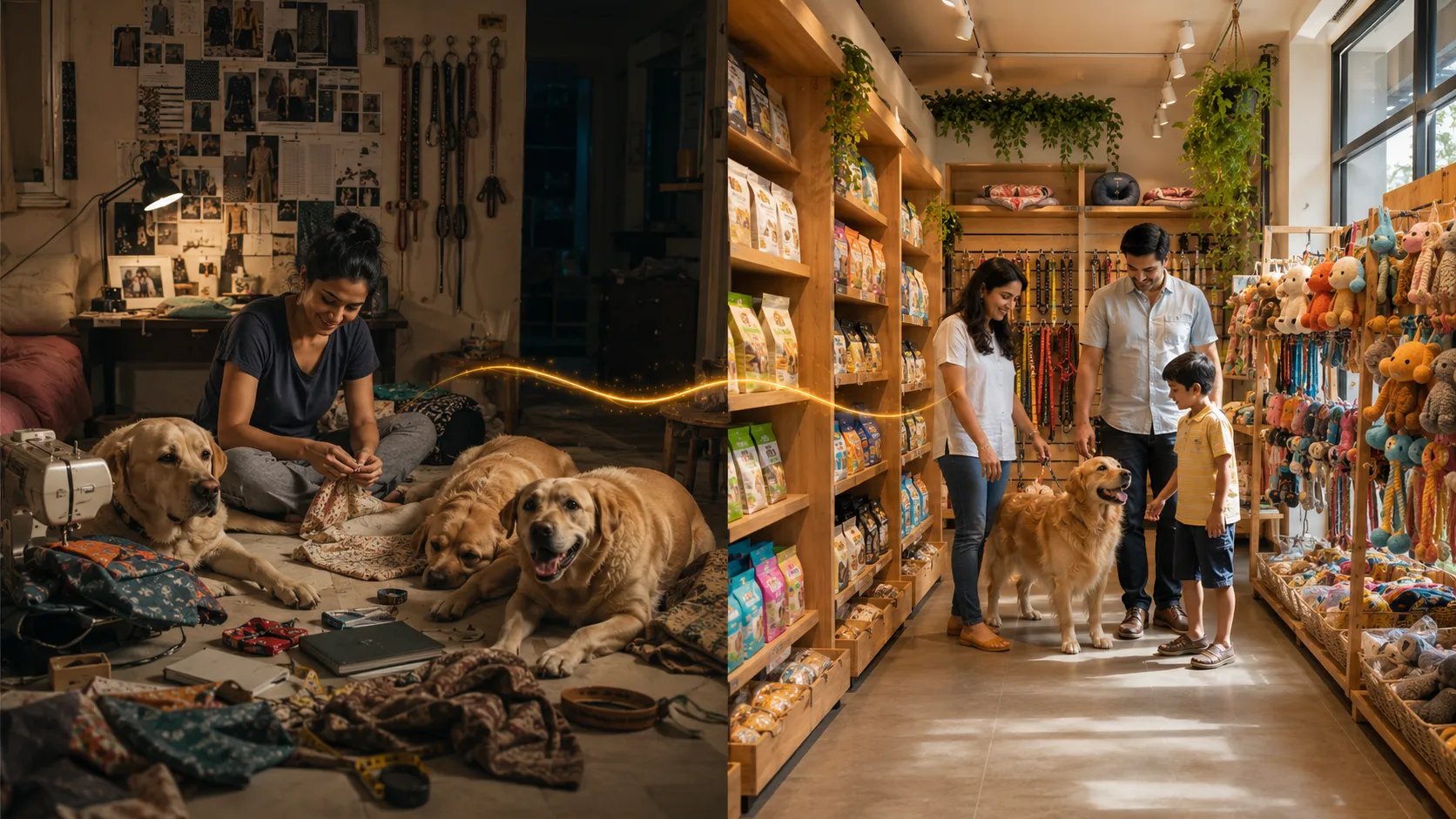
In 2008, Rashi Narang was a young marketing professional in Mumbai with a problem that no Indian company had solved. She had three dogs—Labradors—and she could not find high-quality food, toys, or accessories for them anywhere in the city. The pet stores that existed were small, poorly stocked, and designed for an earlier era when pets were fed table scraps and slept in the yard. The idea of a dog as a family member—deserving of premium nutrition, comfortable beds, and mental stimulation—was common in the West but almost unheard of in India. Narang, who had grown up with dogs and considered them part of her family, decided that if the market would not provide for her pets, she would provide for them herself.

The Artist Who Taught Machines to See: How Ashwini Asokan Left Silicon Valley, Built a Global AI Company from a Chennai Apartment, and Refused to Be the Only Woman in the Room
WomenMay 24, 2026

The Artist Who Taught Machines to See: How Ashwini Asokan Left Silicon Valley, Built a Global AI Company from a Chennai Apartment, and Refused to Be the Only Woman in the Room

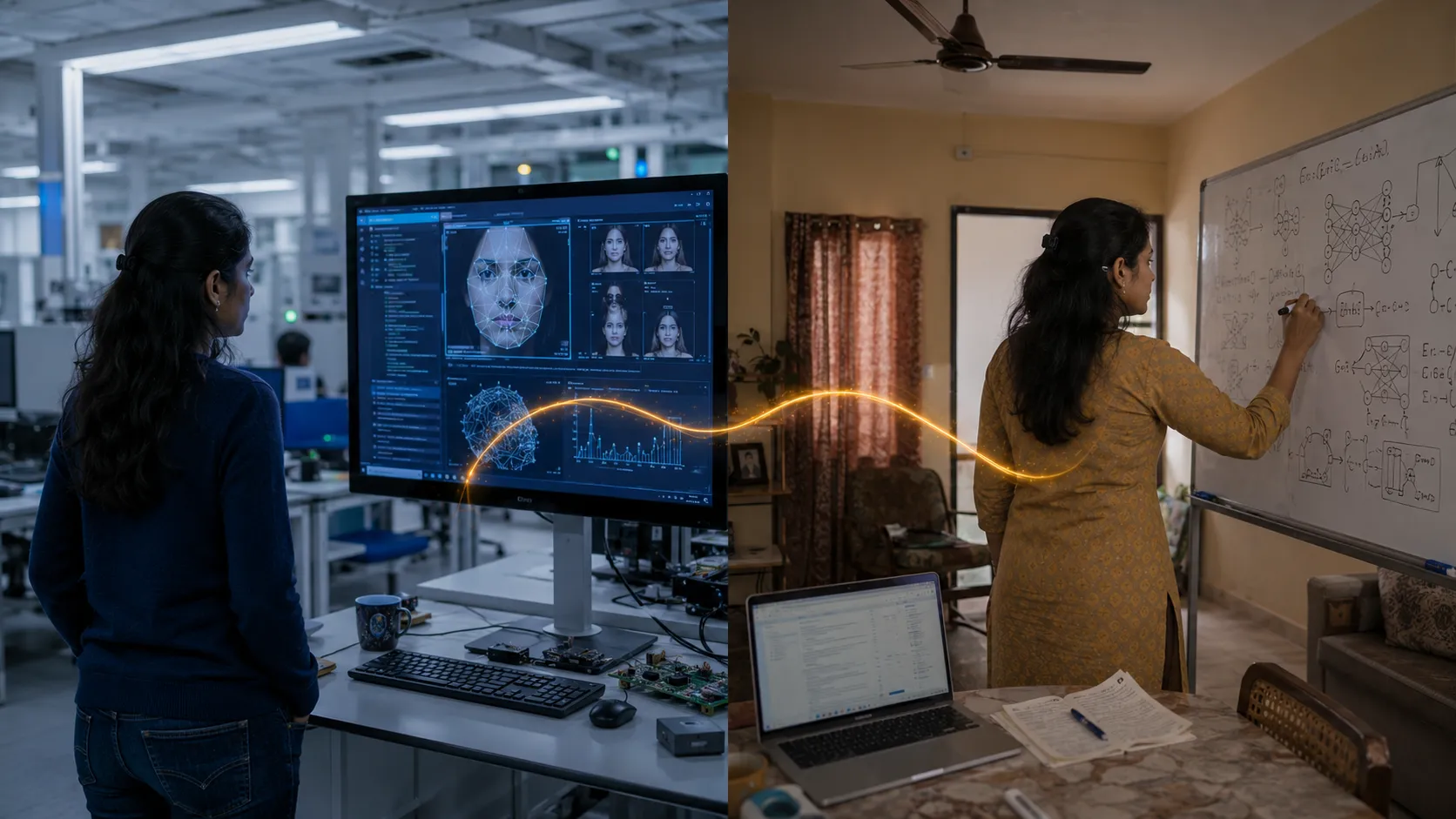
In 2012, Ashwini Asokan was living the life she had been trained for. She had a master's degree in interaction design from Carnegie Mellon, one of the world's most selective programmes. She had a research position at Intel Labs in Silicon Valley, where she worked on the frontiers of computer vision—teaching machines to recognise objects, faces, and gestures. She was good at it. She was well-paid. She was, by any conventional measure, on exactly the right trajectory for someone with her credentials and her ambition.

The Stanford Engineer Who Survived India's Fintech Crash: How Upasana Taku Remortgaged Her Home, Survived a 96% Valuation Collapse, and Took a $450 Million Company Public
WomenMay 24, 2026

The Stanford Engineer Who Survived India's Fintech Crash: How Upasana Taku Remortgaged Her Home, Survived a 96% Valuation Collapse, and Took a $450 Million Company Public

In the winter of 2016, Upasana Taku sat at her kitchen table in Gurugram and calculated how long her company had to live. The answer was eight weeks. MobiKwik, the digital payments platform she had co-founded seven years earlier with her husband Bipin Preet Singh, was burning through its remaining cash at a rate that would exhaust its reserves by February. The Indian startup ecosystem was in the grip of a funding winter so severe that once-celebrated unicorns were collapsing into fire sales. Venture capitalists who had once returned her calls within hours were no longer answering. The valuation at which she had raised her last round — a number she no longer speaks about publicly, but which industry sources placed at roughly $250 million — had become a liability rather than an asset. No new investor would touch the company at anything close to that price. No existing investor was willing to lead a bridge. The only people who believed MobiKwik would survive were the two people sitting at the kitchen table.

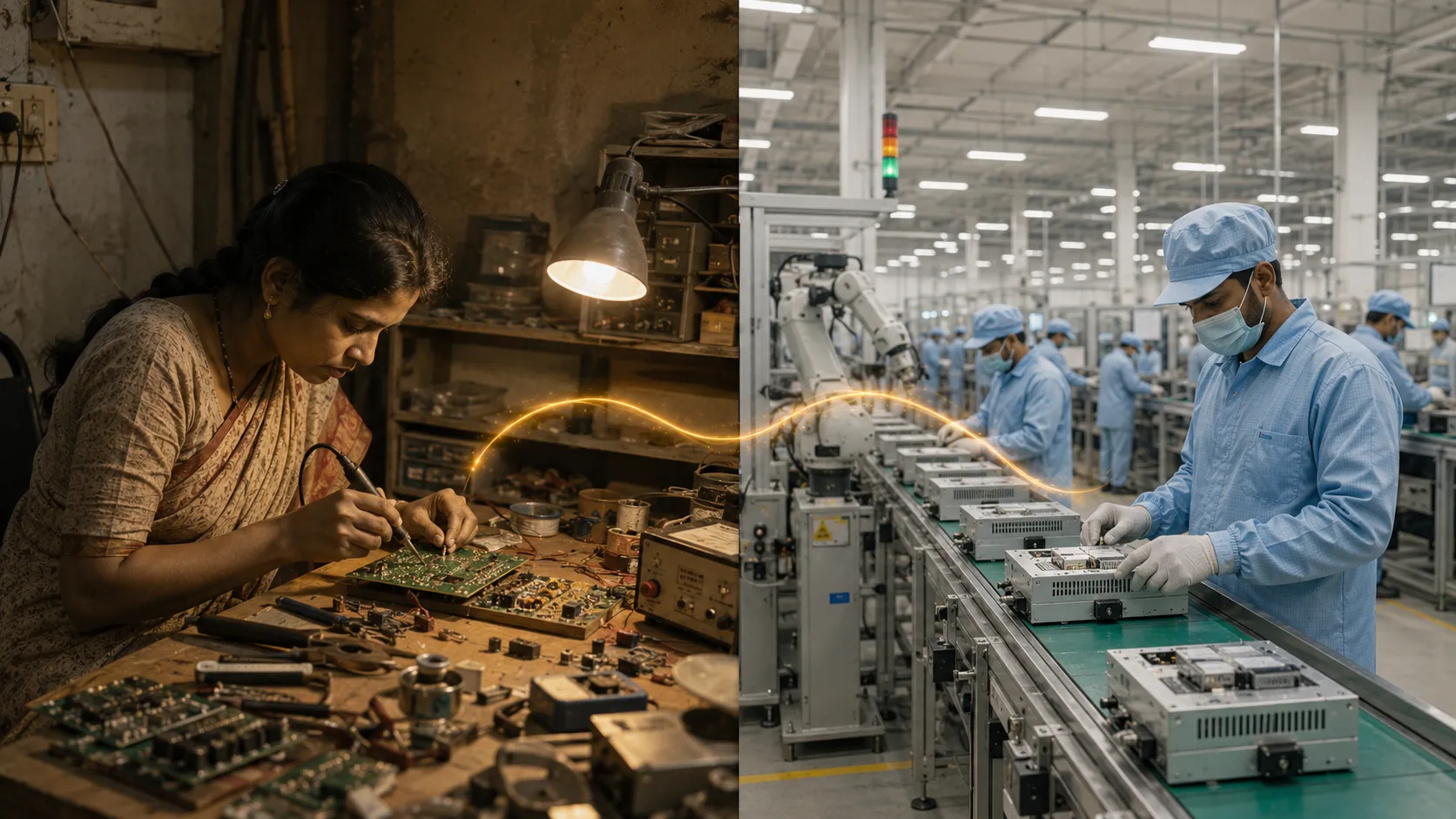
The Engineer Who Was Told to "Stay in the Kitchen": How Vimala Raju Built a ₹200 Crore Electronics Empire by Refusing to Listen
WomenMay 24, 2026

The Engineer Who Was Told to "Stay in the Kitchen": How Vimala Raju Built a ₹200 Crore Electronics Empire by Refusing to Listen

In 1995, Vimala Raju walked into a bank in Hyderabad to apply for a loan. She was 24 years old, had a degree in electrical engineering from Osmania University, and carried a business plan for a company that would manufacture industrial power supplies—the unsung components that convert electricity into the precise voltages required by everything from factory machinery to medical equipment. The loan officer looked at her, looked at the application, and asked a question she has never forgotten. "Why don't you just stay in the kitchen?"

She Poured ₹5 Lakh Into a Bottle of Onion Oil. Today, She Runs a ₹150 Crore Vegan Beauty Empire—Without a Single Rupee of Venture Capital.
WomenMay 24, 2026

She Poured ₹5 Lakh Into a Bottle of Onion Oil. Today, She Runs a ₹150 Crore Vegan Beauty Empire—Without a Single Rupee of Venture Capital.

Rupali Sharma was not supposed to be a beauty mogul. She was a mother, recovering from childbirth, watching clumps of her hair fall out in the shower and feeling, as millions of women before her have felt, that her body was betraying her in ways no one had warned her about. She tried the conventional remedies. They failed. In desperation, she turned to the one person whose advice had never let her down: her grandmother, who told her to apply onion extract to her scalp.

She Was Sleeping on the Floor Nine Months Ago. Today, the 23-Year-Old Who Pitched a Silicon Valley Titan for 20 Minutes Just Doubled Her Startup's Valuation to $200 Million.
WomenMay 24, 2026

She Was Sleeping on the Floor Nine Months Ago. Today, the 23-Year-Old Who Pitched a Silicon Valley Titan for 20 Minutes Just Doubled Her Startup's Valuation to $200 Million.

In February, Anjali Sardana flew to San Francisco with a backpack and a pitch. She was 23 years old, had been running a company for roughly eight months, and had secured a twenty-minute meeting with Lachy Groom, one of Silicon Valley's most closely watched solo investors, through a mutual connection. Groom had backed Stripe, Figma, and Zepto. He co-founded Physical Intelligence, the robotics startup valued in the billions. He did not take meetings with just anyone. Sardana had prepared intensively, the way a former Bain Capital analyst prepares for anything — thoroughly, methodically, leaving nothing to chance.

The Ex-Banker Who Was Told She Didn't Look Like a Founder: How Romita Mazumdar Built a ₹650 Crore Skincare Challenger in Four Years—and Just Won Over a Japanese Beauty Giant
StartupsMay 24, 2026

The Ex-Banker Who Was Told She Didn't Look Like a Founder: How Romita Mazumdar Built a ₹650 Crore Skincare Challenger in Four Years—and Just Won Over a Japanese Beauty Giant

Before she built one of India's fastest-growing skincare brands, before she raised $30 million from a 80-year-old Japanese cosmetics conglomerate, before she stood on stage at retail conferences and was introduced as a founder to watch, Romita Mazumdar was asked a question she still remembers. She was at a team dinner, early in her career, surrounded by colleagues from the venture capital firm where she worked. Someone looked at her across the table and asked, in the casual, unthinking way that such questions are asked, whether she was an intern.

The Kerala Lab That Taught an AI to Read the Brain—And Is Now Helping Surgeons Navigate Its Most Dangerous Territory
StartupsMay 24, 2026

The Kerala Lab That Taught an AI to Read the Brain—And Is Now Helping Surgeons Navigate Its Most Dangerous Territory

Dr. Laina Emmanuel was not supposed to be a neurotech entrepreneur. She was a clinical neuropsychologist, the kind who spends her days in hospital wards, assessing patients with brain tumours, traumatic brain injuries, and neurodegenerative diseases. She watched neurosurgeons plan their operations by staring at black-and-white MRI slices, mentally reconstructing the three-dimensional architecture of the brain, and making their best guess about where the tumour ended and the healthy tissue began. She watched them get it wrong—not often, but often enough. A few millimetres in the wrong direction, and a patient who came in for a tumour resection left the operating theatre unable to speak, or walk, or recognise their spouse.

The ₹60 Crore Bet That India's Water Crisis Can Be Solved by IoT: How a Pune Engineer Built the World's Largest Smart Water Meter Network—and Is Taking It to 40 Countries
StartupsMay 24, 2026

The ₹60 Crore Bet That India's Water Crisis Can Be Solved by IoT: How a Pune Engineer Built the World's Largest Smart Water Meter Network—and Is Taking It to 40 Countries

Sometime in 2014, Vivek Shukla was sitting in a government office in Maharashtra, watching a junior engineer manually transcribe water meter readings from a crumpled paper ledger into a desktop computer. The meter reader had visited roughly 40 households that morning, squinting at analogue dials, scribbling numbers on a clipboard, and moving on. By the time the data reached the central database — assuming it ever did — it would be weeks out of date, riddled with errors, and functionally useless for the one thing it was supposed to enable: billing people for the water they actually used. Shukla, an instrumentation engineer who had spent years building industrial sensors for factories, looked at the ledger and saw something different. He saw a market failure.

Load More Results