Results (751 found)

Hexagon Nutrition's ₹138 Crore IPO Opens June 5 — India's Only Confirmed Mainboard Listing of the Month
FundingMay 29, 2026

Hexagon Nutrition's ₹138 Crore IPO Opens June 5 — India's Only Confirmed Mainboard Listing of the Month

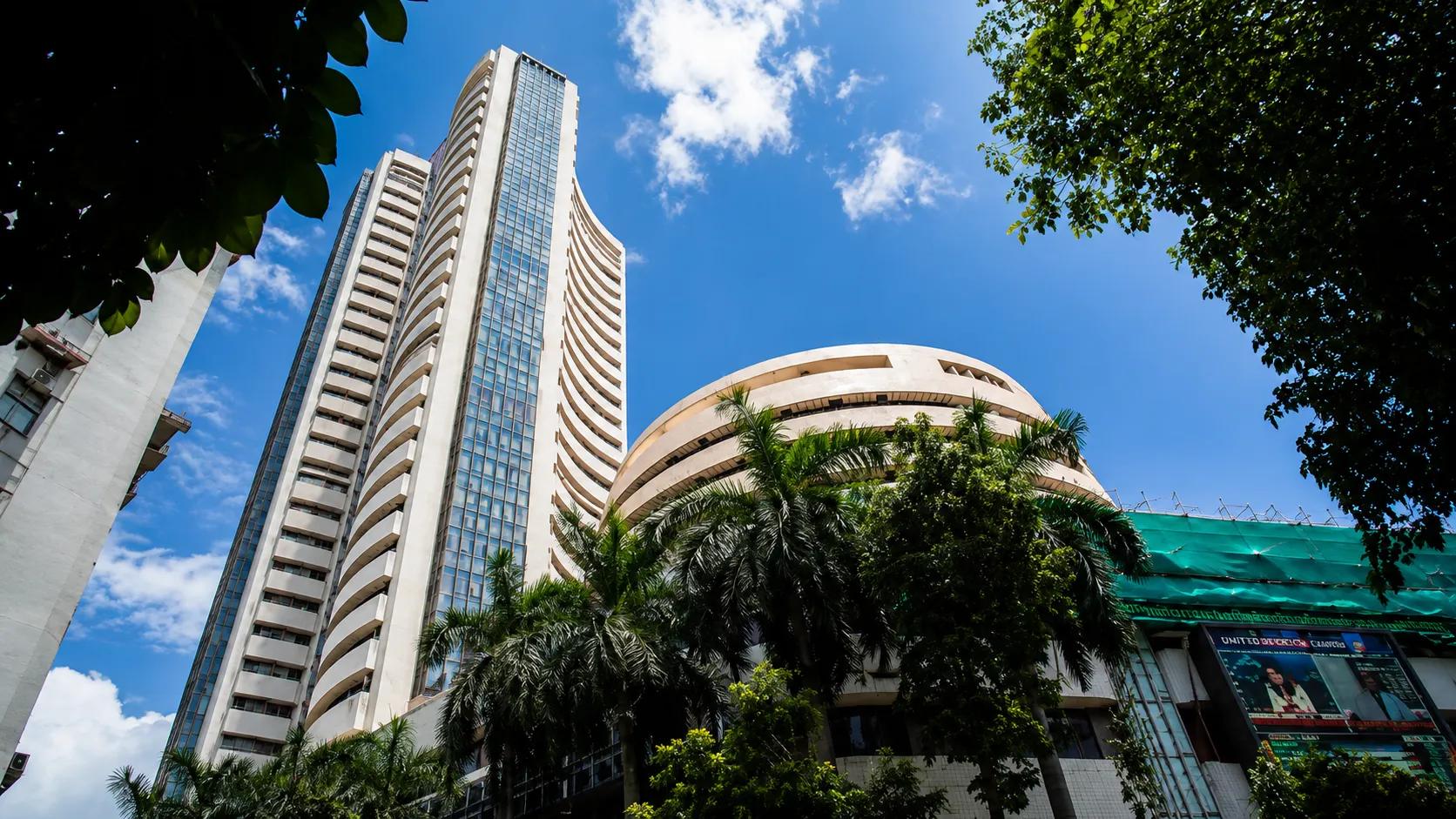
India's primary market has been unusually quiet in 2026, but Hexagon Nutrition's ₹138.87 crore IPO could mark the beginning of a broader revival. With over three decades of operating history, exports to more than 75 countries, and a profitable growth trajectory, the Mumbai-based nutrition company enters the public markets as June's only confirmed mainboard IPO. The offering provides investors exposure to India's expanding nutrition and healthcare ecosystem while highlighting the growing importance of preventive health and clinical nutrition globally.

The Celebrity Wellness Industrial Complex: How Bollywood Stars Built a ₹5,000 Crore Health Empire—And Why Most of It Is Built on Science, Not Just Fame
MagazineMay 29, 2026

The Celebrity Wellness Industrial Complex: How Bollywood Stars Built a ₹5,000 Crore Health Empire—And Why Most of It Is Built on Science, Not Just Fame

In 2020, as the pandemic shut down film sets and forced the most famous people in India into the same confinement as everyone else, Akshay Kumar did something that, in retrospect, marked the beginning of a new era in the Indian celebrity economy. He launched a vegan protein brand. Not an endorsement deal. Not a licensing arrangement. A company—co-founded with a sports nutrition expert, backed by his own capital, and built around the same philosophy that had transformed his own body over the previous decade: plant-based, high-protein, no shortcuts.

The Red Carpet Is Now a Distribution Pipeline: How Indian Indies and Regional Cinema Turned Cannes, Busan, and Sundance Into Their Most Valuable Theatrical Trailer
MagazineMay 29, 2026

The Red Carpet Is Now a Distribution Pipeline: How Indian Indies and Regional Cinema Turned Cannes, Busan, and Sundance Into Their Most Valuable Theatrical Trailer

For most of Indian cinema's history, the international film festival was a gilded door that almost never opened. It was a place where a handful of auteurs—Satyajit Ray, Mrinal Sen, Adoor Gopalakrishnan—were celebrated by critics and ignored by audiences, where the applause of a Cannes audience was considered its own reward, and where the journey from festival premiere to commercial distribution was so rare, and so fraught, that most producers treated it as an impossibility. The festival was an honour. It was not a business.

Just 1% of Stocks Account for 95% of Global Equity Gains in 2026
FundingMay 29, 2026

Just 1% of Stocks Account for 95% of Global Equity Gains in 2026

Global stock markets are reaching new highs, but beneath the headline returns lies a striking reality: just 1% of listed companies are responsible for nearly 95% of equity wealth creation in 2026. As mega-cap technology firms dominate global indices, investors face growing concentration risk hidden behind the illusion of diversification.

The Billion-Dollar Hangover: Why George Clooney and Dwayne Johnson Built ₹10,000 Crore Liquor Empires—And Why No Bollywood Star Has Come Close
MagazineMay 29, 2026

The Billion-Dollar Hangover: Why George Clooney and Dwayne Johnson Built ₹10,000 Crore Liquor Empires—And Why No Bollywood Star Has Come Close

In June 2017, George Clooney sold the tequila company he had co-founded four years earlier to the British spirits conglomerate Diageo for $1 billion. The deal—$700 million upfront, another $300 million in earn-outs—was not the largest celebrity exit in history, but it was the most consequential. It demonstrated, to an entire generation of famous people, that a celebrity's name on a bottle could be worth more than their name on a poster. It launched a gold rush that has since produced Dwayne Johnson's Teremana (valued at over $3 billion), Ryan Reynolds' Aviation Gin (sold for $610 million), and a wave of celebrity-backed spirits that has reshaped the global liquor industry. And it raised a question that, nine years later, the Indian film industry has still not answered: if George Clooney can build a billion-dollar tequila brand, why can't Shah Rukh Khan?

The South Indian Studios That Out‑Hollywood Hollywood: How Hombale, Mythri, and Vyjayanthi Built Vertically Integrated Franchise Machines That Bollywood Cannot Copy
MagazineMay 29, 2026

The South Indian Studios That Out‑Hollywood Hollywood: How Hombale, Mythri, and Vyjayanthi Built Vertically Integrated Franchise Machines That Bollywood Cannot Copy

On the morning of May 28, a press note issued by the Telangana State Film Chamber of Commerce landed in the inboxes of journalists across the country, and the single-sentence announcement it contained—"The old rental system in theatres will be completely abolished from July 3"—was the culmination of a war that had been building for nearly four decades. The war was not fought between stars and studios, or between producers and directors, or between any of the glamorous combatants who dominate the business pages of the entertainment press. It was fought between the people who own the screens and the people who make the films, and it was fought over a question so fundamental that the industry had never thought to ask it: when a film earns a rupee at the box office, who deserves to keep it?

The ₹7 Lakh vs. ₹45 Lakh Question: How the Telangana Theatre War Became a Battle for the Soul of Indian Cinema
MagazineMay 29, 2026

The ₹7 Lakh vs. ₹45 Lakh Question: How the Telangana Theatre War Became a Battle for the Soul of Indian Cinema

On the morning of May 28, a press note issued by the Telangana State Film Chamber of Commerce landed in the inboxes of journalists across the country, and the single-sentence announcement it contained—"The old rental system in theatres will be completely abolished from July 3"—was the culmination of a war that had been building for nearly four decades. The war was not fought between stars and studios, or between producers and directors, or between any of the glamorous combatants who dominate the business pages of the entertainment press. It was fought between the people who own the screens and the people who make the films, and it was fought over a question so fundamental that the industry had never thought to ask it: when a film earns a rupee at the box office, who deserves to keep it?

Load More Results