Results (730 found)

The Bot That Ate Customer Support: How a Bengaluru AI Startup Replaced 300 Agents, Tripled Revenue, and Triggered a Panic Across India's $40 Billion BPO Industry
StartupsMay 31, 2026

The Bot That Ate Customer Support: How a Bengaluru AI Startup Replaced 300 Agents, Tripled Revenue, and Triggered a Panic Across India's $40 Billion BPO Industry

In the spring of 2025, one of India's largest e‑commerce platforms conducted an experiment that its own executives found difficult to believe. The company, which employs over 2,000 customer‑service agents across a network of call centres in Bengaluru, Hyderabad, and the National Capital Region, selected a random sample of 300 agents and replaced their primary function—responding to Tier‑1 customer queries about order status, returns, and refunds—with an AI‑powered conversational platform developed by a Bengaluru startup called VoiceWise. The platform, which had been trained on the e‑commerce company's entire history of customer‑service interactions—millions of chat logs, call transcripts, and resolution outcomes—was capable of understanding and responding to customer queries in 12 Indian languages, with an accuracy rate that, within three months of deployment, exceeded the performance of the human agents it had replaced.

The ₹100/Kilo Breakthrough: How a Pune Startup Cracked the Green Hydrogen Equation, Hit a Billion‑Dollar Valuation, and Started a Global Race to $1
StartupsMay 31, 2026

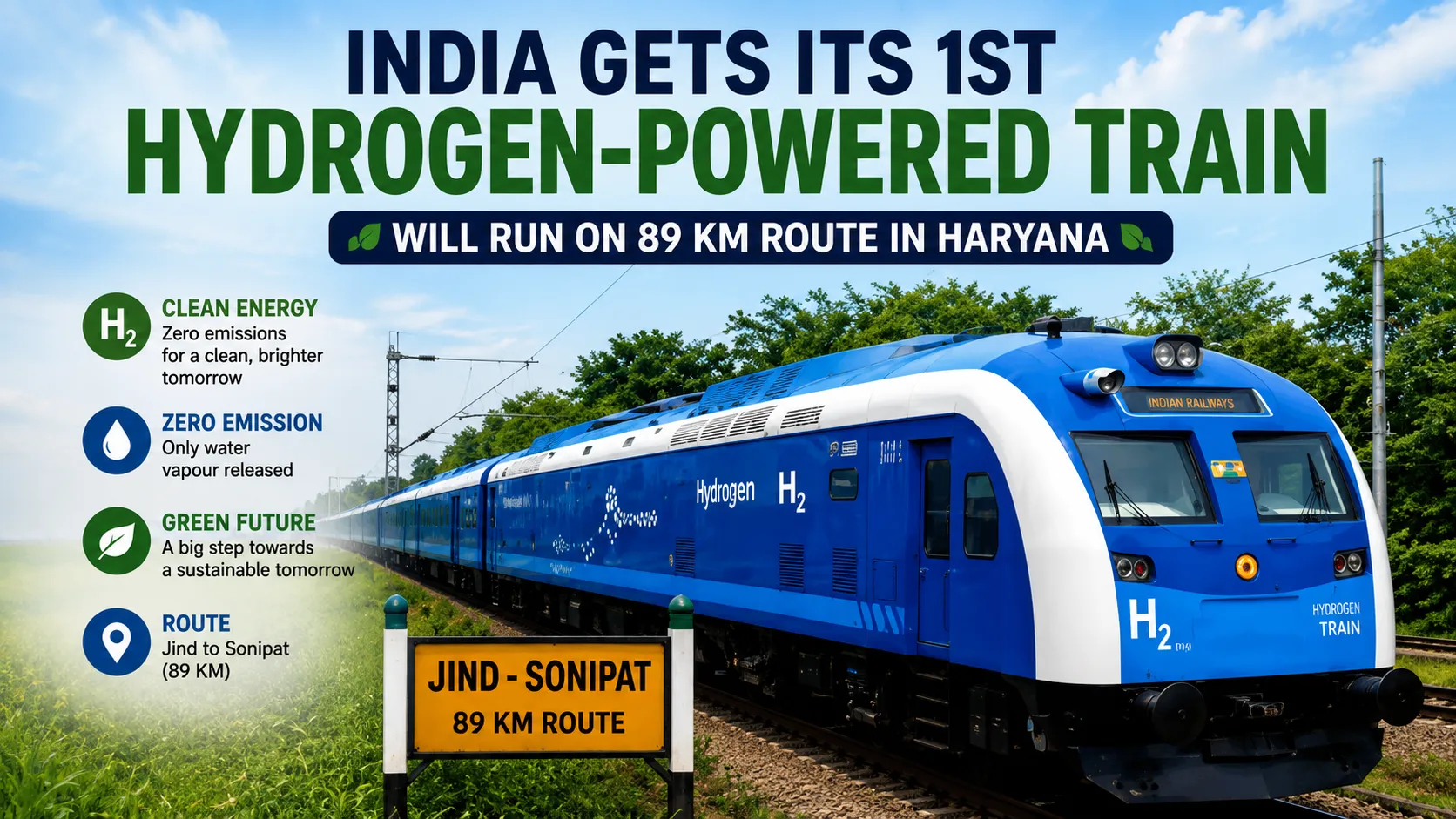
The ₹100/Kilo Breakthrough: How a Pune Startup Cracked the Green Hydrogen Equation, Hit a Billion‑Dollar Valuation, and Started a Global Race to $1

For as long as the hydrogen economy has been a dream, it has been defined by a single, brutal number: the cost of production. Green hydrogen—the kind made by splitting water molecules with renewable electricity—has historically cost between $4 and $6 per kilogram to produce. The number is too high to compete with fossil fuels in any industrial application, too high to justify the enormous infrastructure investments that a hydrogen economy would require, and too high to make the hydrogen fuel cell a viable alternative to the lithium‑ion battery in the electric‑vehicle market. The hydrogen dream has been trapped behind an economic wall, and the wall has been impenetrable for decades.

The Moon Is Now a Startup Market: How a Hyderabad-Based Robotics Company Just Won a $120 Million NASA Contract—And Is Building the Lunar Rovers of the Future
StartupsMay 31, 2026

The Moon Is Now a Startup Market: How a Hyderabad-Based Robotics Company Just Won a $120 Million NASA Contract—And Is Building the Lunar Rovers of the Future

In a modest industrial park on the outskirts of Hyderabad, behind a gate that bears no signage and a security guard who has been instructed to turn away visitors, a team of 87 engineers is building machines that will never operate on Earth. The machines are lunar rovers—autonomous, radiation‑hardened, designed to survive temperatures that swing from 127 degrees Celsius in the lunar day to minus 173 degrees in the lunar night. They are being built for NASA, which awarded the company—Aadyah Space Robotics, a startup that was founded in 2021 by three alumni of the Indian Institute of Technology Madras—a $120 million contract in March 2026 to design, build, and deliver a fleet of four rovers for the Artemis V mission, scheduled to land at the Moon's south pole in 2028.

The Healthtech IPO Wave: PharmEasy, HealthKart, and Lybrate Are All Filing to Go Public—Inside the ₹15,000 Crore Pipeline That's Finally Proving Digital Healthcare Can Make Money
TechMay 30, 2026

The Healthtech IPO Wave: PharmEasy, HealthKart, and Lybrate Are All Filing to Go Public—Inside the ₹15,000 Crore Pipeline That's Finally Proving Digital Healthcare Can Make Money

In the winter of 2022, PharmEasy was in trouble. The online pharmacy and diagnostics platform, which had raised over $1.5 billion from investors including TPG, Prosus, and Temasek, had borrowed heavily to finance the acquisition of its largest competitor, Medlife, and then again to acquire the diagnostic chain Thyrocare. The debt was substantial—approximately $300 million—and the company's path to repaying it was uncertain. The IPO that PharmEasy had filed for in 2021 had been withdrawn, a casualty of the market's post‑pandemic repricing of technology stocks. The company's valuation, which had peaked at over $5 billion, was being marked down by its own investors. The financial press was writing its obituary. The narrative was familiar: another Indian startup that had raised too much, spent too fast, and was now facing the consequences.

Load More Results