WomenMay 23, 2026
She Inherited a ₹7,000 Crore Crisis And Refused to Let Cafe Coffee Day Disappear
"Building a company creates success. Protecting it during collapse frequently reveals character."
"Building a company creates success. Protecting it during collapse frequently reveals character."
Kalaari Capital’s ₹4 report increasingly raises broader questions around startup networks, founder visibility and how access shapes entrepreneurial opportunity.
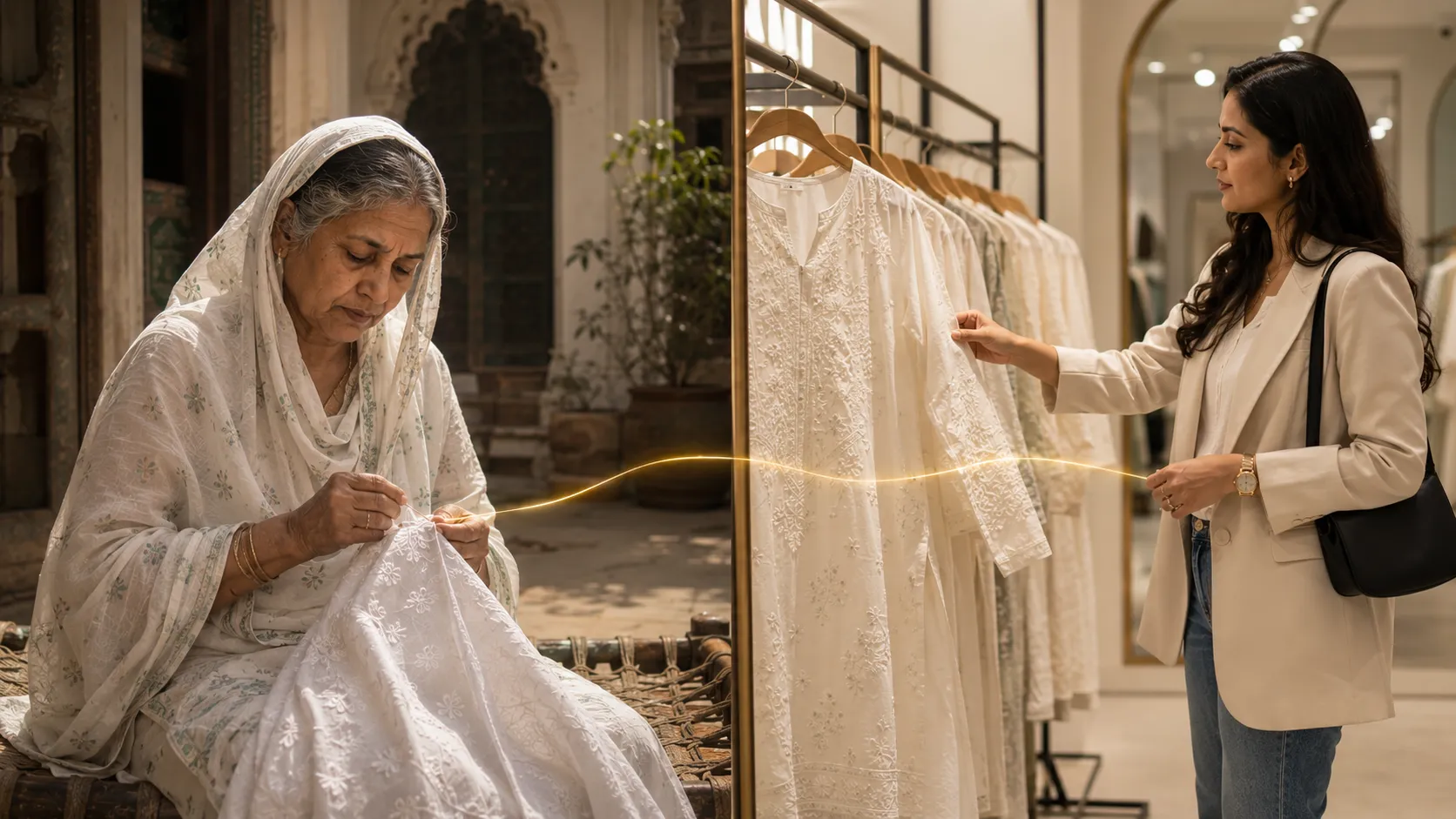
Aakriti Rawal was not supposed to be a fashion entrepreneur. She was a business school graduate with the kind of resume that leads to consulting firms and corporate strategy roles, not fabric swatches and artisan villages. Her mother, Poonam Rawal, was not supposed to be her co-founder. She was a homemaker who had spent decades watching the exquisite hand-embroidered chikankari of Lucknow slowly disappear from the world—replaced by machine-made imitations, devalued by middlemen, abandoned by the next generation of artisans who saw no future in a craft that paid pennies and offered no dignity.
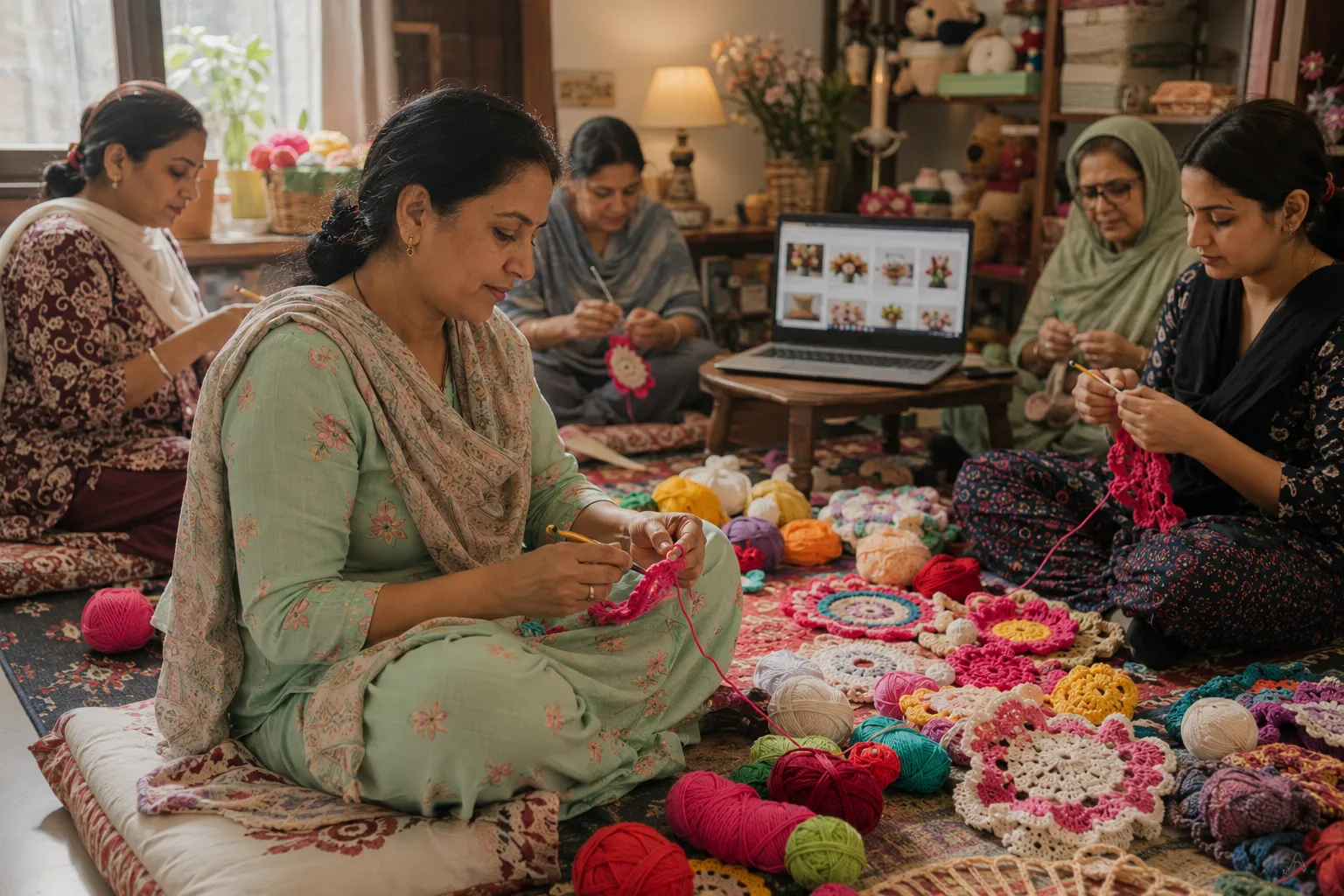
Vanshika Mittal was 18 years old when she launched her first business. It failed. She had tried selling paintings—art she had made herself, poured hours into, believed in. Nobody bought them. The rejection was total and, in retrospect, the most valuable thing that ever happened to her. It taught her, at an age when most of her peers were filling out college applications, that the market does not care how hard you worked. It cares whether you made something people want.
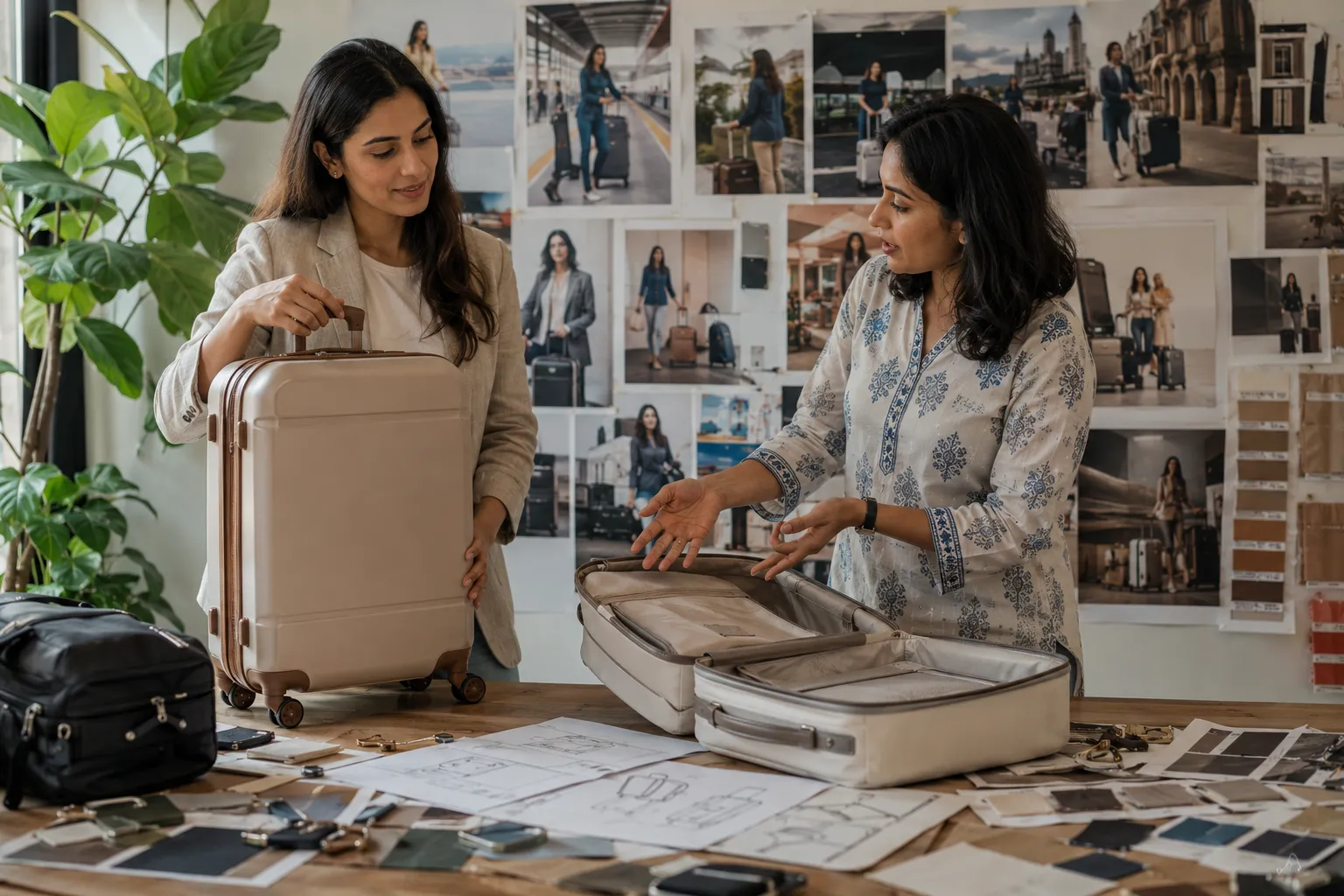
The global luggage industry has spent decades designing products for a single, unspoken default customer: a man. The handles are sized for male hands. The organisational logic assumes a certain kind of packing—suits, shoes, gadgets—that bears little resemblance to how most women actually travel. The colour palette—black, charcoal, dark navy—is the palette of the business-class aisle, designed by industrial engineers who have never tried to find a specific pair of earrings in a carry-on at 35,000 feet.
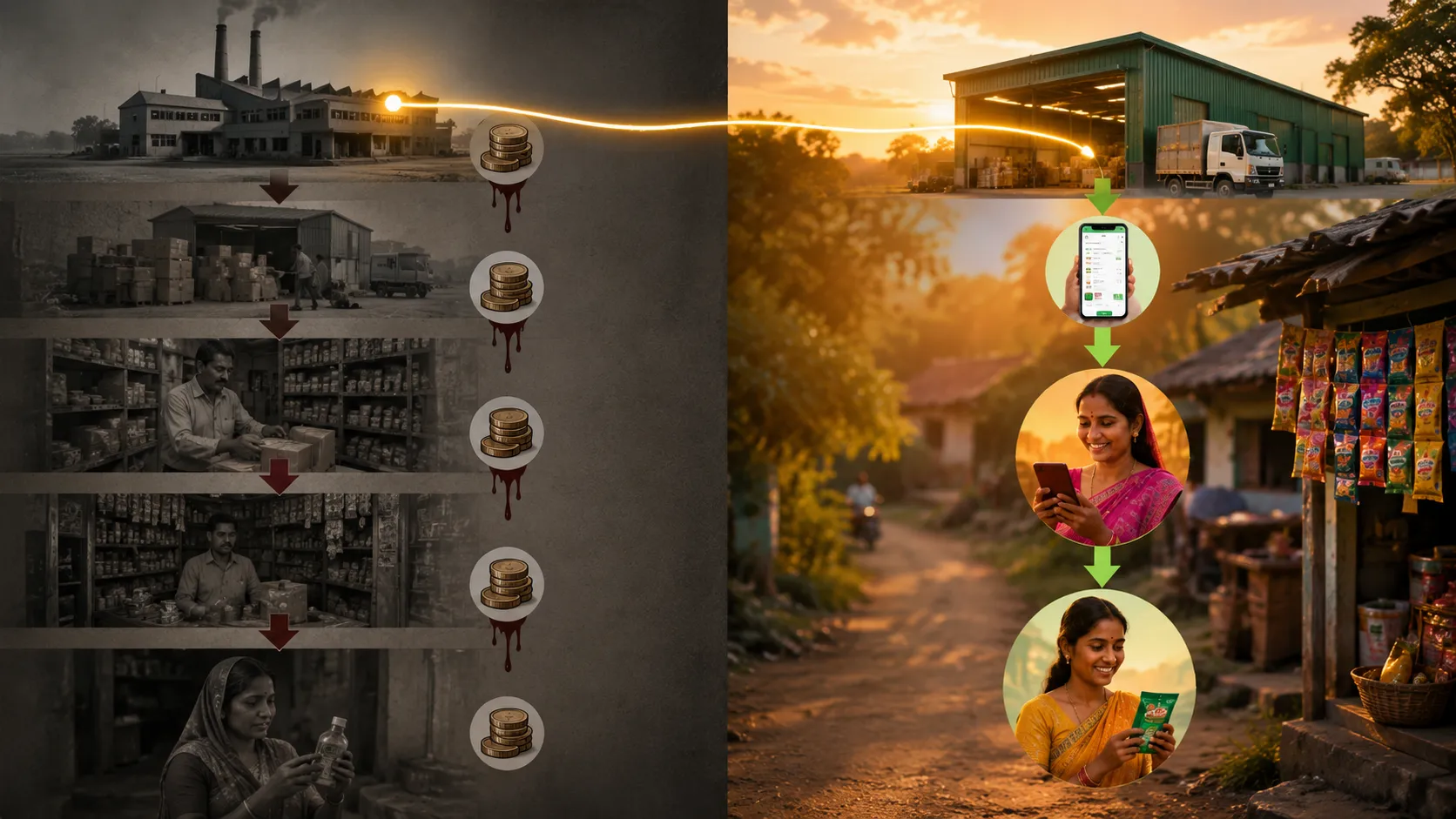
Ankur Dahiya has spent the past twelve months doing something that most FMCG executives would describe as commercially irrational. He has been selling shampoo, detergent, and cooking oil in single-use sachets priced at ₹5—roughly six cents—to customers in villages that are not connected by paved roads, in districts that do not appear on any consumer brand's growth map, through a network of women micro-entrepreneurs who had never sold anything before his company trained them.

Pee Safe’s latest funding round increasingly reflects a larger shift as women’s wellness brands evolve into one of India’s fastest-growing consumer categories.

A Vision Ahead of Its Time In the late 1970s, when India’s industrial landscape was dominated by traditional sectors like manufacturing and textiles, the idea of building a biotechnology company was almost inconceivable. Scientific entrepreneurship was rare, venture capital was nearly nonexistent, and women in leadership roles were even rarer. Yet, in this unlikely environment, Kiran Mazumdar-Shaw chose to build something the country had never seen before. What began as a small venture in a garage would eventually grow into Biocon — a global biopharmaceutical powerhouse that redefined India’s role in affordable healthcare and innovation.

New Delhi: Indra Nooyi stands as one of the most influential business leaders of the modern era, known for her transformative leadership and visionary approach during her tenure as Chairman and CEO of PepsiCo.
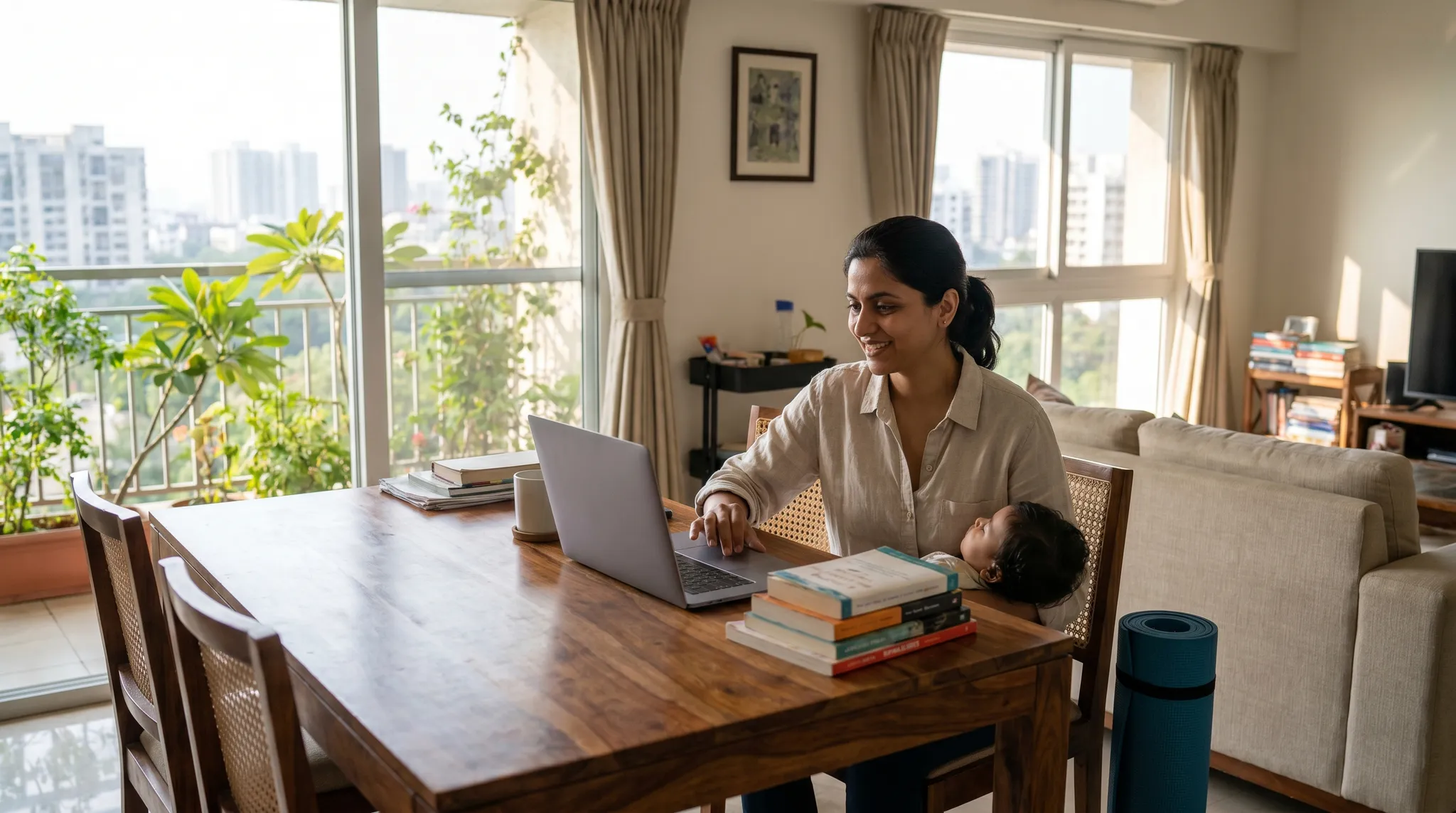
In a world where leadership has long been defined by authority and hierarchy, a new generation of women leaders is rewriting the narrative — leading not just with power, but with purpose, empathy, and vision.