FundingLatest Deals9 MIN READ

Women’s Wellness Brands Are Quietly Becoming One of India’s Strongest Consumer Funding Stories

Pee Safe’s latest funding round increasingly reflects a larger shift as women’s wellness brands evolve into one of India’s fastest-growing consumer categories.

By Nisha Omkumar · Author21 May 2026New
Women’s Wellness Brands Are Quietly Becoming One of India’s Strongest Consumer Funding Stories

A Category Once Viewed Narrowly Around Hygiene Is Beginning To Expand Into A Much Larger Consumer Opportunity

For years, women-focused hygiene categories frequently occupied a relatively limited position within India’s consumer landscape. Products involving menstrual care, intimate hygiene and personal wellness often existed inside narrowly defined retail segments where visibility frequently remained restricted and consumer conversations often operated around necessity rather than lifestyle or preventive wellbeing. Public discussions around women’s health frequently remained fragmented, while many categories continued functioning around under-addressed needs and cultural hesitation. As a result, businesses operating inside these spaces frequently remained outside larger venture conversations despite addressing everyday problems affecting millions of consumers.

Over recent years, however, another transition increasingly appears unfolding beneath India’s broader consumer ecosystem. Women’s wellness brands increasingly seem expanding beyond individual products and entering significantly wider categories involving preventive health, hygiene, intimate care, self-care and everyday wellbeing. Businesses that initially emerged through highly specific needs increasingly appear building broader consumer ecosystems around health and lifestyle behavior. What previously looked like niche product environments increasingly resembles a larger category built around changing consumer attitudes and stronger market participation.

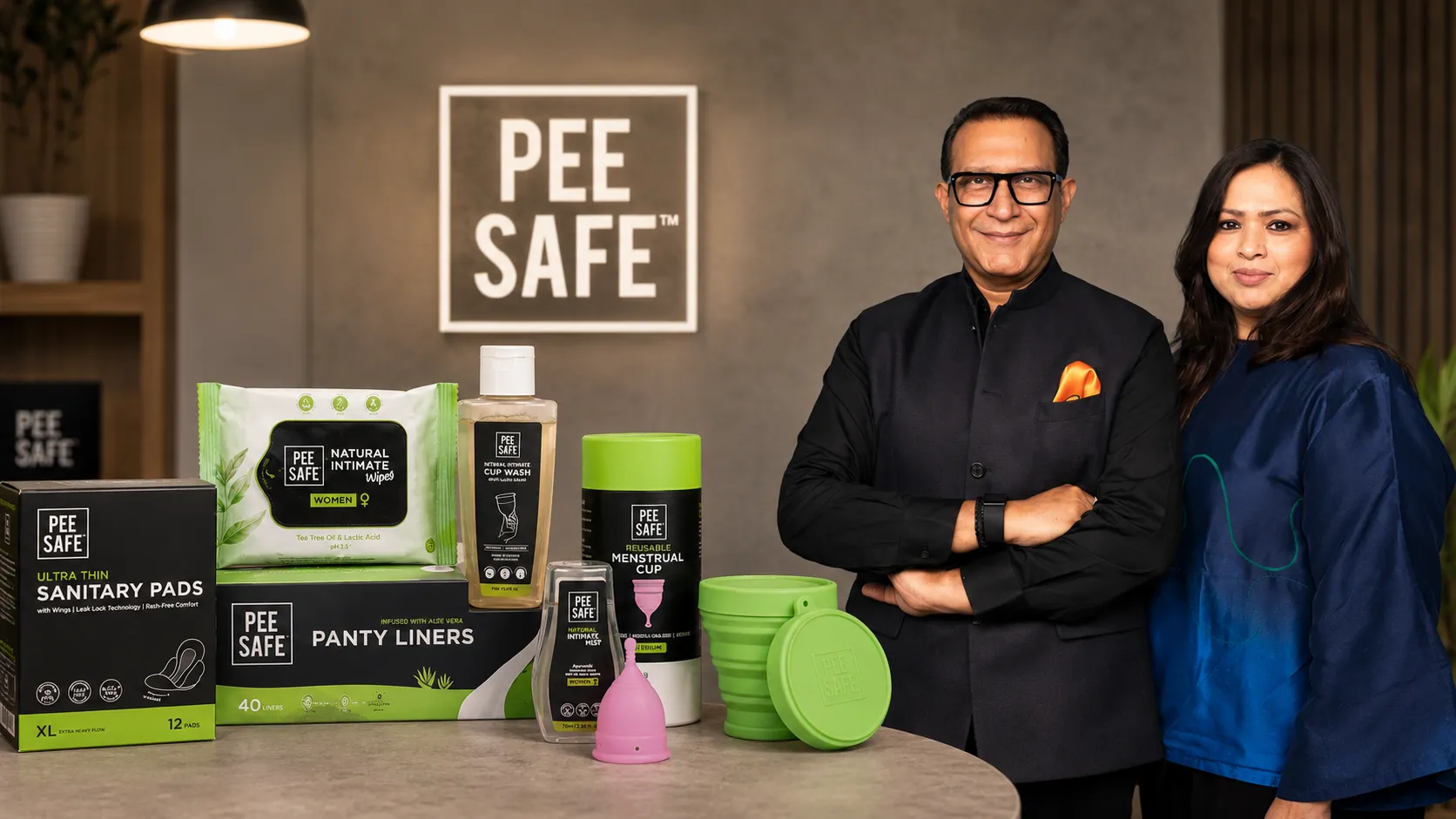
This broader shift increasingly matters because investor activity itself increasingly appears reinforcing the transition. Women’s hygiene and wellness brand Pee Safe recently raised $32 million in a Series C round led by OrbiMed, adding fresh momentum to a category increasingly attracting stronger institutional attention. The company, which originally gained recognition around toilet hygiene solutions before expanding into intimate hygiene, feminine wellness and personal care, reportedly scaled to more than 50,000 retail touchpoints across over 100 cities while crossing an annualized revenue run rate above ₹150 crore. The development increasingly suggests investors may now be viewing women-focused wellness categories not simply as consumer products but as larger long-term opportunities. 

Viewed independently, Pee Safe’s latest funding round may initially appear like another consumer-brand capital raise. Viewed through a broader funding and market lens, however, it increasingly resembles a larger story involving how investor priorities themselves may be evolving around categories previously considered underdeveloped.

Consumer Behavior Increasingly Appears To Be Expanding Beyond Beauty Into Broader Wellness Categories

Historically, large consumer funding conversations frequently concentrated around beauty, skincare and highly visible personal-care environments because these categories often demonstrated strong repeat purchasing behavior and broad consumer familiarity. Wellness categories addressing intimate health, preventive hygiene or women-specific concerns frequently remained comparatively less visible because awareness itself evolved gradually over time.

Increasingly, however, consumer behavior appears changing in meaningful ways. Younger audiences increasingly approach health and wellness through wider frameworks involving comfort, preventive care and long-term wellbeing rather than narrowly defined product categories. Simultaneously, digital platforms increasingly continue creating visibility around conversations previously considered less mainstream. As consumer awareness expands, businesses increasingly appear identifying opportunities around needs that historically remained underserved despite affecting very large populations.

This transition increasingly matters because consumer categories frequently become attractive to investors when behavior itself begins changing at scale. Categories involving menstrual health, intimate wellness and hygiene increasingly appear moving from occasional purchases toward repeat-use ecosystems capable of supporting stronger brand relationships over time. The broader significance increasingly suggests women’s wellness itself may increasingly be evolving from a category defined around products toward one increasingly shaped around lifestyle behavior and everyday routines.

"Some of the strongest consumer categories are often built not around trends, but around needs that existed long before markets noticed them."

Funding Activity Increasingly Appears To Reflect Confidence Around Category Creation

Part of the significance surrounding Pee Safe’s funding story increasingly involves what investors themselves appear signaling through capital allocation. Historically, many consumer startups frequently received investment because they entered already-established categories where market behavior and purchasing patterns appeared highly visible. Newer wellness businesses increasingly seem attracting attention because they often create categories rather than merely compete inside existing ones.

ChatGPT Image May 21, 2026, 02_29_27 PM.png

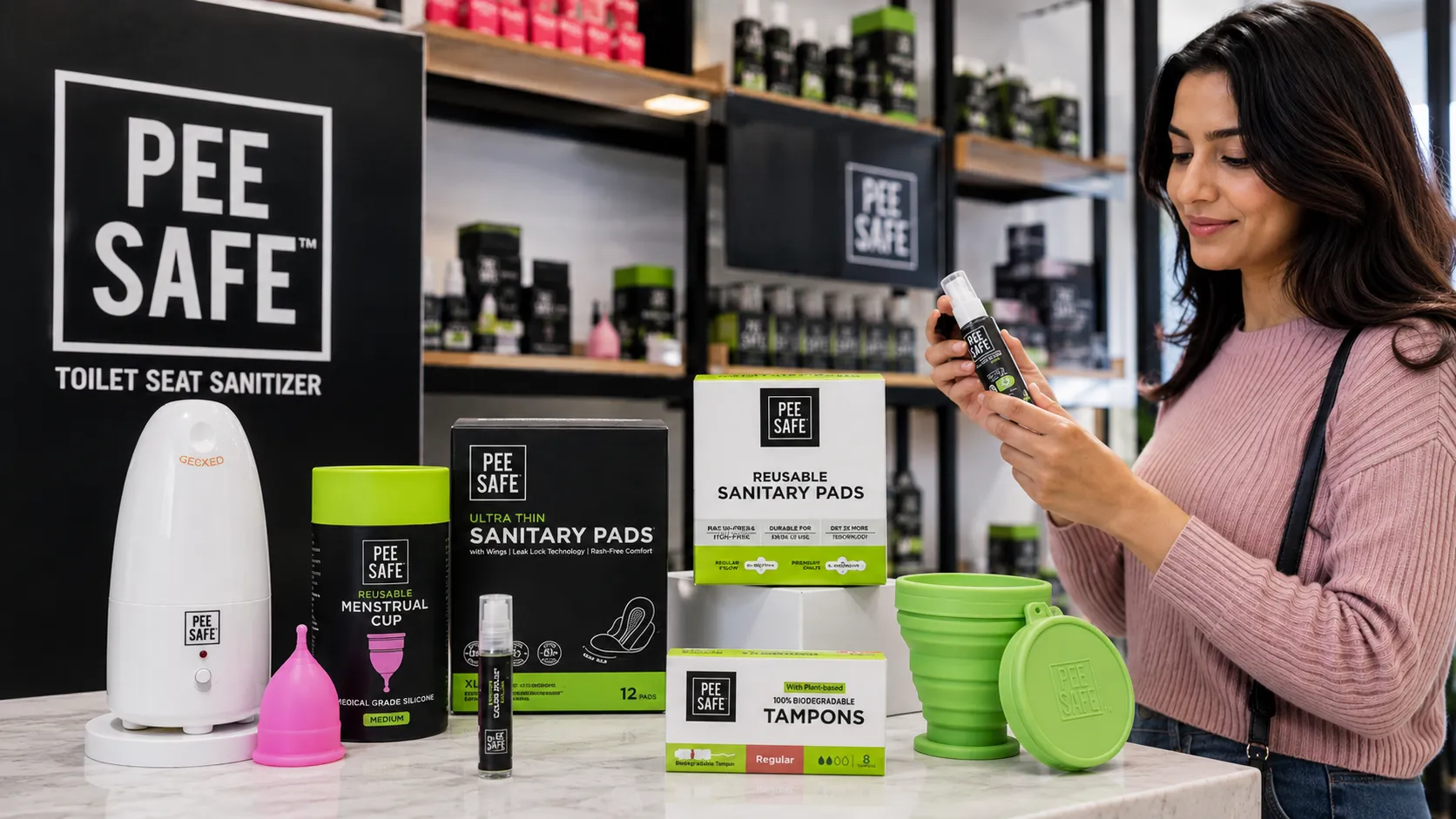
Pee Safe itself originally entered the market through toilet-seat hygiene products before gradually expanding toward broader wellness categories involving feminine hygiene, grooming and personal care. This evolution increasingly appears significant because businesses capable of expanding beyond single-product environments often create stronger consumer ecosystems and longer-term growth opportunities. Simultaneously, investors increasingly appear becoming selective around businesses demonstrating disciplined execution, omnichannel expansion and profitability rather than growth alone.

This increasingly matters because funding frequently reflects broader confidence around where markets themselves may be heading. Viewed through that broader lens, women’s wellness brands increasingly appear attracting capital not only because categories are growing but because consumer behavior itself increasingly supports sustained long-term demand.

Distribution And Digital Commerce Increasingly Appear To Be Accelerating Category Growth

Another important dimension emerging beneath women’s wellness funding momentum increasingly involves broader changes occurring across retail and distribution ecosystems. Historically, visibility frequently represented one of the largest challenges for many specialized consumer categories because products often depended upon physical shelf access and highly limited awareness channels.

Increasingly, however, digital ecosystems increasingly appear reshaping those pathways. Ecommerce, quick-commerce environments and omnichannel models increasingly create opportunities allowing wellness brands to reach consumers directly across multiple touchpoints simultaneously. Discovery itself increasingly appears happening through creators, digital communities and consumer-led conversations rather than traditional retail structures alone.

This transition increasingly matters because infrastructure frequently influences category creation itself. Businesses increasingly build consumer trust through visibility, education and convenience simultaneously. The broader significance increasingly suggests women’s wellness growth increasingly depends not simply on product innovation but also on environments capable of making conversations and access easier than earlier systems allowed.

The Larger Story Increasingly Extends Beyond One Funding Round Alone

The broader significance surrounding Pee Safe and similar businesses may ultimately involve what they reveal regarding how India’s consumer ecosystem itself increasingly evolves. Historically, several highly visible startup sectors attracted investment because they represented obvious opportunities around technology and scale. Increasingly, however, investors appear identifying opportunities within categories involving everyday behavior, recurring use and underserved consumer realities.

Viewed through a broader lens, women’s wellness funding increasingly resembles more than a consumer-brand story. It increasingly appears connected to larger realities involving changing social attitudes, broader healthcare awareness and evolving ideas surrounding preventive wellbeing itself.

The larger funding story therefore may not simply involve another Series C round or another wellness brand raising capital. Increasingly, it may involve recognizing that some of India’s strongest consumer opportunities may emerge from categories people previously overlooked but increasingly can no longer ignore.

TagsPee SafeWomen’s WellnessConsumer FundingStartup FundingFemTechHygieneHealthcareD2CConsumer BrandsVenture CapitalIndia StartupsLatest DealsMarket DataWellnessBusiness

Reader reviews

Sign in to rate and review this article.
Loading reviews…