
DeepSeek’s Funding Talks Could Create China’s Next AI Powerhouse
DeepSeek’s reported fundraising talks signal more than a major capital raise — they reflect intensifying competition across global AI markets. As artificial intelligence becomes increasingly capital-intensive, access to infrastructure and long-term funding may define the next generation of industry leaders.
Market Intelligence Dashboard
Elevated risk in EMEA fintech corridor.
Stalling across non-sovereign clouds.
Neutralizing after Q3 shakeup.
Pre-IPO consolidations intensifying.
Intelligence Feed
The Analysis Hub
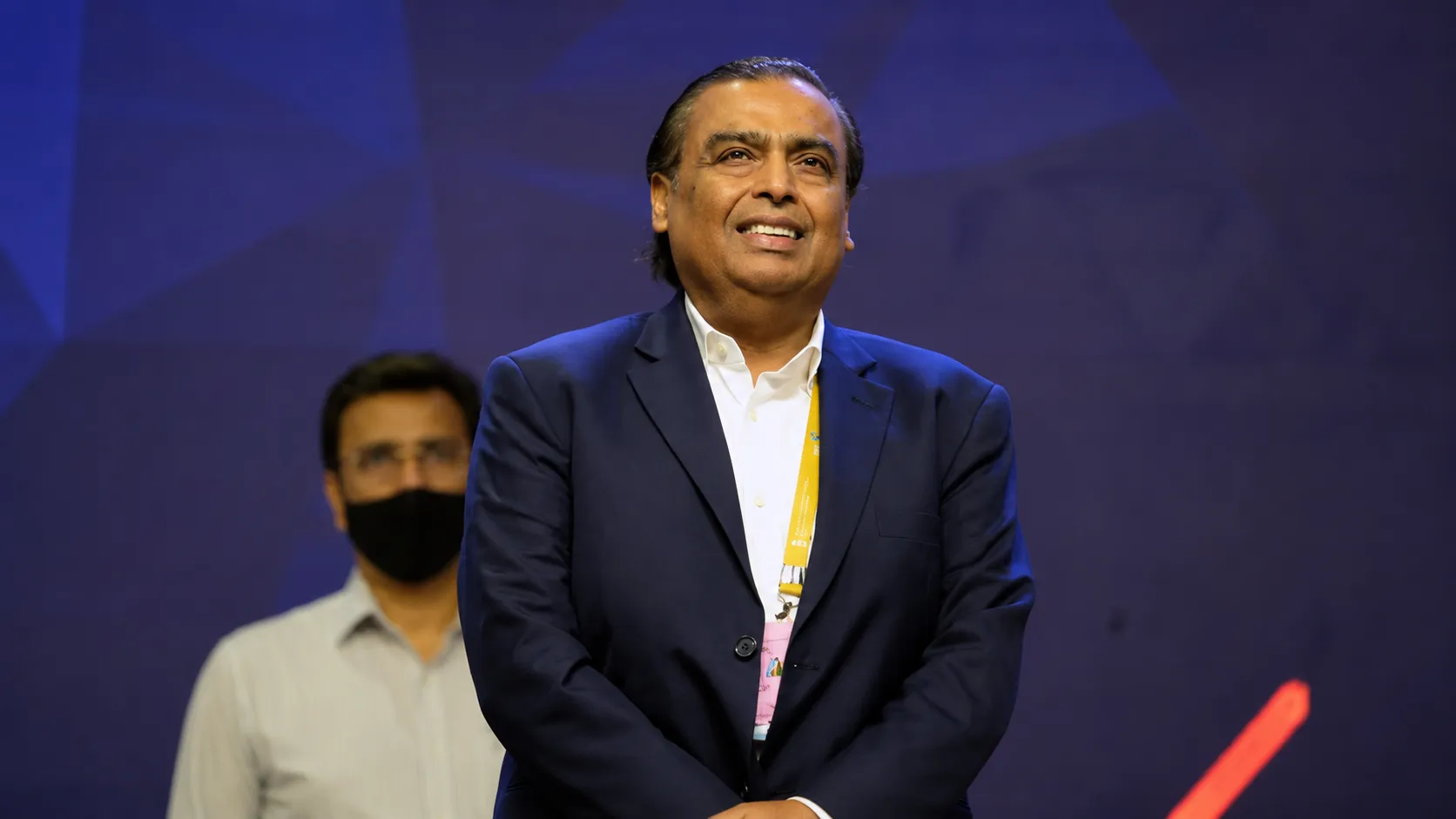
Refined Resilience: How Reliance's O2C Business Turned History's Biggest Energy Shock Into Growth
Even as Brent crude averaged over $104 a barrel through Q1 FY27 amid Middle East supply disruptions, Reliance's Oil-to-Chemicals segment grew EBITDA 17.2 per cent, a performance management...
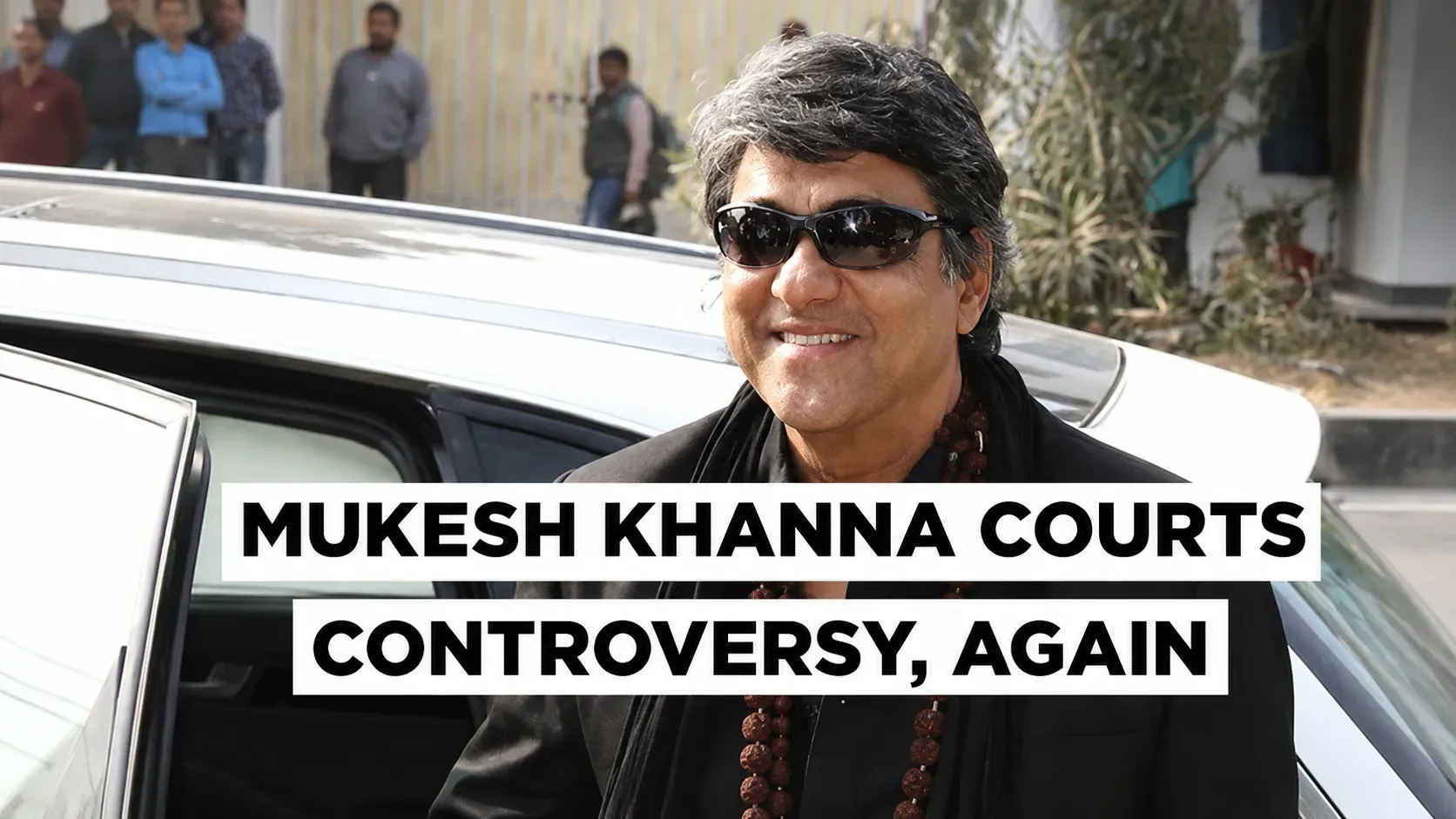
The Exit, The Investment & The Controversy: June 22 Wraps Up as a Day of High Stakes in Indian Entertainment and Tech
As the sun set on June 22, 2026, the Indian entertainment and startup ecosystem had witnessed a day of dramatic contrasts. In Hyderabad, a Bollywood superstar made a virtual court appearance in a case that has haunted him for over a year. On a streaming platform, a Bollywood actress delivered a sharp rebuttal that went viral, challenging outdated stereotypes. In the corporate world, a gaming giant deepened its commitment to India's burgeoning ecosystem with a strategic investment. Meanwhile, a stark reality check emerged from Bengaluru, where a promising deep-tech startup, unable to find the support it needed, packed up and moved to San Francisco. From courtroom dramas to funding rounds, from viral moments to difficult exits, the day's news painted a picture of an industry at a fascinating crossroads.
The 11,000-Film Bridge to Beijing: Inside Eros International's Landmark iQIYI Content Deal—And the $1 Billion Library Sale That Could Redefine the Global Market for Indian Cinema
In September 2018, in a conference room in Mumbai, the executives of a company that had spent four decades building the world's largest library of Indian cinema signed a document that would, in retrospect, become the foundation of Bollywood's entire streaming strategy in China. Eros International—the distributor, producer, and streaming platform that owns or controls the rights to more than 11,000 Indian films spanning Hindi, Tamil, Telugu, Malayalam, and every other major language of the subcontinent—had just concluded a content-licensing agreement with iQIYI, the Baidu-owned streaming giant often described as the "Netflix of China." The deal, the companies announced, would make Eros Now "the first South Asian OTT player to make inroads into the Chinese digital space." iQIYI, which at the time claimed over 500 million monthly active users, would begin streaming titles from Eros's catalogue—from Shah Rukh Khan's Devdas to Salman Khan's Dabangg—to Chinese audiences who had demonstrated, through the theatrical success of films like Dangal (₹1,200 crore in China alone) and Secret Superstar, an extraordinary appetite for Indian cinema. The financial terms were not disclosed, but Eros International CEO Kishore Lulla told Reuters at the time that the company was "targeting about US$10 million in revenue in the first year through this deal."