Magazine10 MIN READ

India's Auto Industry Clocks Its Best-Ever Q1 As Passenger Vehicle Sales Surge 25.9% Year-On-Year

India's auto industry clocks its best-ever Q1 FY27, with passenger vehicles up 25.9%, commercial vehicles 18.3%, two-wheelers 20.3% and three-wheelers 29.7% YoY.

By Nisha Omkumar · Author20 July 2026
India's Auto Industry Clocks Its Best-Ever Q1 As Passenger Vehicle Sales Surge 25.9% Year-On-Year

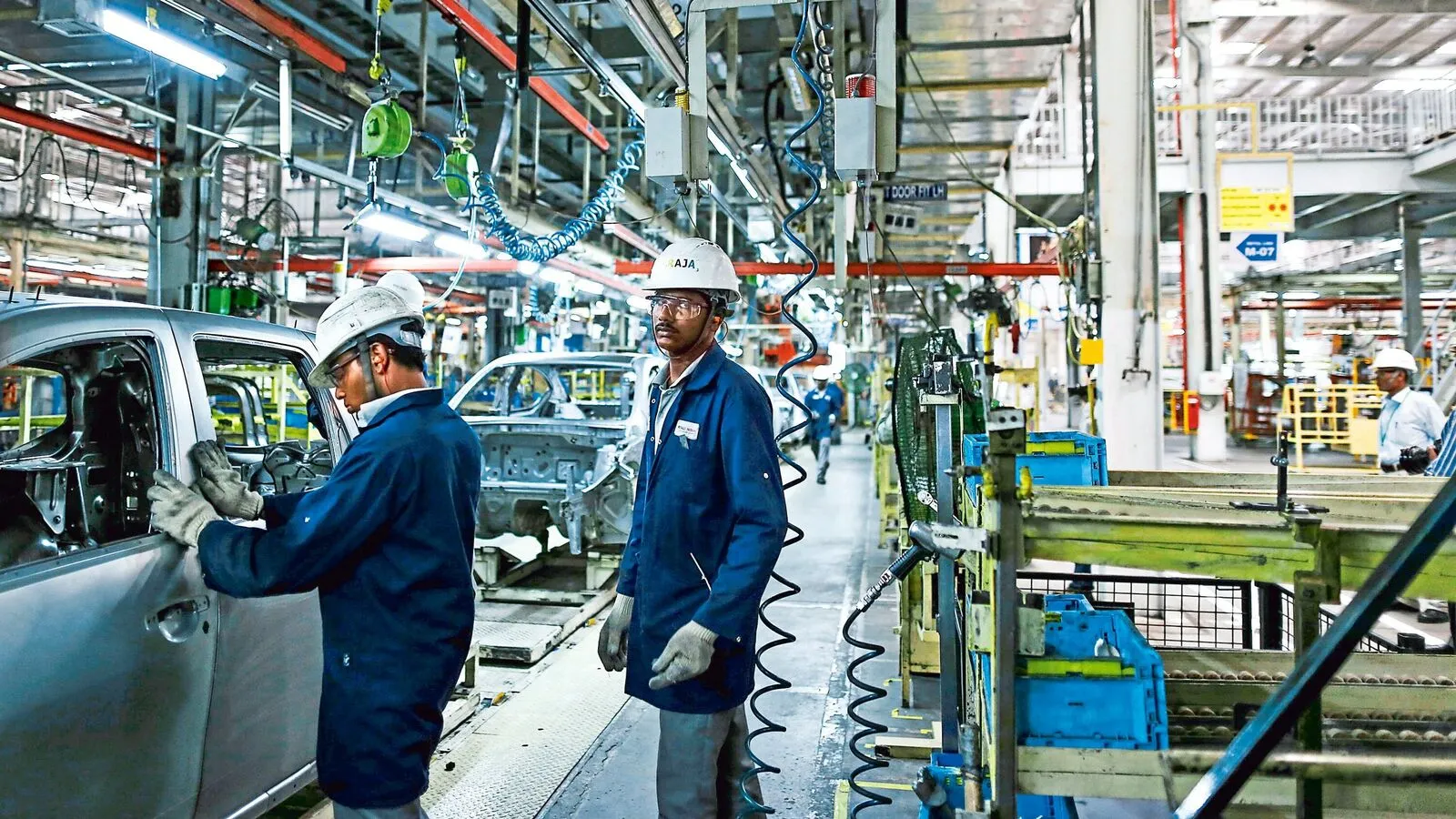
India's automobile industry has delivered its strongest-ever first-quarter performance on record, with sales data for Q1 FY27 — the April-to-June period — revealing broad-based, double-digit growth across virtually every vehicle segment tracked by industry bodies. Passenger vehicle sales surged 25.9 per cent year-on-year, commercial vehicles rose 18.3 per cent, two-wheelers climbed 20.3 per cent, and three-wheelers posted the strongest growth of all at 29.7 per cent, painting a picture of an industry firing on all cylinders simultaneously — a rare and telling alignment that speaks to the underlying strength of both consumer sentiment and business investment activity across the country.

The breadth of this growth is arguably as significant as its magnitude. In many previous strong quarters for India's auto sector, growth has tended to be concentrated in one or two segments — passenger vehicles surging while two-wheelers lag, for instance, or commercial vehicles outperforming amid an infrastructure spending cycle while personal mobility segments stay muted. This quarter's numbers break that pattern decisively. Every single segment of India's automobile industry — from two-wheelers to three-wheelers to passenger cars to heavy commercial vehicles — posted double-digit growth in the same quarter, an alignment that industry analysts describe as a rare and telling signal of confidence running simultaneously through household consumption, small business investment, and larger commercial fleet expansion.

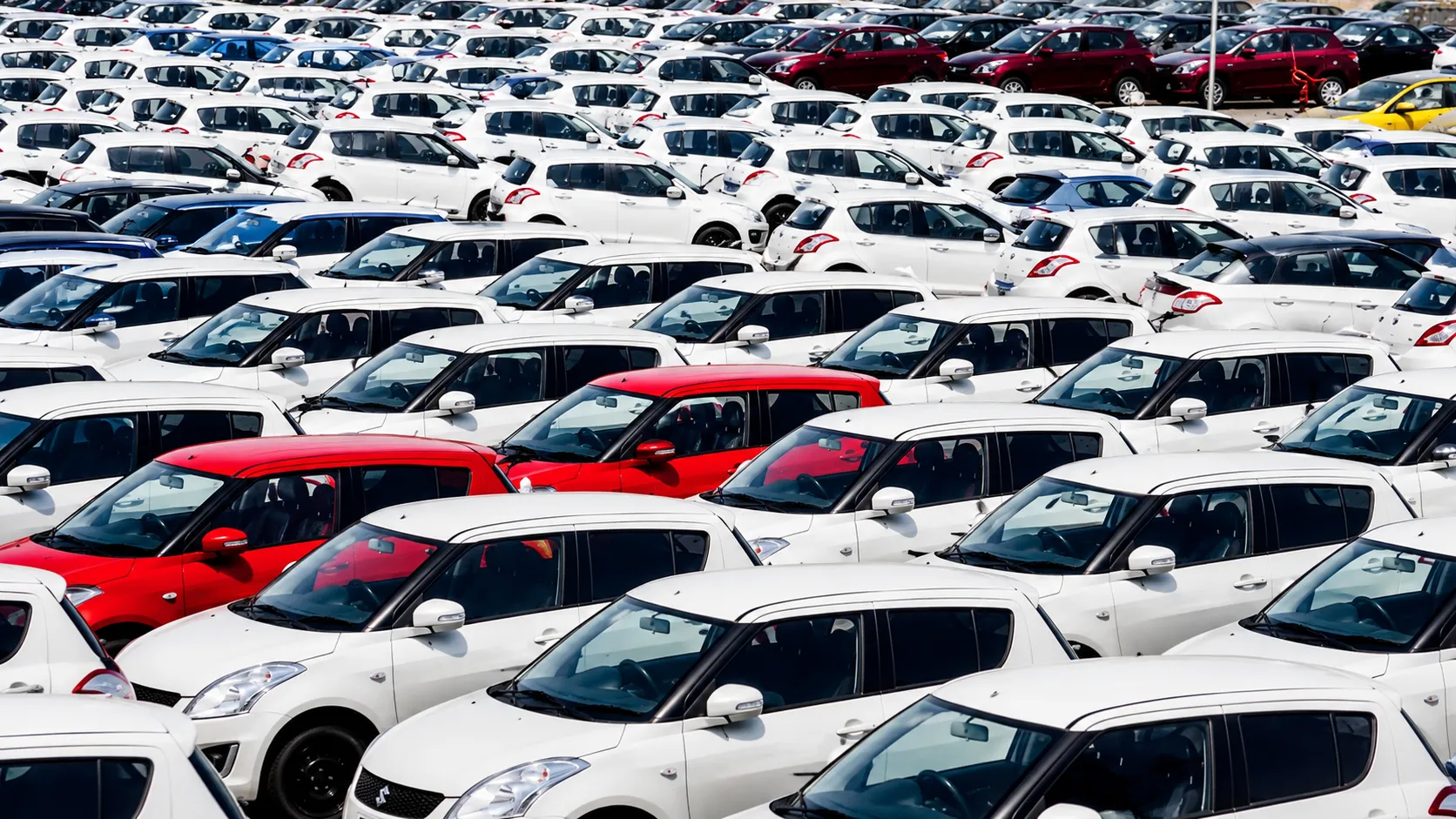
Passenger vehicle sales, the most closely watched segment given its outsized share of industry revenue and its sensitivity to discretionary consumer spending, posted the headline number of the quarter with growth of 25.9 per cent year-on-year. Industry watchers attribute this surge to a combination of factors: pent-up replacement demand from ageing vehicle fleets, an expanding range of new model launches across price points, continued strength in SUV demand which now commands a majority share of new car sales in India, and improving financing conditions as interest rates have stabilised following the Reserve Bank of India's recent monetary policy easing cycle. The passenger vehicle segment has also benefited from steadily improving consumer sentiment tied to strong Q1 FY27 corporate earnings and resilient urban employment trends, both of which tend to translate fairly directly into showroom footfalls for India's large, aspiration-driven car-buying middle class.

Two-wheelers, historically the most reliable bellwether of rural and semi-urban consumption given their dominant share of personal mobility in those markets, posted growth of 20.3 per cent — a particularly encouraging figure given how closely this segment tracks broader rural income trends, agricultural output, and discretionary spending capacity in India's vast non-metro markets. A strong two-wheeler quarter typically signals that rural demand, which has at various points over the past several years lagged urban consumption trends, is finally participating meaningfully in the broader economic upcycle. Combined with reasonably favourable monsoon conditions supporting agricultural incomes this year, the two-wheeler segment's performance offers a reassuring data point for economists tracking the health of India's rural economy.
ChatGPT Image Jul 20, 2026, 01_48_18 PM.png

Commercial vehicles, up 18.3 per cent, provide perhaps the clearest read-through into the state of business investment and logistics activity across the economy. This segment tends to be highly sensitive to infrastructure spending, e-commerce logistics expansion, and overall industrial activity, since fleet operators and businesses generally only commit to new vehicle purchases when they have visibility into sustained demand for freight and passenger transport. The strong commercial vehicle growth this quarter aligns closely with continued government infrastructure spending, ongoing highway and logistics corridor expansion, and the steady formalisation of India's freight and logistics sector, which has increasingly shifted toward organised fleet operators away from fragmented, informal trucking operations.

Perhaps the most striking figure of all, however, was the 29.7 per cent surge in three-wheeler sales, a segment closely tied to last-mile mobility, urban commercial transport, and increasingly, the electric vehicle transition sweeping through India's paratransit sector. Three-wheelers have emerged as one of the fastest-growing segments for electric vehicle adoption in India, driven by favourable unit economics for commercial operators, supportive state-level EV policies, and the segment's natural fit for short-distance, high-utilisation urban routes where electric powertrains deliver the clearest cost advantages over internal combustion alternatives.

That EV thread runs through the broader auto sales story as well. Electric vehicles accounted for 12 per cent of India's total vehicle sales in June alone, with overall EV registrations reaching a record 3.06 lakh units for the month — a milestone that underscores just how quickly electric mobility has moved from a niche, policy-subsidised segment to a meaningful and rapidly scaling share of India's overall vehicle market. This EV growth spans passenger vehicles, two-wheelers and three-wheelers alike, supported by an expanding charging infrastructure network, falling battery costs, and a steadily widening range of electric model options from both established automakers and newer, EV-focused entrants competing aggressively on price and range.

For India's broader economy, the auto sector's record Q1 performance carries significance well beyond the industry itself. Automobile manufacturing remains one of India's largest employment-generating sectors, with an extensive ancillary ecosystem of component manufacturers, dealerships, financing companies and after-sales service networks that together support millions of livelihoods across the country. A quarter of broad-based, double-digit growth across every segment therefore functions as a genuinely comprehensive proxy for consumer and business confidence — arguably a more reliable real-economy indicator than headline stock market performance, since vehicle purchases represent significant, considered financial commitments by households and businesses rather than the more sentiment-driven flows that characterise equity markets.

Looking ahead, industry executives and analysts will be watching closely to see whether this momentum can be sustained through the rest of financial year 2026-27, particularly as the outcome of India's ongoing trade negotiations with the United States could have meaningful implications for auto component exports and input costs tied to imported materials. Festival season demand later in the calendar year, typically the strongest period for vehicle sales in India, will offer the next major test of whether this quarter's exceptional breadth of growth represents a durable new baseline for the industry or a particularly favourable confluence of cyclical factors. For now, though, India's auto industry has delivered an unambiguous, across-the-board signal that both its urban and rural consumer base, and its commercial and business customers, are spending with a confidence not seen in recent memory.
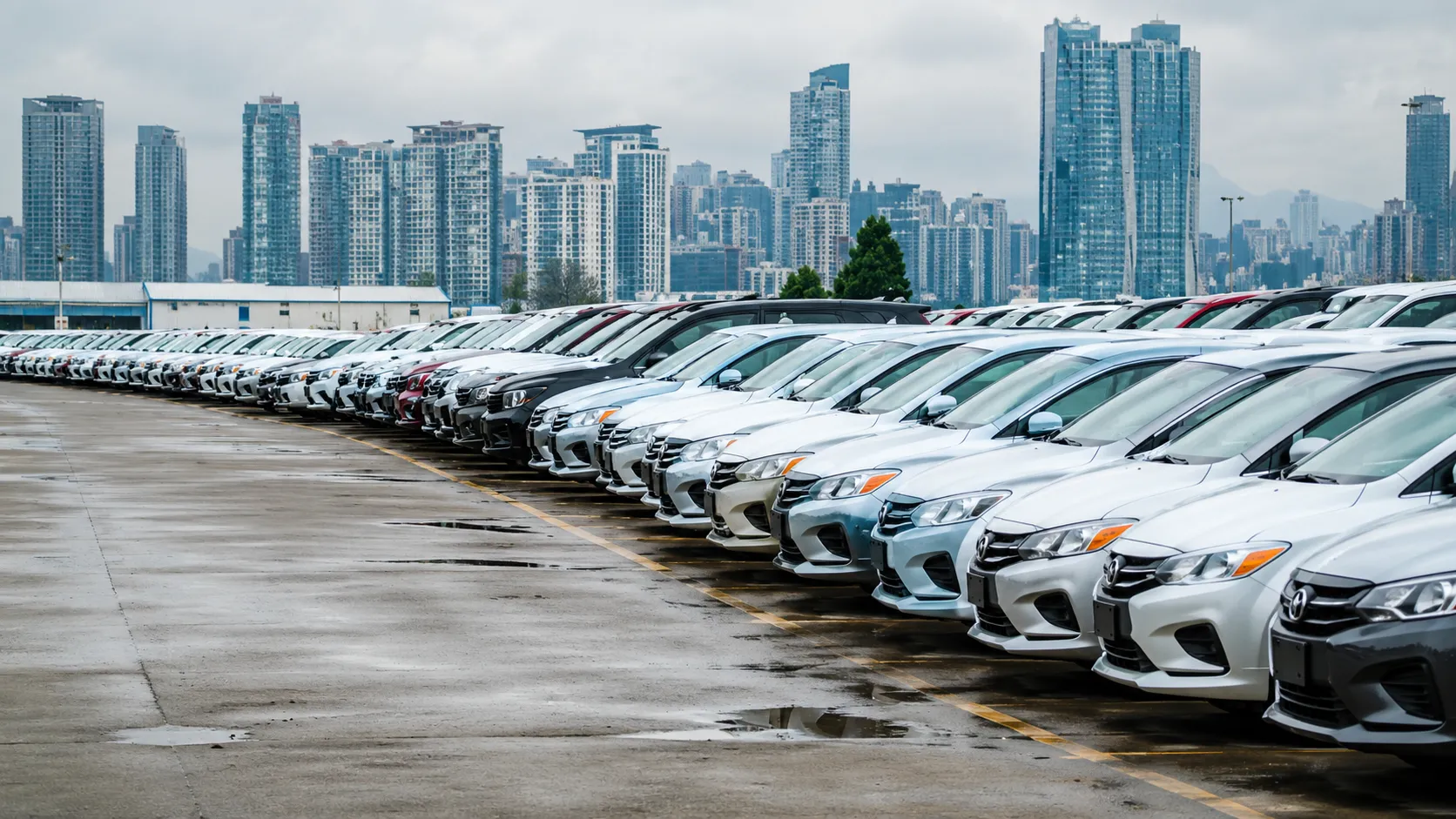

Every single segment of India's automobile industry — from two-wheelers to three-wheelers to passenger cars to heavy commercial vehicles — posted double-digit growth in the same quarter, a rare and telling alignment of consumer and business confidence.
The Impactful Global Indian Business Desk

Placed alongside global automotive trends, India's performance this quarter stands out for its balance. Several of the world's largest automobile markets, including China, have in recent quarters seen growth concentrated overwhelmingly in electric and new-energy vehicles even as traditional internal combustion vehicle sales stagnate or decline, creating a bifurcated market that has complicated planning for legacy automakers worldwide. India's Q1 FY27 numbers, by contrast, show strong growth across both electric and conventional powertrains simultaneously — a reflection of a market still in the relatively early stages of vehicle ownership penetration, where rising overall demand is lifting both segments together rather than one cannibalising the other. That dynamic gives Indian automakers, many of whom are simultaneously investing in electric vehicle platforms while continuing to expand their internal combustion engine and hybrid line-ups, a somewhat more comfortable transition runway than manufacturers in markets where the shift to electric mobility has been more abrupt and disruptive to existing product portfolios.

The rural consumption angle embedded within the strong two-wheeler numbers merits particular attention from economists and policymakers alike. Rural India accounts for a disproportionately large share of two-wheeler ownership relative to passenger vehicles, making two-wheeler sales one of the more reliable proxies available for tracking discretionary spending capacity outside India's major metropolitan centres. This quarter's 20.3 per cent growth in the segment arrives on the back of broadly favourable monsoon conditions across major agricultural states, which typically translate into stronger farm incomes and, with a modest lag, into stronger rural consumer spending on items ranging from consumer durables to personal mobility. Should this pattern hold through the remainder of the agricultural cycle, economists expect it to provide a meaningful tailwind not just for the auto sector but for rural-facing consumer goods companies more broadly, many of which have flagged rural demand recovery as a key swing factor in their own Q1 FY27 earnings commentary this season.

Financing conditions have also played a supporting role in this quarter's exceptional numbers. The Reserve Bank of India's recent monetary policy stance, which has prioritised supporting growth momentum alongside its inflation management mandate, has helped keep vehicle loan interest rates at levels that continue to support affordability for both individual buyers and commercial fleet operators. Non-banking financial companies and captive auto-finance arms of major manufacturers have reported healthy loan disbursement growth through the quarter, with delinquency rates remaining broadly stable — an important signal that this surge in vehicle purchases is being underpinned by genuine, serviceable demand rather than a build-up of unsustainable consumer leverage. As India's auto industry heads into the traditionally stronger second half of the fiscal year carrying this rare, broad-based momentum across every major segment, the sector finds itself in perhaps its strongest overall position in several years — one that will be closely watched as a bellwether for the health of the wider Indian economy through the rest of 2026.

For component manufacturers and ancillary suppliers feeding into India's automobile value chain, this quarter's volume surge translates directly into higher capacity utilisation and, in many cases, renewed investment in expansion. The auto components industry, which employs a vast workforce across foundries, forging units, electronics assemblers and precision machining operations concentrated heavily in manufacturing clusters such as Pune, Chennai and the National Capital Region, tends to experience an amplified version of whatever demand signal the finished-vehicle segment generates, since component orders must scale up ahead of actual vehicle production to keep assembly lines supplied without interruption. Executives across this ancillary ecosystem have described the current order visibility as among the strongest in several years, prompting several mid-sized component makers to announce fresh capacity expansion plans specifically timed to capture what they anticipate will be a sustained, rather than merely quarterly, uptick in underlying vehicle demand. Dealership networks, too, have reported healthy inventory turnover this quarter, a detail industry analysts consider particularly reassuring since it indicates that the reported wholesale sales figures — the numbers manufacturers dispatch to dealers — are being matched by genuine retail sell-through to end consumers, rather than reflecting an unsustainable build-up of unsold inventory sitting on dealer lots that could eventually force painful discounting and production cutbacks in subsequent quarters.

ChatGPT Image Jul 20, 2026, 01_42_15 PM.png

Taken as a whole, this quarter's numbers offer a rare, unambiguous good-news story for an economy that has, in recent years, grown accustomed to parsing mixed and sometimes contradictory economic signals. Automobile sales, precisely because they cut across income groups, geographies and use-cases — from a first-time two-wheeler buyer in a small town to a large logistics company adding heavy trucks to its fleet — offer a uniquely comprehensive read on the state of the Indian economy's underlying health. That every single one of those segments posted double-digit growth in the same quarter is being treated by economists and industry watchers alike not merely as a strong quarter for a single sector, but as one of the clearer, more encouraging signals yet that India's broader consumption and investment cycle has genuinely turned a corner heading into the second half of financial year 2026-27. Whether the coming festival season builds meaningfully on this base, or simply consolidates it, the record set this quarter will remain the benchmark against which the rest of the automobile industry's financial year is measured. Manufacturers, component suppliers, dealers and financiers across the value chain will spend the next several months working to determine whether Q1 FY27 was the start of a genuinely new, higher demand plateau for Indian mobility, or an unusually strong quarter that the industry will spend the rest of the year trying to match — and either way, this quarter's numbers will be remembered as the moment India's automobile industry, across every segment and every corner of the country, moved in unmistakable, unified lockstep. Few economic indicators offer that kind of clean, comprehensive read, which is precisely why this particular quarter's results are likely to be cited repeatedly in the months ahead as evidence of just how broad-based India's current growth cycle has become.

TagsAutoIndustryIndiaCarSalesIndiaEVIndiaPassengerVehiclesTwoWheelerSalesIndianAutoSectorQ1FY27MakeInIndiaAutomobileIndustryIndiaEconomy2026

Reader reviews

Sign in to rate and review this article.
Loading reviews…

More from TIGI

The ₹7 Lakh vs. ₹45 Lakh Question: How the Telangana Theatre War Became a Battle for the Soul of Indian Cinema
Magazine

The ₹7 Lakh vs. ₹45 Lakh Question: How the Telangana Theatre War Became a Battle for the Soul of Indian Cinema

On the morning of May 28, a press note issued by the Telangana State Film Chamber of Commerce landed in the inboxes of journalists across the country, and the single-sentence announcement it contained—"The old rental system in theatres will be completely abolished from July 3"—was the culmination of a war that had been building for nearly four decades. The war was not fought between stars and studios, or between producers and directors, or between any of the glamorous combatants who dominate the business pages of the entertainment press. It was fought between the people who own the screens and the people who make the films, and it was fought over a question so fundamental that the industry had never thought to ask it: when a film earns a rupee at the box office, who deserves to keep it?

The Thalaivar's Trillion: How Rajinikanth Built a ₹1,200 Crore Empire on Style, Devotion, and One Signature Flick
Magazine

The Thalaivar's Trillion: How Rajinikanth Built a ₹1,200 Crore Empire on Style, Devotion, and One Signature Flick

He is the only Indian actor whose fans bathe his cutouts with milk. The only one whose film releases are treated as festivals, with state holidays declared and tickets selling for ₹5,000 on the black market. The only one who, at 75, commands a per-film fee of ₹200 crore – the highest in Indian history. And the only one who has never needed a pan-Indian strategy, because he has always been universal. Rajinikanth – or simply "Thalaivar" (The Leader) to his millions of devotees – has an estimated net worth of ₹1,200 crore (approximately $145 million) , making him the wealthiest actor in South India and second only to Shah Rukh Khan nationally. His brand valuation, according to Kroll 2025, is $180 million . He owns a production house (V Creations, run by his son-in-law), a sprawling real estate portfolio, a fleet of vintage cars, and the unwavering loyalty of a generation. But the numbers are almost besi

The Prince of Tollywood: How Mahesh Babu Built an ₹850 Crore Kingdom on Silence, Selectivity, and SS Rajamouli
Magazine

The Prince of Tollywood: How Mahesh Babu Built an ₹850 Crore Kingdom on Silence, Selectivity, and SS Rajamouli

In an industry that glorifies speed — four films a year, constant social media chatter, relentless brand visibility — Mahesh Babu has chosen the opposite path. He makes one film every two years. He posts on Instagram once a week (if that). He endorses fewer than a dozen brands at a time. And yet, when Sarkaru Vaari Paata crossed ₹100 crore in four days in 2022, or when the mere announcement of his collaboration with SS Rajamouli broke the internet, the world was reminded of a simple truth: scarcity creates value.