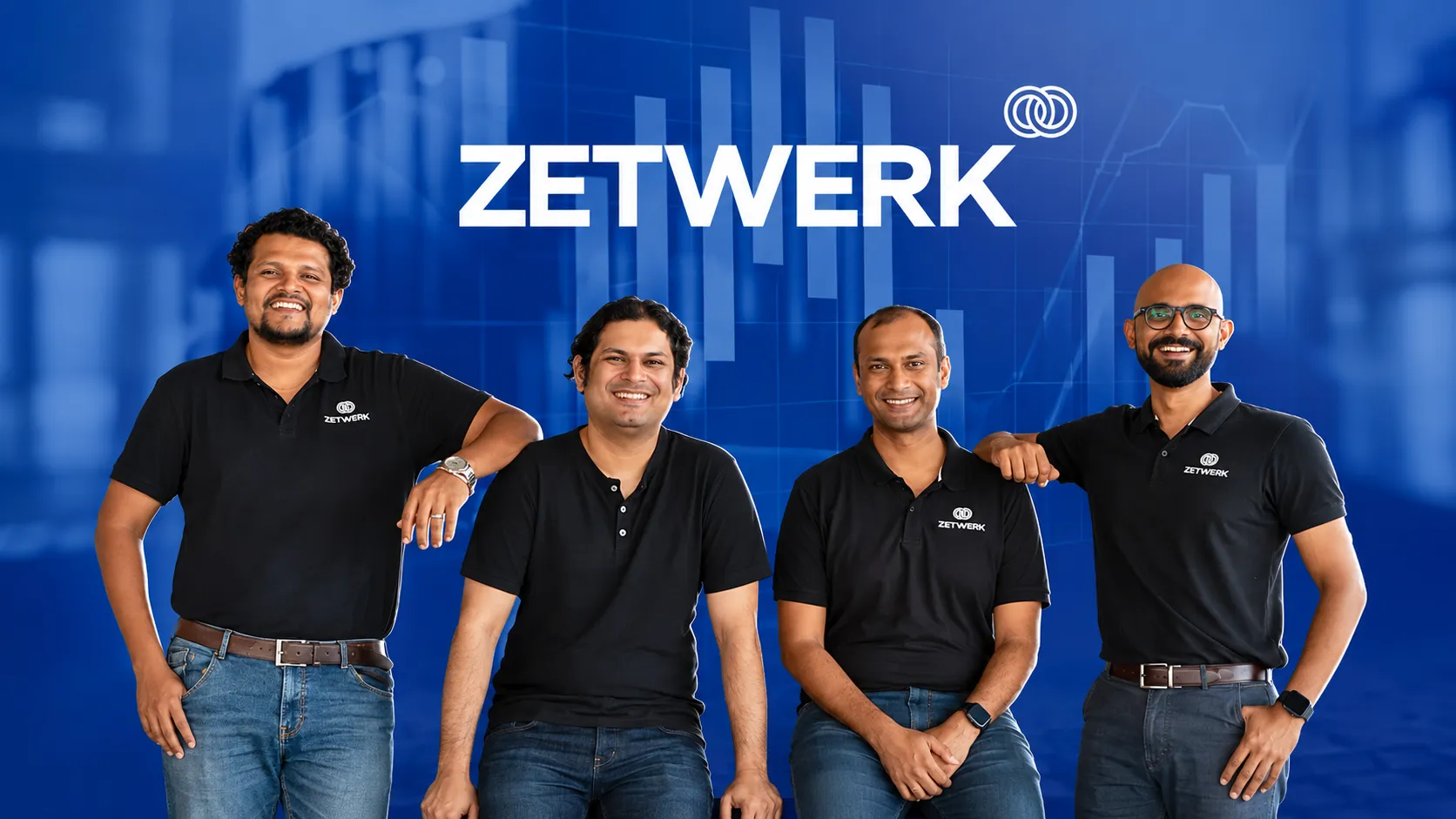
For years, Zetwerk was the kind of company that existed mostly in the language of venture capital term sheets — unicorn valuations, Series rounds, marquee investors. This month, that changes. The Bengaluru-founded manufacturing and supply-chain platform has secured approval from the Securities and Exchange Board of India (SEBI) to proceed with its initial public offering, a milestone that moves it from the world of private capital into the far more public, far more scrutinized world of listed equity. It is one of the clearest signals yet that India's much-discussed 2026 startup IPO wave is no longer a talking point — it is becoming a reality, one regulatory clearance at a time.
Zetwerk's approval doesn't exist in isolation. It lands amid what data from startup-tracking platforms describes as a genuinely significant year for Indian company formation and capital markets activity: as of July 2026, India has recorded more than 698,000 startups and roughly 94 to 132 unicorns depending on the count used, figures that place the country as the third-largest startup ecosystem in the world. In the year to July 2026 alone, Indian startups had raised approximately $10.3 billion across more than 1,000 equity funding rounds — a pace that, while below the peak froth of the early 2020s, still reflects durable investor conviction in the Indian growth story. Perhaps more tellingly, roughly 100 IPOs had already been completed in India by July 2026, compared to 322 for the whole of 2025, putting the market on a trajectory that could rival or exceed last year's listing activity.
What Zetwerk actually does — and why it matters
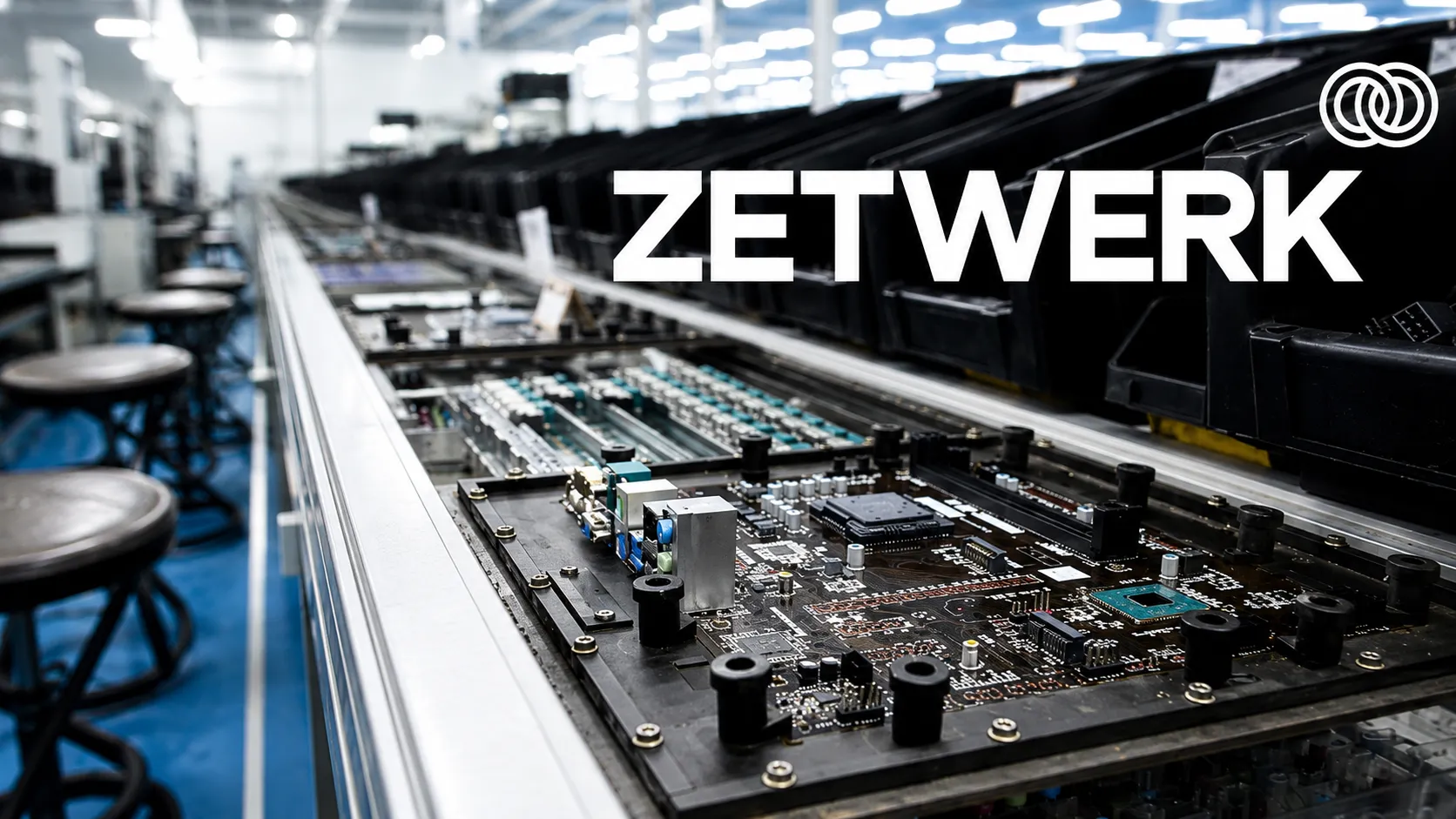
To understand why Zetwerk's IPO matters beyond the headline, it helps to understand what the company actually builds. Zetwerk operates as a manufacturing-as-a-service and supply chain platform, essentially acting as the connective tissue between companies that need custom-manufactured components — everything from precision engineering parts to electronics assemblies — and a fragmented network of small and mid-sized manufacturing units across India that have the capacity to build them but historically lacked the technology, quality assurance systems, and market access to compete for large contracts. In doing so, Zetwerk has positioned itself at the intersection of two of the biggest structural narratives in the Indian economy right now: the "Make in India" manufacturing push and the digitization of traditionally offline, relationship-driven industrial supply chains.
That positioning is significant for public-market investors because it represents a different kind of startup story than the consumer internet and fintech narratives that dominated India's first wave of unicorns. Where companies like food delivery platforms or digital payments apps built their valuations on user growth and transaction volumes, Zetwerk's value proposition is rooted in industrial capacity, manufacturing quality, and B2B relationships — a business model that, in theory, should be easier for public market investors to underwrite because it maps more directly onto revenue and margin fundamentals rather than pure growth multiples.
The wider DRHP pipeline
Zetwerk's approval is just one thread in a much larger tapestry of activity unfolding across India's primary markets this month. According to data compiled by startup-focused publication Inc42, as of mid-2026 roughly 28 startups had already filed their Draft Red Herring Prospectuses (DRHPs) with SEBI, while another two dozen or so were in various stages of finalizing their own IPO plans — a pipeline that spans sectors from cloud kitchens to fintech to specialty retail.
Take C5i, a data and analytics company that has re-filed its DRHP with SEBI via the confidential pre-filing route in July 2026, aiming to raise somewhere between ₹1,000 crore and ₹1,200 crore. The company's journey is itself instructive about the cyclical nature of India's IPO market: C5i first attempted to go public back in 2022, targeting a ₹600 crore issue, only to shelve those plans amid weak market conditions at the time. Its return to the IPO track four years later — backed by investors including Nuvama Asset Management and 360 ONE, and having raised more than $55 million in funding to date — reflects a broader theme of companies that paused their public-market ambitions during tougher fundraising years and are now testing whether conditions have improved enough to try again. On the financial side, C5i's numbers tell a mixed story: consolidated net profit declined 15% to ₹48.3 crore in FY25 compared to ₹56.7 crore the year before, even as operating revenue surged 26% to ₹545.3 crore from ₹431.4 crore in FY24 — a pattern of strong top-line growth alongside margin pressure that public-market investors will likely scrutinize closely.
Elsewhere in the pipeline, the cloud kitchen sector — long one of the more capital-intensive and competitively brutal corners of India's consumer startup landscape — is also represented. Curefoods, the Bengaluru-founded cloud kitchen unicorn behind brands like EatFit, CakeZone, and Frozen Bottle, which operates more than 200 cloud kitchens and offline outlets across 70 Indian cities, is among the companies eyeing a public listing. Its larger rival, Rebel Foods — the company behind Behrouz Biryani, Ovenstory Pizza, and its India franchise partnership with Wendy's — has had IPO plans in the market since October 2024 but has yet to actually file its DRHP, having instead used the intervening period for a significant leadership reshuffle that saw its India CEO elevated to the role of global CEO. Rebel Foods has raised more than $563 million from investors including Coatue Management, Peak XV Partners, and Temasek, and was last valued at $1.4 billion following a $25 million raise from the Qatar Investment Authority.