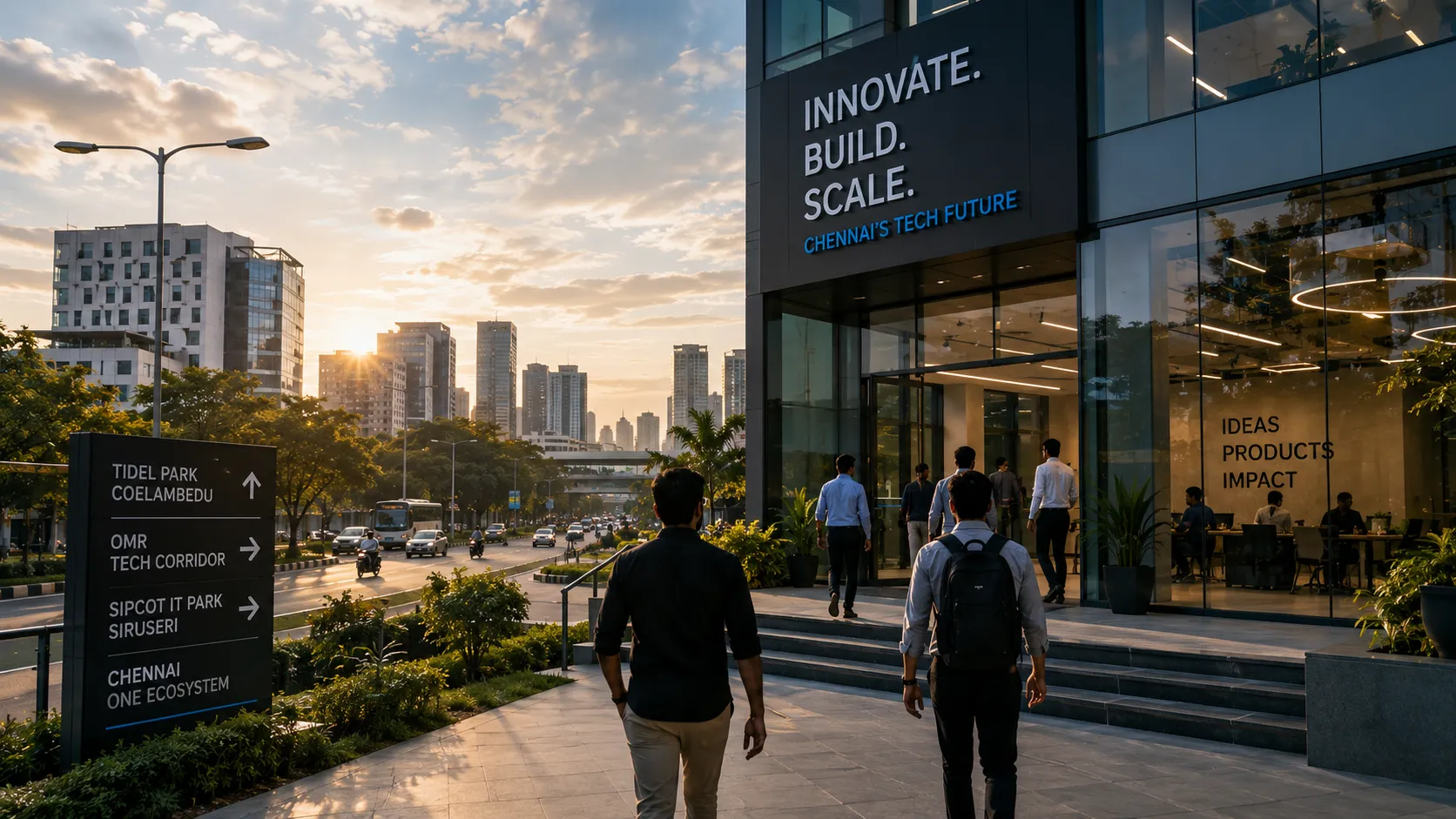
For decades, Chennai built a reputation around engineering excellence, manufacturing capability and a deeply rooted IT services culture. While cities such as Bengaluru frequently dominated startup headlines and Hyderabad emerged as a preferred destination for enterprise and deep-tech investments, Chennai often evolved outside the spotlight. Yet beneath that quieter growth story, the city spent years building an ecosystem that is now beginning to attract stronger attention from investors, founders and technology leaders alike. Today, Chennai increasingly appears to be transitioning from a city known for technology talent to one increasingly recognized for creating globally relevant software and artificial intelligence businesses.
The shift did not happen overnight. Unlike startup ecosystems driven primarily by rapid funding cycles or aggressive market enthusiasm, Chennai developed through a slower and more structured path. The city gradually built strong communities around software products, founder networks and engineering talent. This process created an environment where technical expertise frequently became more important than visibility. Over time, that approach began producing second-generation founders, enterprise software companies and product leaders capable of building businesses with international relevance. Investors now appear to be paying closer attention because many of the characteristics Chennai spent years developing are becoming increasingly valuable in today’s AI economy.
Chennai’s SaaS Story Was Built Long Before AI Became A Global Trend
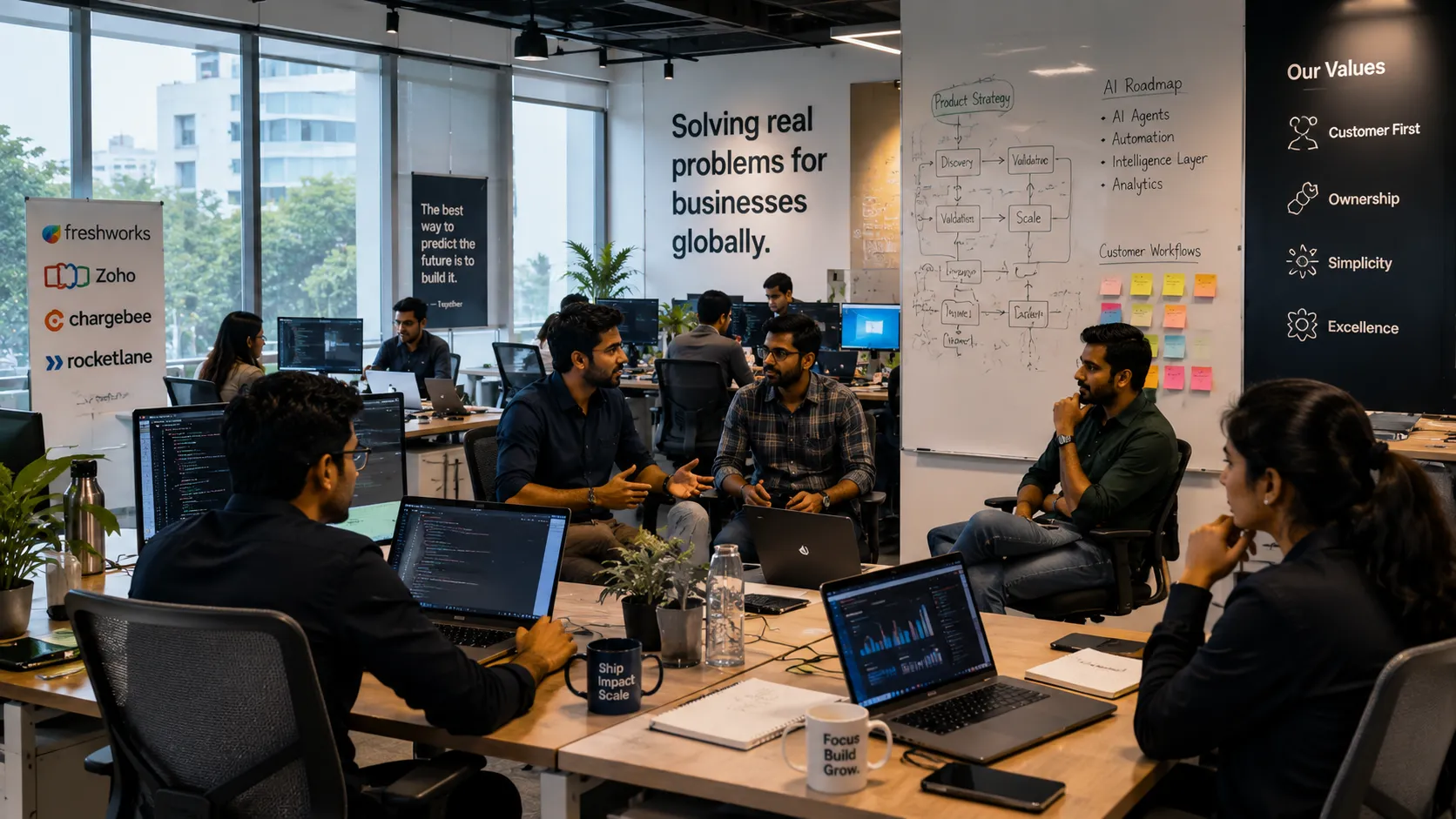
The city’s current momentum around AI can be better understood by looking at the software foundation created over the last decade. Chennai became home to some of India’s most successful SaaS companies, helping establish an ecosystem that quietly matured while larger startup conversations focused elsewhere. Companies such as Freshworks, Zoho and Chargebee played an important role in demonstrating that globally competitive enterprise software businesses could emerge outside conventional startup centers.
The significance of these companies extends far beyond revenue growth or valuation milestones. Successful software ecosystems often create ripple effects that become visible only after several years. Employees eventually leave and become founders themselves. Operators gain experience and transition into mentoring roles. Investors develop stronger understanding of software business models. Founder communities become more interconnected and knowledge-sharing becomes more common. Over time, startup ecosystems begin producing what many investors consider one of the most valuable assets of all: institutional experience.
Chennai increasingly appears to be benefiting from exactly that process. A growing number of founders emerging from established SaaS companies are now building new products involving workflow automation, enterprise infrastructure and artificial intelligence applications. Rather than starting from scratch, many of these entrepreneurs are building on years of operational and product experience accumulated through previous businesses.
Artificial Intelligence Is Creating A New Growth Layer Across The Ecosystem
Artificial intelligence is now adding an entirely new dimension to Chennai’s technology ecosystem. Earlier software waves frequently focused on subscription products and enterprise workflow tools. AI introduces a different opportunity because it allows startups to move beyond software interfaces and into intelligent systems capable of reshaping how businesses operate.
Across Chennai, founders increasingly appear focused on developing products involving AI-assisted workflow systems, enterprise productivity platforms, deployment environments and data-driven automation capabilities. The shift is occurring because businesses worldwide are gradually moving beyond AI experimentation and beginning to integrate artificial intelligence into operational systems. As enterprises increasingly seek practical applications capable of improving efficiency and reducing complexity, startups building these solutions are attracting stronger investor attention.
This changing environment is also beginning to influence startup funding activity. Chennai-founded SaaS startup Rocketlane recently secured a $60 million Series C funding round led by Insight Partners, with part of its broader strategy involving expansion of AI agent capabilities and intelligent customer workflow systems. The company’s growth attracted attention because it demonstrated a broader pattern emerging across Chennai’s ecosystem: startups are increasingly building products for international markets while using AI as a central capability rather than a secondary feature. Recent growth metrics and larger enterprise adoption trends strengthened investor confidence around the company’s direction.
Funding activity of this nature matters because investors frequently evaluate ecosystems through signals. Large investments often influence broader perceptions about regions, categories and founder communities. Chennai increasingly appears to be generating those signals more consistently.
Investors Increasingly View Chennai As A Product Ecosystem Rather Than A Cost Advantage
Historically, conversations involving Chennai often centered around operational advantages. Lower costs, stable teams and engineering talent frequently became recurring themes. Today, however, investors increasingly appear to be evaluating the city differently.
Instead of discussing Chennai merely as a lower-cost alternative to larger startup ecosystems, conversations increasingly focus on founder quality, technical depth and product maturity. Investors today frequently seek businesses capable of demonstrating stronger fundamentals, long-term defensibility and disciplined growth strategies. Chennai’s ecosystem increasingly aligns with many of these priorities.
The city benefits from a large technical workforce supported by educational institutions and strong engineering cultures. Attrition rates frequently remain lower than in some larger startup ecosystems, helping companies retain expertise and build continuity. Founder communities also increasingly contribute through collaboration and mentorship. Collectively, these factors create an environment many investors view as structurally attractive.
State-level initiatives are further strengthening momentum. Tamil Nadu’s startup ecosystem programs and deep-tech initiatives increasingly support early-stage businesses through funding opportunities and ecosystem development efforts. Institutions designed to support emerging technologies are creating additional pathways for founders building AI-focused businesses. Venture firms are also beginning to respond. Chennai-based Speciale Invest recently launched a ₹1,400 crore deep-tech fund aimed at supporting technically intensive startups, further reinforcing growing investor confidence around categories involving AI and advanced technologies.
Chennai’s Growth Story May Ultimately Depend On Its Ability To Stay Different
One of Chennai’s most distinctive characteristics may be the way its ecosystem evolved. Unlike startup environments shaped heavily by cycles of hype and valuation momentum, Chennai often developed around product-building culture and engineering execution. That measured pace occasionally made the ecosystem appear less visible nationally. Yet today, many of those same characteristics increasingly look like advantages.
Investors now ask harder questions than they did several years ago. Profitability, customer retention, sustainable growth and defensibility increasingly influence investment decisions. Ecosystems capable of producing businesses built around those principles often become more attractive during periods of market maturity.
Chennai’s rise may therefore represent something larger than one city’s growth story. India’s future AI economy increasingly appears likely to emerge through multiple ecosystems rather than a single dominant technology hub. Chennai’s combination of software maturity, engineering culture and expanding AI capability may increasingly position it among the strongest examples of how that transition could unfold.