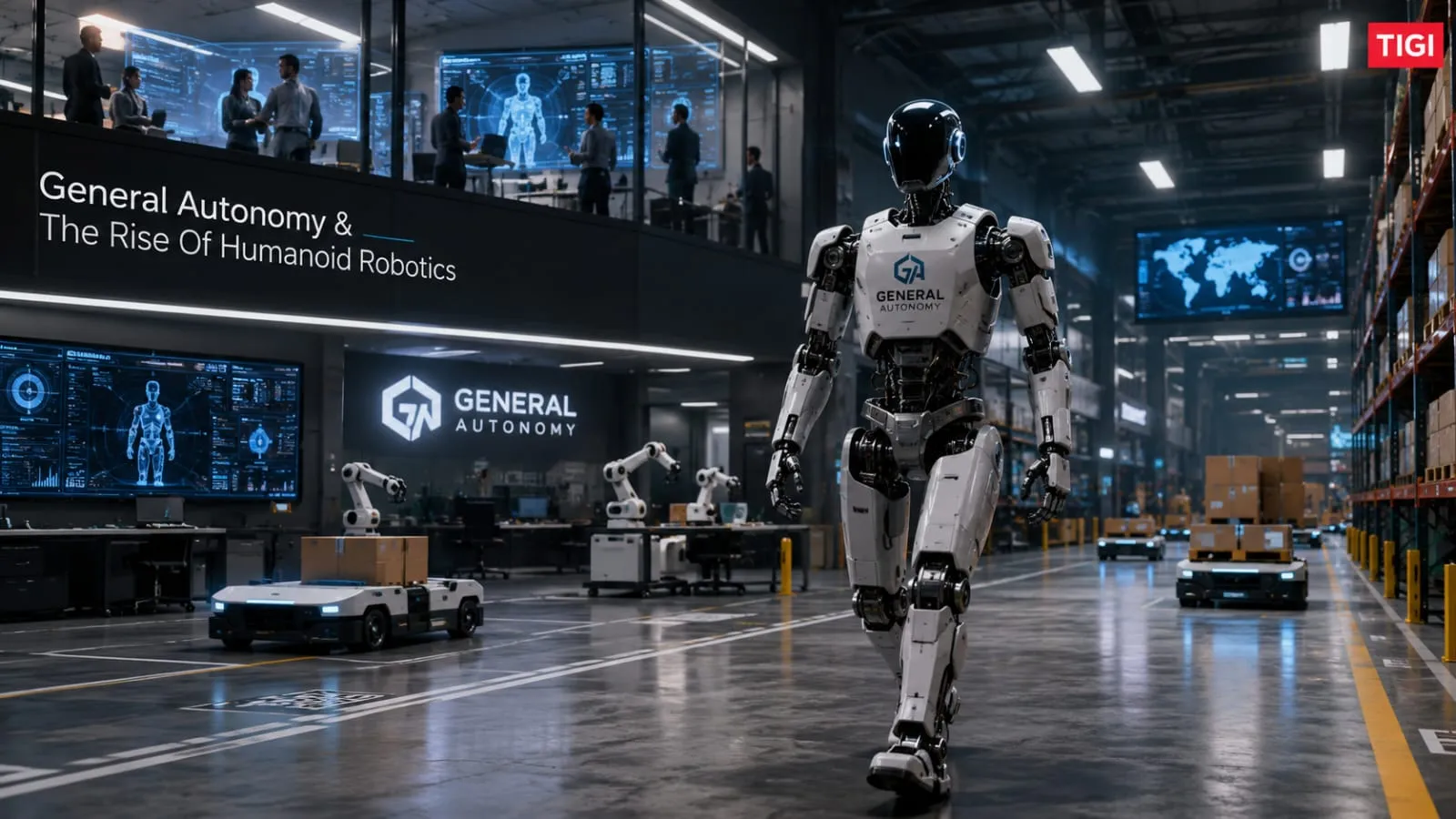
As Investors Search For The Next Major AI Opportunity, General Autonomy Is Emerging Within One Of Technology’s Most Ambitious And Potentially Transformative Categories
Artificial intelligence may dominate today's technology headlines, but many investors increasingly believe the next major breakthrough will happen when intelligence moves beyond software and into the physical world. For years, AI primarily existed inside screens, applications and cloud infrastructure because machines could process information but had limited ability to interact with real-world environments. That distinction is beginning to change. Advances in robotics, computer vision, machine learning and sensor technologies are allowing intelligent systems to move, navigate and perform physical tasks with increasing sophistication. As a result, humanoid robotics is rapidly emerging as one of the most closely watched sectors within global technology, attracting growing attention from investors, engineers and entrepreneurs alike.
Among the startups benefiting from this shift is General Autonomy. While the broader robotics industry remains in an early stage of development, the company is increasingly appearing in conversations around the future of intelligent machines because investors are becoming more interested in businesses attempting to bridge artificial intelligence and physical automation. Unlike traditional software startups, robotics companies operate at the intersection of hardware, engineering and AI, making them significantly more complex to build. Yet that complexity is precisely what attracts long-term investors because successful robotics platforms could eventually influence industries ranging from logistics and manufacturing to healthcare, retail and industrial operations.
The excitement surrounding humanoid robotics reflects a larger economic reality. Across the world, businesses are facing mounting pressure to improve productivity while managing labor shortages, rising costs and operational inefficiencies. Automation has already transformed factories and industrial production lines, but many real-world environments remain difficult to automate because they were originally designed for people rather than machines. Warehouses, hospitals, stores and service facilities often require mobility, adaptability and decision-making capabilities that traditional robots struggle to provide. Humanoid systems offer an intriguing solution because they can potentially operate within existing human-centered environments without requiring entirely new infrastructure.
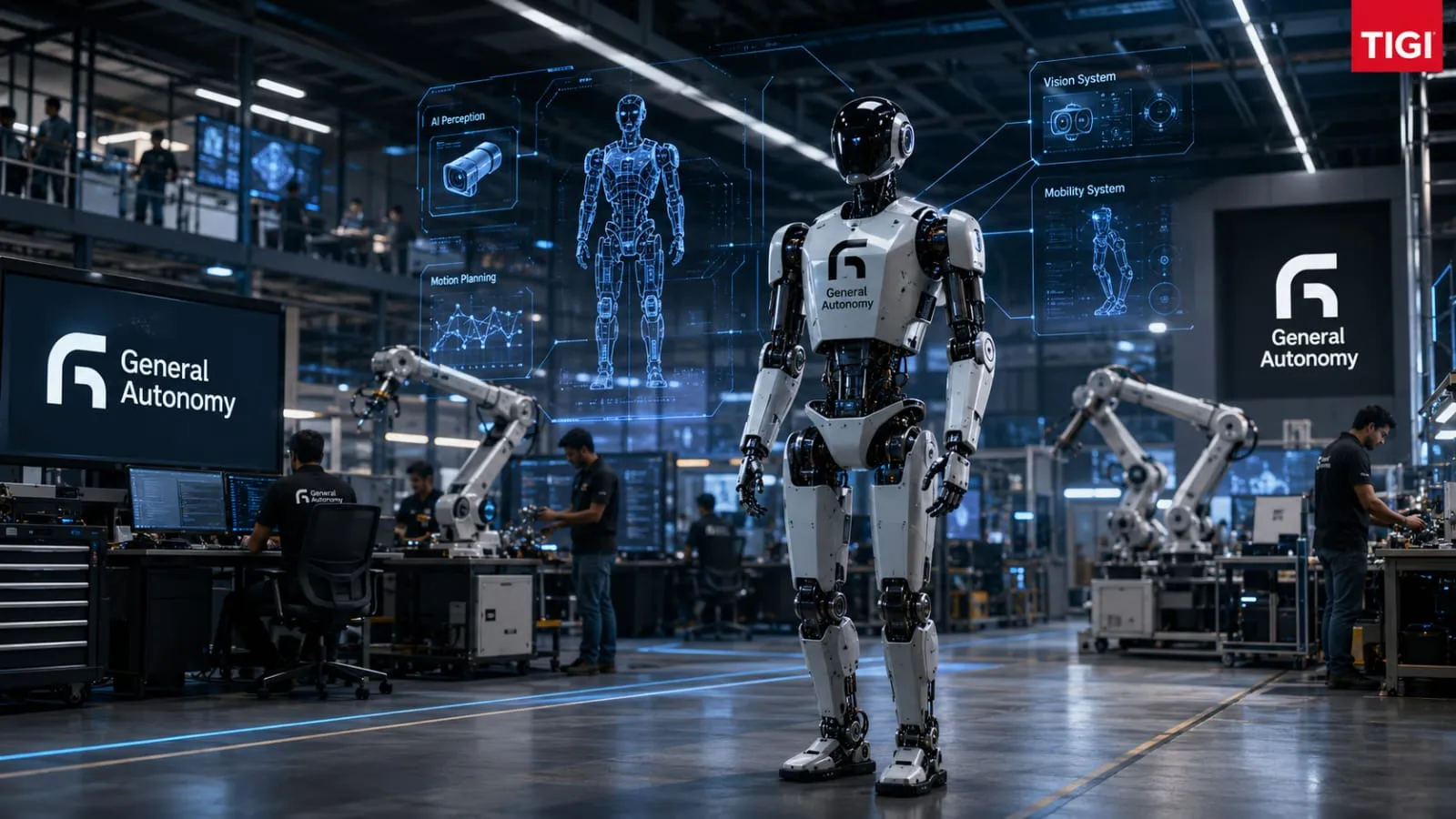
This is where the concept behind companies like General Autonomy becomes particularly interesting. Rather than building machines optimized for a single repetitive task, the broader vision of humanoid robotics involves creating systems capable of performing multiple functions across changing environments. Such flexibility dramatically expands the potential market opportunity because businesses could theoretically deploy intelligent machines in roles that currently depend on human labor. Investors are paying attention because the economic implications of that possibility are enormous. Even modest improvements in robotics capability could unlock entirely new categories of automation.
The recent surge in AI innovation has accelerated interest in the sector even further. Previous generations of robots relied heavily on predefined instructions because they lacked the ability to interpret complex environments independently. Modern AI systems are changing that equation. Advances in large language models, machine learning and computer vision are enabling machines to recognize objects, understand instructions and adapt to dynamic conditions more effectively than before. This technological progress is making robotics far more practical because intelligence is increasingly becoming portable across different physical systems.
What makes the opportunity especially attractive is its long-term nature. Many technology trends experience rapid adoption cycles before reaching maturity, but robotics development tends to unfold over extended periods because meaningful improvements require advances across hardware, software and manufacturing simultaneously. Investors willing to enter the sector early therefore view robotics as a generational opportunity rather than a short-term trend. The companies that successfully establish capabilities today could eventually occupy strategically important positions within entirely new markets.
India's growing deep-tech ecosystem adds another layer to the story. For years, the country's startup narrative was dominated by consumer internet businesses because those sectors offered faster scaling opportunities and lower capital requirements. Increasingly, however, founders are exploring more technically ambitious categories such as aerospace, semiconductor design, industrial automation and robotics. This evolution reflects growing confidence in India's engineering talent base and its ability to participate in globally competitive technology sectors. Startups like General Autonomy are emerging within this broader movement toward deeper technological innovation.
Of course, significant challenges remain. Building reliable humanoid robots is extraordinarily difficult because success depends on solving problems related to mobility, perception, power consumption, safety and cost efficiency simultaneously. Commercial adoption will require systems that are not only technologically capable but also economically viable. Many robotics startups will struggle to overcome these barriers because the path from prototype to large-scale deployment is often long and resource intensive. Investors understand these risks, but they also recognize that transformative industries rarely emerge without substantial technical challenges.
That balance between difficulty and potential is exactly why humanoid robotics continues attracting attention. The category sits at the intersection of several powerful technological trends, including artificial intelligence, automation, advanced manufacturing and human-machine interaction. Each of these sectors is already generating significant investment independently. Combined together, they create one of the most ambitious opportunities in modern technology. Companies operating within this space therefore benefit from both technological momentum and investor curiosity.
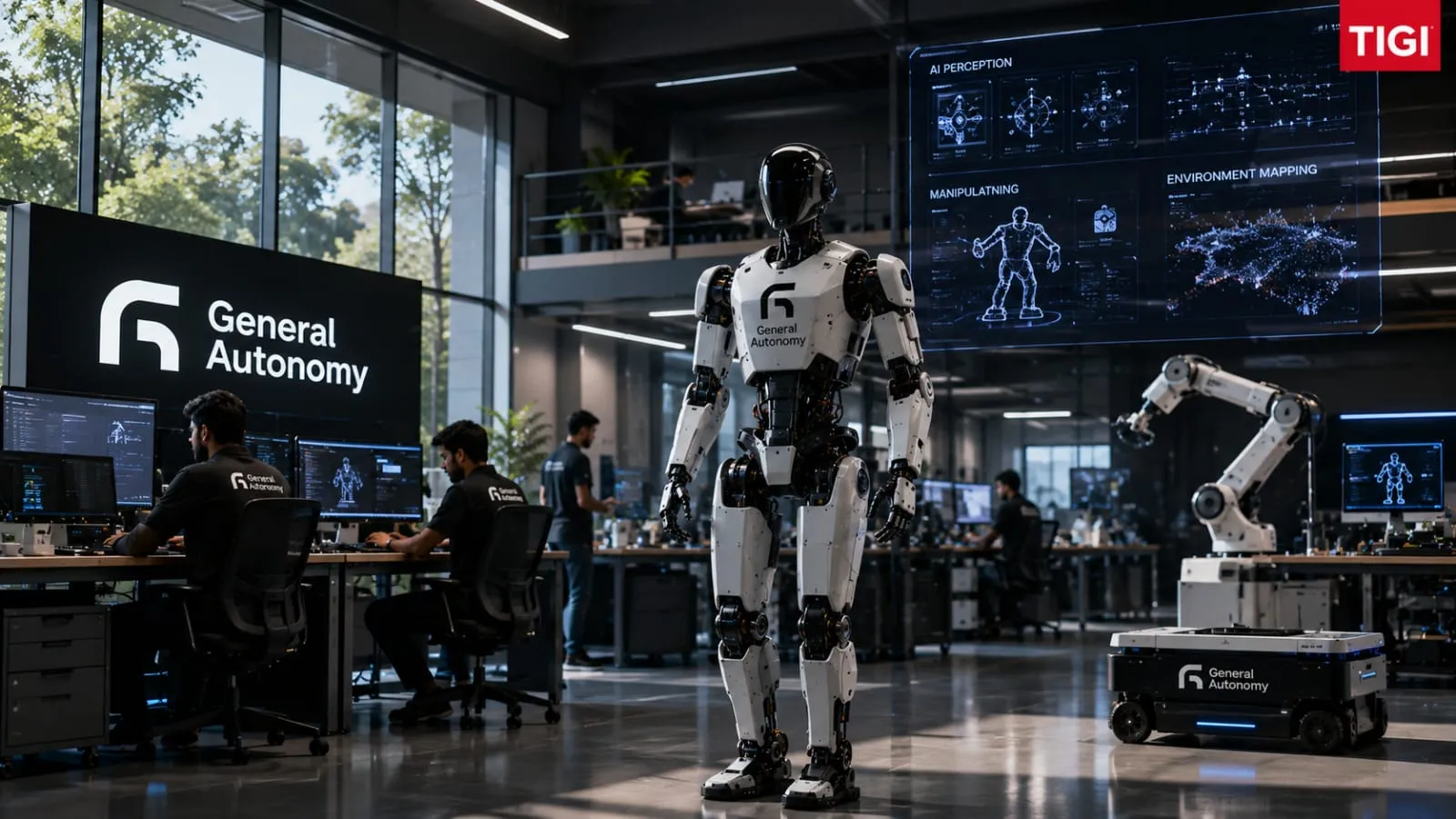
General Autonomy's growing visibility ultimately reflects something larger than the success of a single startup. It highlights increasing belief that the future of artificial intelligence may extend beyond digital experiences and into the physical economy itself. If intelligent machines become capable of operating effectively alongside humans, the impact could extend across nearly every industry. For investors, entrepreneurs and technology leaders, that possibility is difficult to ignore. And for startups attempting to build that future, the coming decade may prove to be one of the most important periods in the history of robotics.